Analytical thinking Math Worksheets for Ages 5-9
5 filtered results
-
From - To
Unlock your child’s potential with our "Analytical Thinking Math Worksheets for Ages 5-9" from Kids Academy. Designed to develop critical problem-solving skills, our worksheets encourage young learners to explore math concepts in an engaging, age-appropriate way. Each worksheet covers essential topics, including patterns, sequencing, and logical reasoning, to help children build a strong analytical foundation. With colorful visuals and fun activities, kids stay motivated while improving their mathematical thinking. Perfect for both classroom and home use, these worksheets make learning math enjoyable and effective. Give your child the tools they need for future success by nurturing their analytical skills early on.
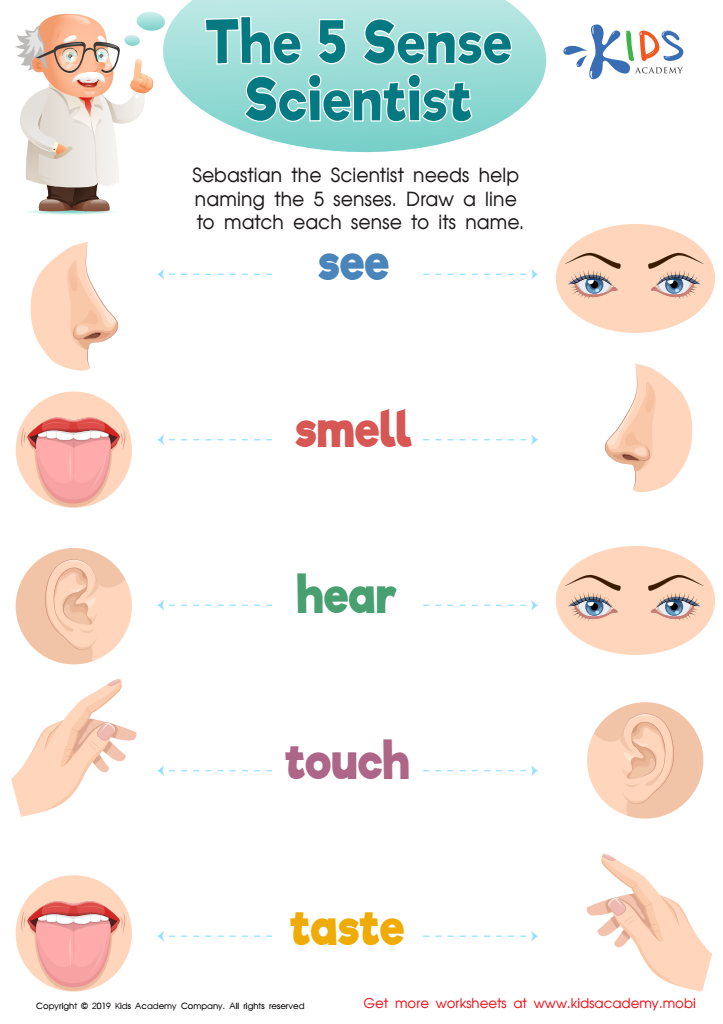
The 5 Sense Scientist Worksheet
 Assign to My Students
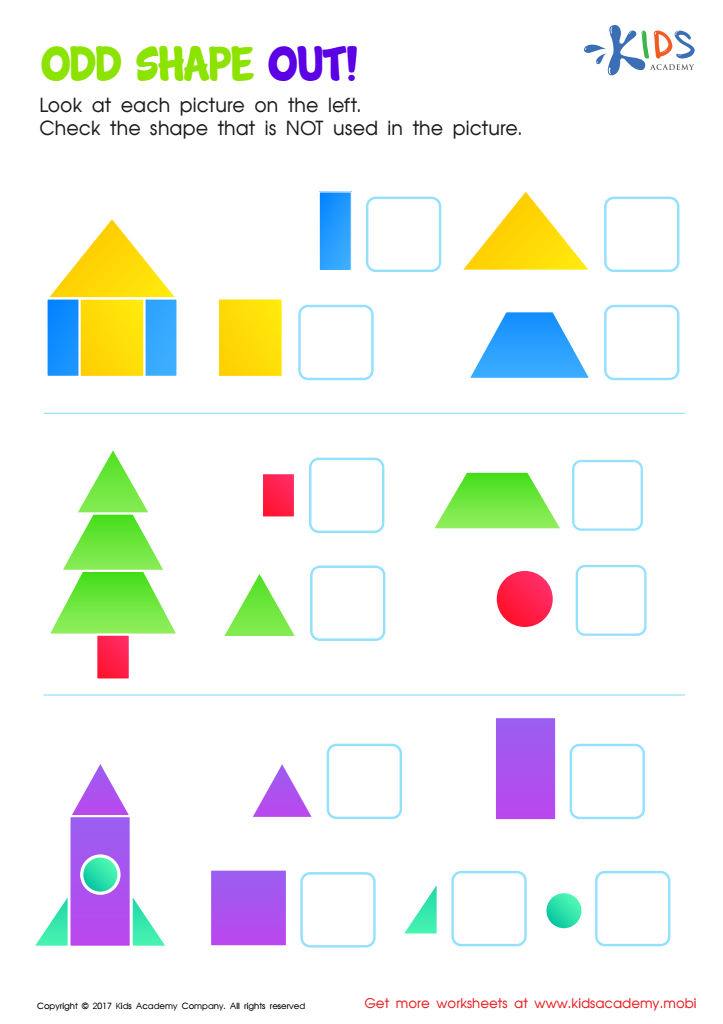
Odd Shape Out Worksheet for Grade 1
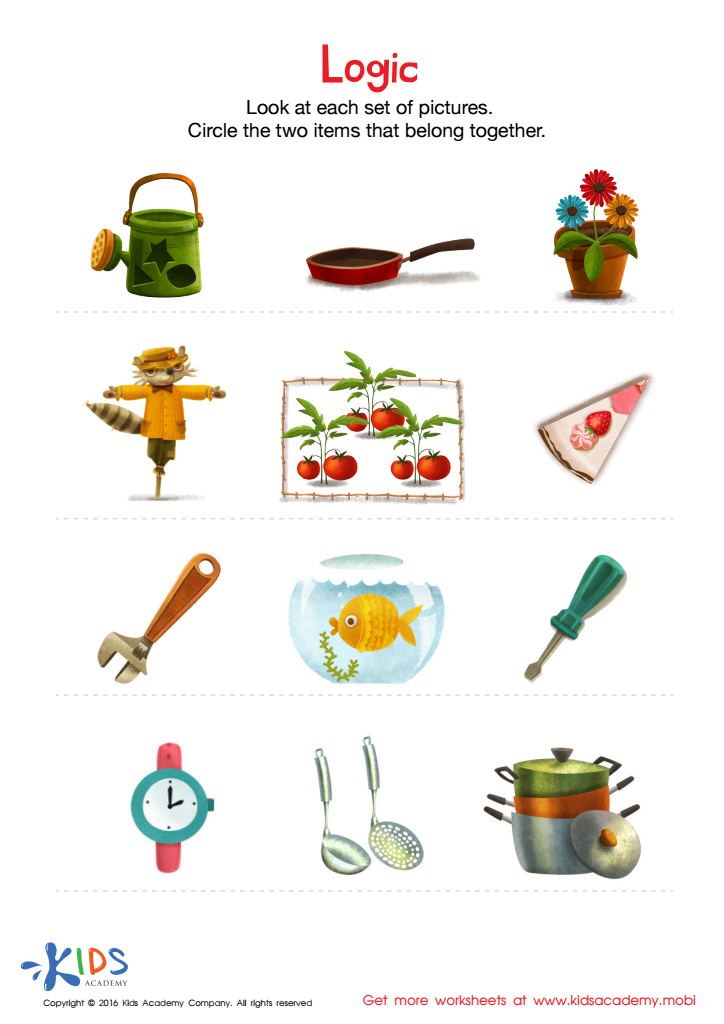
Logic Game Sorting Worksheet

After School Time Printable
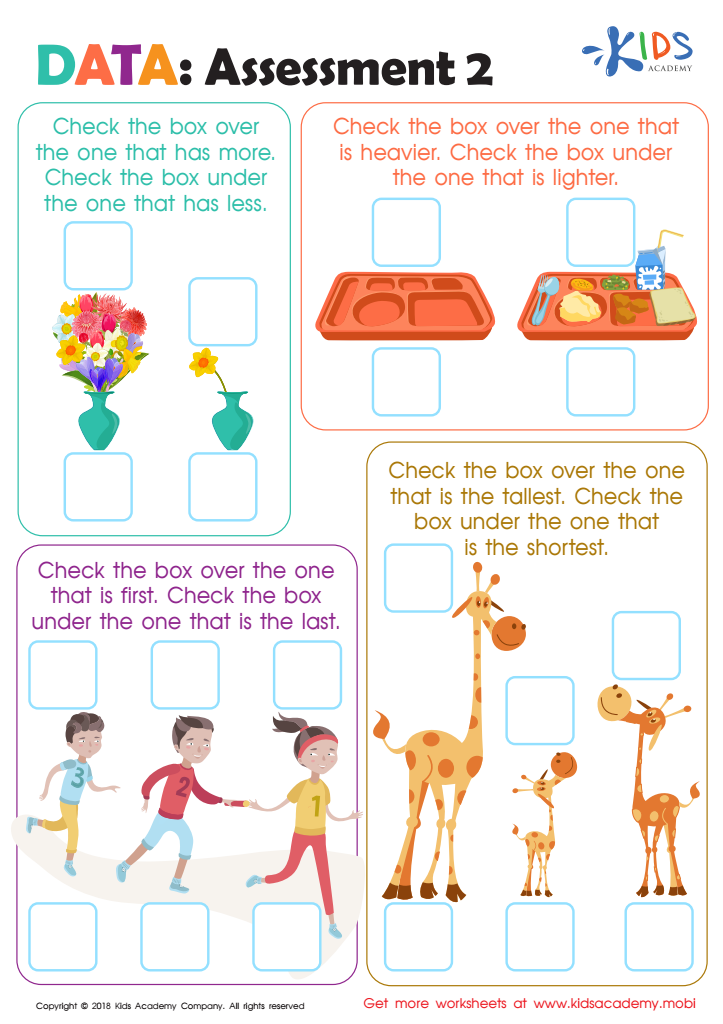
Data: Assessment 2 Worksheet








Analytical thinking in math for children ages 5-9 is crucial as it lays a strong foundation for lifelong learning and problem-solving abilities. At this early developmental stage, children absorb information rapidly; fostering their analytical skills can significantly impact their cognitive growth. This form of thinking enables children to break problems into manageable parts, recognize patterns, and develop logical reasoning.
Encouraging analytical thinking through math helps children not just in solving arithmetic problems but also in understanding the 'why' behind solutions. This insight promotes deeper learning and prevents rote memorization. Skills such as critical thinking, observation, and inquiry are cultivated, which are applicable across all subjects and everyday situations.
Moreover, analytical thinking boosts confidence and perseverance. As children learn to approach problems methodically and see the fruits of their structured efforts, it nurtures an inward sense of achievement and persistence. They become more adaptable, as they can apply learned strategies to new and diverse challenges.
Parents and teachers play a pivotal role in this developmental phase by cultivating a supportive and stimulating environment. By incorporating puzzles, games, and hands-on activities that require analysis and reasoning, they make learning enjoyable and relevant, fostering a positive attitude towards math and problem-solving tasks that will benefit children throughout their educational journey and beyond.








