Animal identification Math Worksheets for Ages 5-9 - Page 2
33 filtered results
-
From - To
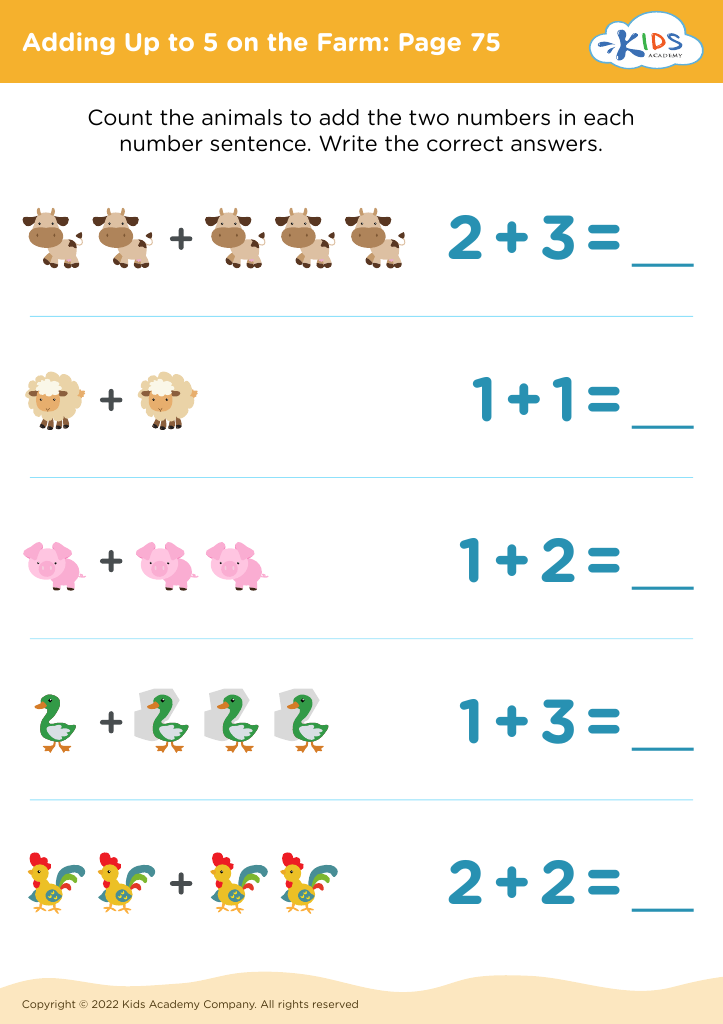
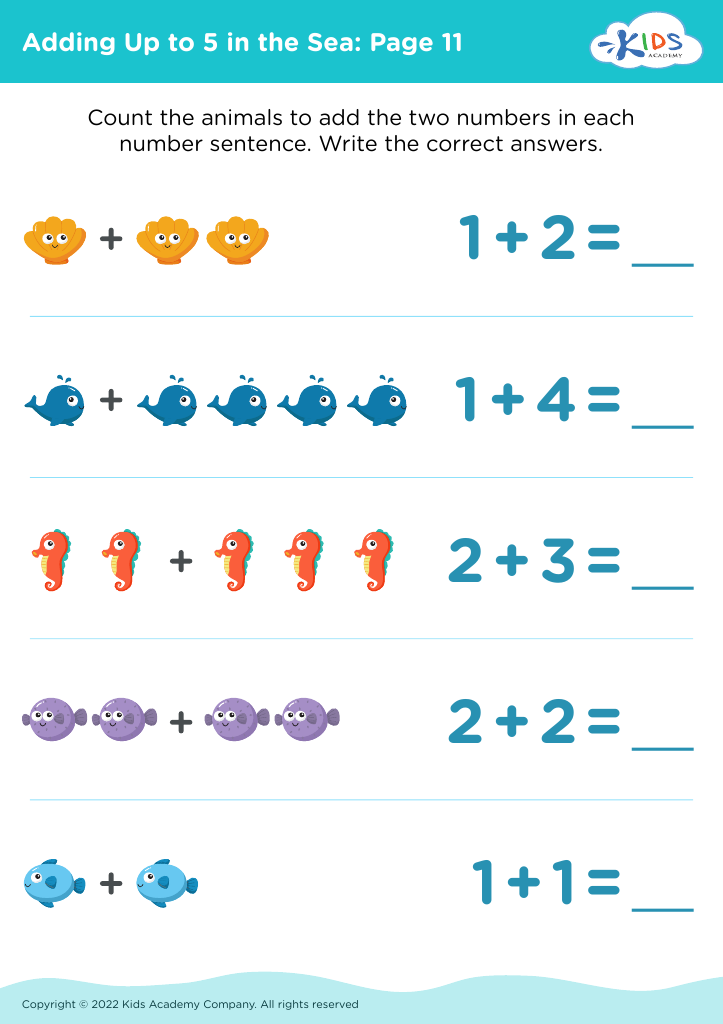
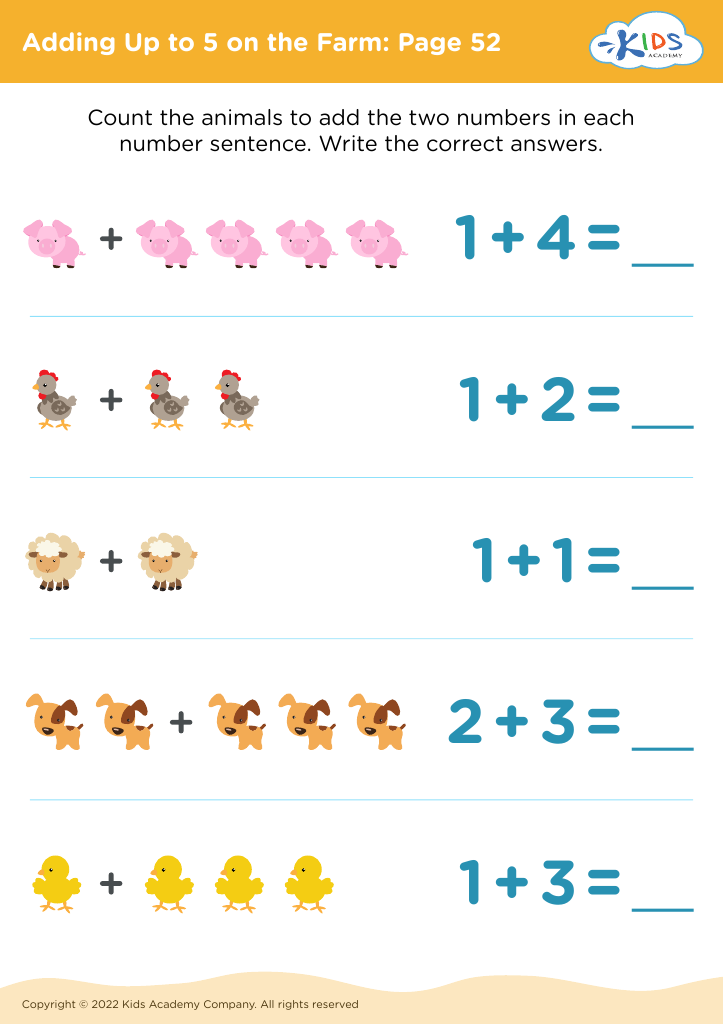
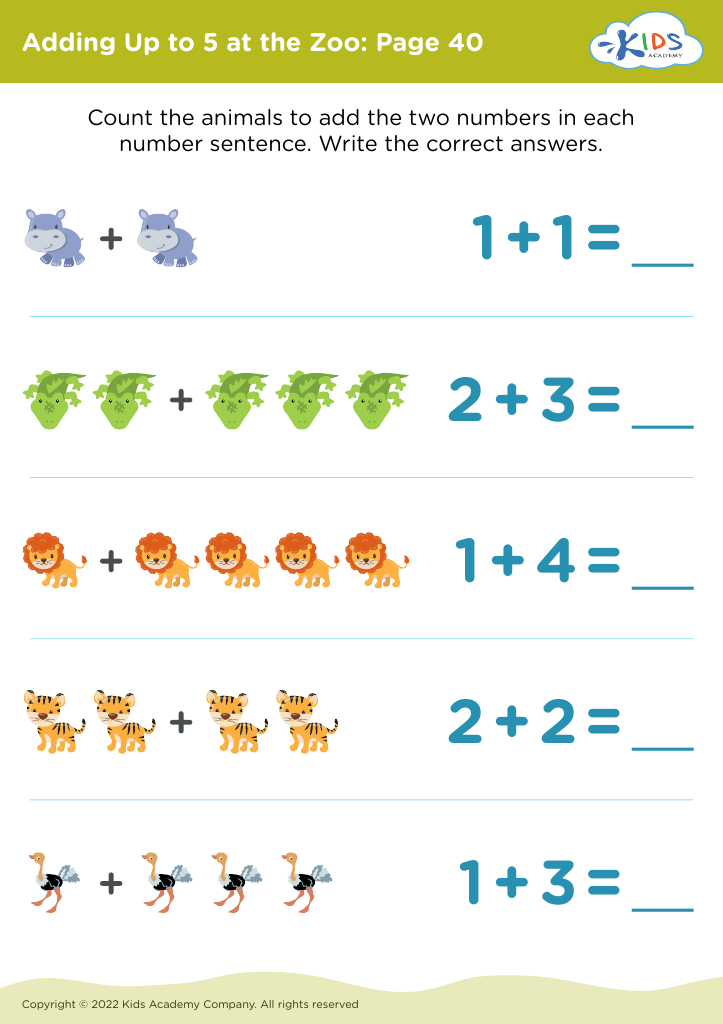
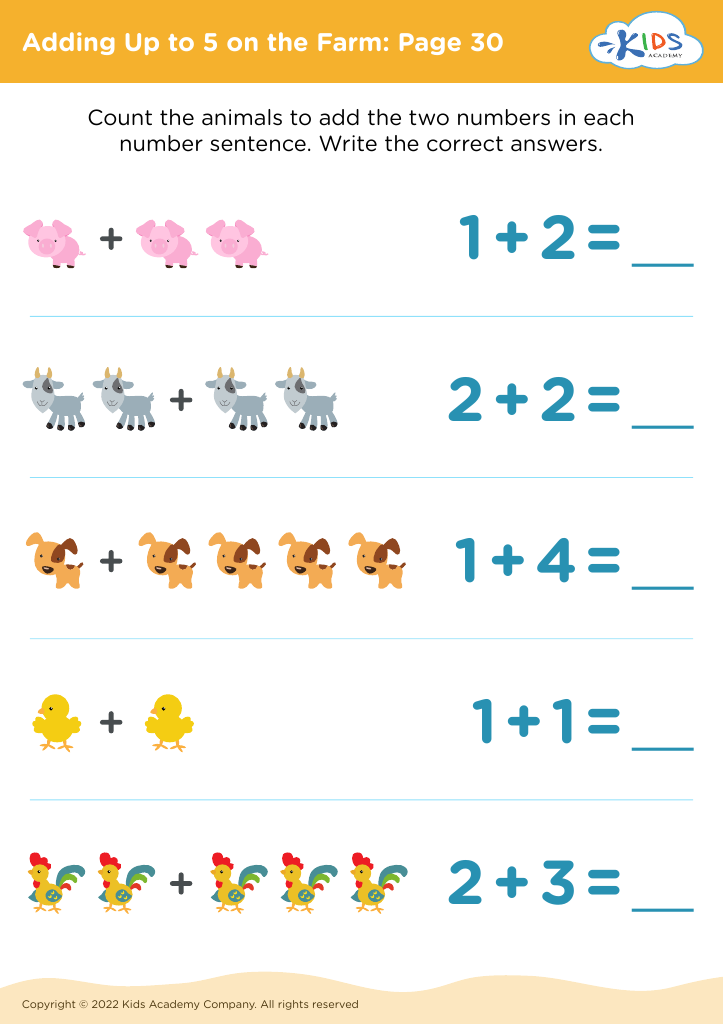
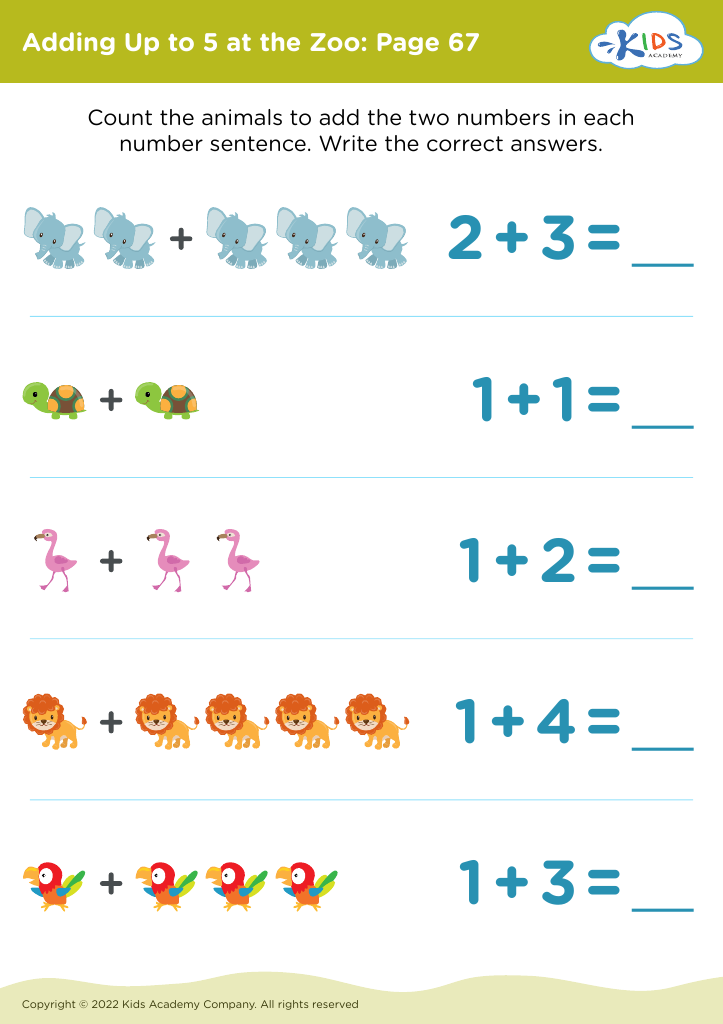
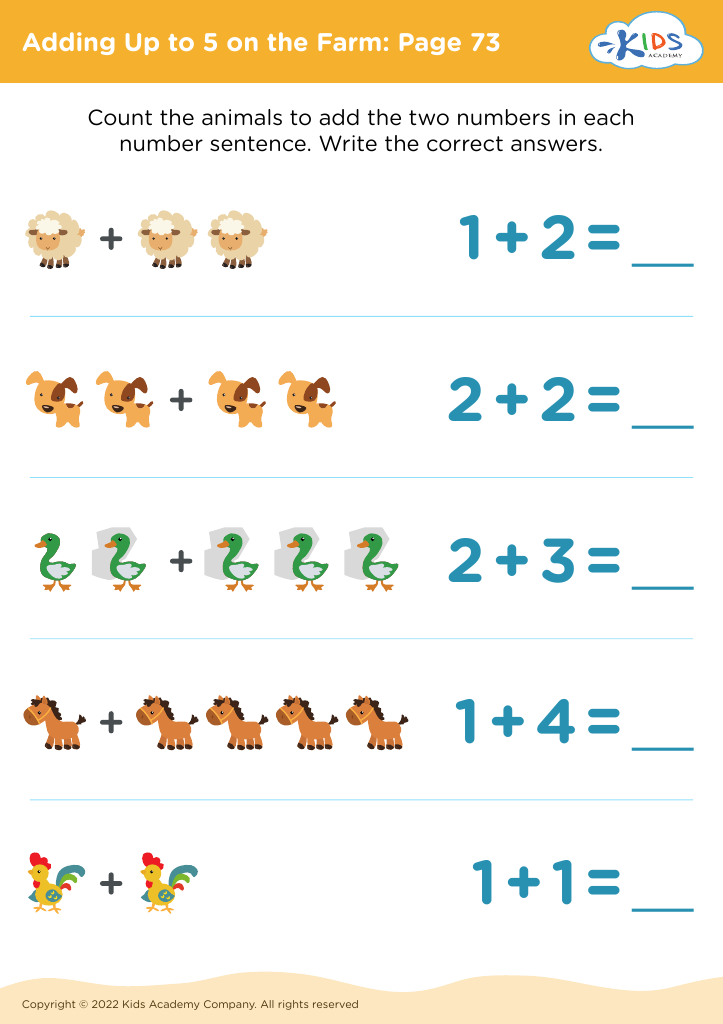
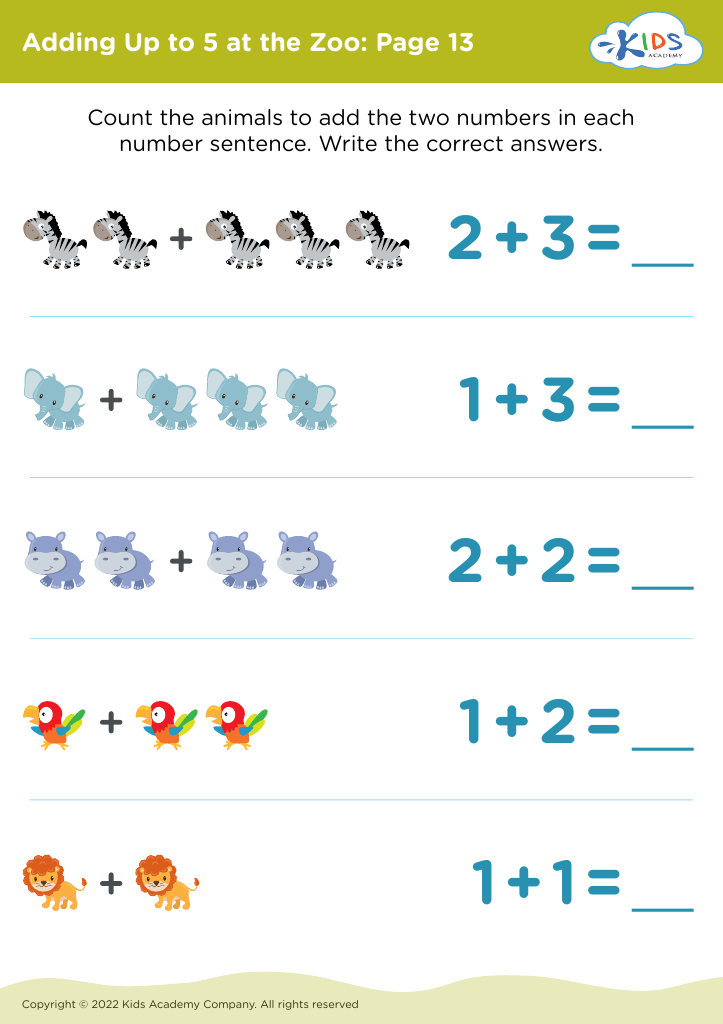
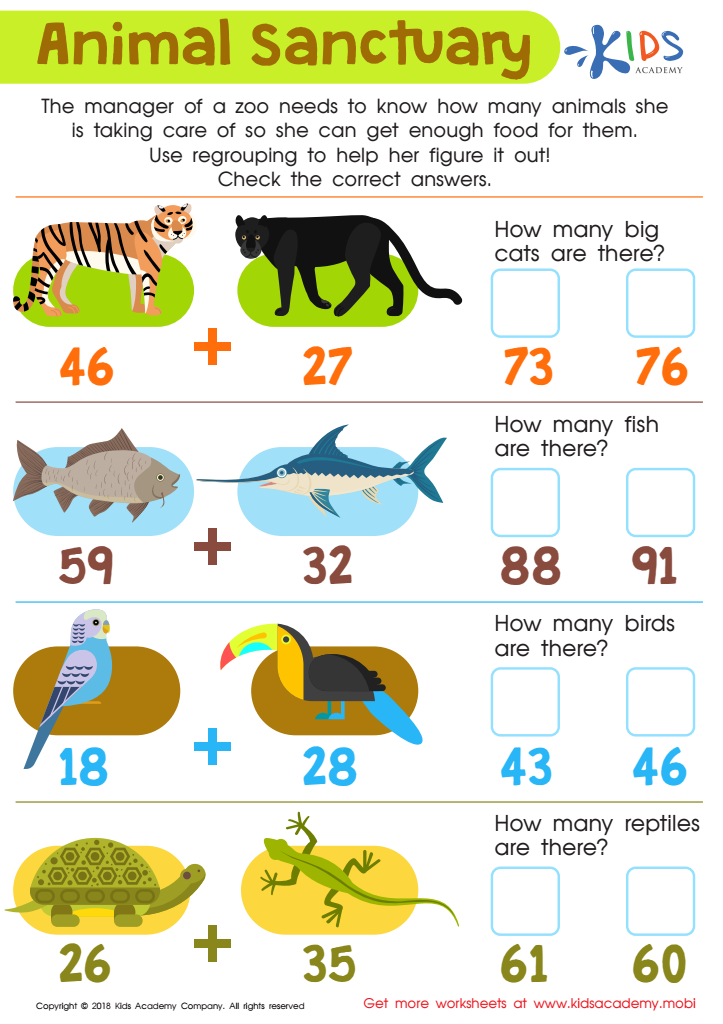
Animal Sanctuary Worksheet
 Assign to My Students







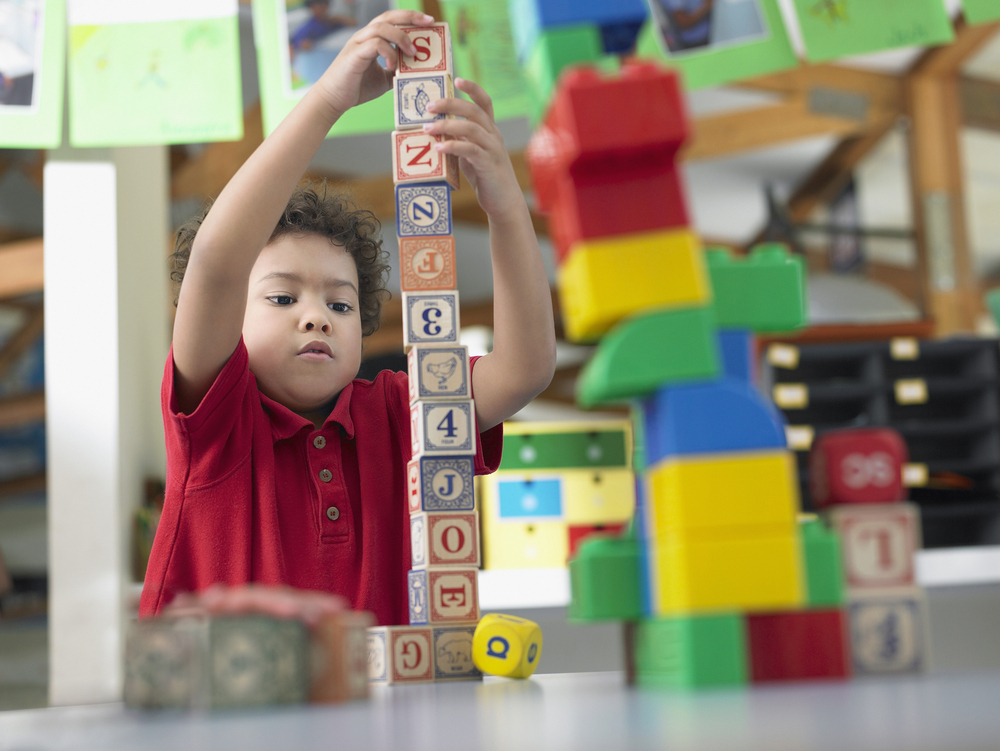
Animal identification math is an educational approach that combines learning about animals with fundamental mathematical concepts, and there are several reasons why parents and teachers should care about this for children ages 5-9. This method serves as an engaging and multifaceted teaching tool, making learning more enjoyable and relatable for young students.
Firstly, children in this age group are naturally curious about animals, so incorporating them into math lessons can capture their interest and make abstract concepts more tangible. For example, counting the number of legs on various animals can introduce basic arithmetic, while comparing the sizes of different animals can lay the groundwork for understanding measurements and data comparison.
Secondly, animal identification math promotes cognitive development and critical thinking. By categorizing animals, students enhance their classification and sorting skills, fundamental to many math operations. Recognizing patterns in animal stripes or spots can also introduce the concept of sequences.
Furthermore, this approach supports cross-curricular learning, linking science and math. Understanding animal habitats, diets, and characteristics concurrently strengthens children's general knowledge and contextual understanding, fostering a more holistic educational experience.
Lastly, engaging children in discussions and activities involving animals and math encourages collaboration, communication skills, and emotional engagement in learning. Consequently, animal identification math is not just about numbers but also nurturing a love for learning that can last a lifetime.








