Applying math concepts Math Worksheets for Ages 5-9
3 filtered results
-
From - To
Explore our engaging Math Worksheets for Ages 5-9 designed to help children apply essential math concepts in a fun and interactive way. Tailored to enhance problem-solving skills, these worksheets encourage kids to think critically and make connections between math and real-life situations. Through a variety of activities—such as comparing numbers, understanding basic operations, and identifying patterns—young learners can strengthen their foundational math knowledge. Our resources aim to foster a love for math while making learning enjoyable. Ideal for home or classroom use, these worksheets empower children to build confidence and proficiency in their mathematical abilities. Start exploring today!
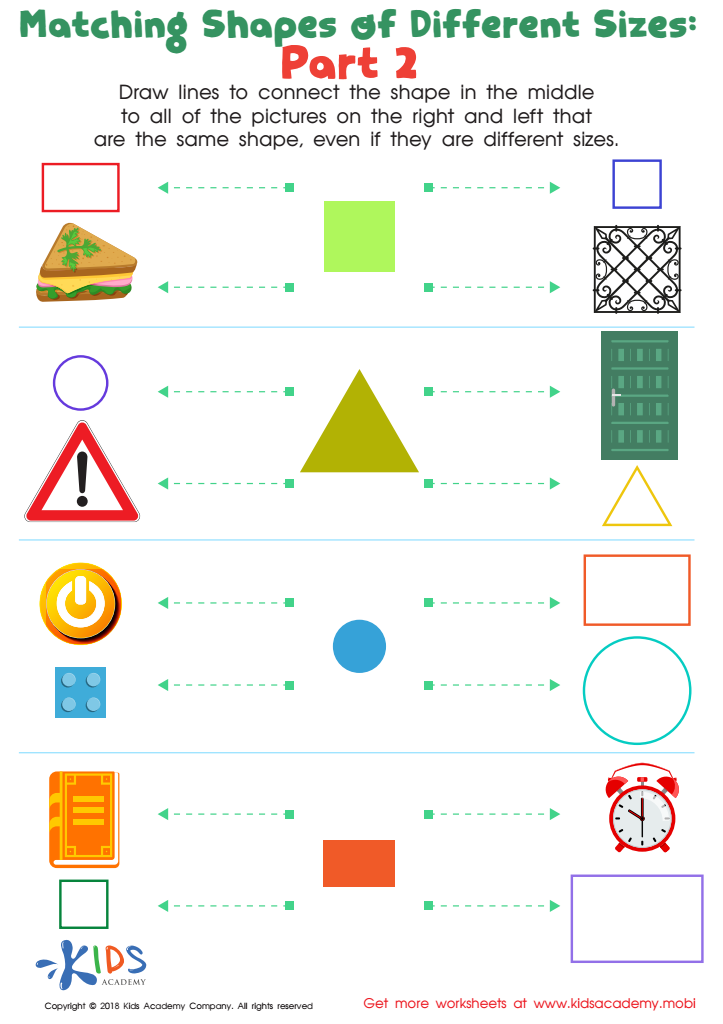
Geometry: Part 2 Worksheet
 Assign to My Students
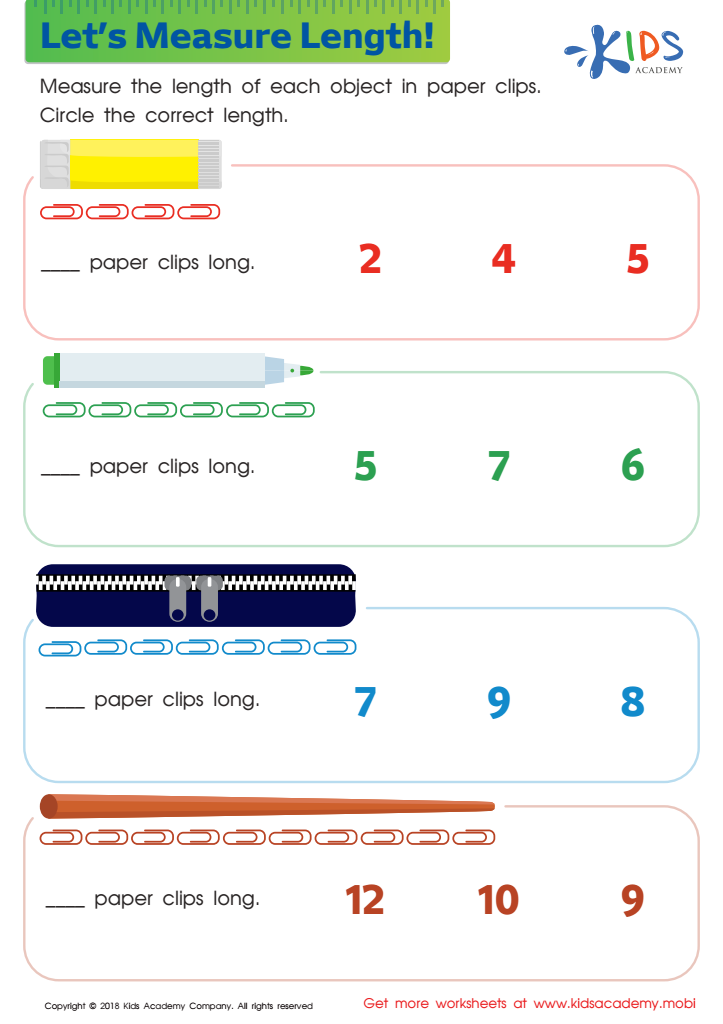
Lets Measure Length Worksheet
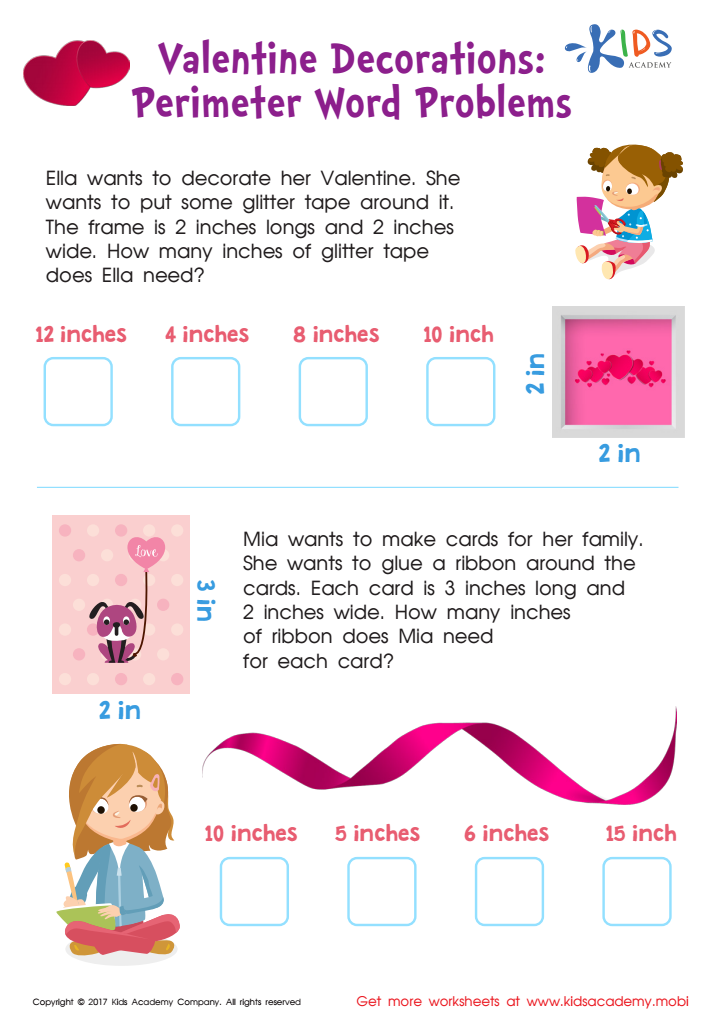
Perimeter Word Problems Worksheet







Parents and teachers should recognize the importance of applying math concepts for children aged 5-9 as it lays a foundational understanding necessary for future learning. During these formative years, children instinctively begin to observe patterns, relationships, and quantities in their environment. By introducing real-life applications of math, such as measuring ingredients while cooking or counting objects during play, we create engaging and relatable experiences that enhance their problem-solving skills.
Applying math in everyday scenarios helps to demystify the subject and demonstrates its practicality. Children are more likely to develop a positive attitude toward math when they see its relevance in their lives. Furthermore, consistent application fosters critical thinking and promotes cognitive development, which are essential skills across all subjects.
Early engagement with mathematics can uncover a child’s natural aptitude and interest in the subject, encouraging lifelong learning. It also builds confidence as they see their ability to handle mathematical concepts grow. Ultimately, fostering mathematical understanding in young children supports their overall academic success, empowers informed decision-making, and prepares them for a range of future opportunities, making it imperative for both parents and teachers to be actively involved in this key aspect of early education.








