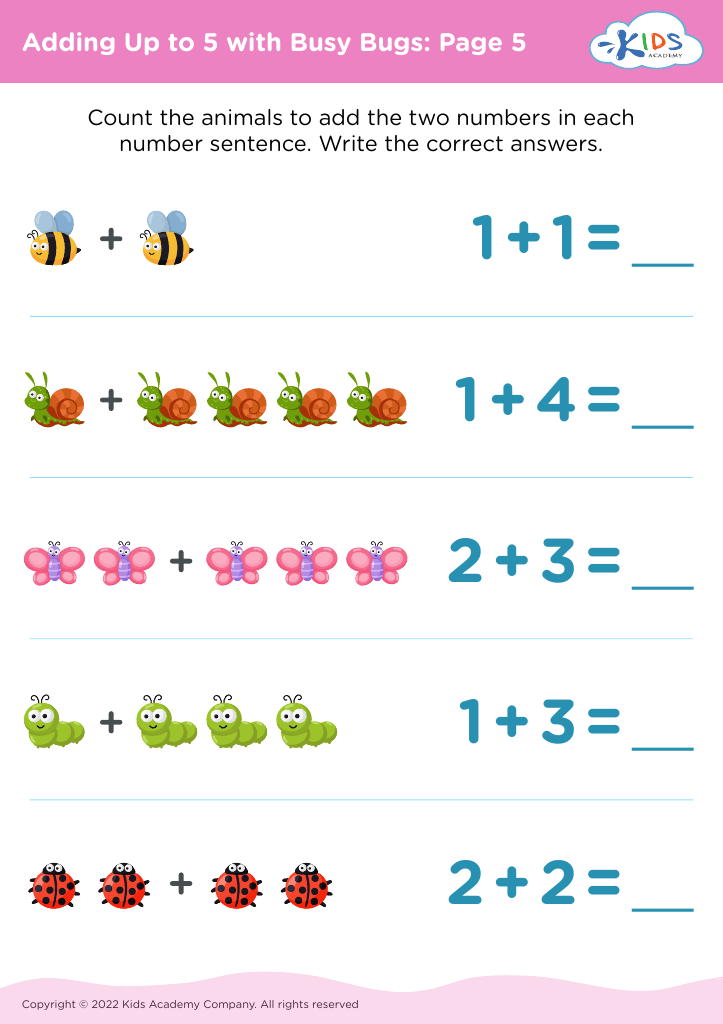
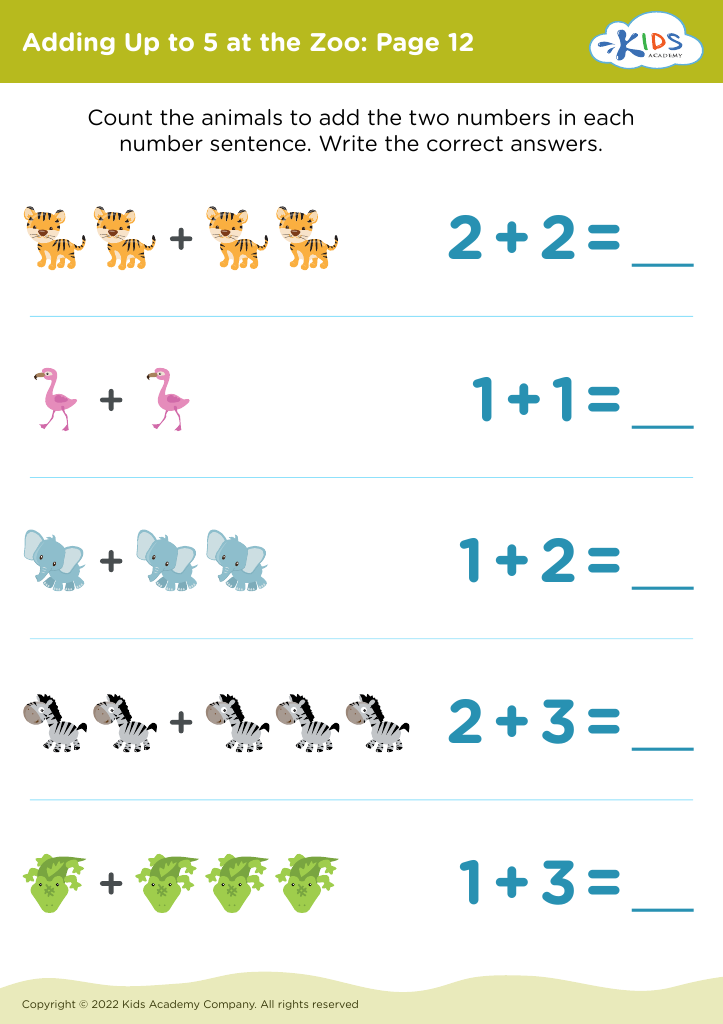
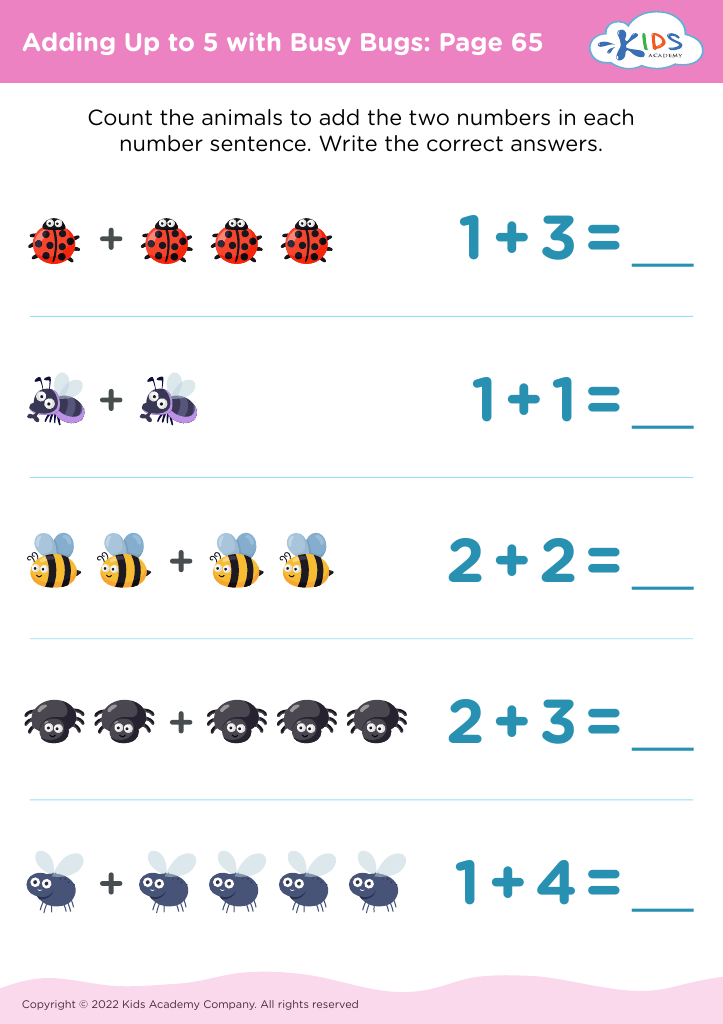
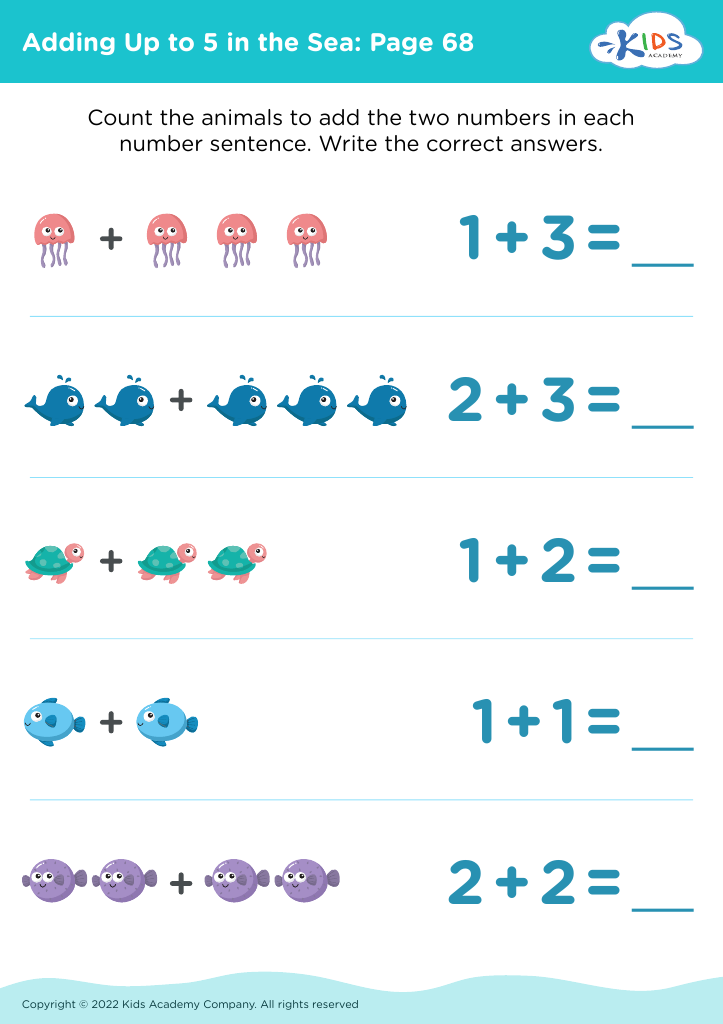
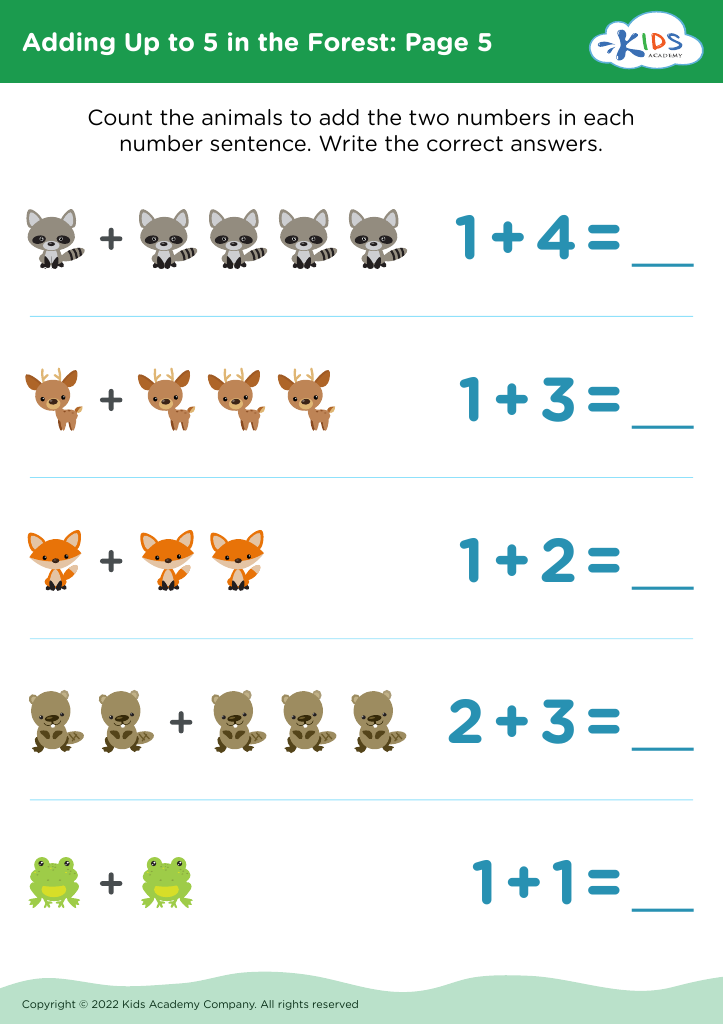
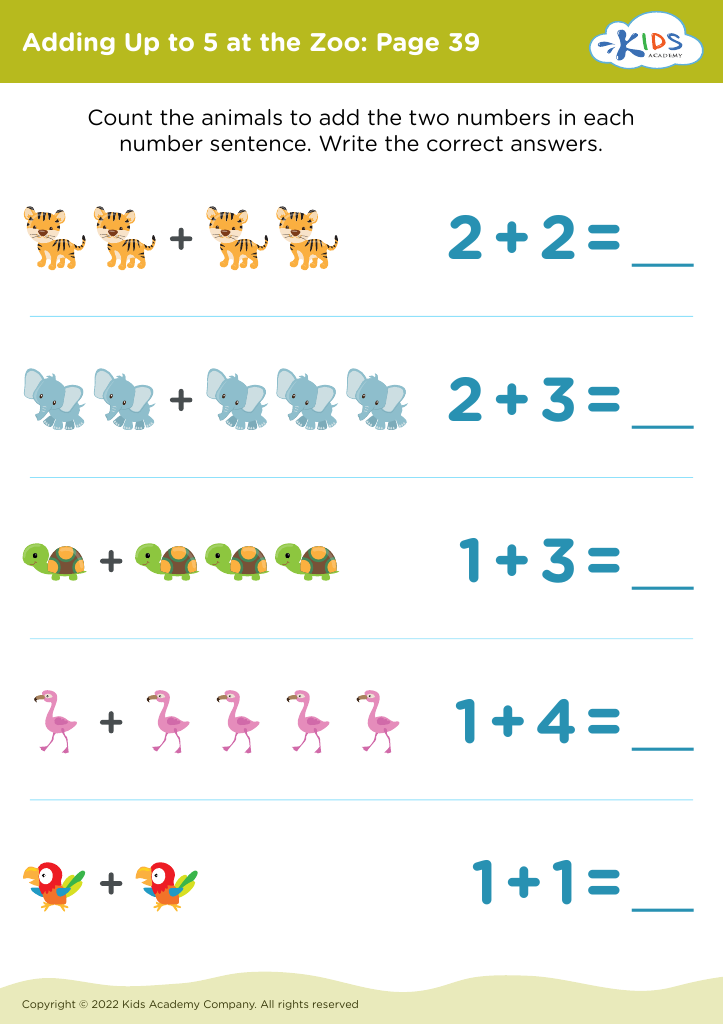
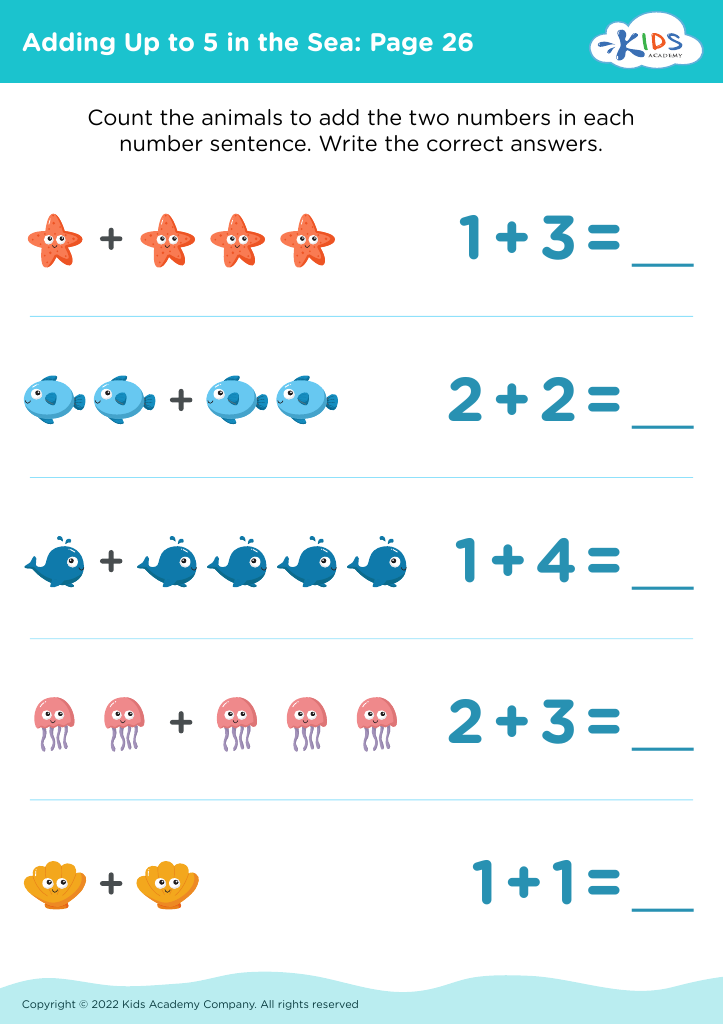
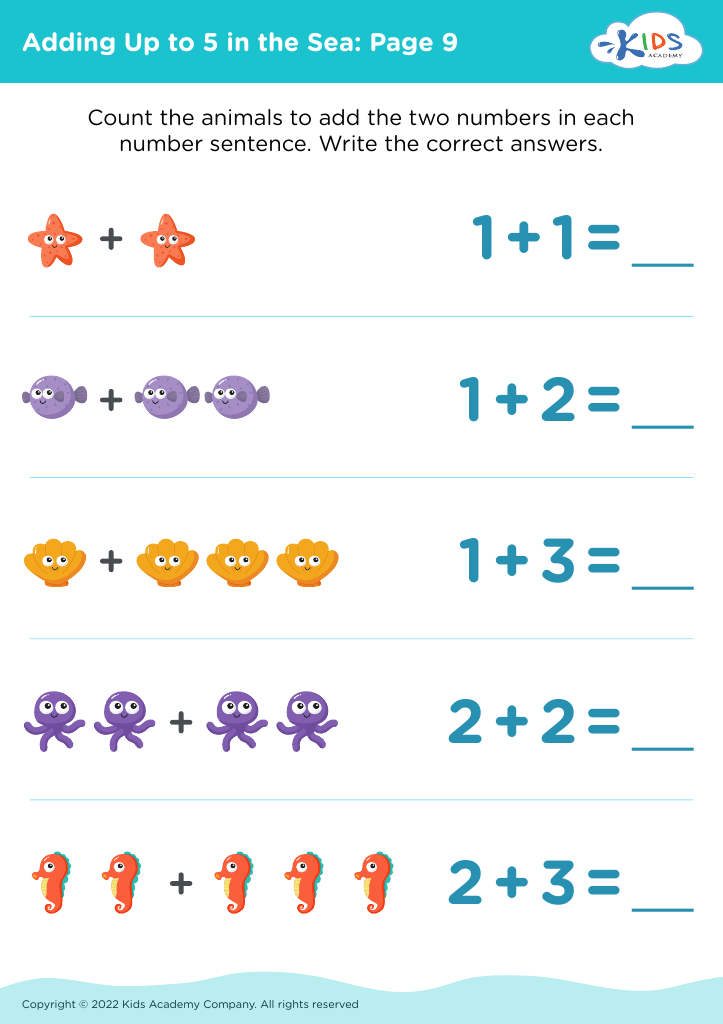


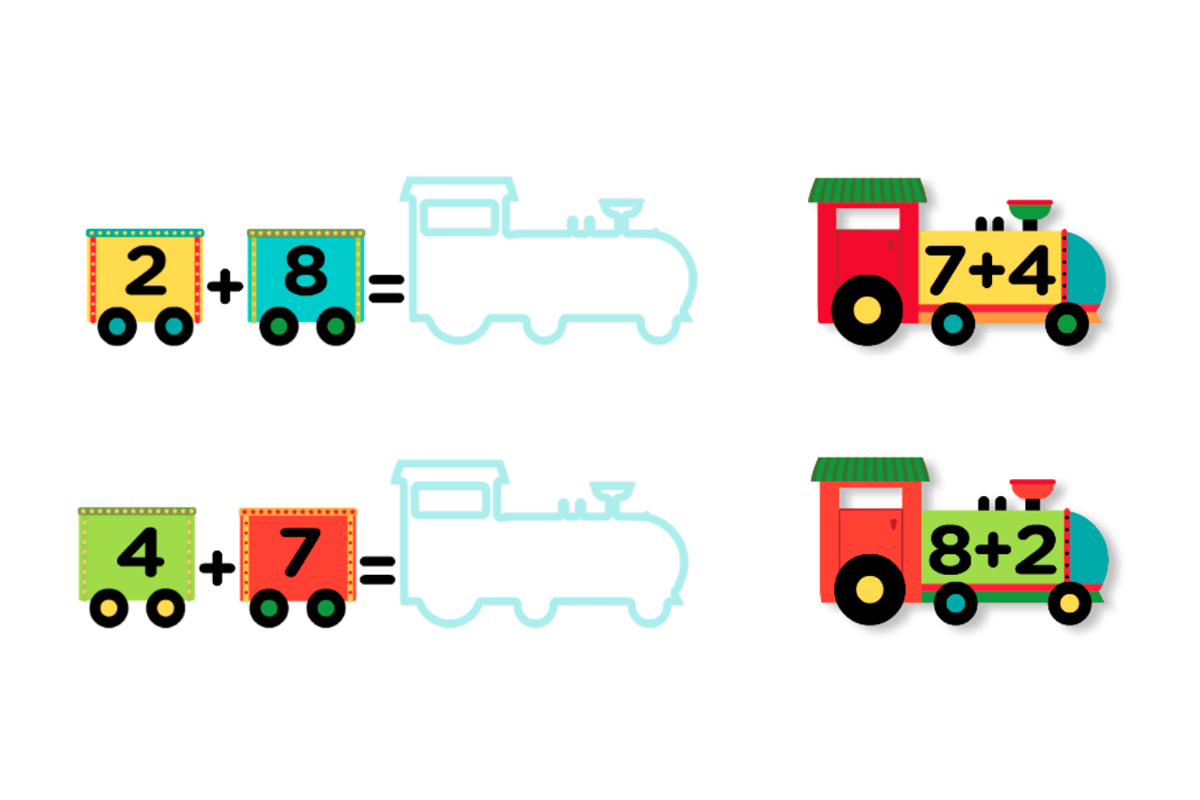





Parents and teachers play a vital role in nurturing a child's foundational skills, and basic arithmetic is a cornerstone of early education for ages 5-9. Understanding basic arithmetic—addition, subtraction, multiplication, and division—not only provides important tools for daily life but also enhances cognitive development and problem-solving skills.
First, arithmetic is integral to everyday activities, from counting money to measuring ingredients. Mastery of these concepts in early childhood ensures that children are capable of handling practical tasks efficiently and boosts their confidence.
Secondly, early proficiency in arithmetic lays a foundation for future academic success. Mathematics is cumulative; understanding basic arithmetic makes learning advanced concepts easier. When children grasp these early skills, they are better prepared for complex subjects like algebra and geometry later on.
Cognitive development is another critical benefit. Basic arithmetic exercises a child's brain by improving logical thinking, pattern recognition, and analytical skills. These cognitive benefits extend beyond math, aiding in overall academic performance and fostering critical thinking abilities.
Lastly, early success in arithmetic fosters a positive attitude towards learning. When children excel in math during their formative years, they build self-esteem and develop a growth mindset, crucial traits for lifelong learning.
By emphasizing the importance of basic arithmetic, parents and teachers set children on a path to academic achievement and practical competence.








