Boost critical thinking Math Worksheets for Ages 5-9
4 filtered results
-
From - To
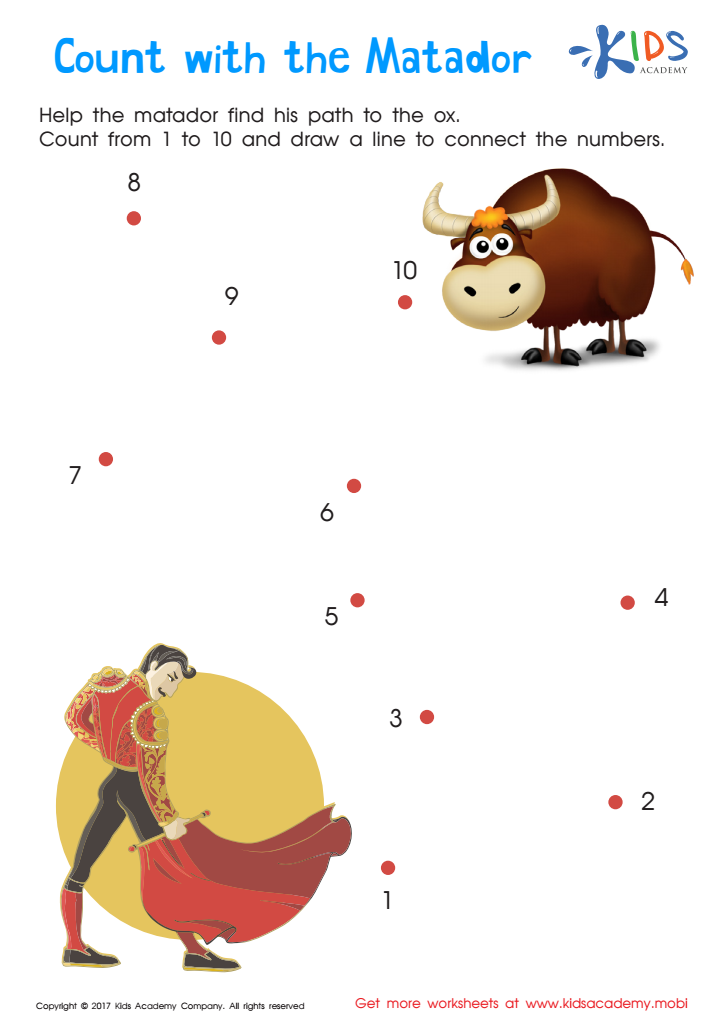
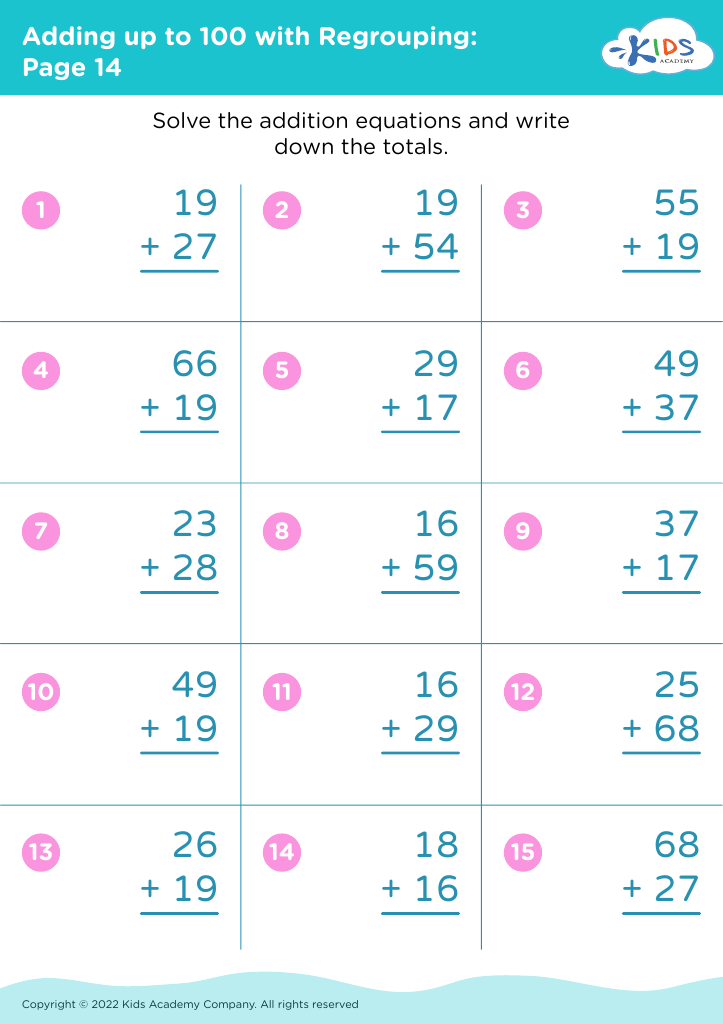
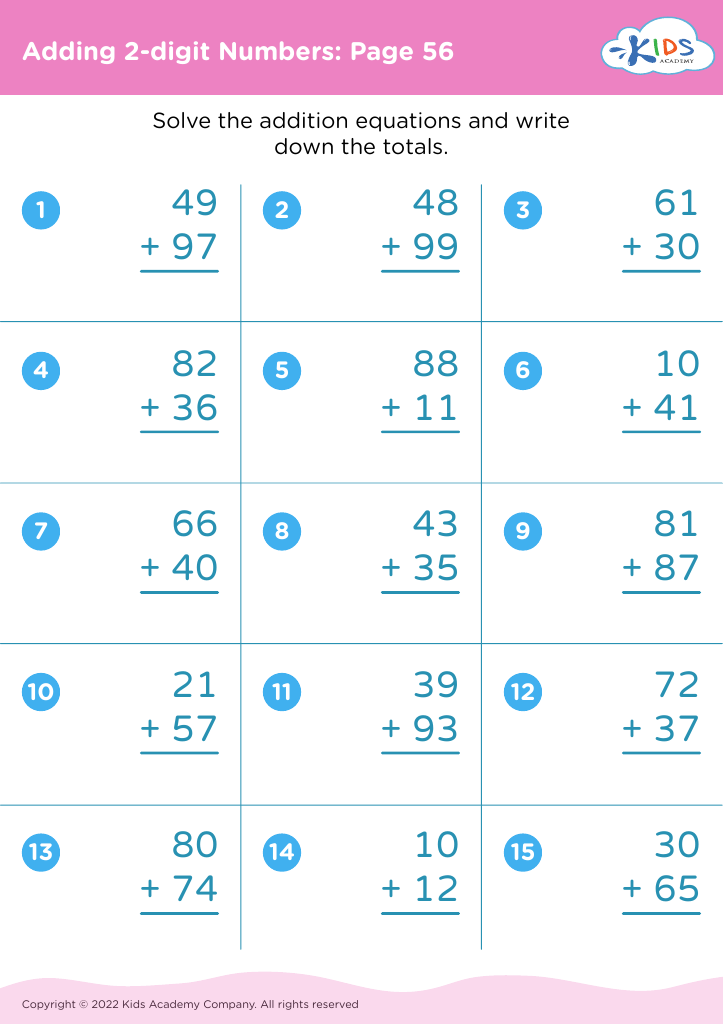
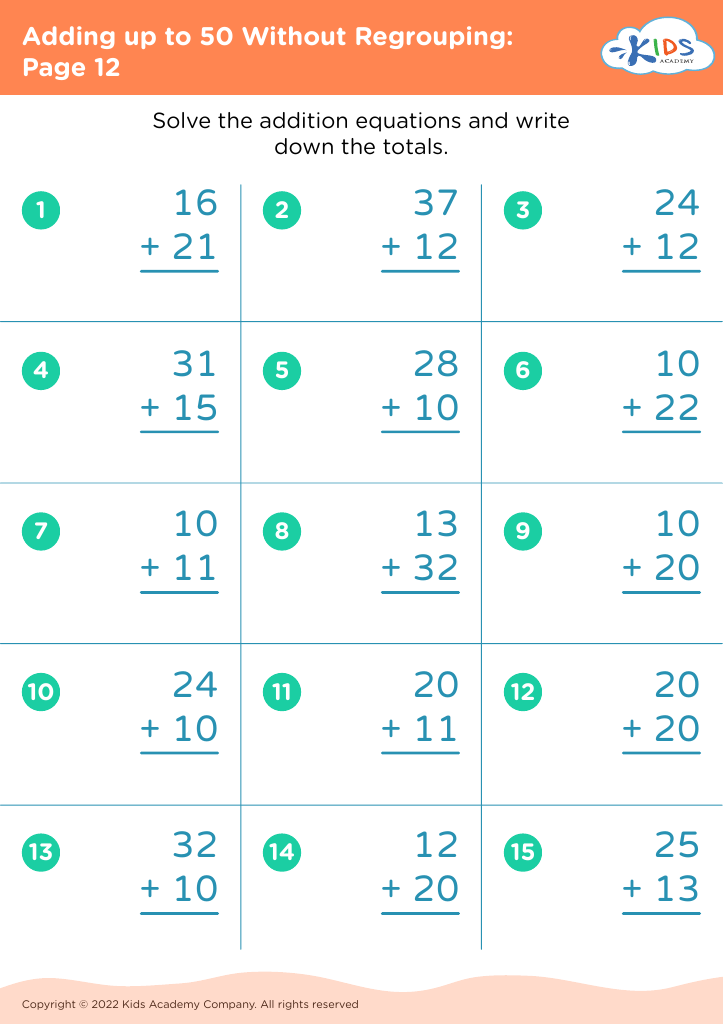
Boost your child's critical thinking skills with our engaging math worksheets designed for ages 5-9! These thoughtfully crafted activities not only enhance mathematical understanding but also promote problem-solving abilities and logical reasoning. Our worksheets encourage kids to analyze, evaluate, and apply their knowledge while having fun with numbers. Tailored to different skill levels, each worksheet features a variety of colorful illustrations and interactive challenges that captivate young learners. Whether at home or in the classroom, these math activities provide a solid foundation for critical thinking essential for future success. Discover the joy of learning with our inspiring worksheets today!
 Assign to My Students








Boosting critical thinking in math for children aged 5-9 is essential for fostering a strong foundation in mathematical understanding and problem-solving skills. During these formative years, children's brains are highly receptive to learning, making it the perfect time to nurture their critical thinking abilities.
When parents and teachers prioritize critical thinking in math, they empower children to go beyond rote memorization and learn to analyze, reason, and solve problems creatively. This foundational skill set enhances their ability to tackle mathematical challenges in innovative ways, leading to greater confidence and independence in their learning journey.
Moreover, critical thinking contributes to a deeper understanding of essential math concepts, which can promote a more positive attitude towards the subject. Children learn to approach problems systematically, explore multiple solutions, and make connections between concepts, which are invaluable skills not only in math but in everyday life.
By investing time and resources in developing critical thinking skills in young learners, parents and teachers prepare them for future academic success and equip them with tools to navigate an increasingly complex world. These skills will serve them well throughout their education and future careers, benefitting both individual learners and society as a whole.








