Color recognition Math Worksheets for Ages 5-9
36 filtered results
-
From - To
Unlock the vibrant world of mathematics with our Color Recognition Math Worksheets designed for children ages 5-9. By combining essential math skills with fun coloring activities, these worksheets make learning both enjoyable and effective. Kids will enhance their number sense, patterns, and problem-solving abilities while distinguishing colors. Each worksheet offers engaging exercises, helping young minds build confidence and enthusiasm for math. Perfect for classroom use or at-home practice, our worksheets provide a rich, interactive learning experience that keeps kids motivated and eager to learn. Download today and see your child's math skills and color recognition flourish together!
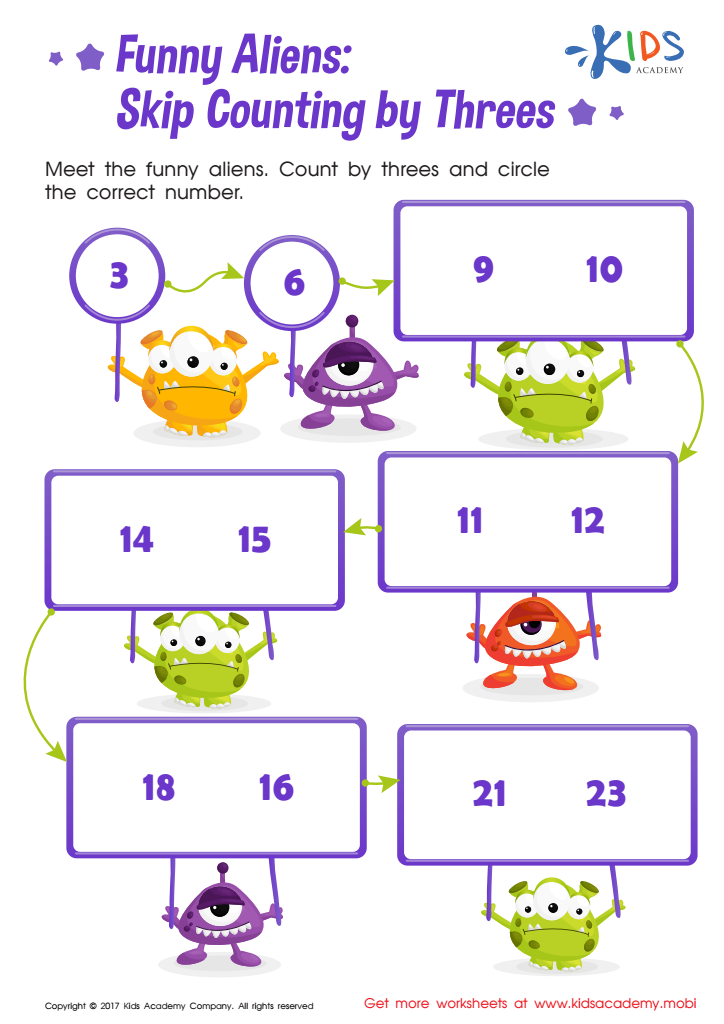
Skip Counting by 3s: Funny Aliens Printable
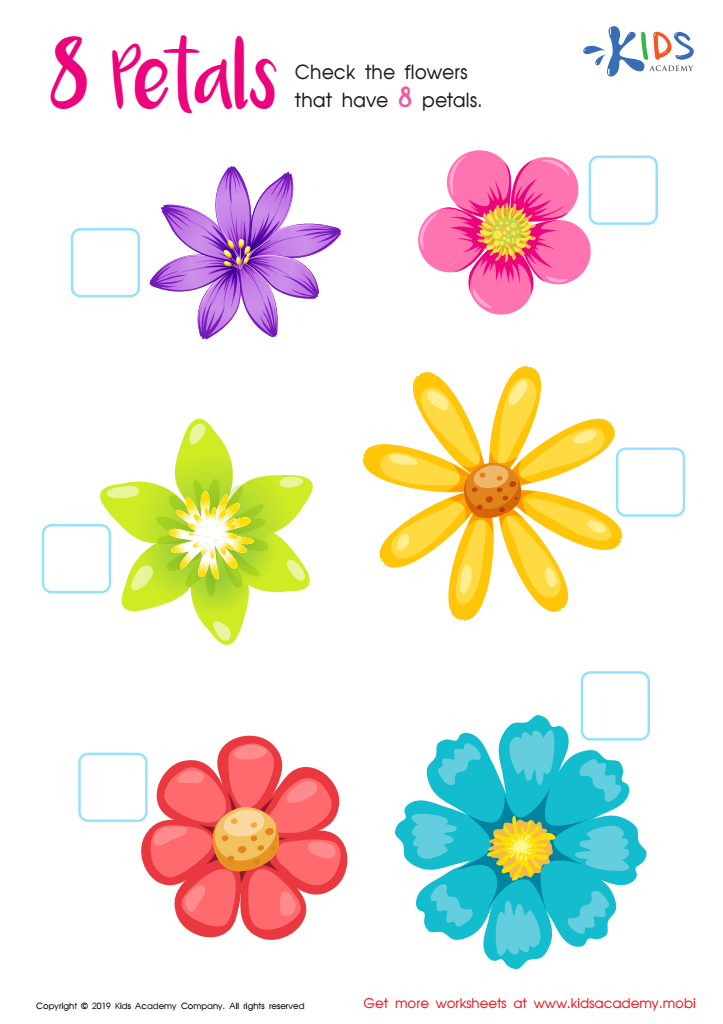
8 Petals Worksheet
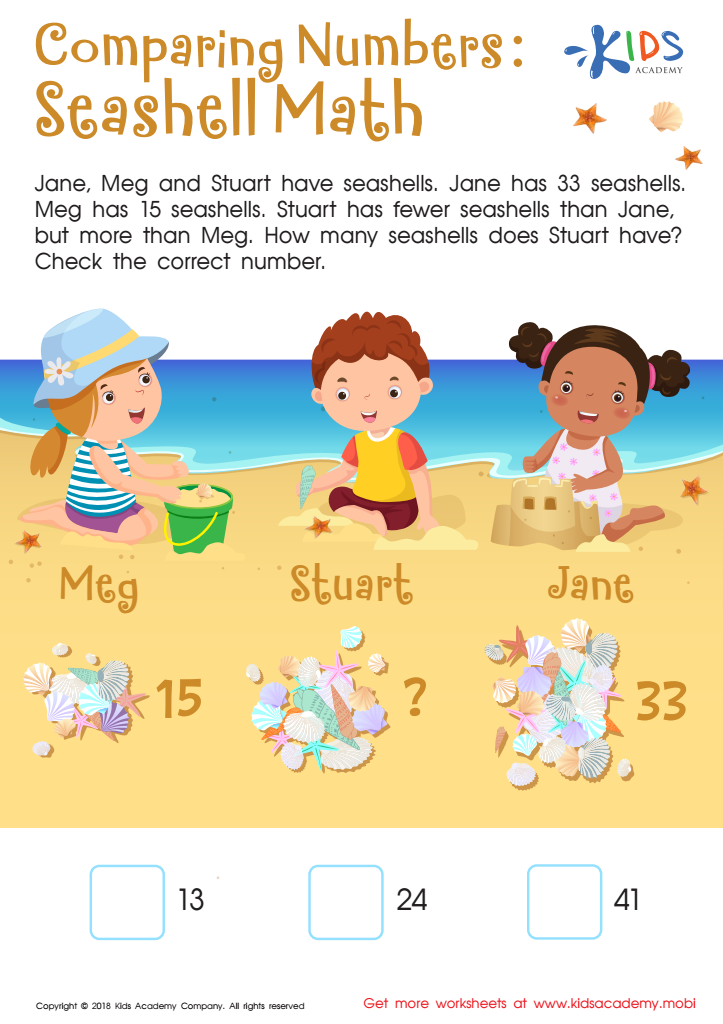
Seashell Collectors Worksheet
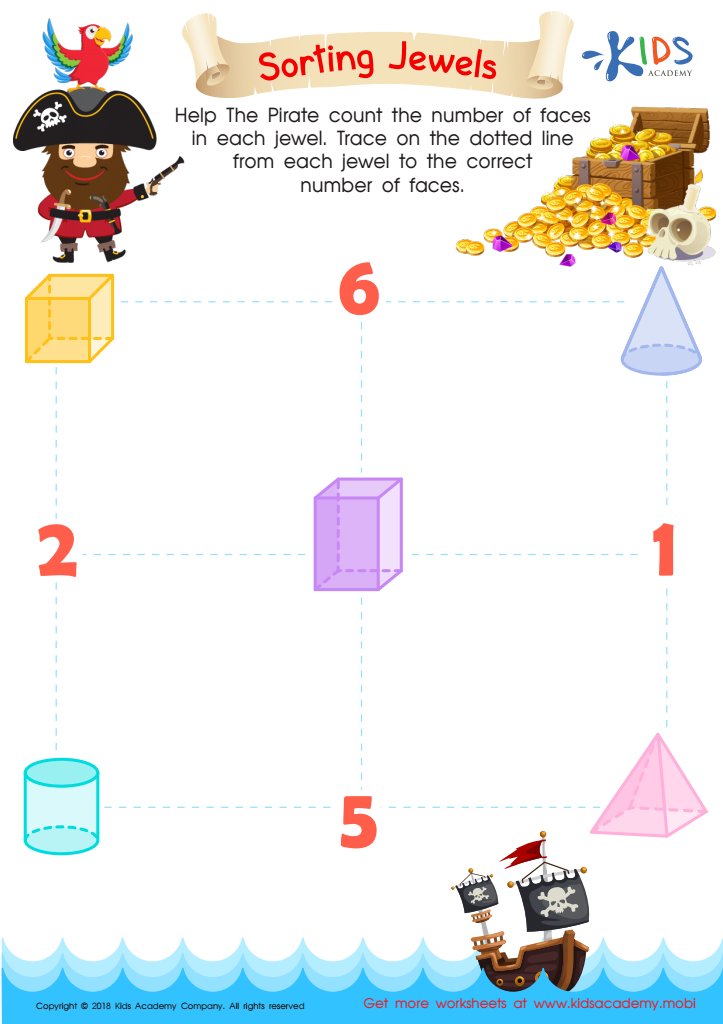
Sorting Jewels Worksheet
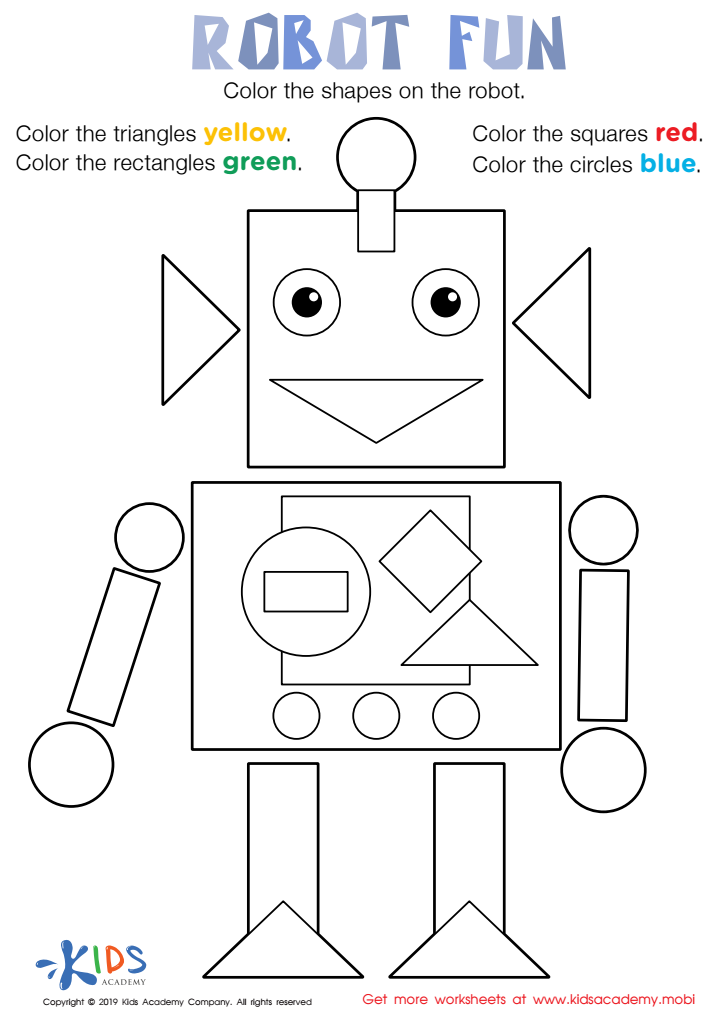
Robot Fun Worksheet
 Assign to My Students
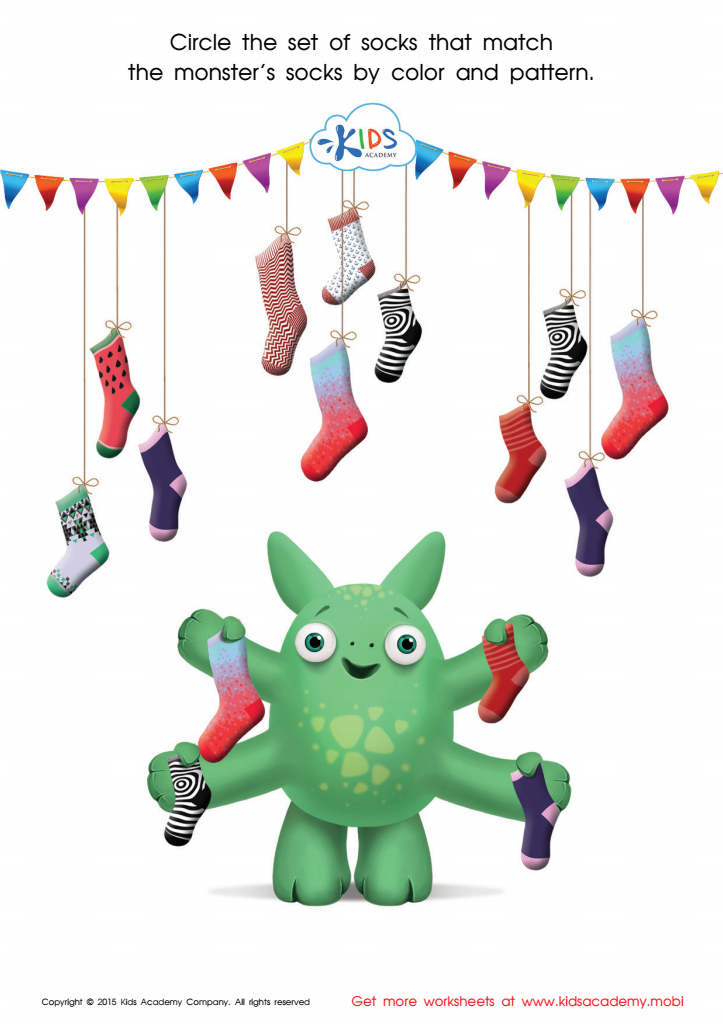
Sort the Monster's Socks Worksheet
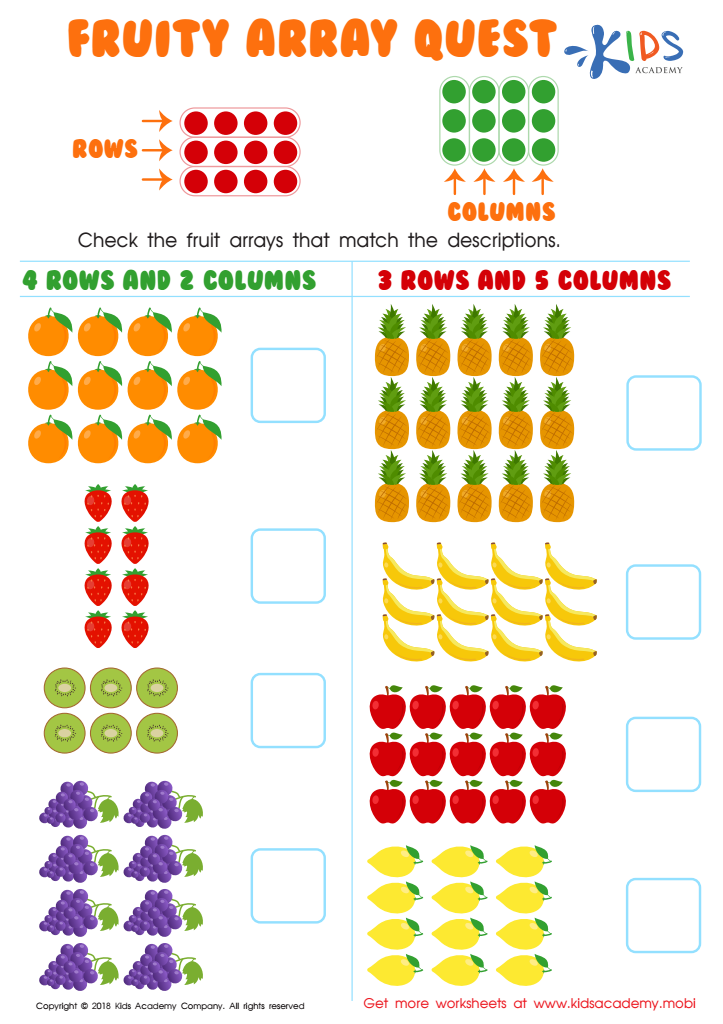
Fruity Array Quest Worksheet
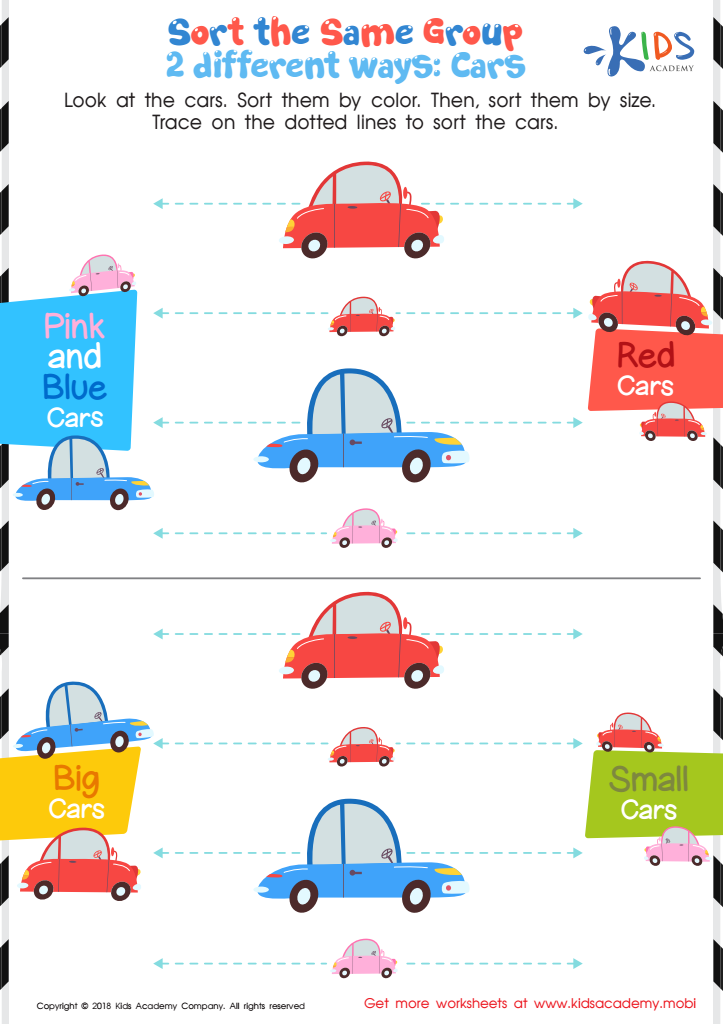
Sort the Same Group 2 Different Ways: Cars Worksheet
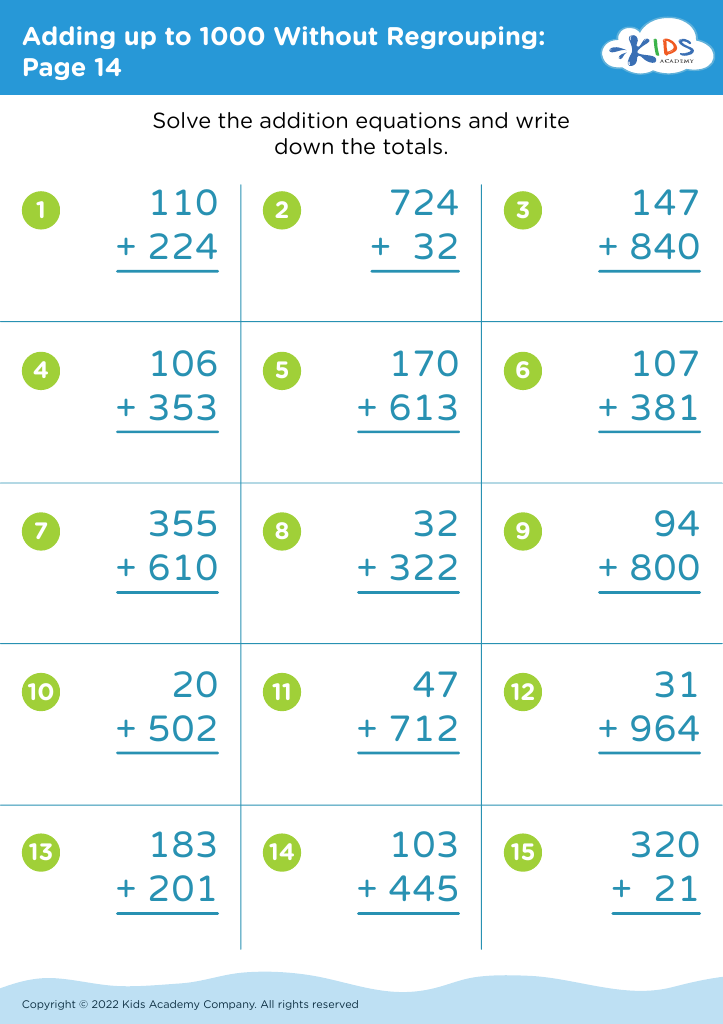
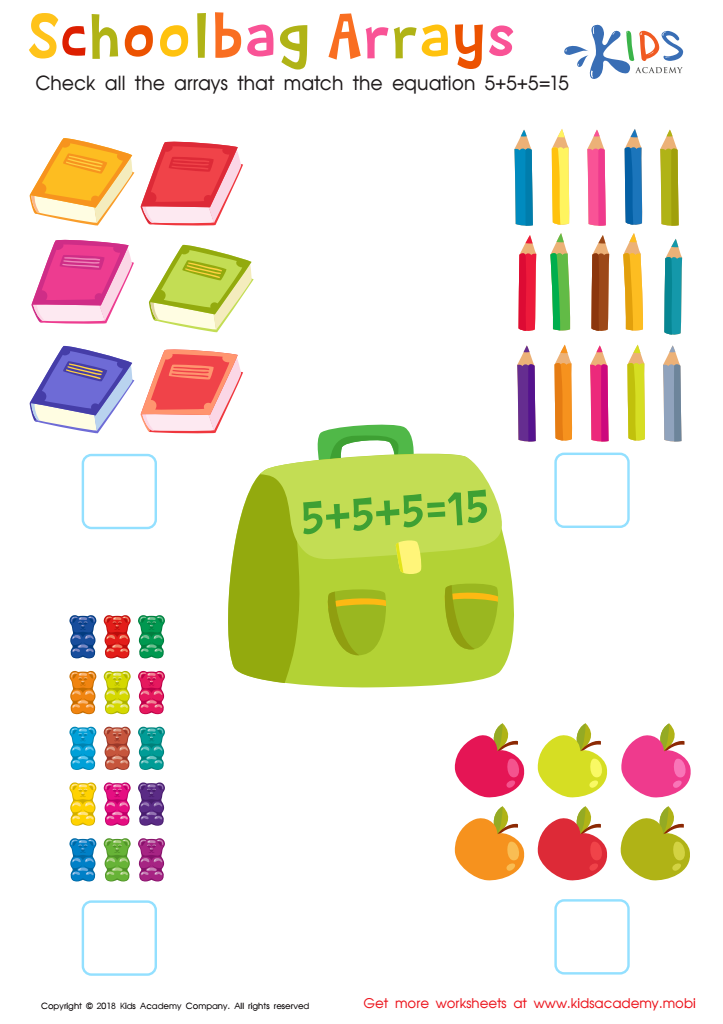
Schoolbag Arrays Worksheet
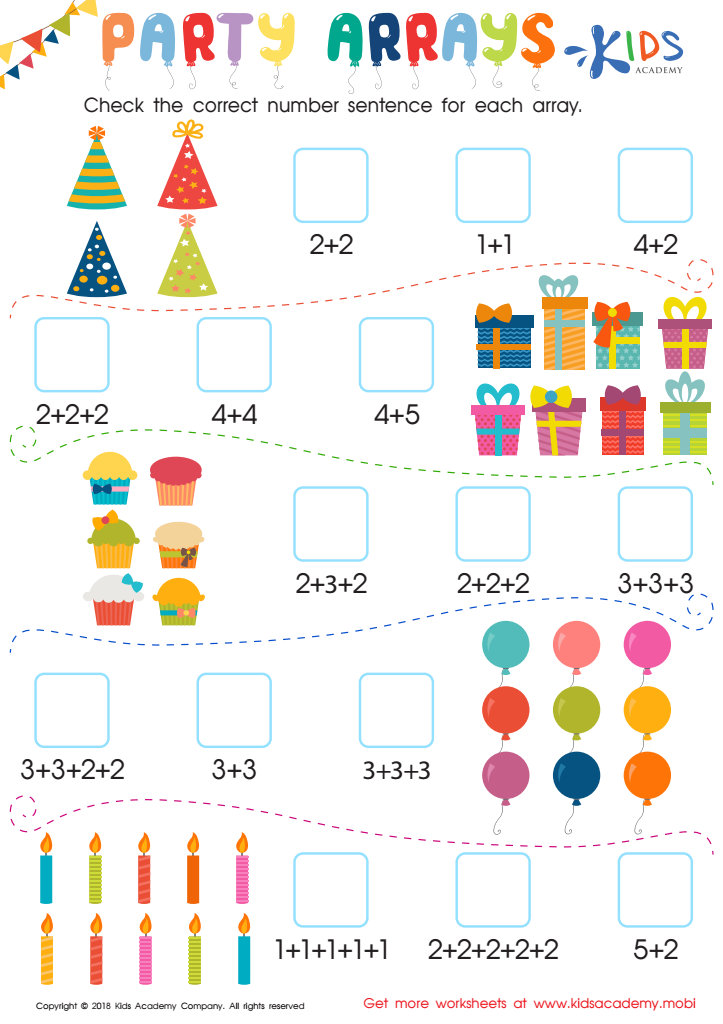
Party Arrays Worksheet
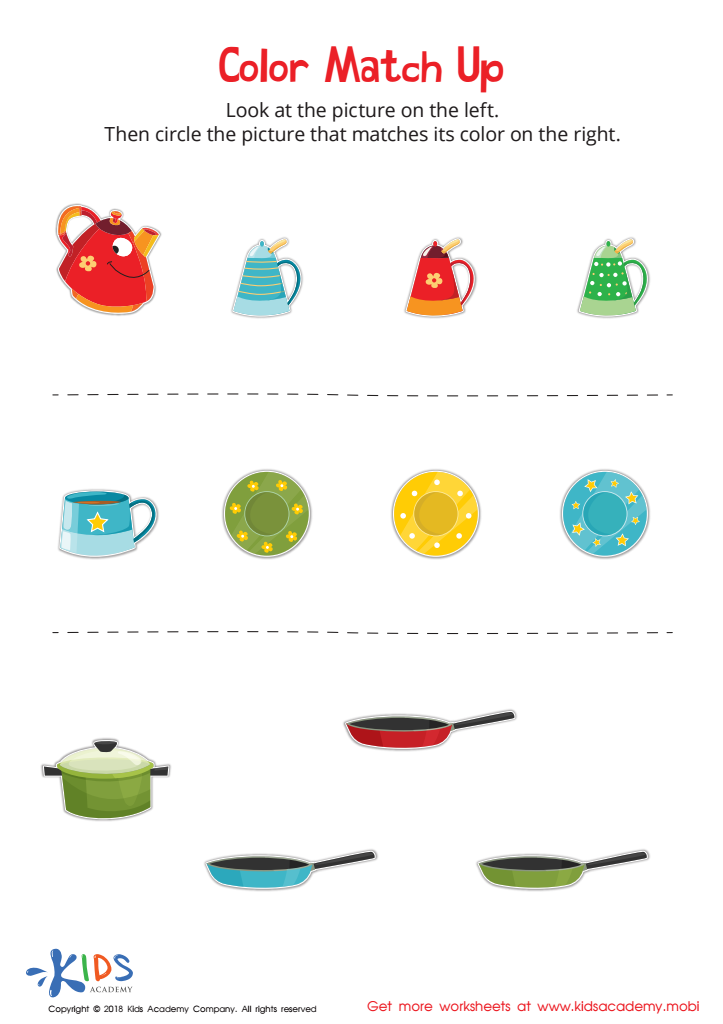
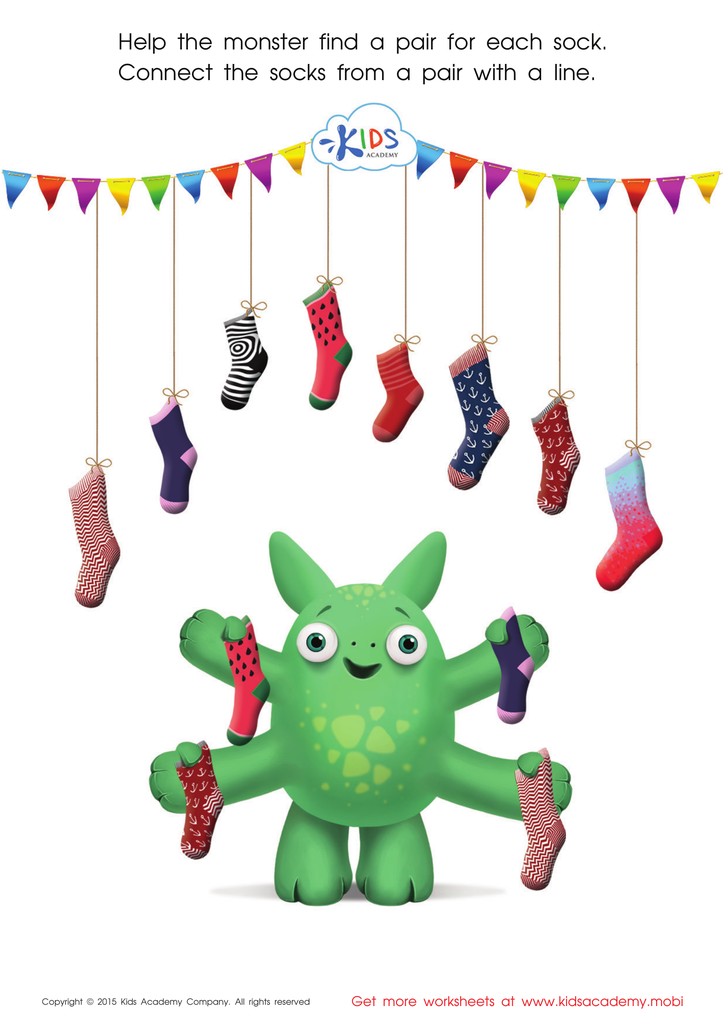
Math Matching Game: Monsterв's Socks Worksheet
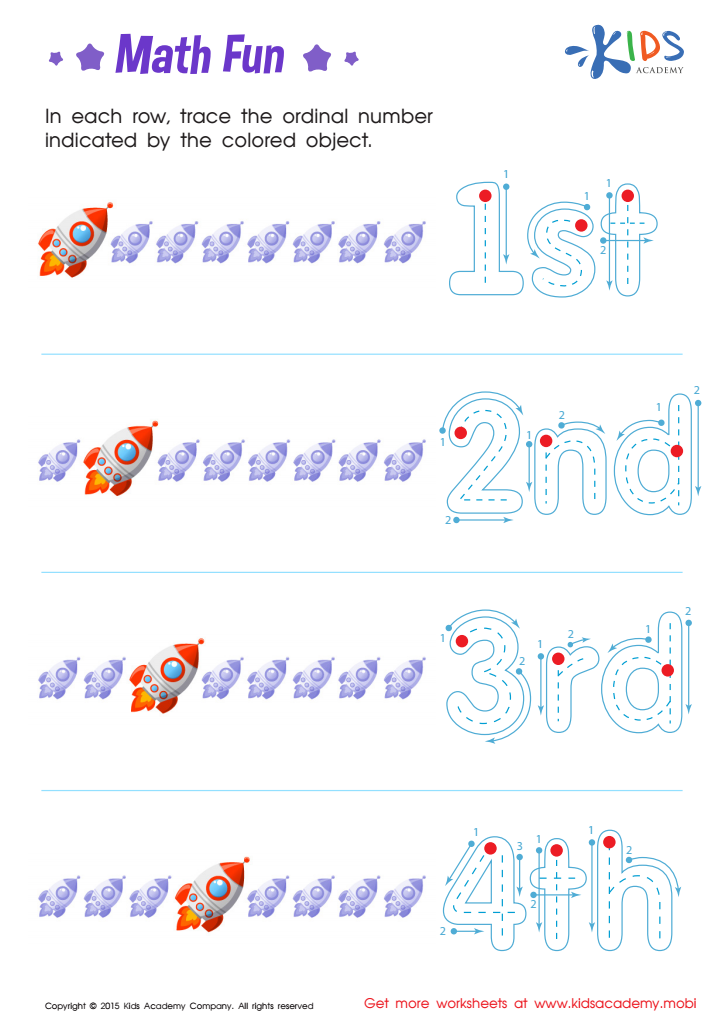
Ordinal Numbers: Math Fun Worksheet
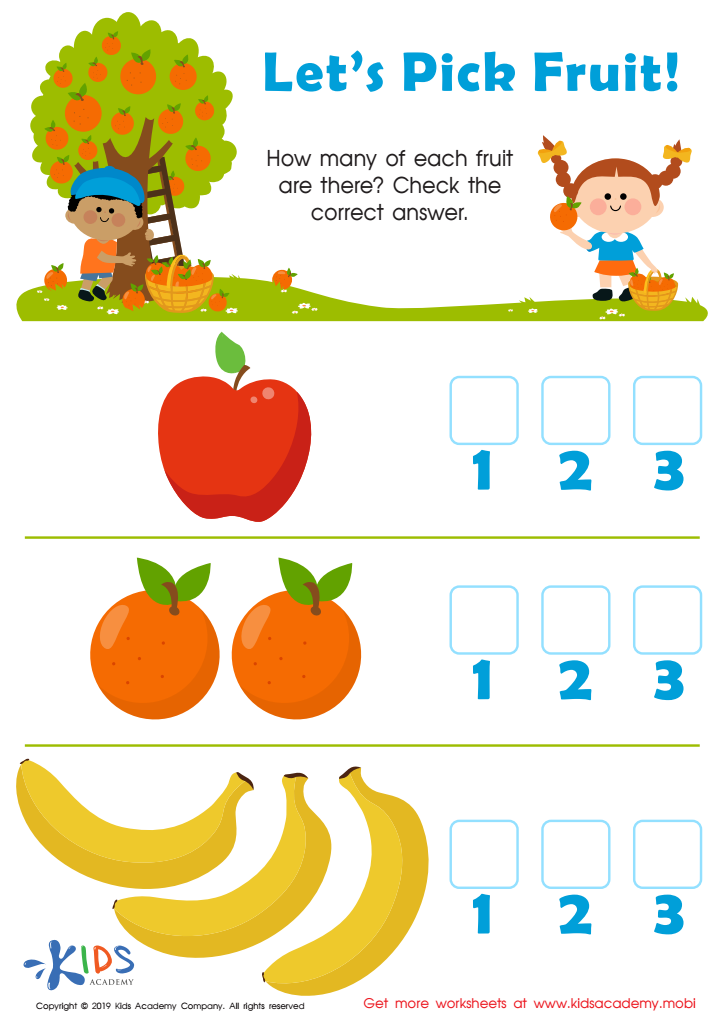
Let's Pick Fruit Worksheet







Color recognition in math education for ages 5-9 is crucial for several reasons. First, it enhances cognitive development. At this age, children are developing their visual and cognitive skills, making color an effective tool for learning. Color coding helps them distinguish between different groups and categories, improving comprehension and memory.
Second, color recognition supports problem-solving abilities. By associating different colors with specific math concepts (like operations, fractions, or shapes), children can more quickly and accurately solve problems. This visual cue reduces cognitive load, allowing them to focus on understanding the problem rather than getting lost in symbols and numbers.
Third, incorporating color can make learning more engaging and enjoyable. Bright, colorful materials capture children’s attention better than monochromatic ones, increasing their motivation and interest in the subject.
Fourth, it fosters early mathematical language development. As children learn to articulate the colors they see in patterns and problems, they also learn to describe math concepts, aiding in verbal and written communication skills.
Lastly, color recognition in math boosts confidence, especially for visual learners. Successfully completing color-coded tasks instills a sense of achievement, encouraging a proactive attitude towards math. Combining color with mathematical concepts thus equips young learners with both a deeper understanding and a more positive attitude toward math.








