Critical Thinking Math Worksheets for Ages 5-9 - Page 3
52 filtered results
-
From - To
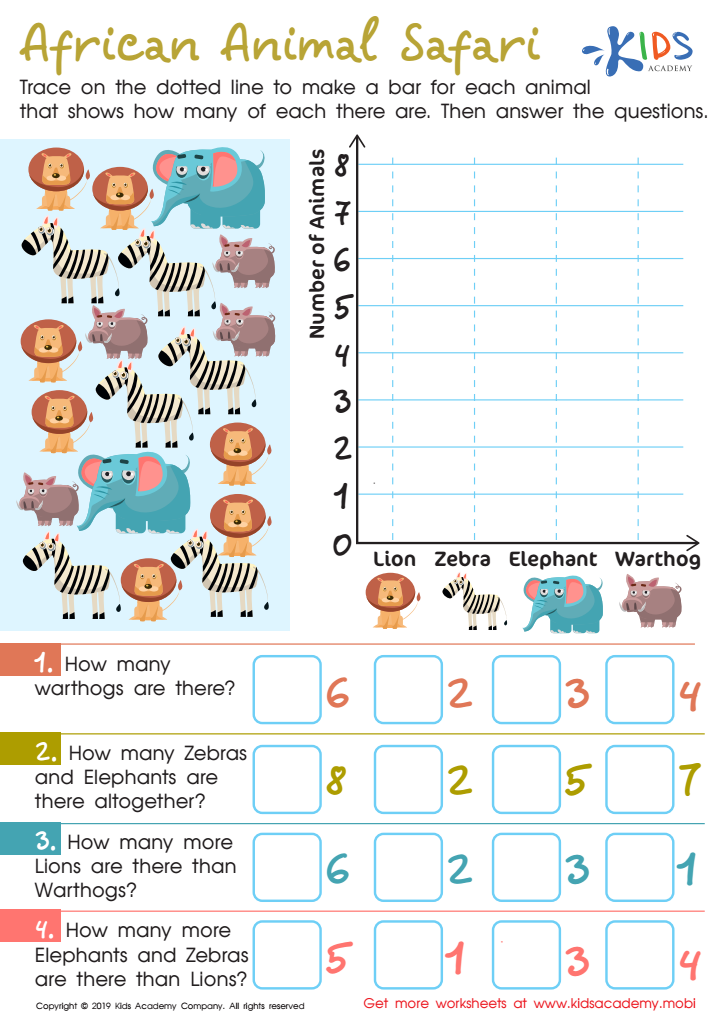
African Animal Safari Worksheet
 Assign to My Students
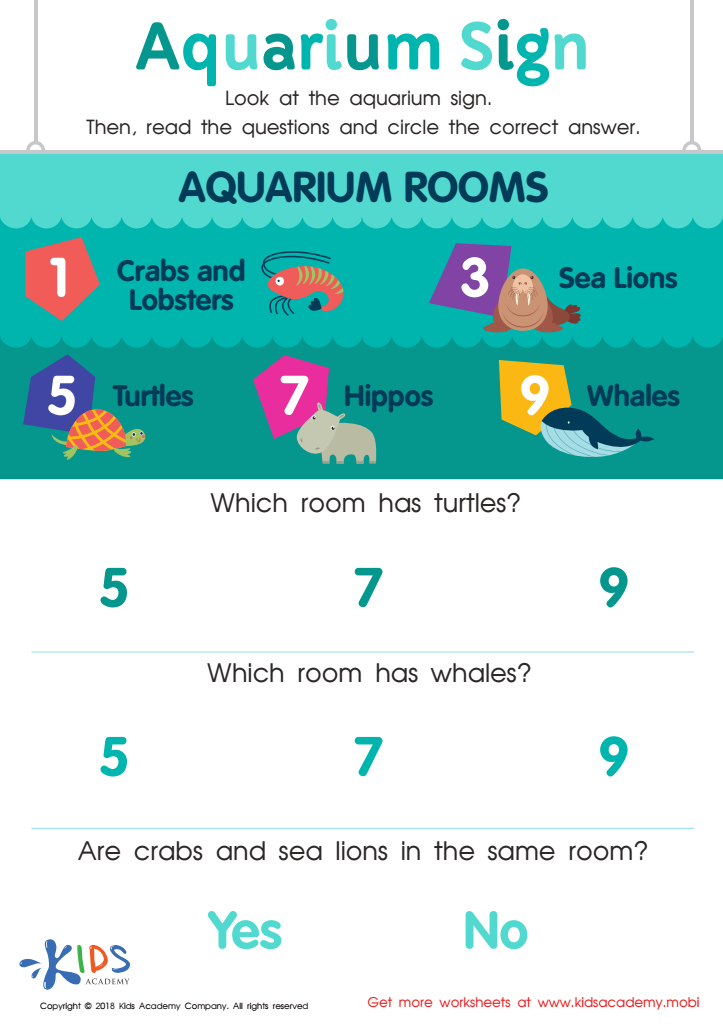
Assessment: Aquarium Sign Worksheet

World Traveler Worksheet








Critical Thinking Math for ages 5-9 is essential because it lays the foundation for problem-solving skills that children will use throughout their lives. At this developmental stage, children are naturally curious and receptive to learning, making it an ideal time to introduce complex concepts through engaging, hands-on experiences. Encouraging critical thinking in math helps children develop skills such as analysis, deduction, and reasoning, which are crucial not just in mathematics but in all areas of life.
Moreover, cultivating critical thinking skills early fosters a love for learning and mathematics, reducing math anxiety as children progress to more advanced topics. This approach also promotes creativity in problem-solving; rather than simply memorizing algorithms, children learn to explore multiple ways to reach a solution.
Parents and teachers must invest in such programs as they prepare children for an increasingly complex world. In a technology-driven society, the ability to think critically and solve problems effectively is invaluable. Emphasizing critical thinking in math nurtures independent thinkers who can face everyday challenges, contributes to academic success, and equips them with skills that will be essential in their future careers, regardless of the path they choose.








