
Develop problem-solving skills Math Worksheets for Ages 5-9
10 filtered results
Difficulty Level
Grade
Age
-
From - To
Subject
Activity
Standards
Boost your child's confidence in math with our engaging problem-solving skills worksheets designed for ages 5-9. Our collection helps young learners develop critical thinking through fun, interactive activities. Tailored to meet educational standards, these worksheets cover a range of topics, from basic arithmetic to logic puzzles, ensuring comprehensive skill-building. Perfect for classroom use or at-home practice, each worksheet offers clear instructions to facilitate independent learning. Spark your child's curiosity and foster a love of math today with our expertly crafted resources. Join Kids Academy and watch your child thrive!
Favorites
With answer key
Interactive
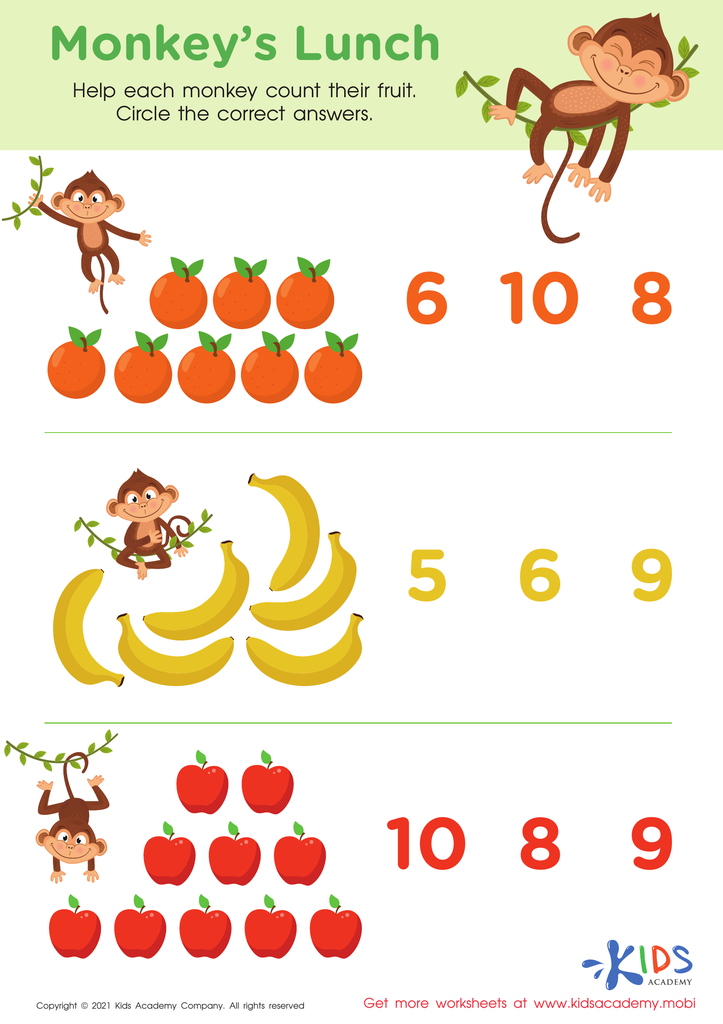
Monkey’s Lunch Worksheet
Download this free worksheet to help your kindergartner perfect their counting skills! Have your child circle the correct answers and count the fruits for the monkeys. It'll seem like fun, but your child is really learning how to count, group objects, and identify numbers.
Monkey’s Lunch Worksheet
Worksheet
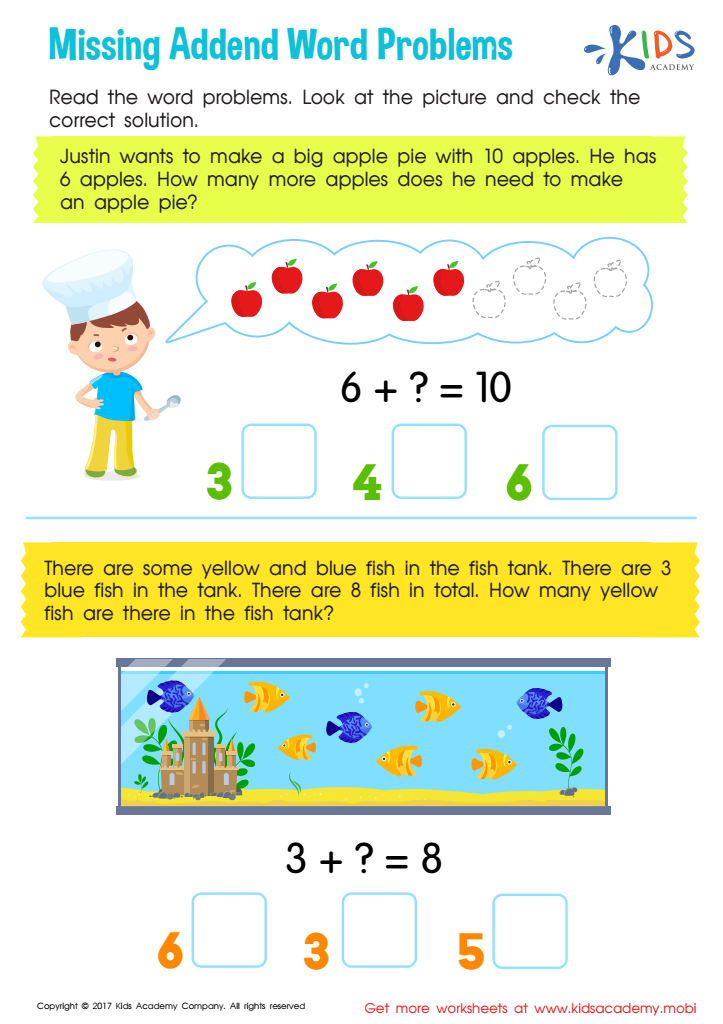
Missing Addend Word Problems Worksheet
Doing many addition and subtraction problems is key for fluency and mastery. Word problems can help kids understand how math works in everyday life. Our math worksheet uses fun scenarios and pictures to teach how to find the missing addend. It's the perfect tool to help kids understand math better!
 Assign to My Students
Missing Addend Word Problems Worksheet
Worksheet
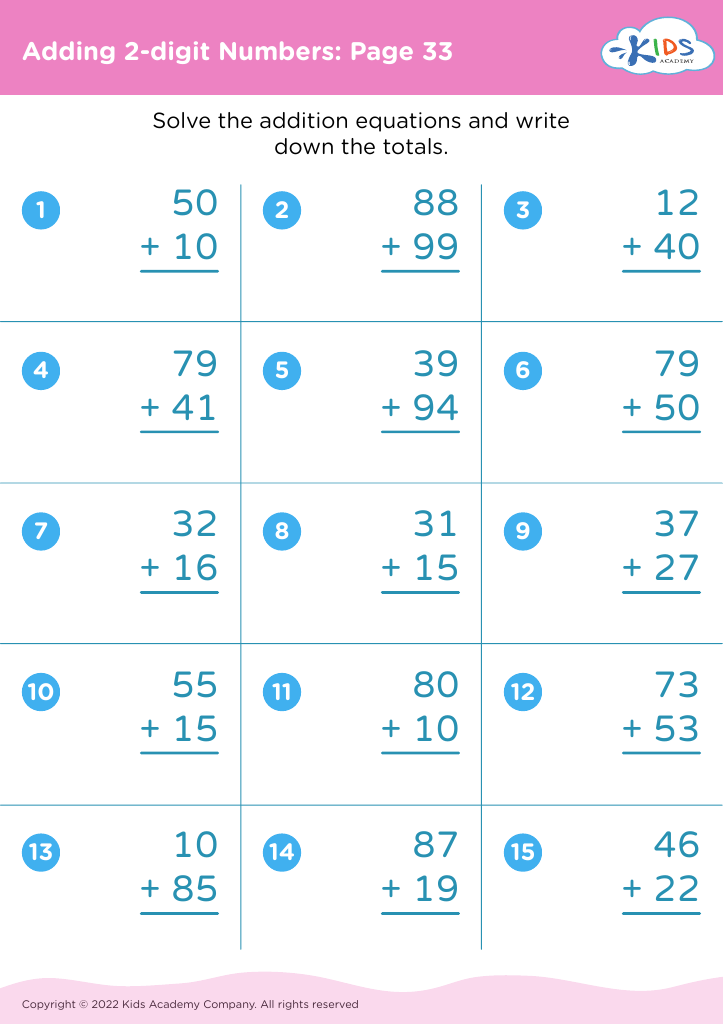
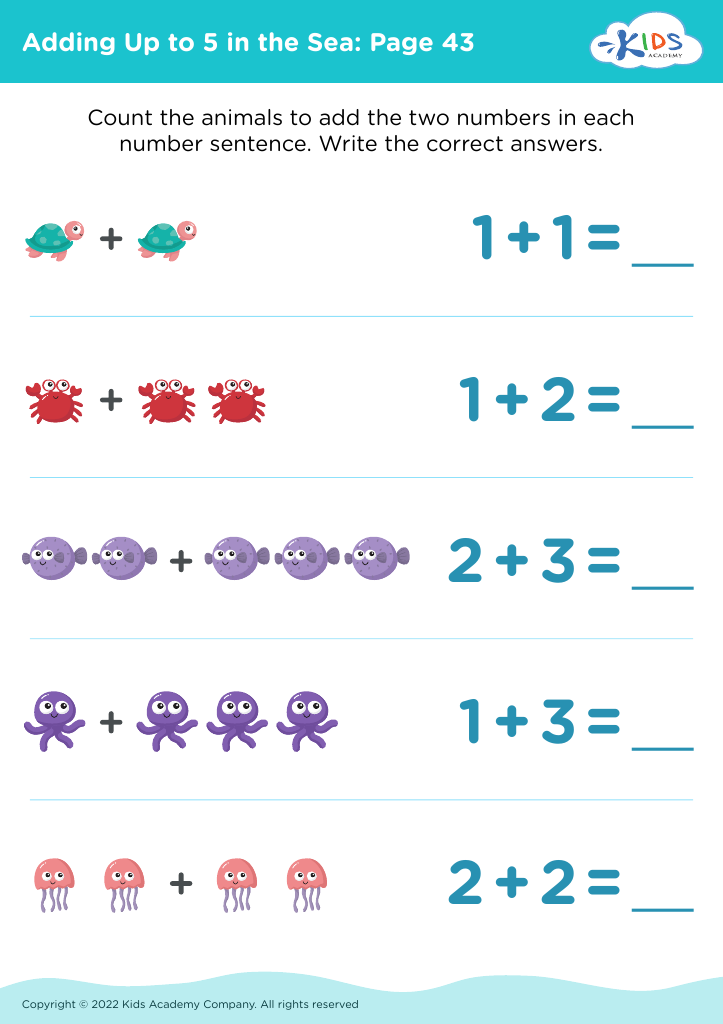
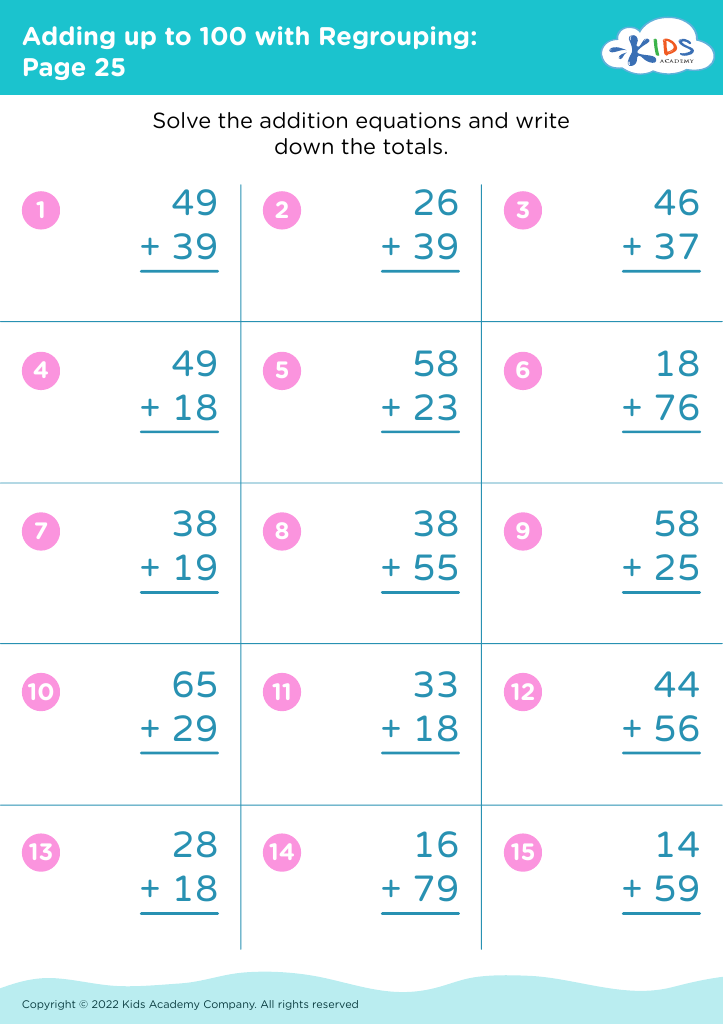
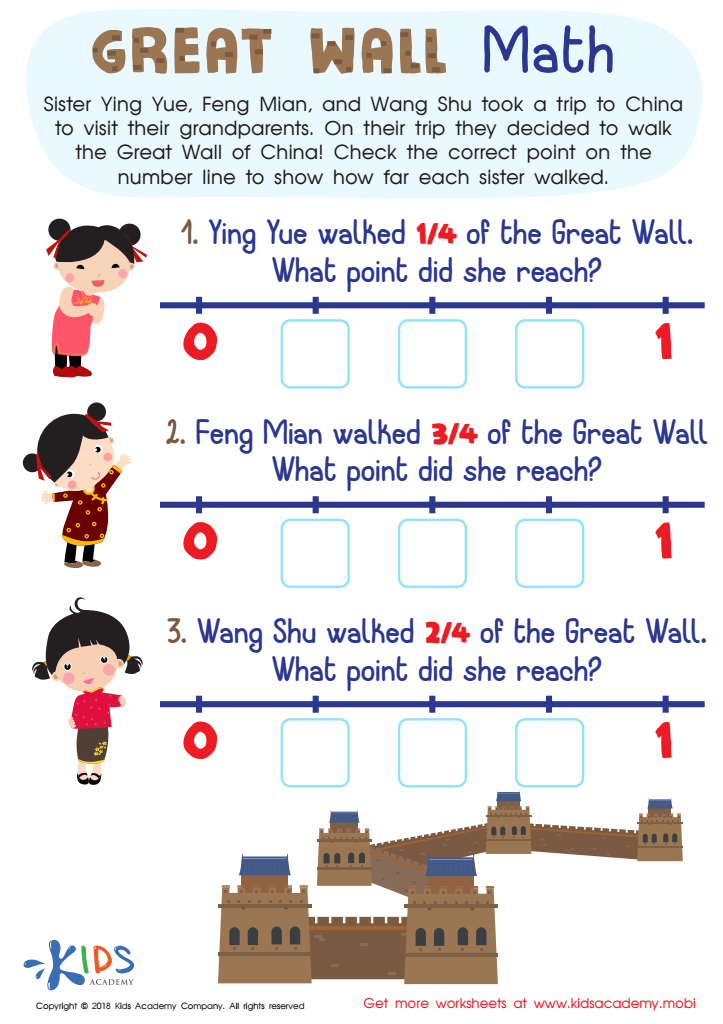
Great Wall Math Worksheet
Let your kids learn about fraction and history with this printout about the Great Wall of China. Three sisters take a trip to China to visit their grandparents and decide to walk the Great Wall. Ask them to study the pictures and pick the correct point on the number line to show how far each sister went. How about you: has your child ever been to China?
Great Wall Math Worksheet
Worksheet
Join Kids Academy for Free
Who is primarily going to use this learning content?




.jpg)



Parents and teachers should prioritize developing problem-solving skills in math for children ages 5-9 because these early years are foundational for cognitive and social development. Math isn't just about numbers—it's about thinking critically, planning, reasoning, and making decisions. When children engage in problem-solving activities, they strengthen essential skills such as logical thinking, pattern recognition, and perseverance.
Firstly, problem-solving fosters an inquisitive mindset. It encourages children to ask questions and explore multiple pathways to reach solutions, which can ignite a lifelong love of learning. Secondly, these skills are transferrable beyond math; they aid in understanding complex problems in science, making strategic decisions in games, and navigating everyday challenges like time management and organizational skills.
Additionally, developing problem-solving skills builds confidence. As children successfully tackle challenging problems, their self-esteem grows, positively impacting their academic and personal lives. Early competence in math sets the stage for future achievement in more advanced subjects, preventing math anxiety or reluctance to engage with STEM fields later on.
Furthermore, collaborative problem-solving develops social skills. By working together, children learn to communicate, listen, share ideas, and solve conflicts—preparing them to collaborate effectively in diverse environments throughout life. In summary, emphasizing math problem-solving skills in early education equips children with a robust toolkit for lifelong success.








