Developing fine motor skills Math Worksheets for Ages 5-9
5 filtered results
-
From - To
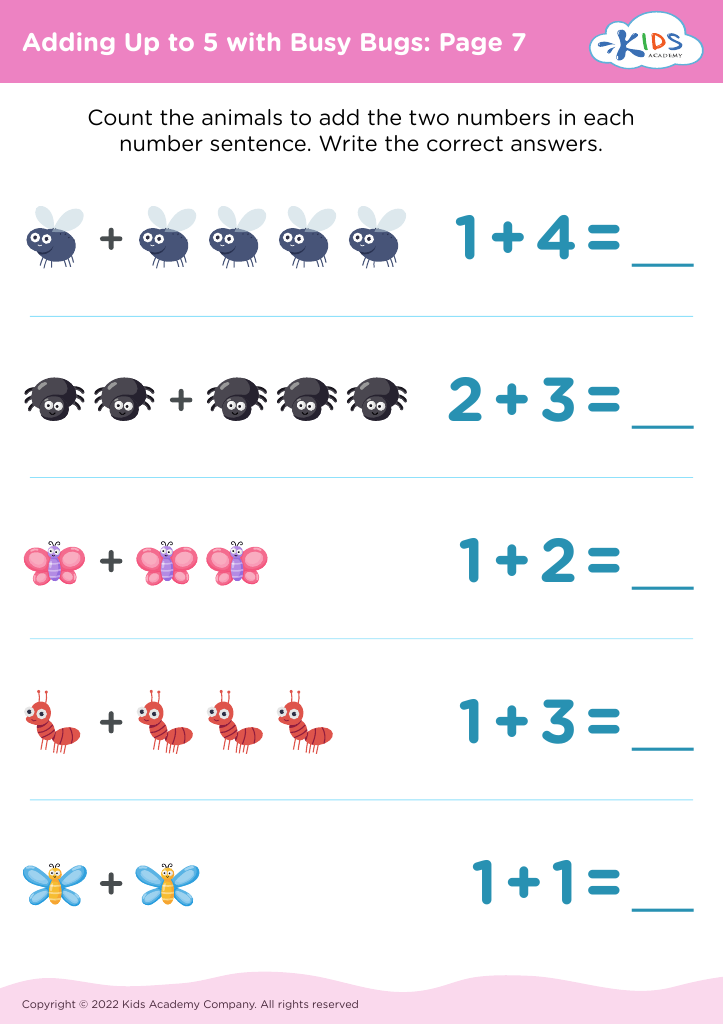
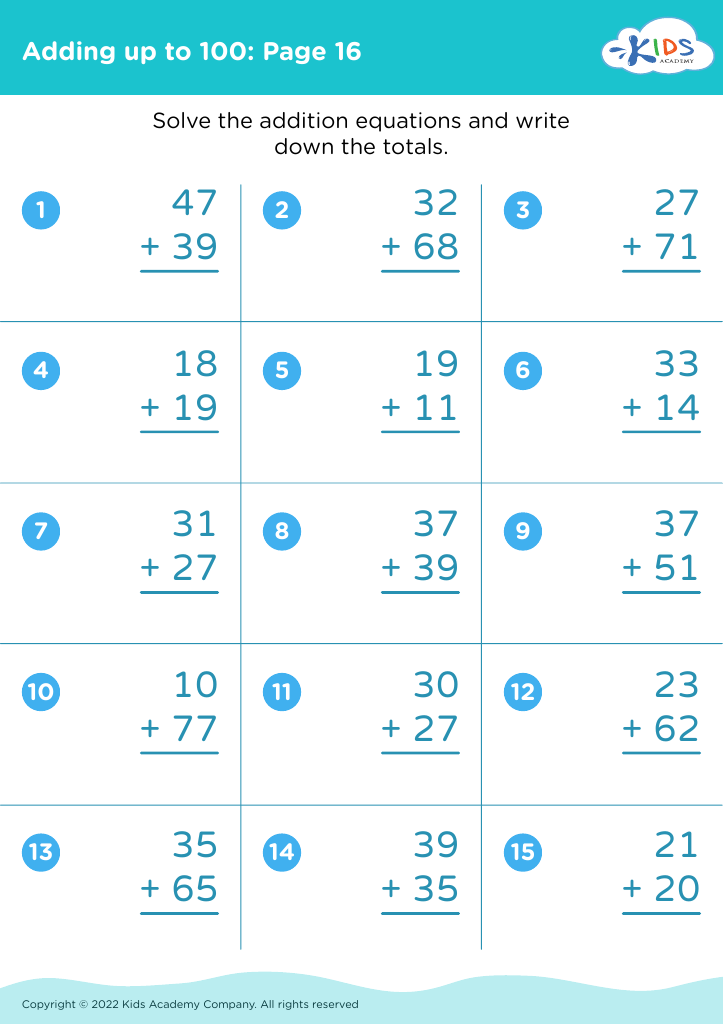
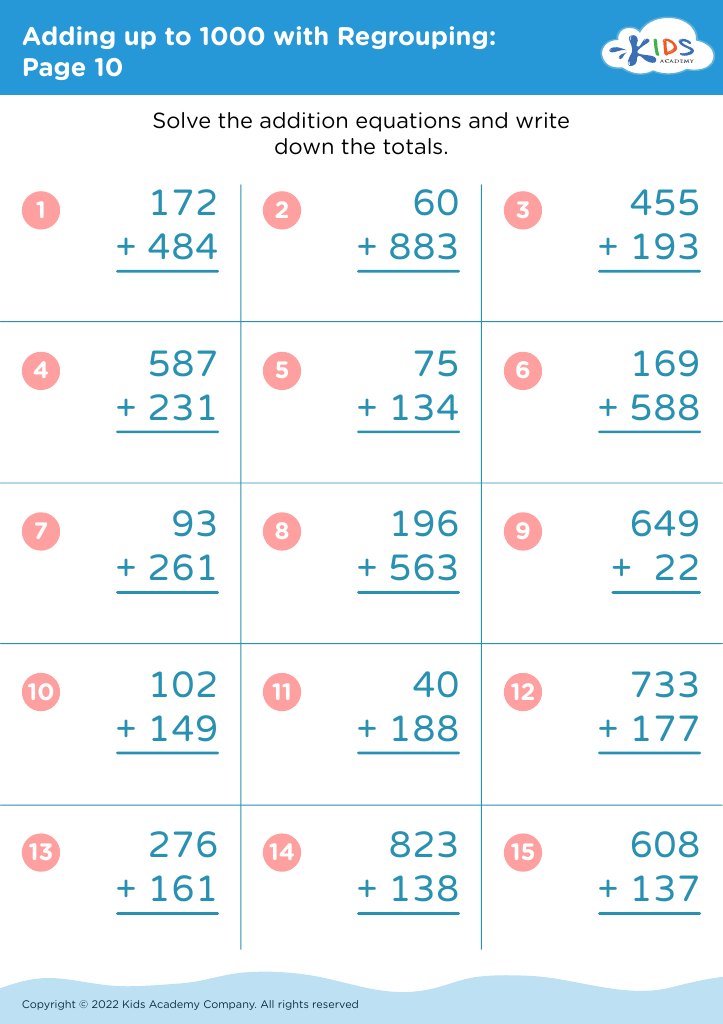
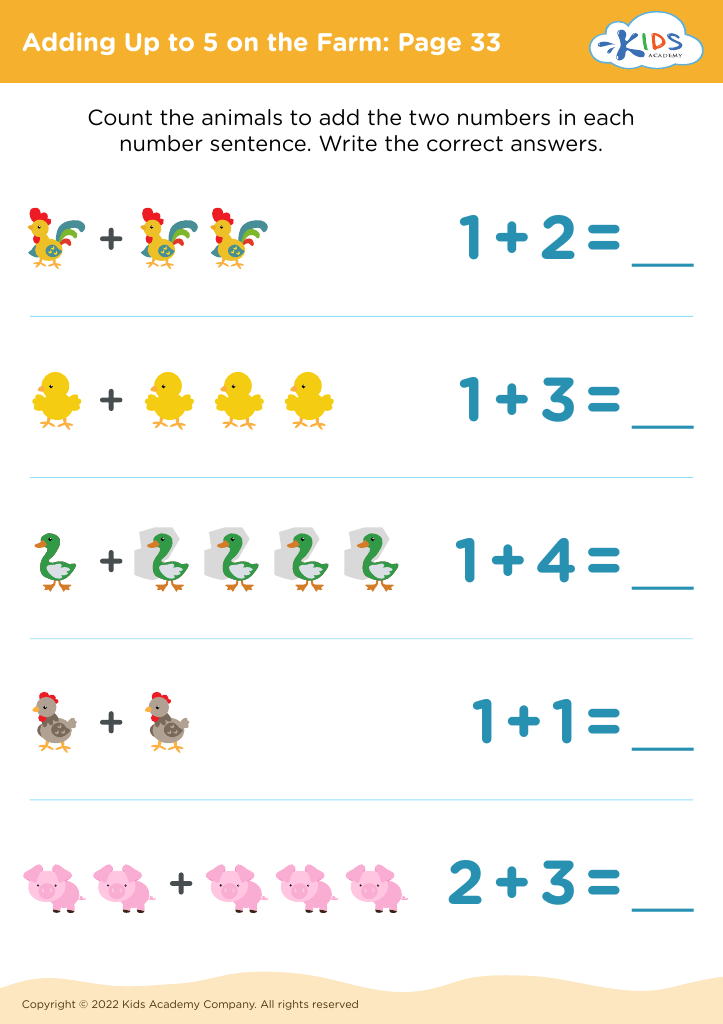
Enhance your child's fine motor skills while introducing them to the world of math with our engaging worksheets designed for ages 5-9. Our printable math activities focus on essential skills such as writing numbers, manipulating objects, and practicing hand-eye coordination. With a variety of fun and interactive tasks, these worksheets aid in improving dexterity and provide a solid foundation in early math concepts. Perfect for home or classroom use, they encourage creativity and learning through play. Boost your child's confidence and love for numbers while developing crucial fine motor abilities! Explore our collection and watch your young learner thrive!
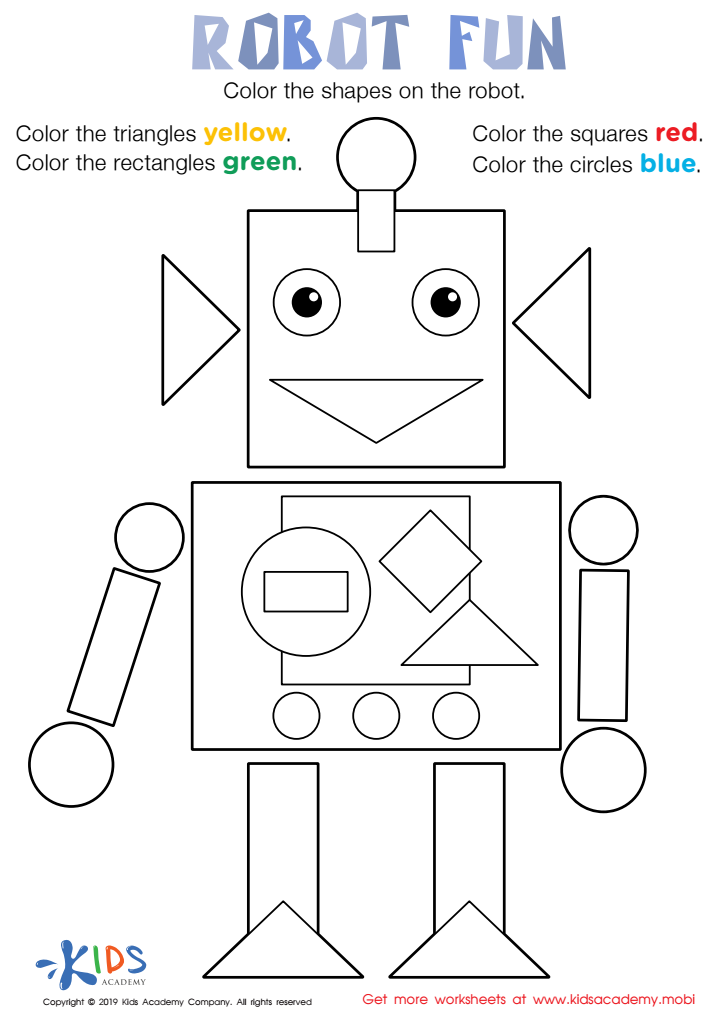
Robot Fun Worksheet
 Assign to My Students







Developing fine motor skills in children ages 5-9 is crucial, particularly in the context of mathematics. At this age, children are not only honing their hand-eye coordination but also strengthening their ability to manipulate objects, which plays a significant role in math-related tasks. Fine motor skills enable children to effectively use tools like pencils, scissors, and rulers, facilitating activities such as drawing shapes, measuring, and creating graphs.
By mastering these skills, young learners gain confidence in their mathematical abilities, leading to improved problem-solving and calculation skills. Engaging in tactile activities, like building with blocks or using manipulatives, enhances understanding of mathematical concepts, making abstract ideas more concrete.
Additionally, parents and teachers should recognize that fine motor skill development is interconnected with overall cognitive development. As children practice these skills, they gain greater control and dexterity, which can enhance their focus and attention during math activities. Supporting this development can also create a joy for learning, as children see tangible results from their efforts. In summary, fostering fine motor skills is essential for young learners as they navigate the foundational stages of mathematics, setting them up for success in their educational journey.








