Enhance fine motor skills Math Worksheets for Ages 5-9
5 filtered results
-
From - To
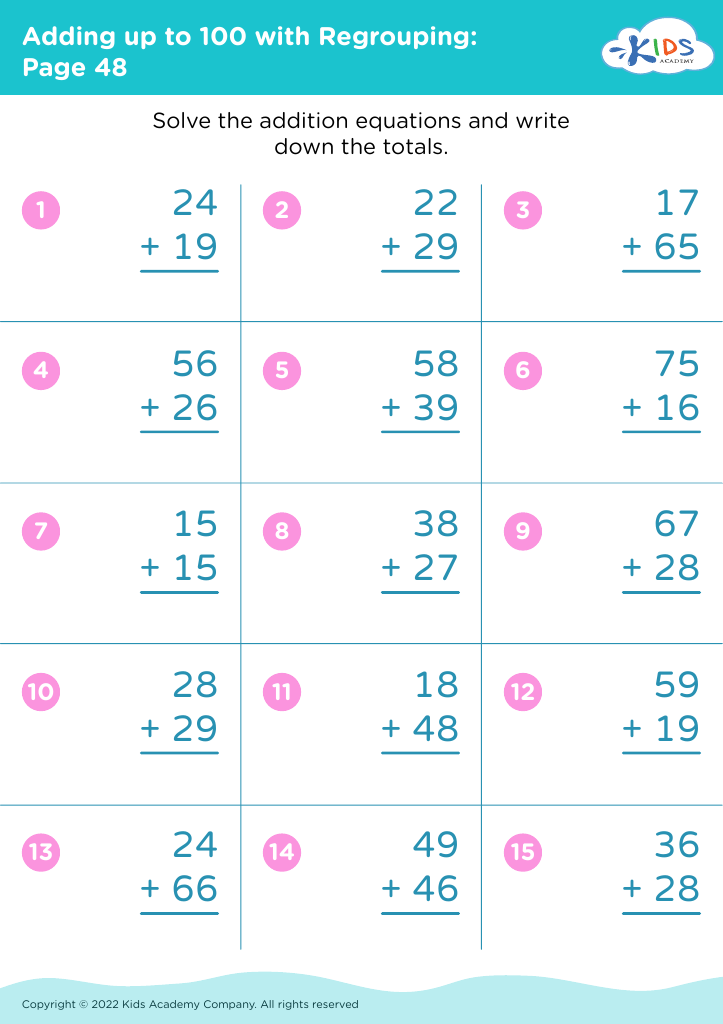
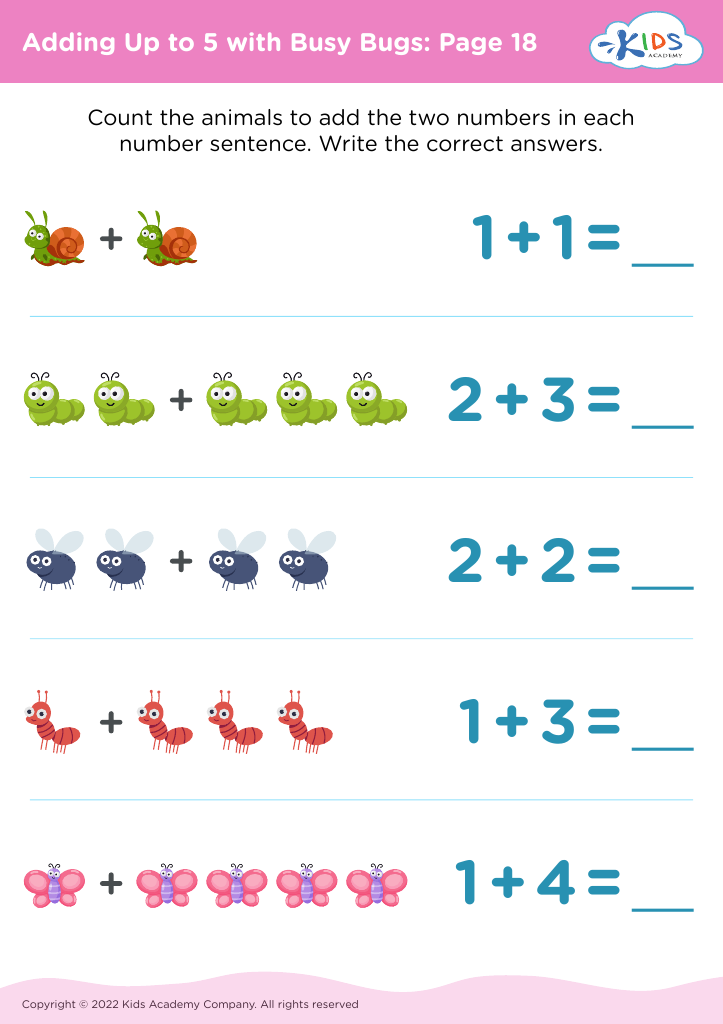
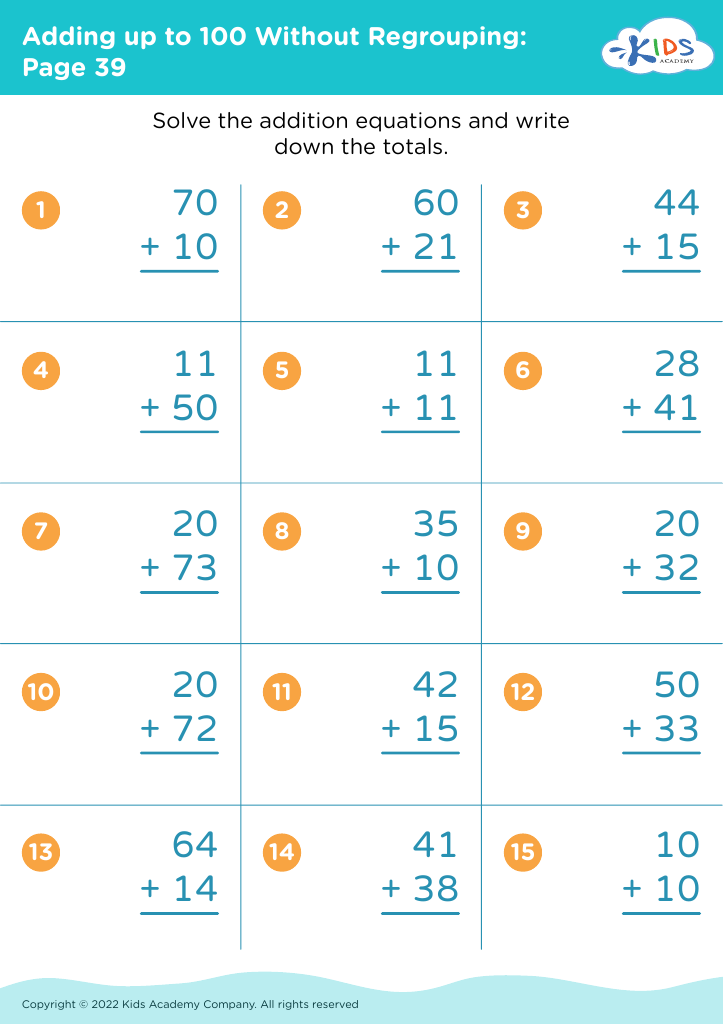
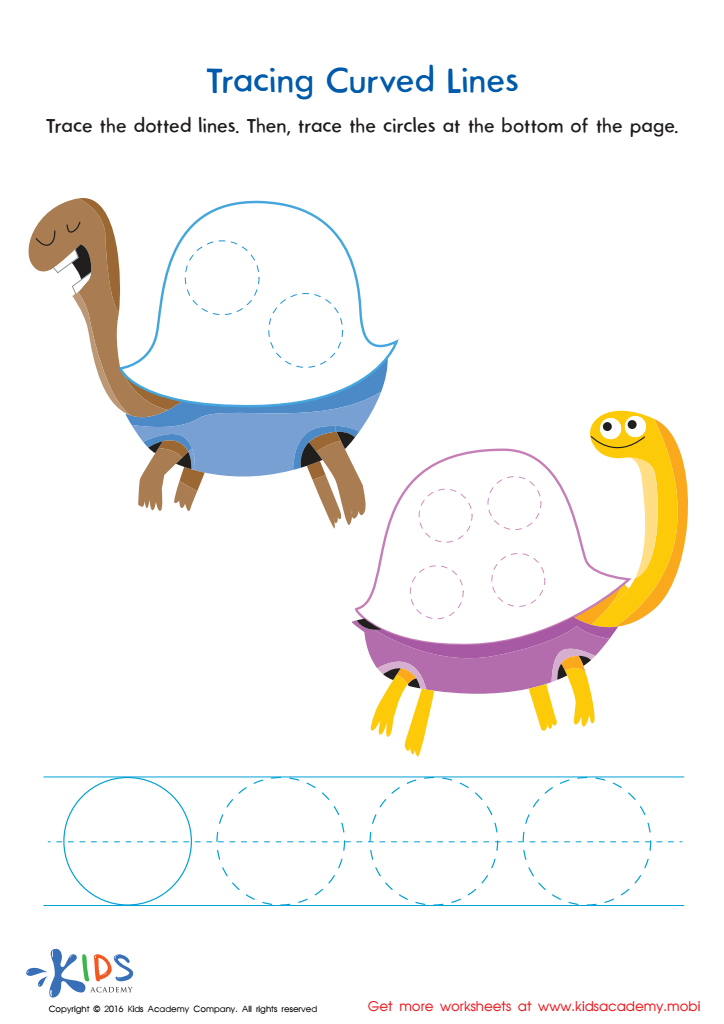
Boost your child's fine motor skills with our engaging Math Worksheets designed for ages 5-9! These printable resources blend learning and fun, helping young learners master essential math concepts while improving their hand-eye coordination and dexterity. Our worksheets feature a variety of activities, including tracing, cut-and-paste exercises, and number recognition games, ensuring a well-rounded educational experience. Perfect for use at home or in the classroom, these exercises promote sustained focus and creativity while preparing your child for future learning. Empower your little ones to excel in math and develop vital motor skills with our thoughtfully crafted worksheets today!
 Assign to My Students
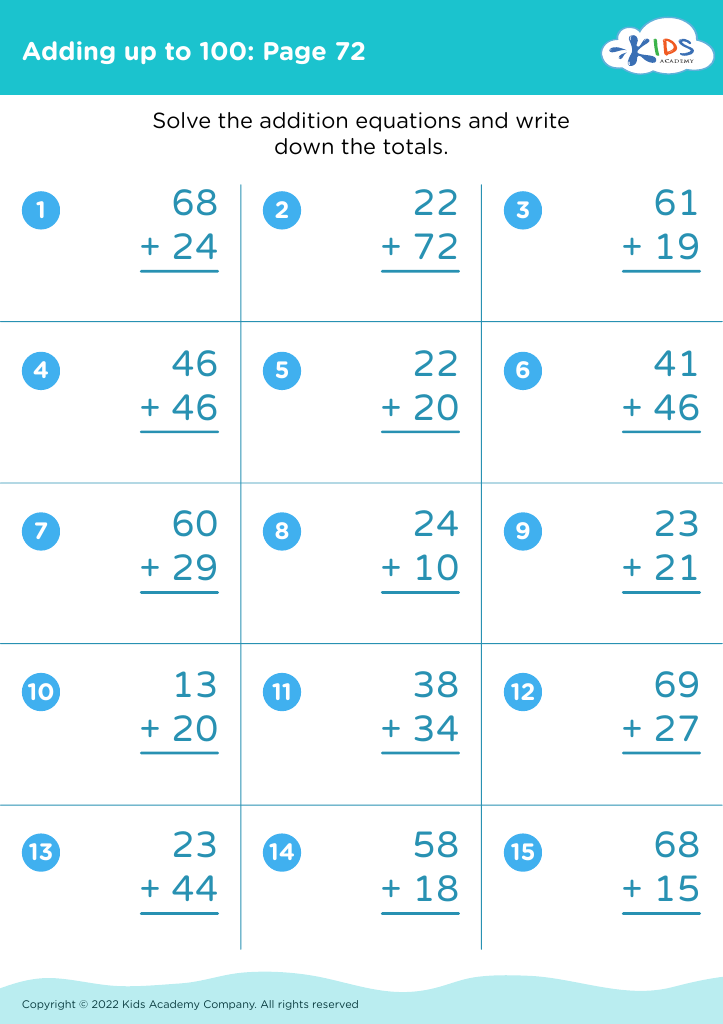





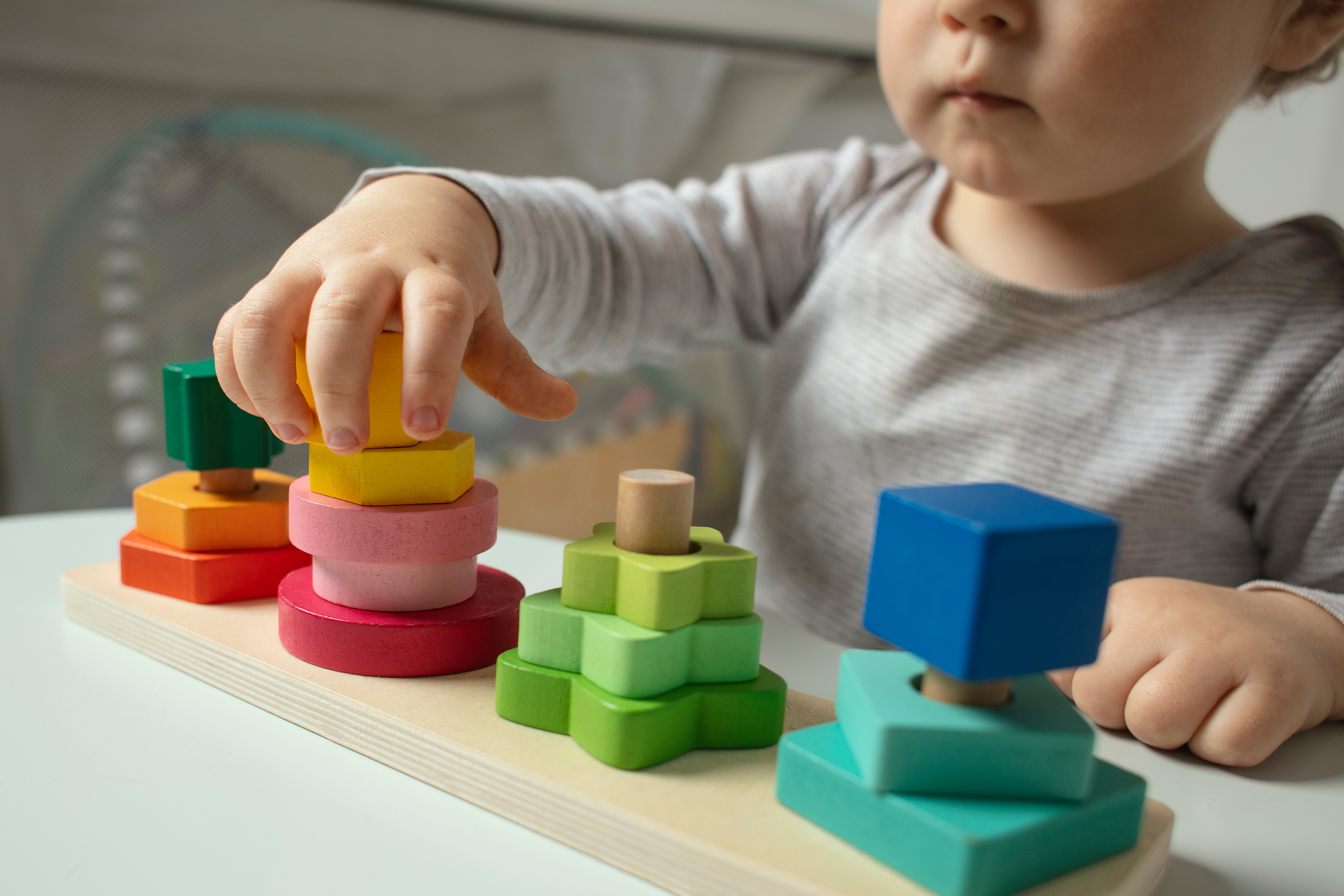

Enhancing fine motor skills in children aged 5-9 is crucial for their overall development, especially in math. At this age, students are not only learning basic mathematical concepts such as counting, addition, and subtraction but are also developing the physical skills needed to write numbers and solve problems effectively. Engaging in activities that promote fine motor skills, such as using manipulatives, cutting shapes, or practicing handwriting, can significantly improve children’s dexterity and hand-eye coordination.
Fine motor skills facilitate better control over writing tools and mathematical manipulatives, allowing children to express their understanding of mathematical concepts accurately. When children struggle with fine motor tasks, they may find it challenging to complete math assignments, leading to frustration and a lack of confidence. By fostering fine motor skills early on, parents and teachers can help lay a strong foundation for mathematical success.
Additionally, fine motor activities often incorporate critical thinking and problem-solving, enriching the learning experience. With these skills, children can tackle more complex mathematical tasks, develop spatial awareness, and enhance their ability to collaborate and socialize with peers through shared learning experiences. Ultimately, prioritizing fine motor skills can lead to a more successful, confident, and joyful mathematical learning journey for young children.








