Grammar practice Math Worksheets for Ages 5-9
3 filtered results
-
From - To
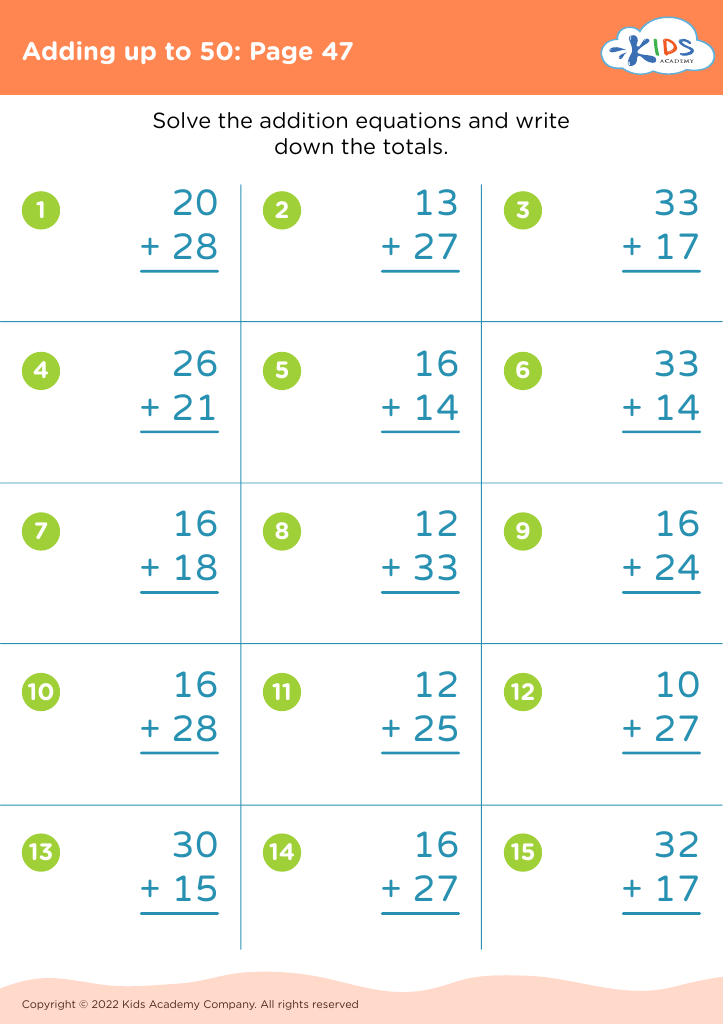
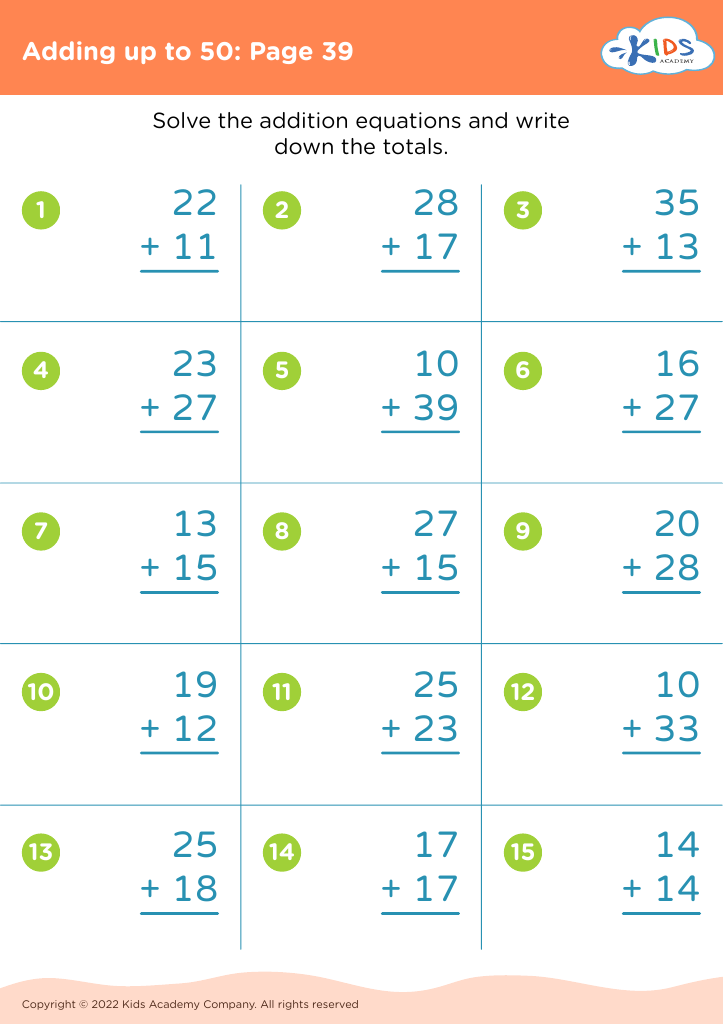
Enhance your child's learning with our engaging Grammar Practice Math Worksheets for Ages 5-9. Our expertly crafted worksheets seamlessly blend grammar and math skills, making learning fun and effective. Perfect for young learners, these activities help reinforce foundational concepts in both subjects. Each worksheet is designed to boost literacy and numeracy, fostering a love for learning. Whether your child is just starting out or looking to strengthen their skills, our printables offer a variety of challenges suitable for different levels. Provide your little ones with the tools they need to succeed academically while enjoying an exciting, integrative approach to education.
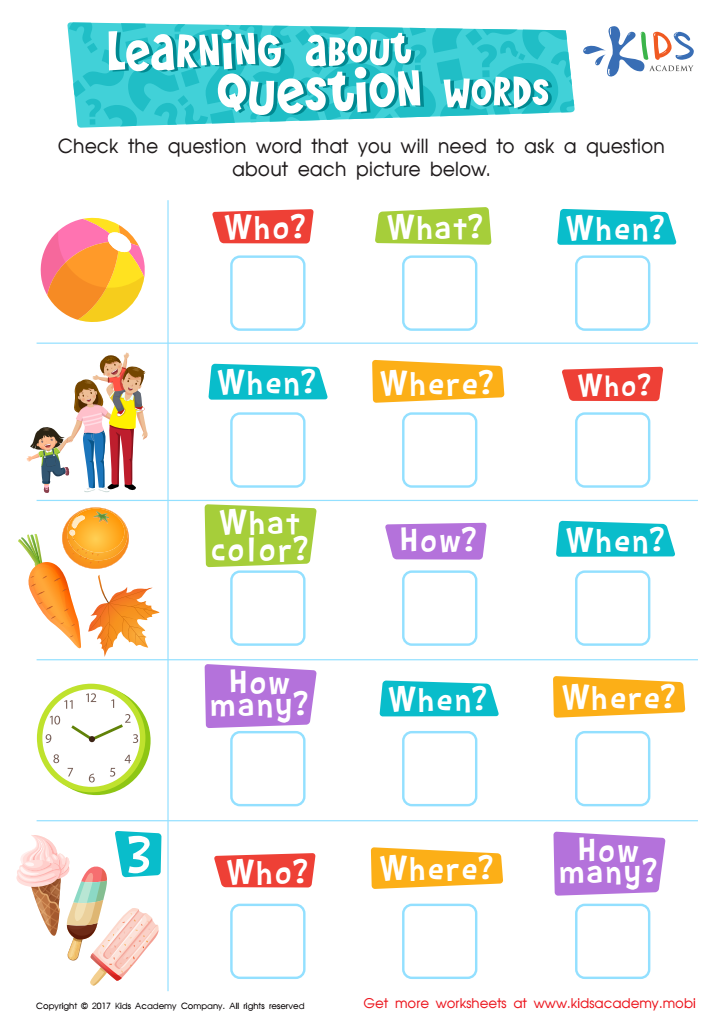
Learning about Question Words Worksheet
 Assign to My Students








Grammar and math may seem like unrelated subjects, but for children ages 5-9, practicing both is crucial for their overall cognitive and academic development. At this early stage, children's brains are highly adaptable and capable of absorbing new information effectively. Encouraging grammar practice alongside math helps in developing analytical, reasoning, and communication skills, which are essential for comprehensive learning.
Grammar practice lays the foundation for effective communication. Through grammar exercises, children learn to structure sentences, expanding their vocabulary, and improving their ability to convey thoughts clearly. Strong language skills foster better reading comprehension, enabling children to understand and process math problems more easily.
Math practice, on the other hand, enhances logical thinking and problem-solving abilities. It teaches children how to approach problems methodically and recognize patterns, skills that are equally valuable in reading and writing. For instance, understanding math sequences can help children grasp grammatical rules and sentence structures.
Integrating grammar with math practice helps foster a balanced development. When children can communicate effectively and solve problems efficiently, they're better equipped for future academic and real-world challenges. Thus, parents and teachers should give equal emphasis to grammar and math, nurturing well-rounded thinkers who can excel in diverse areas.








