
Improve number recognition Math Worksheets for Ages 5-9
15 filtered results
Difficulty Level
Grade
Age
-
From - To
Subject
Activity
Standards
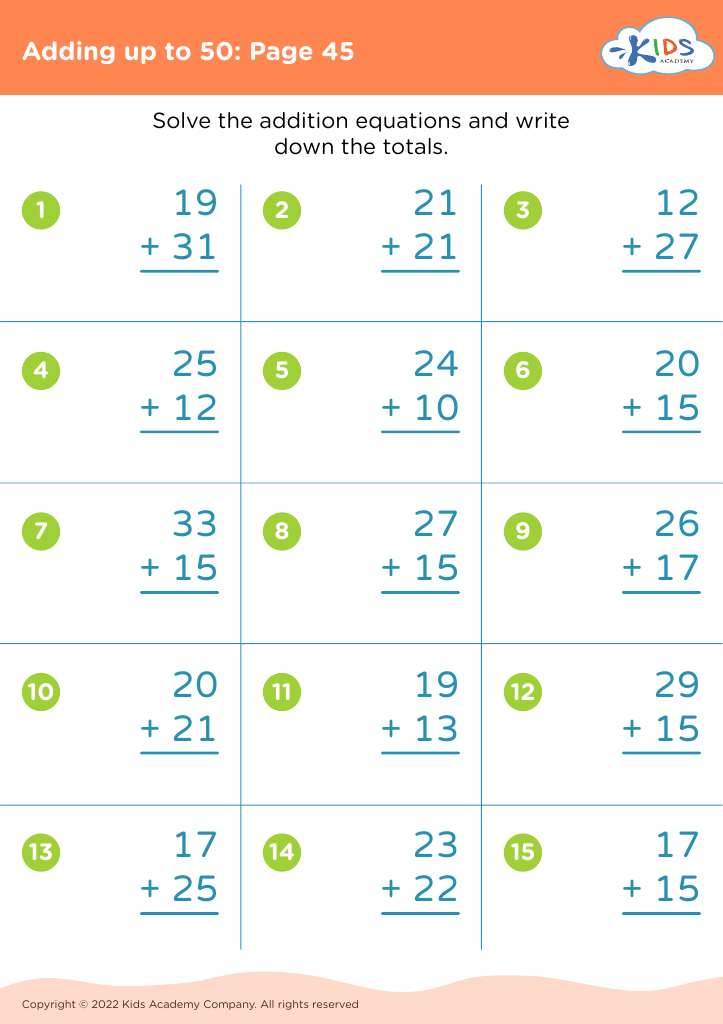
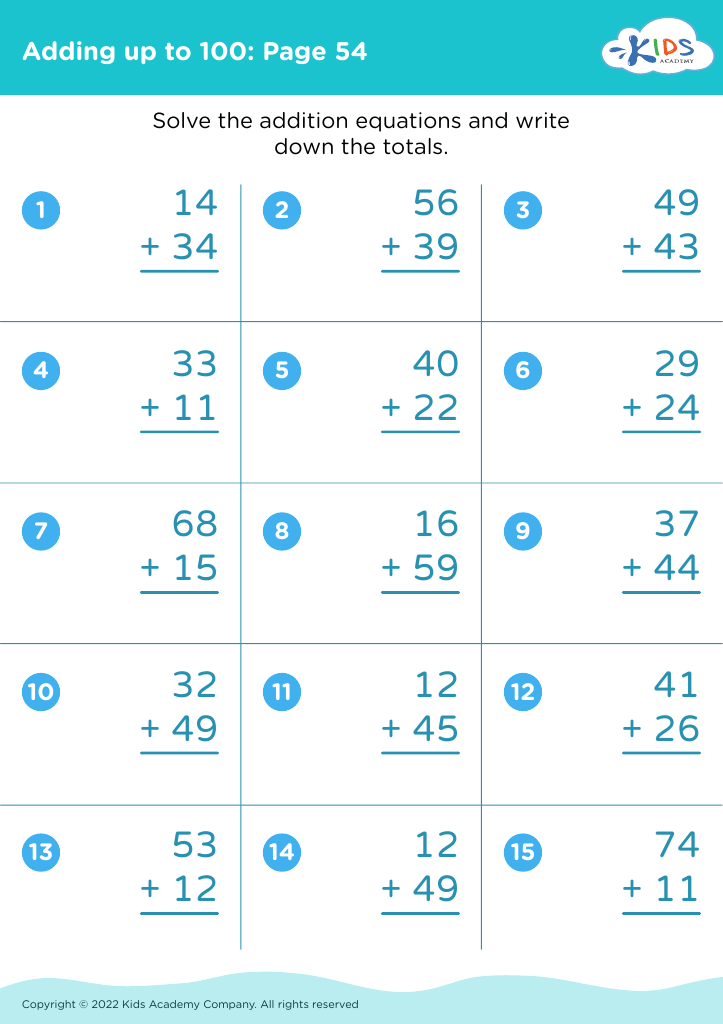
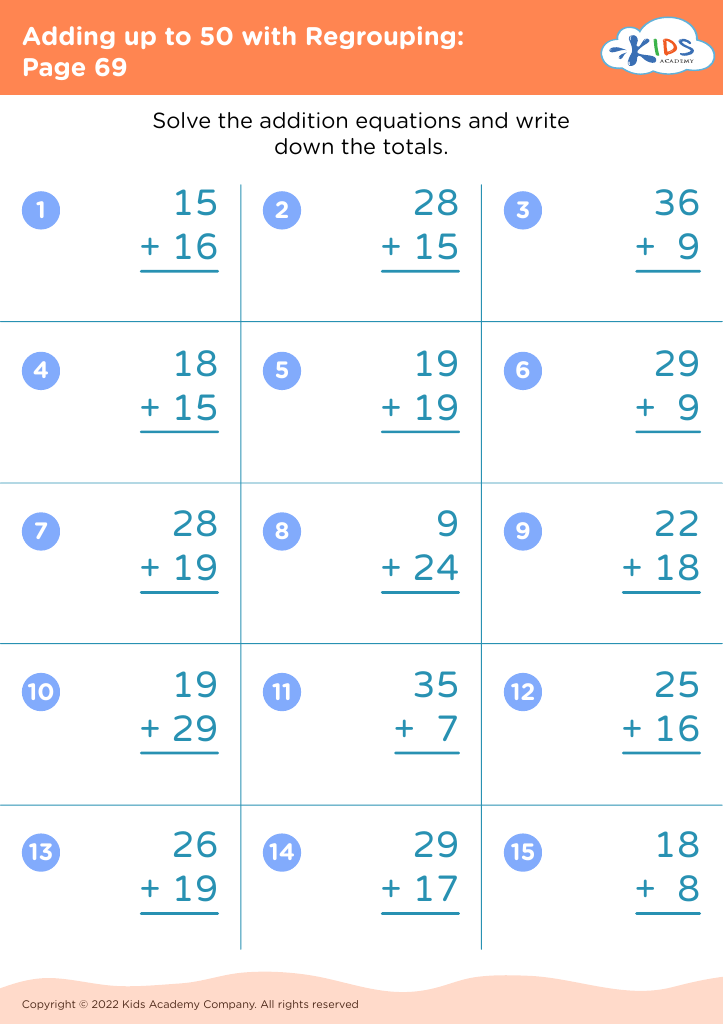
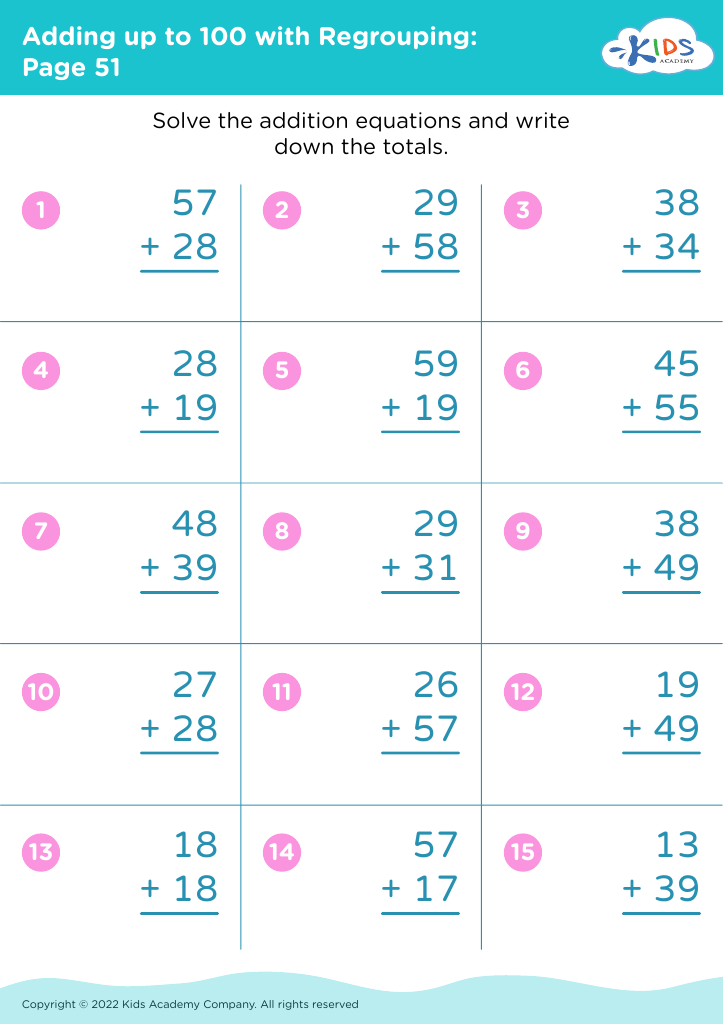
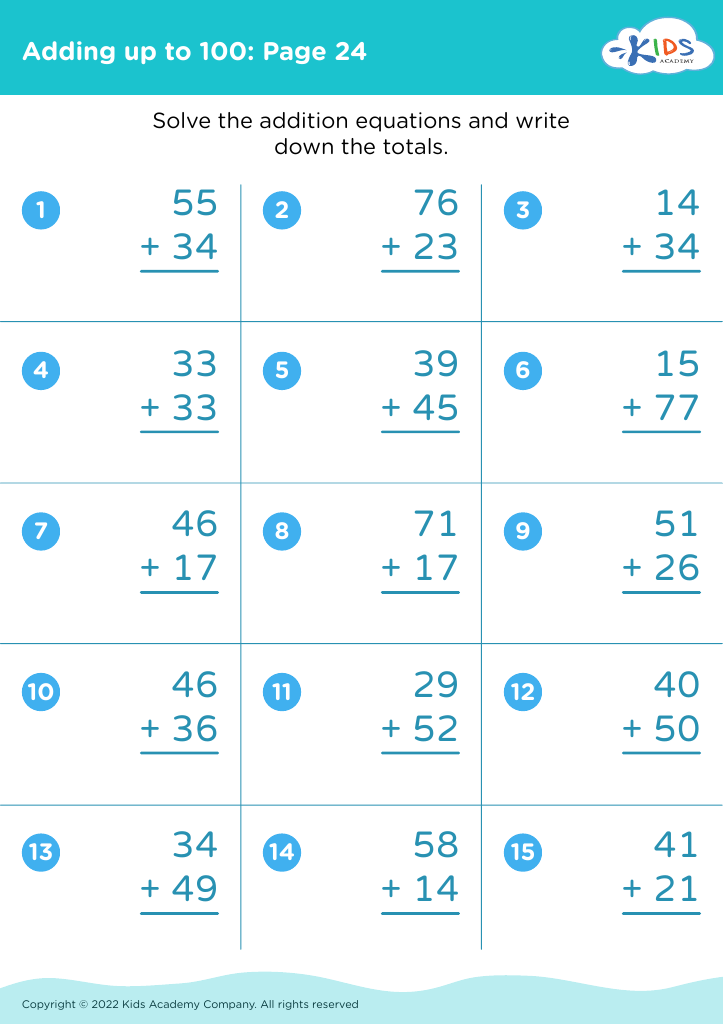
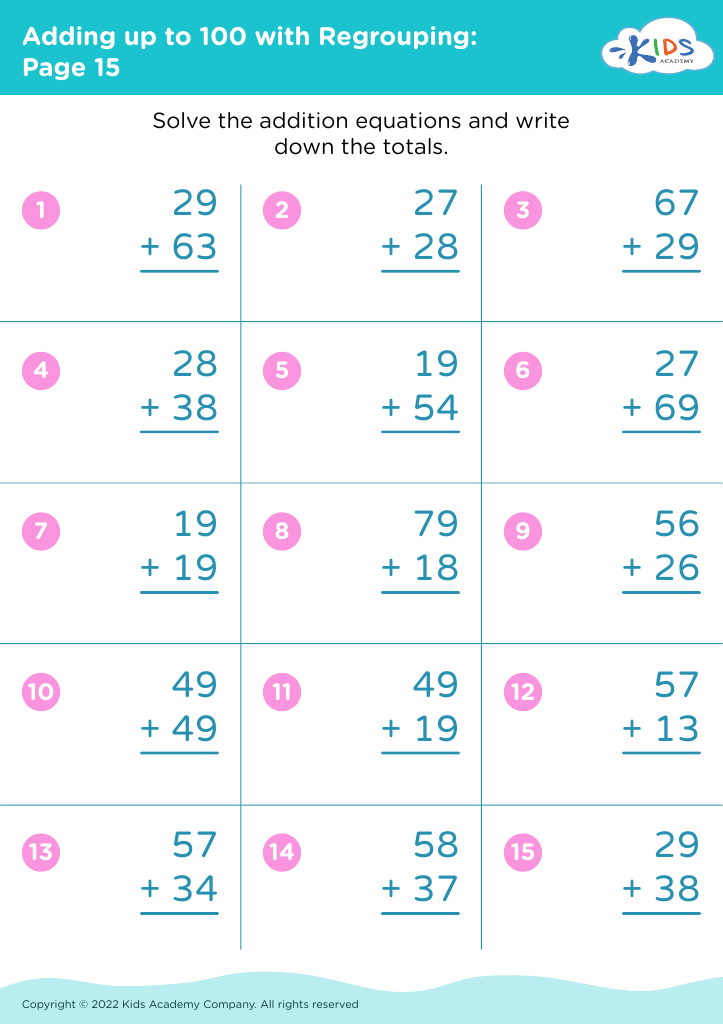
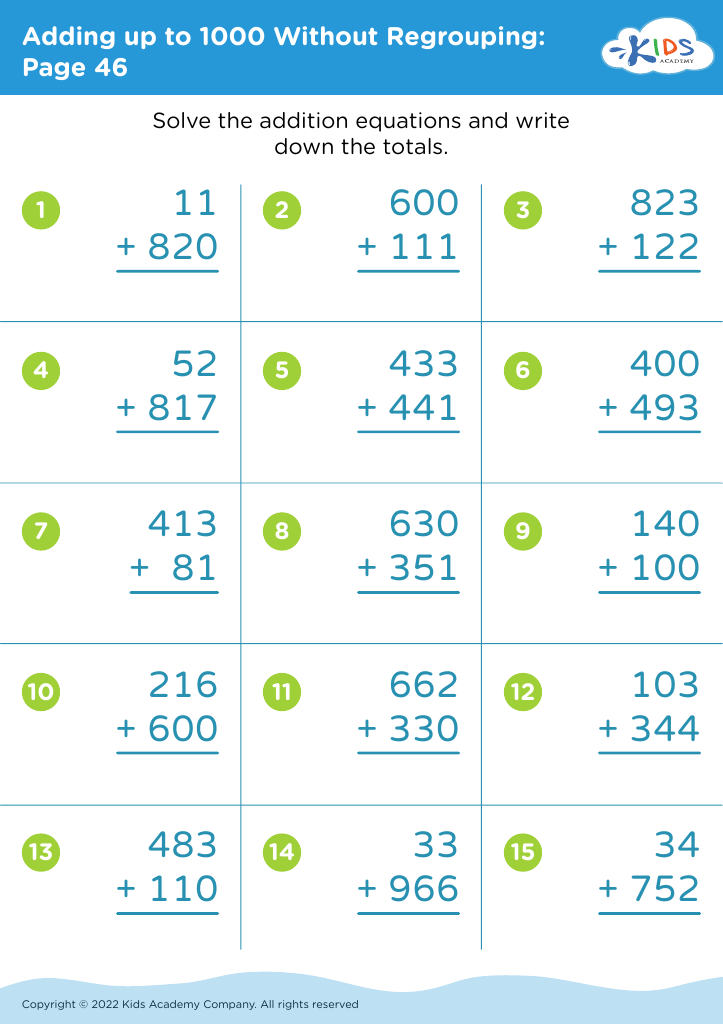
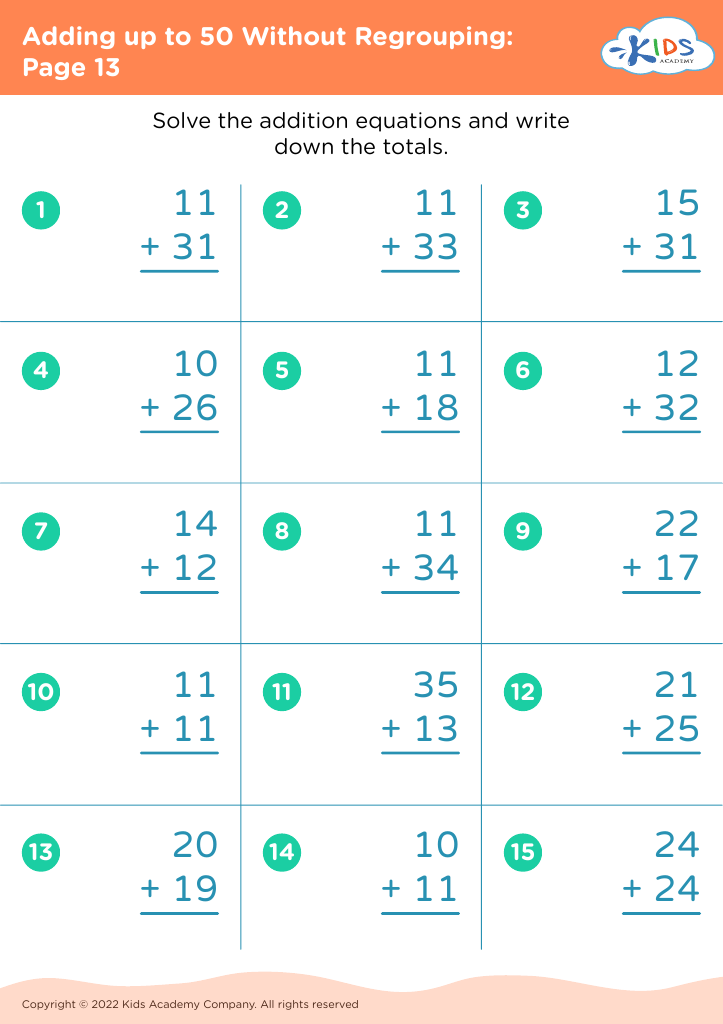
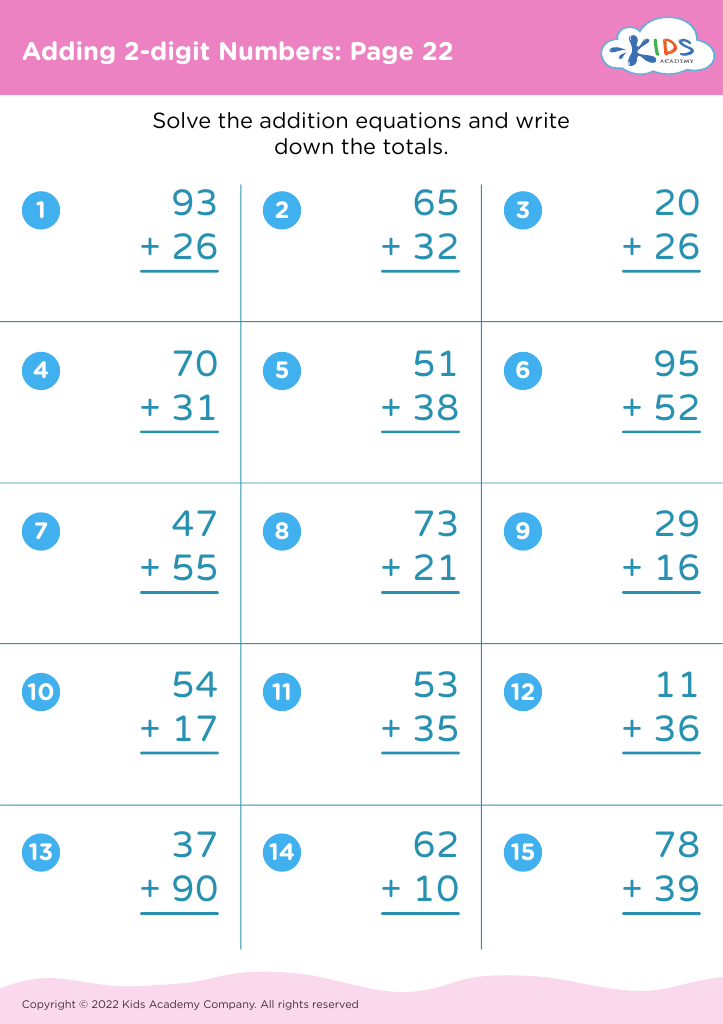
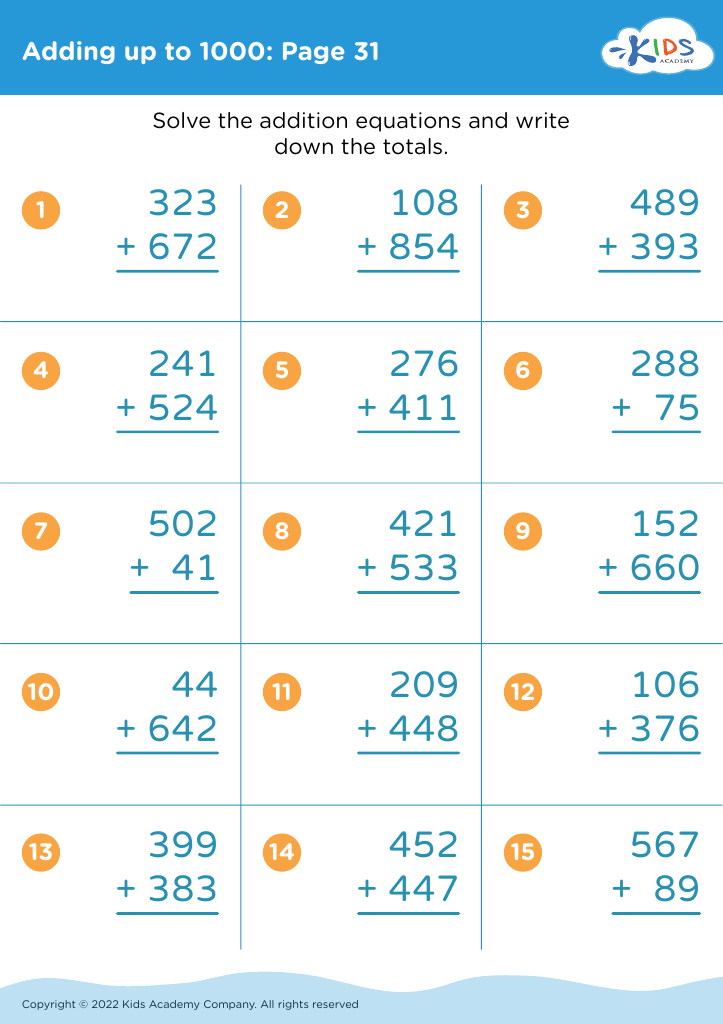
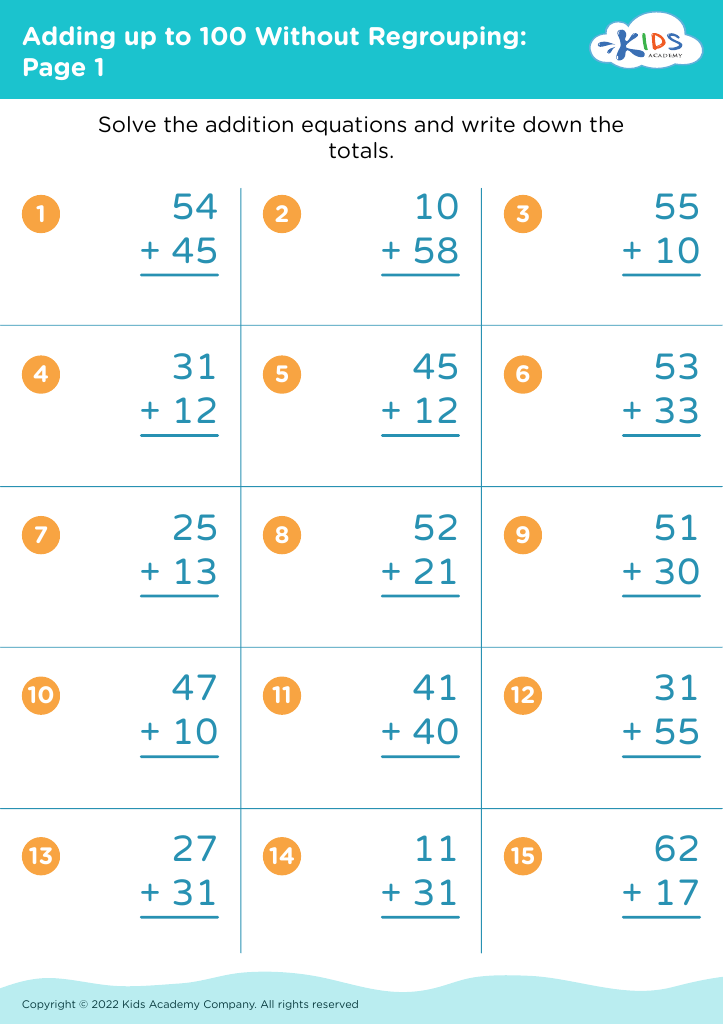
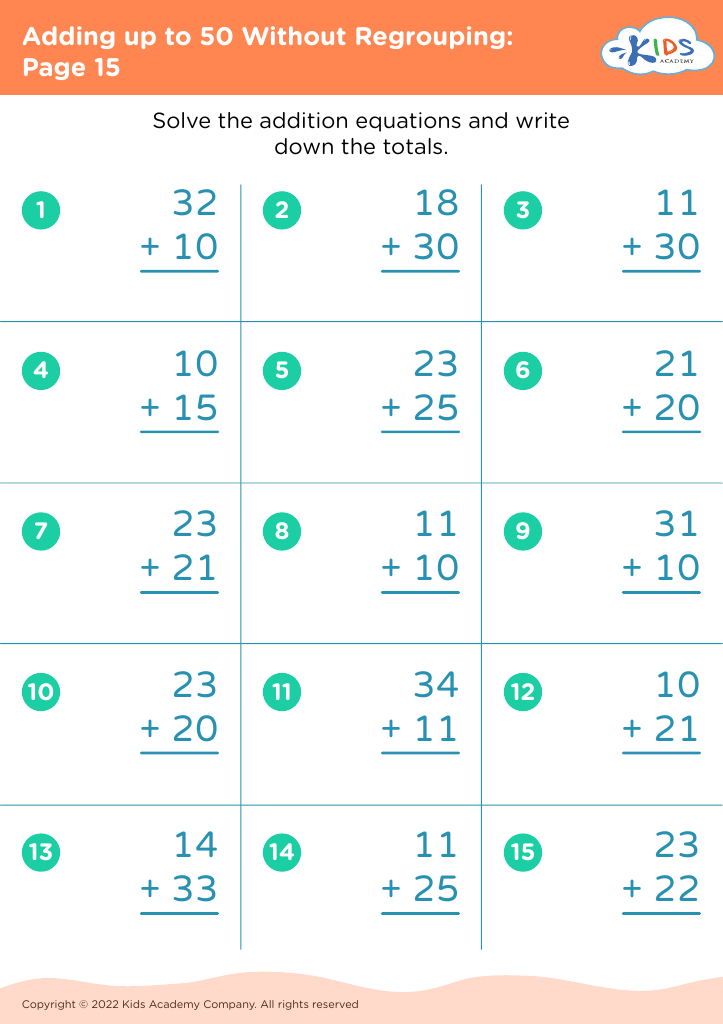
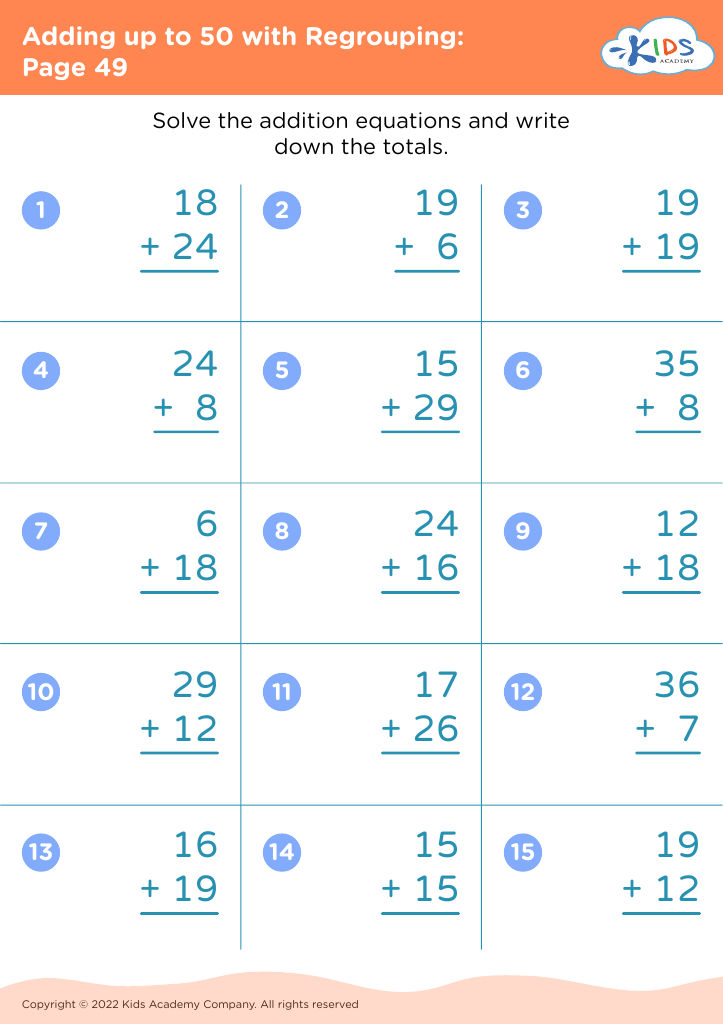
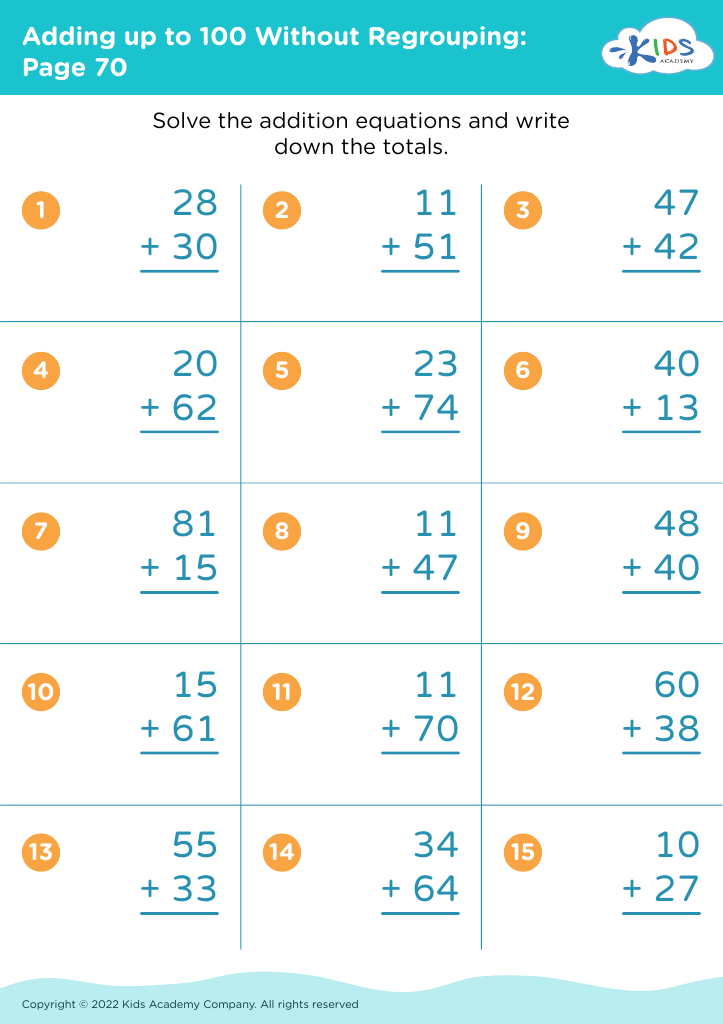
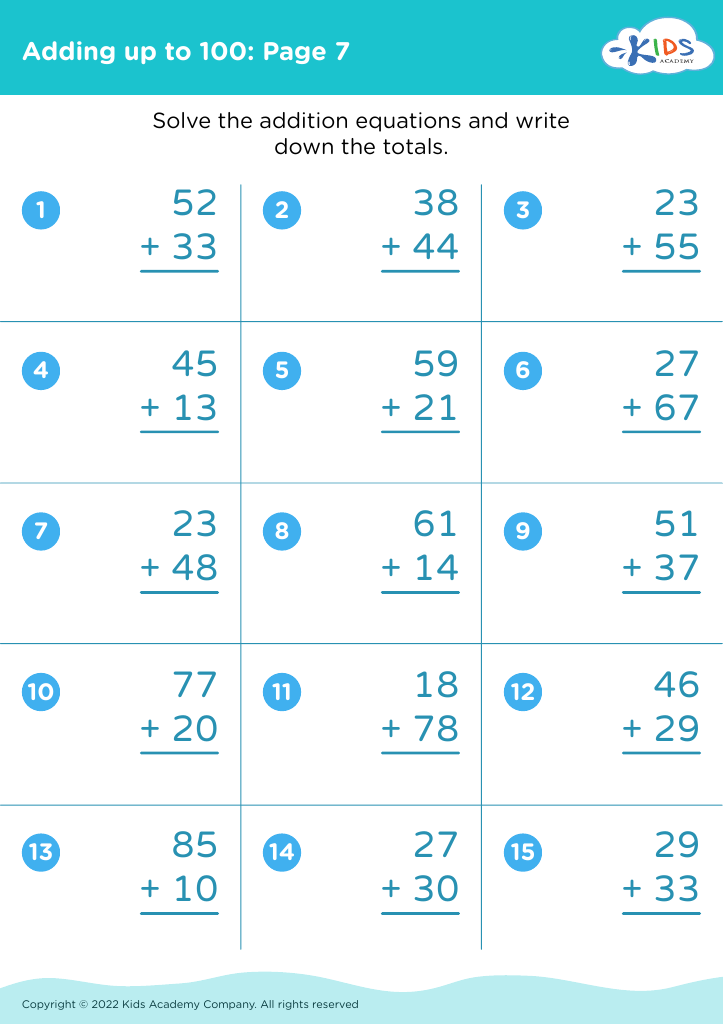
Enhance your child's number recognition skills with our engaging Math Worksheets designed for ages 5-9! Our diverse range of printable worksheets provides innovative and interactive activities that make learning fun. Children will explore number patterns, sequencing, and identification through visually appealing exercises, fostering their confidence in math. Perfect for homeschooling or supplementary practice, these worksheets cater to various learning styles and help improve essential math skills in a playful manner. Watch your child flourish as they develop a solid foundation in number recognition and gain a love for mathematics. Start their learning journey today with our expertly crafted resources!
Favorites
With answer key
Interactive
Join Kids Academy for Free
Who is primarily going to use this learning content?








Improving number recognition in children aged 5-9 is crucial for their overall mathematical understanding and development. Number recognition serves as the foundation for more complex mathematical concepts, such as addition, subtraction, and even later topics in algebra and geometry. By mastering number recognition early on, children gain confidence and build a positive attitude towards math.
Parents and teachers play a pivotal role in this process as they can implement engaging methods and interactive activities to foster number recognition. For example, incorporating games, flashcards, and real-life scenarios helps make learning enjoyable, which reinforces the child's understanding and retention of numbers. Additionally, proficient number recognition assists children in their daily lives, enabling them to understand quantities, prices, and time effectively.
Investing time in developing these skills during early education can lead to higher academic performance and lower levels of math anxiety later in life. Furthermore, recognizing numbers underpins other critical thinking and problem-solving skills. As a community of caregivers, supporting number recognition not only sets up children for academic success but also nurtures essential life skills that pave the way for their futures. Thus, prioritizing this foundational skill is essential for long-term benefits in a child's educational journey.








