Introduction to mathematics Math Worksheets for Ages 5-9
3 filtered results
-
From - To
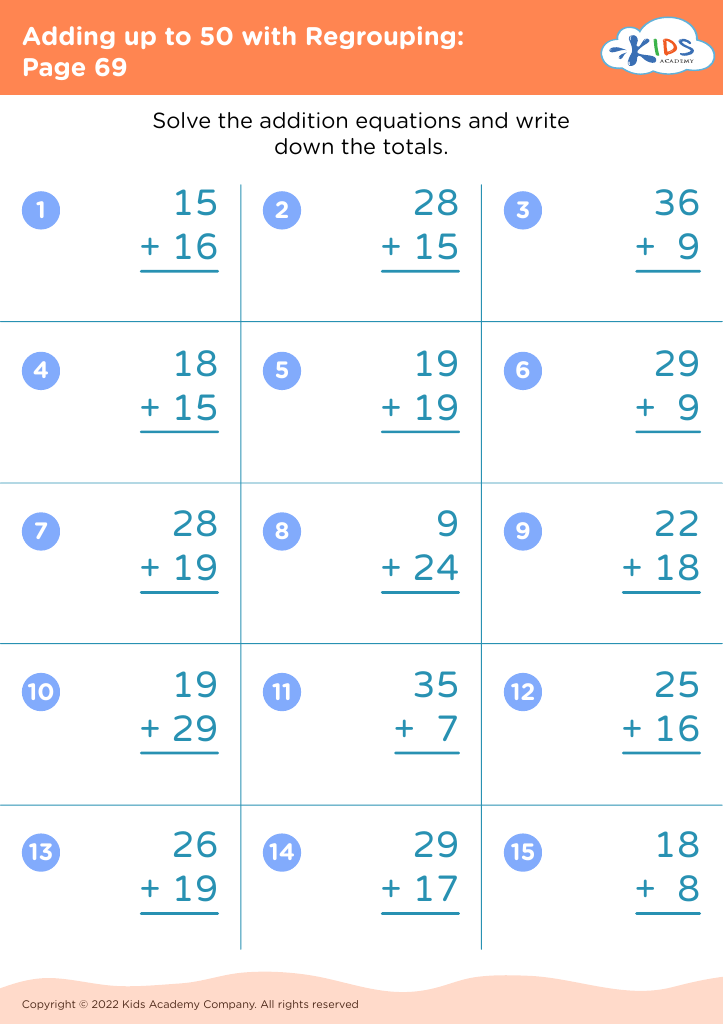
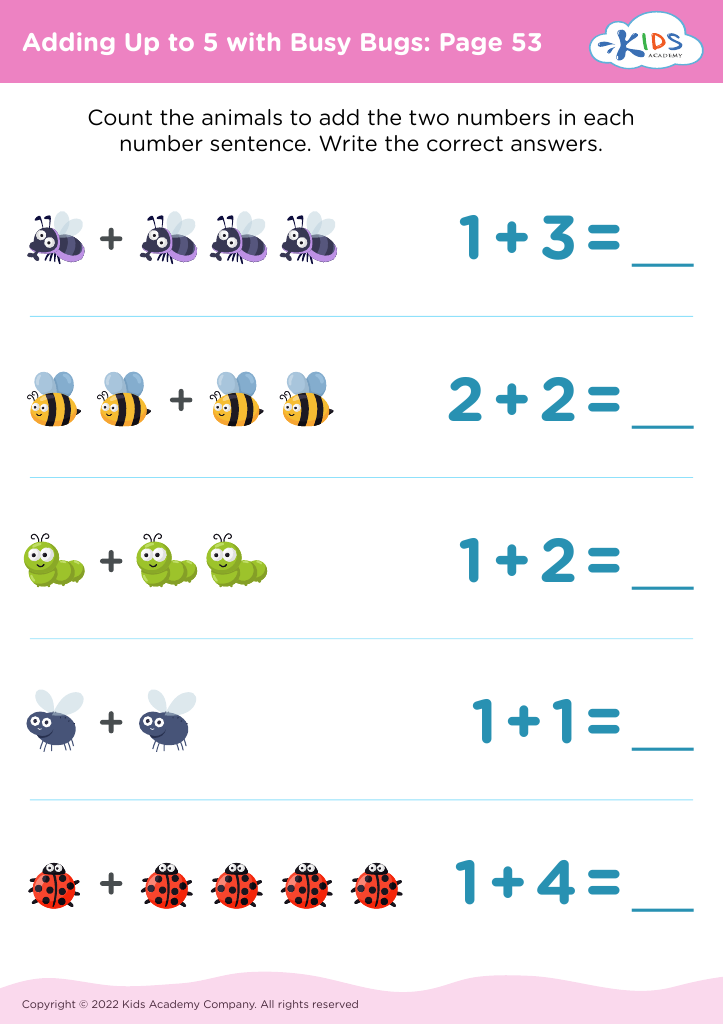
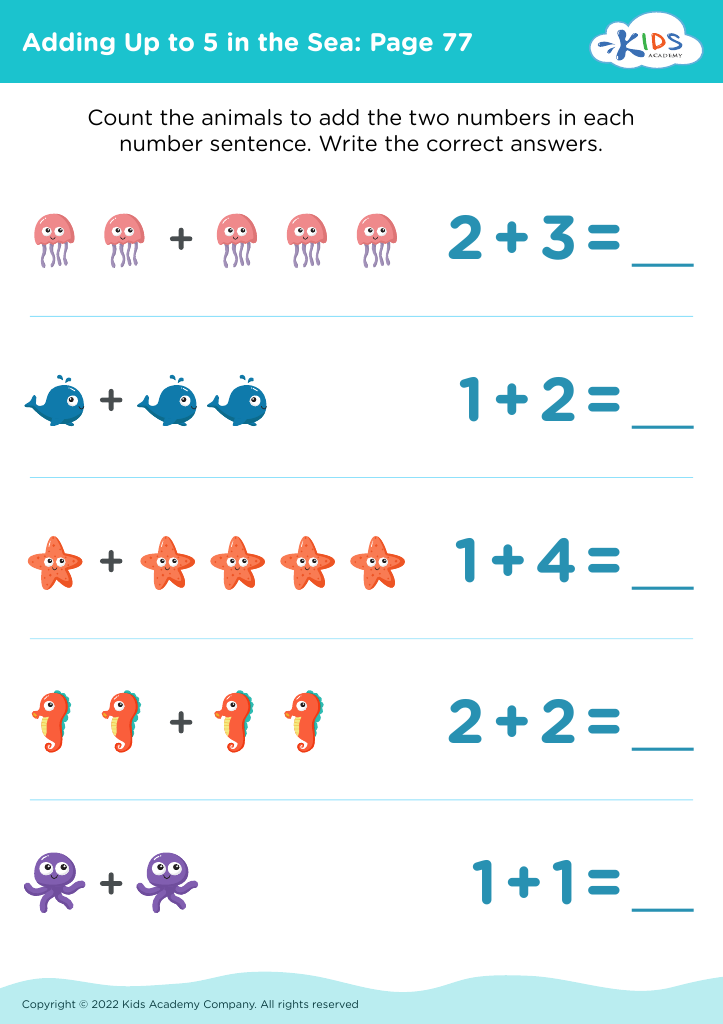
Discover "Introduction to Mathematics" designed for kids ages 5-9! Our fun and engaging math worksheets provide a perfect starting point for young learners to explore numbers, simple addition and subtraction, shapes, patterns, and measurements. Developed by experts, these printable activities cater to diverse learning styles, helping children build a strong mathematical foundation. Each worksheet is intuitive and colorful, ensuring kids remain interested and motivated. Ideal for both classroom settings and at-home practice, these resources make math enjoyable and accessible. Ignite your child's love for numbers with our expertly crafted introduction to mathematics worksheets!








Parents and teachers should care about introducing mathematics to children aged 5-9 because early exposure lays a strong foundation for future learning. At this formative stage, children's brains are highly receptive to new concepts, and engaging them in mathematical activities can foster critical thinking, problem-solving skills, and numeracy.
Mathematics is not just about numbers; it's a way of thinking and reasoning. Early math education helps children to recognize patterns, understand spatial relationships, and develop logical reasoning. These skills are essential not just in math classroom but across all areas of learning and daily life.
Moreover, building confidence in math from a young age can have long-term benefits, including greater self-esteem and a positive attitude towards learning more complex math in later grades. When children view math as fun and approachable, they are more likely to engage with and persist in it.
Teachers can integrate math concepts with storytelling, games, and real-world activities, making learning both enjoyable and meaningful. Parents, too, can support math learning by encouraging activities like cooking, shopping, and playing, which naturally incorporate counting, measuring, and problem-solving.
In summary, caring about early mathematics education equips children with the critical skills necessary for academic success and everyday life, fostering a lifelong appreciation and competence in the subject.








