
Learn subtraction Math Worksheets for Ages 5-9
4 filtered results
Difficulty Level
Grade
Age
-
From - To
Subject
Activity
Standards
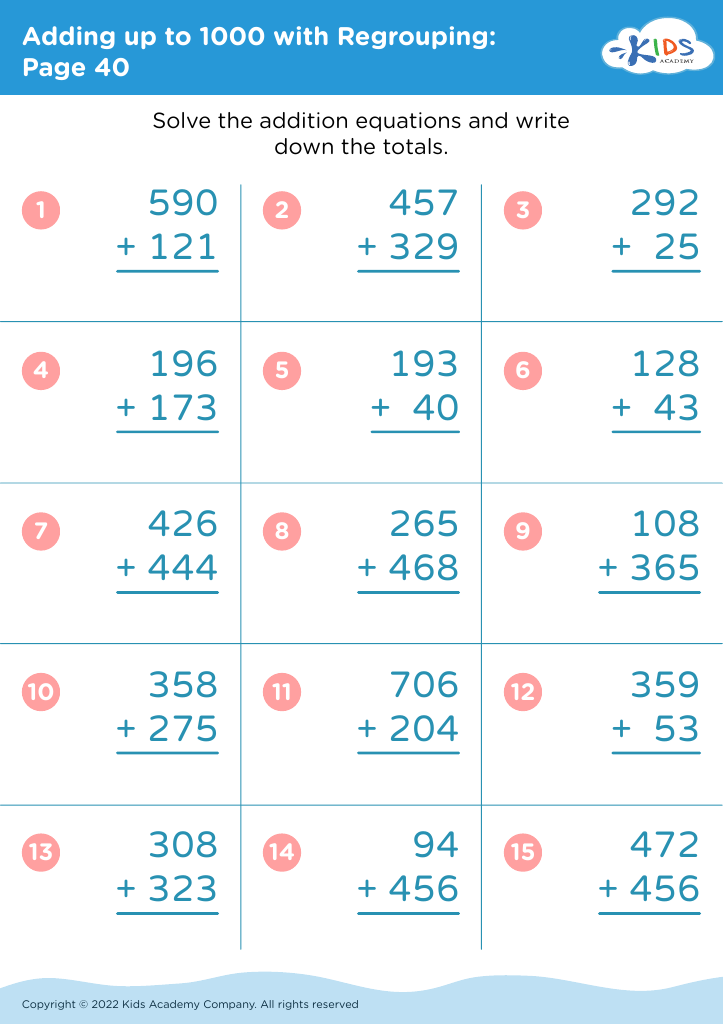
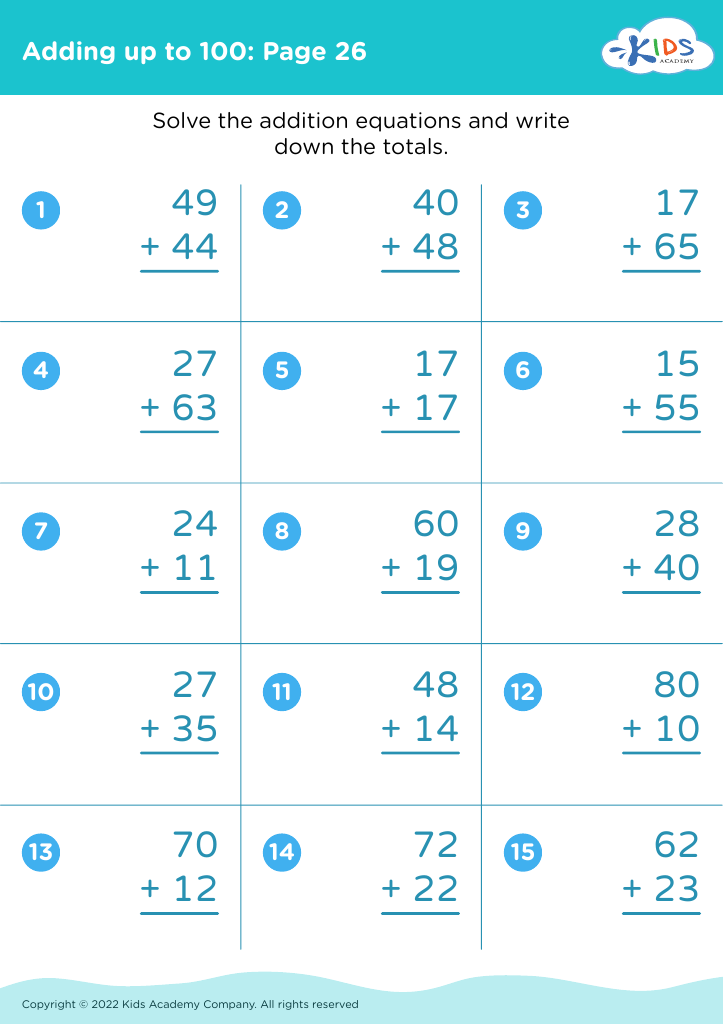
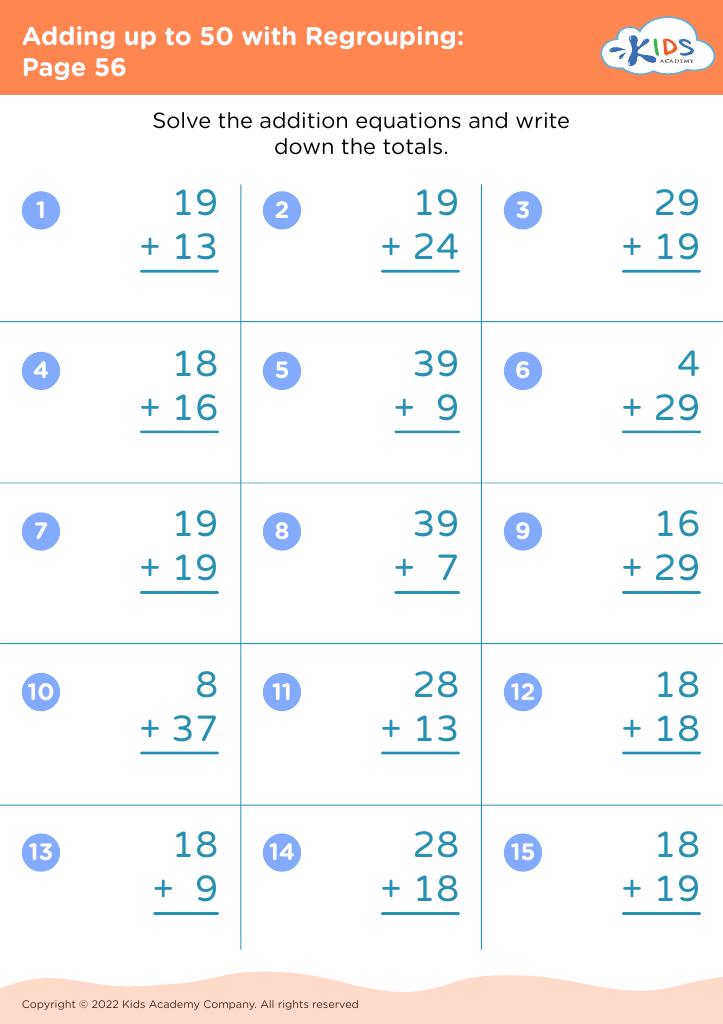
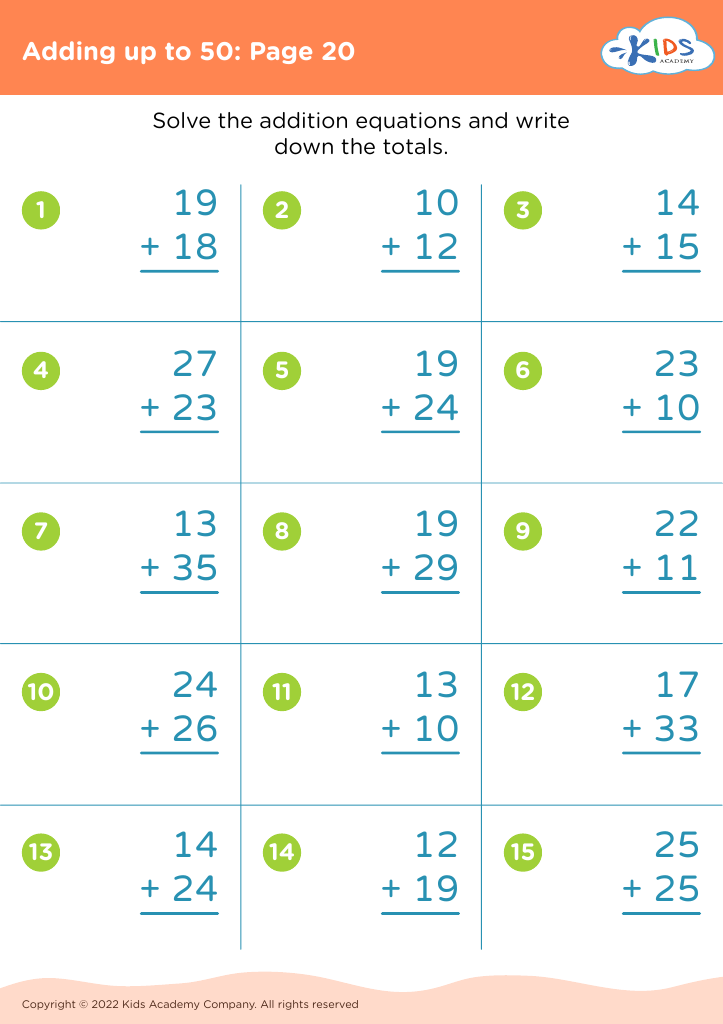
Welcome to our Learn Subtraction Math Worksheets page for ages 5-9! Designed to make subtraction engaging and fun, our worksheets help young learners master essential math skills. Filled with colorful illustrations and activities, these printable resources reinforce foundational concepts through practice and critical thinking. From simple take-away problems to more complex exercises, our worksheets cater to various learning styles, making it easier for children to grasp subtraction. Ideal for home or classroom use, these resources support educators and parents in fostering confidence and proficiency in mathematics. Start subtracting with our enjoyable worksheets today, and watch your child's skills soar!
Favorites
With answer key
Interactive
Join Kids Academy for Free
Who is primarily going to use this learning content?








Learning subtraction is a foundational skill essential for children's mathematical development, particularly for ages 5-9. Parents and teachers should care about this area of math because it not only enhances children's computational abilities but also fosters critical thinking and problem-solving skills.
At this age, children are typically transitioning from concrete to abstract thinking. By mastering subtraction, they develop an understanding of how numbers relate to one another, which is crucial for more advanced concepts later on, such as addition, multiplication, and division. Early proficiency in subtraction helps build a child's confidence, reinforcing a positive attitude toward math that can last a lifetime.
Moreover, subtraction is frequently used in daily life—from sharing toys to calculating change—which demonstrates its practical relevance. When children grasp the concept of subtraction, they become more adept at handling real-world situations and making decisions based on quantitative reasoning.
Support from parents and teachers is vital in creating a consistent learning environment; engaging activities and supportive instruction enhance understanding and retention. By prioritizing subtraction skills, adults can empower children to form a solid mathematical foundation, ultimately aiding their academic success and fostering a lifelong love for learning.








