Mathematical reasoning Math Worksheets for Ages 5-9
63 filtered results
-
From - To
Boost your child's mathematical reasoning skills with our engaging math worksheets designed for ages 5-9. These activities help young learners develop critical thinking and problem-solving abilities in a fun and interactive way. Our worksheets cover a wide range of topics, including logic puzzles, pattern recognition, and numerical patterns, ensuring that your child builds a strong foundation in math. Perfect for classroom use or at-home practice, these resources promote independent learning while enhancing creativity and confidence. Download and print our mathematical reasoning worksheets today to encourage your child’s love for math and ignite their curiosity through challenging and entertaining tasks!
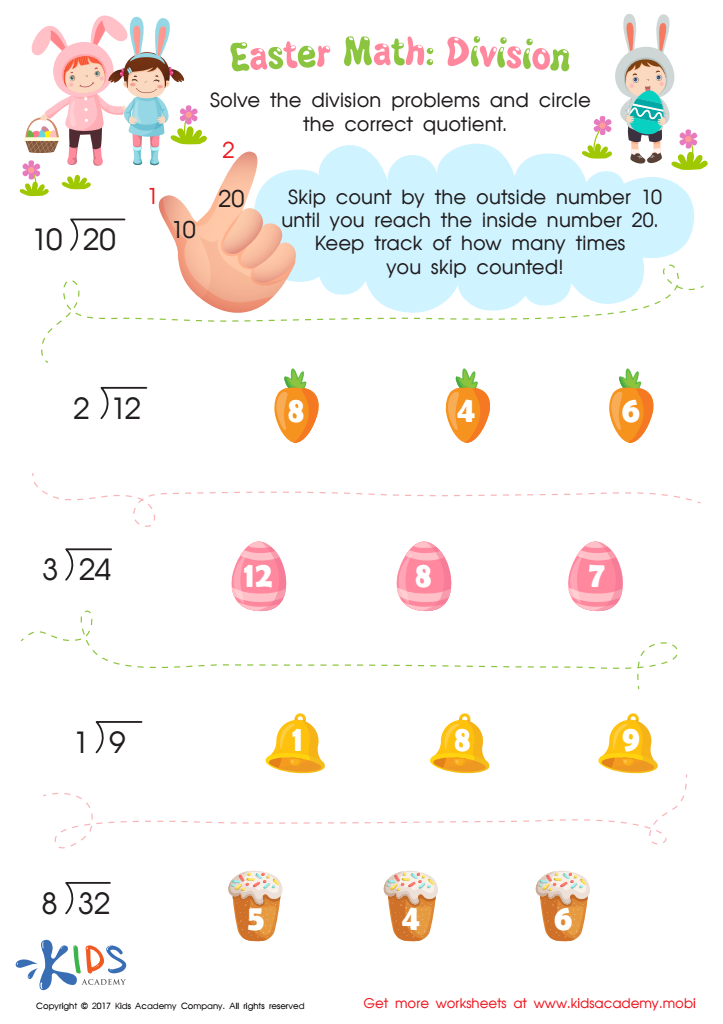
Division Worksheet
 Assign to My Students
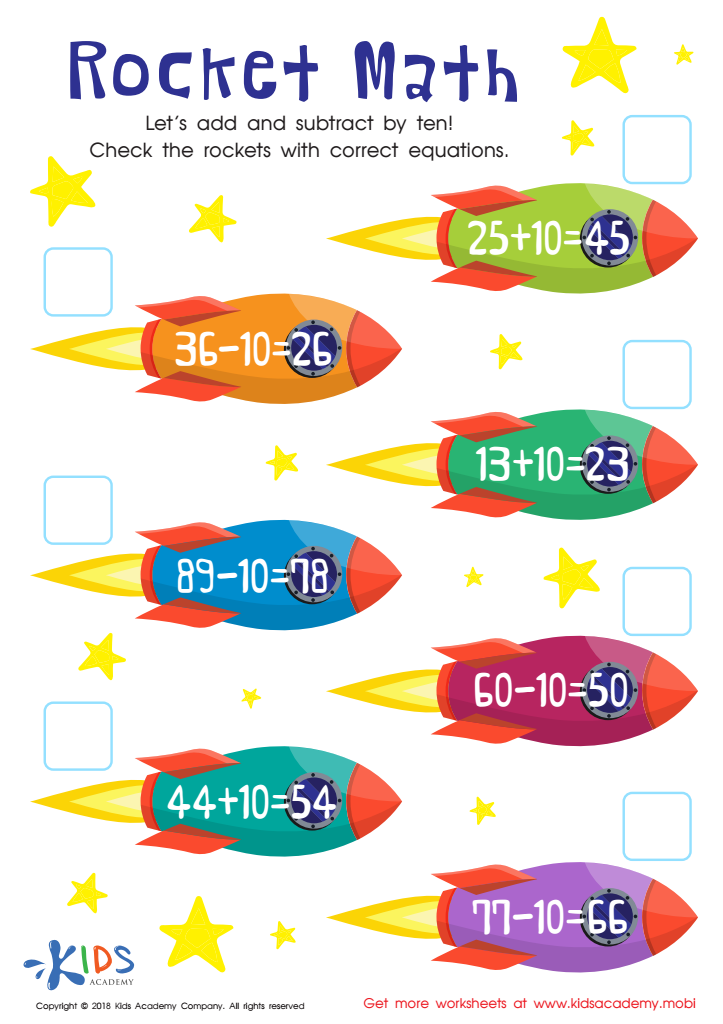
Rocket Math Worksheet
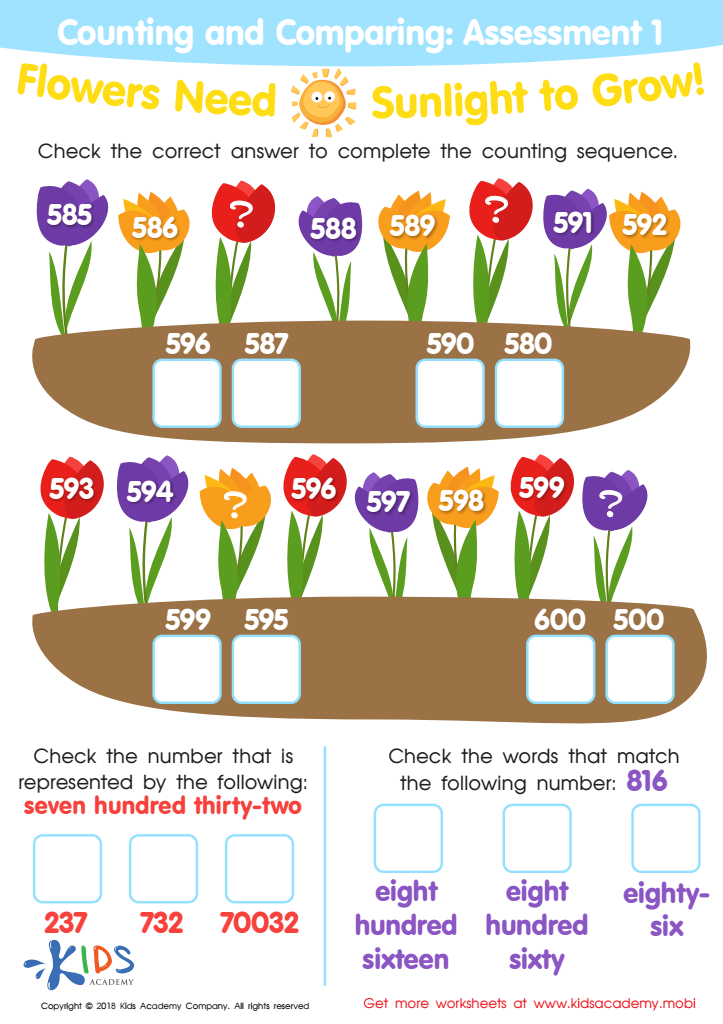
Counting and Comparing: Assessment 1 Worksheet
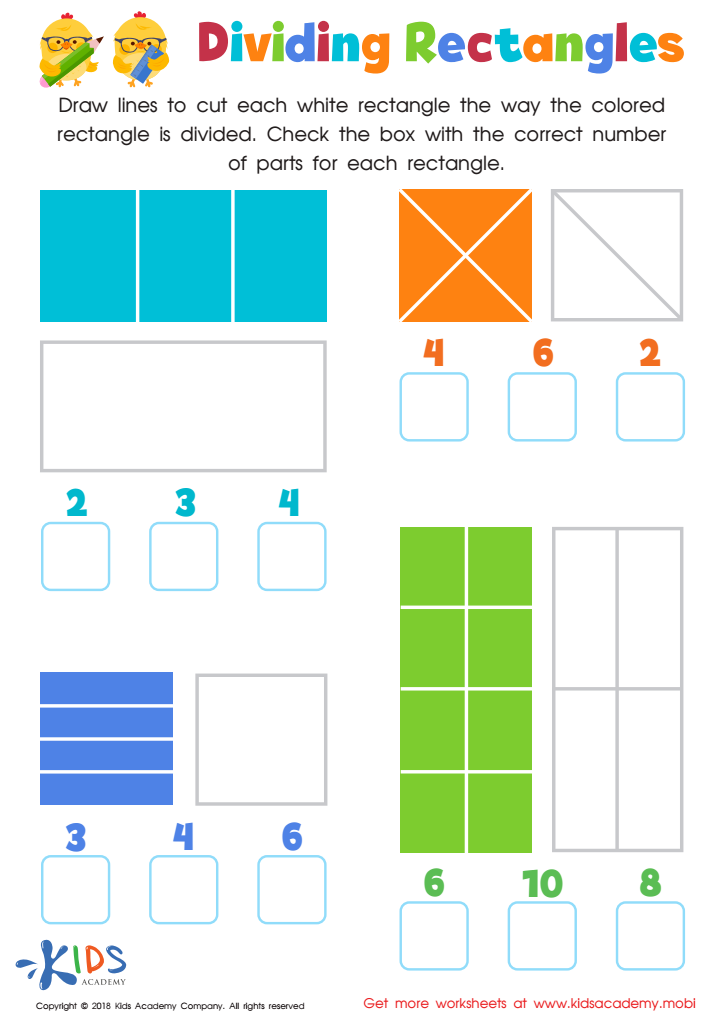
Dividing Rectangles Worksheet
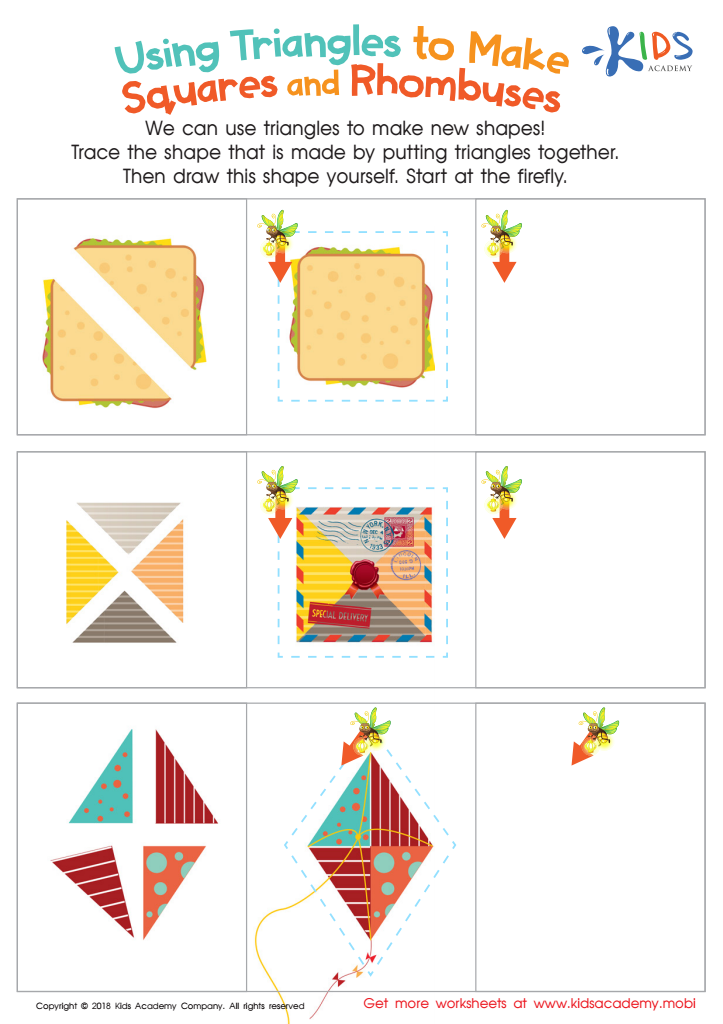
Using Triangles to Make Squares and Rhombuses Worksheet
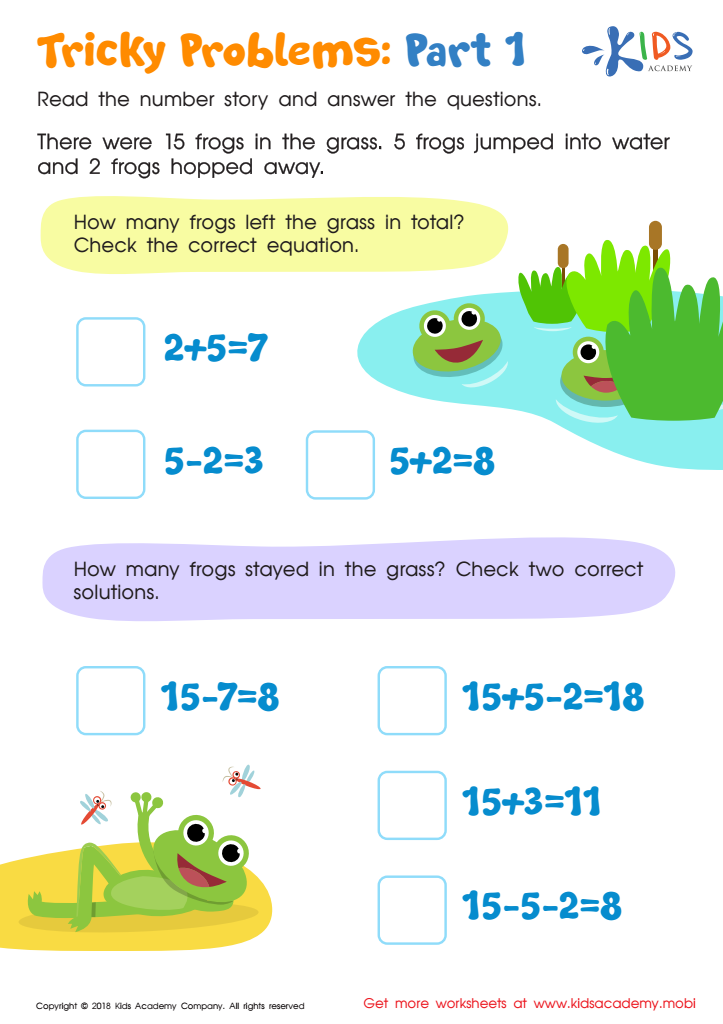
Tricky Problems Worksheet: Part 1
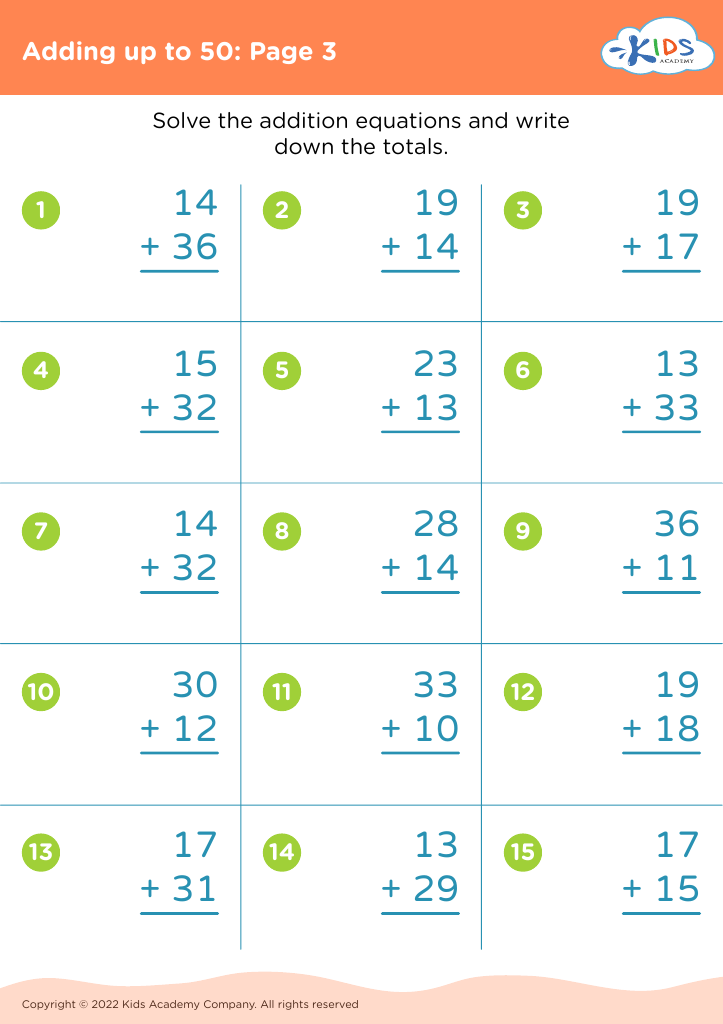
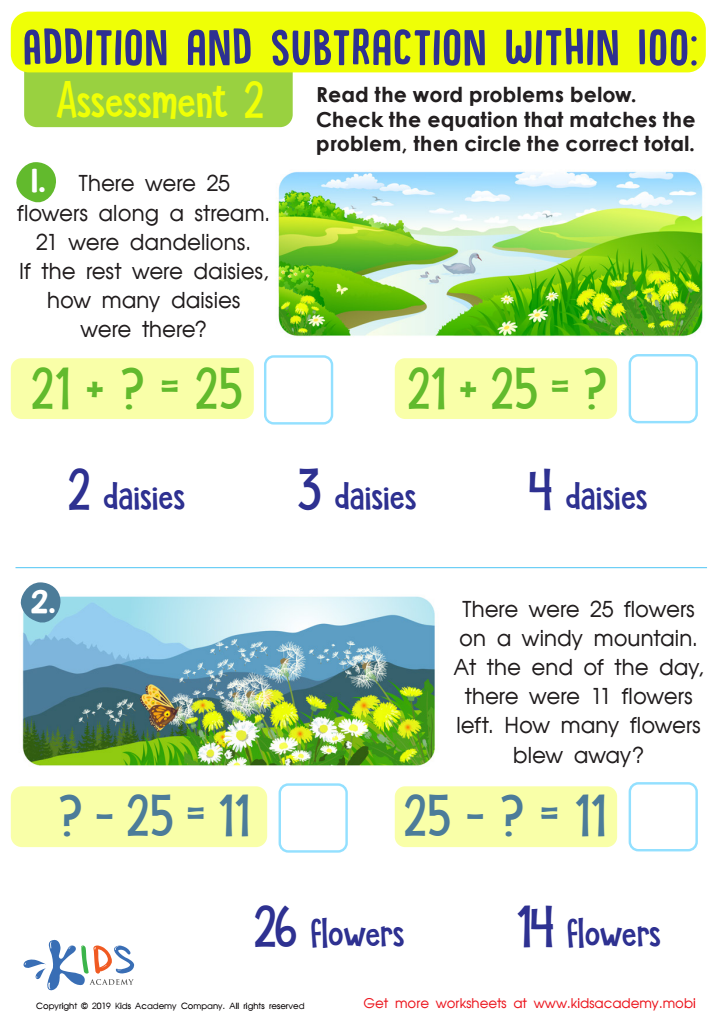
Assessment 2 Math Worksheet
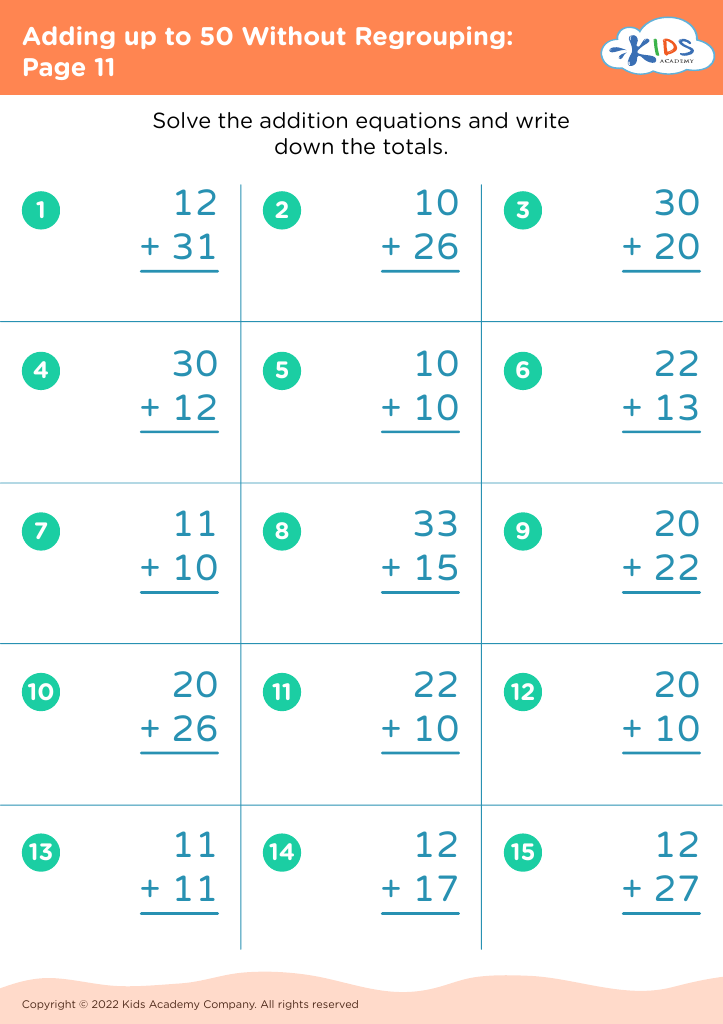
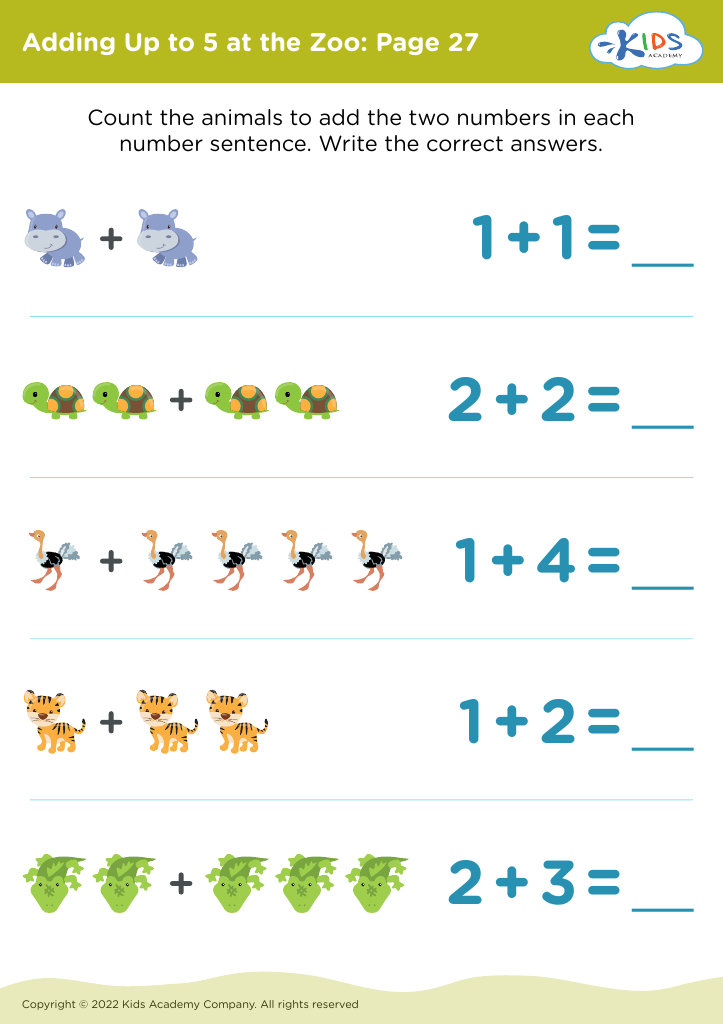
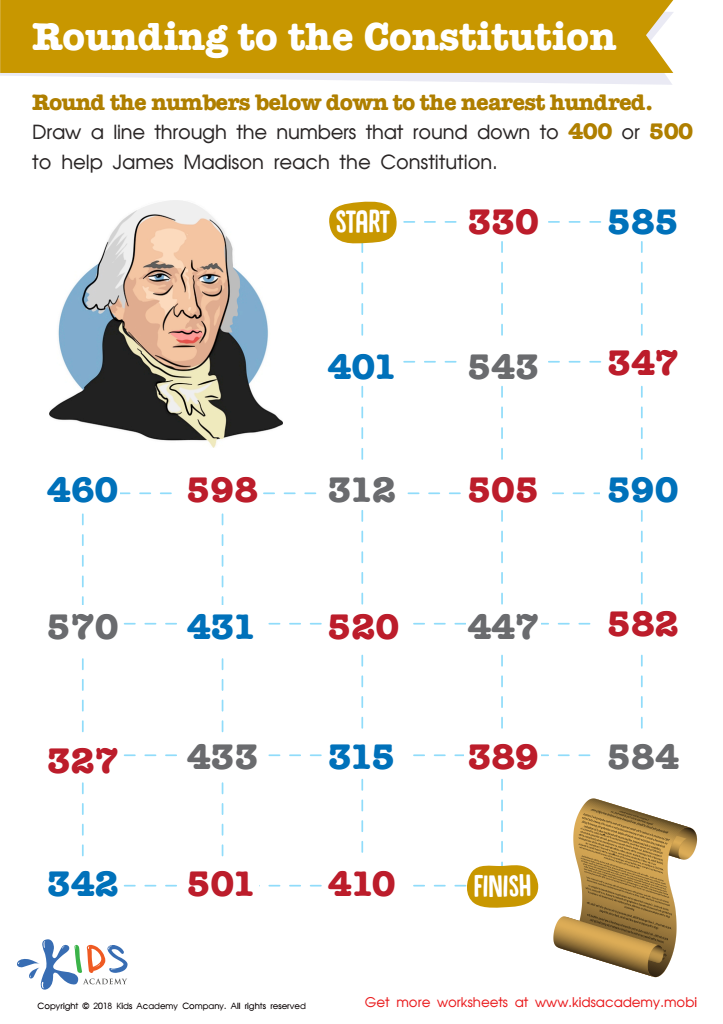
Rounding to the Constitution Worksheet
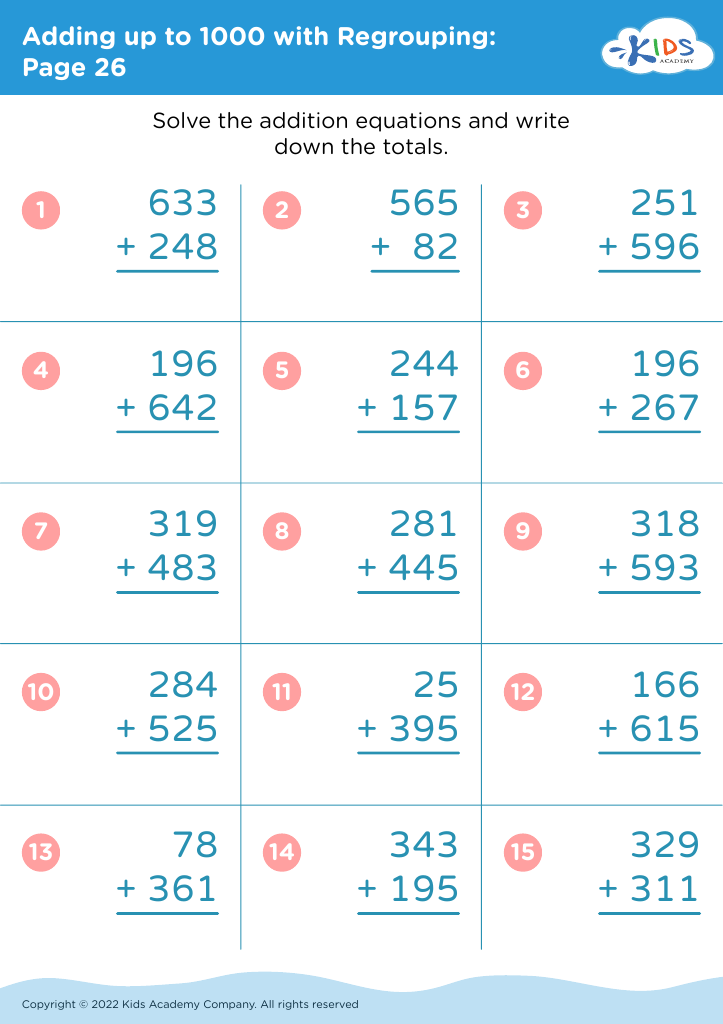
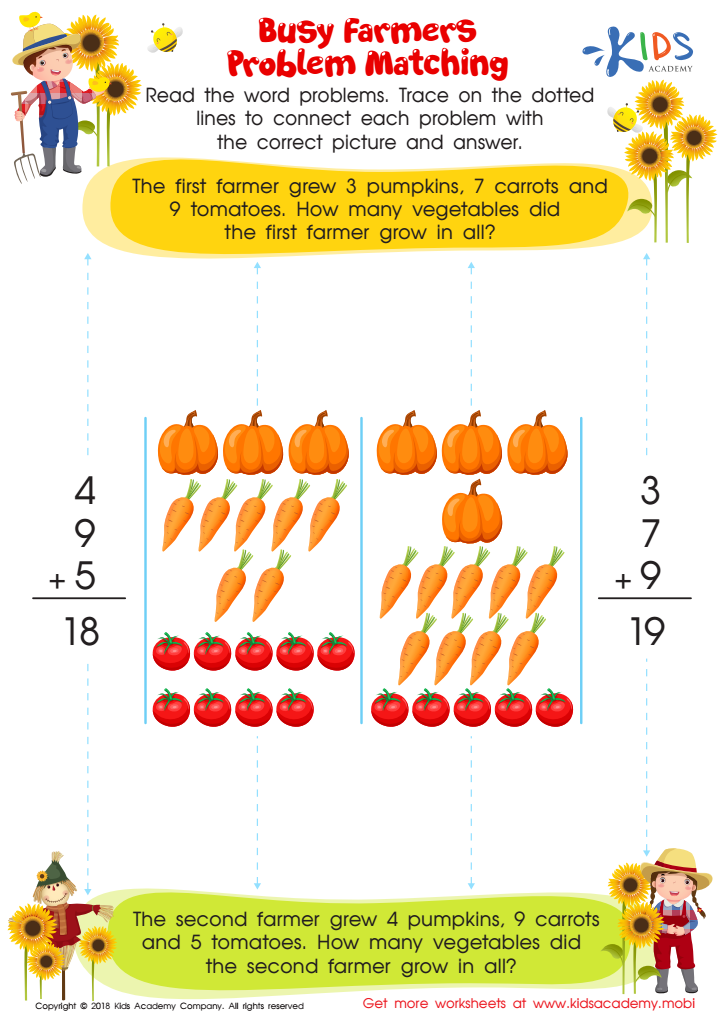
Busy Farmers: Problem Matching Worksheet
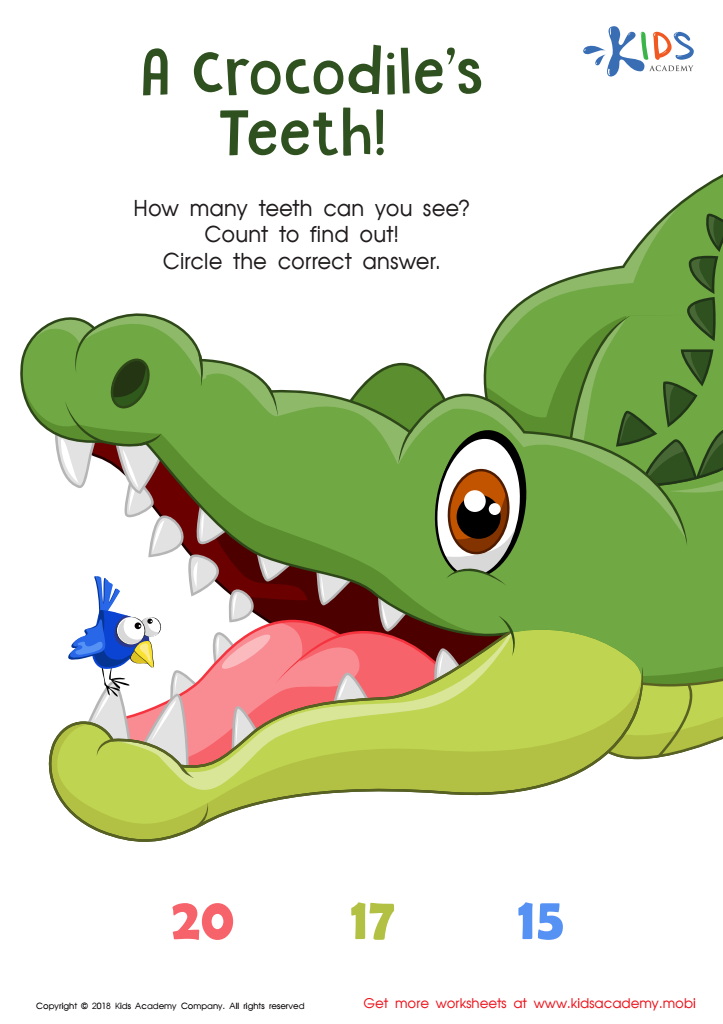
A Crocodile's Teeth Worksheet
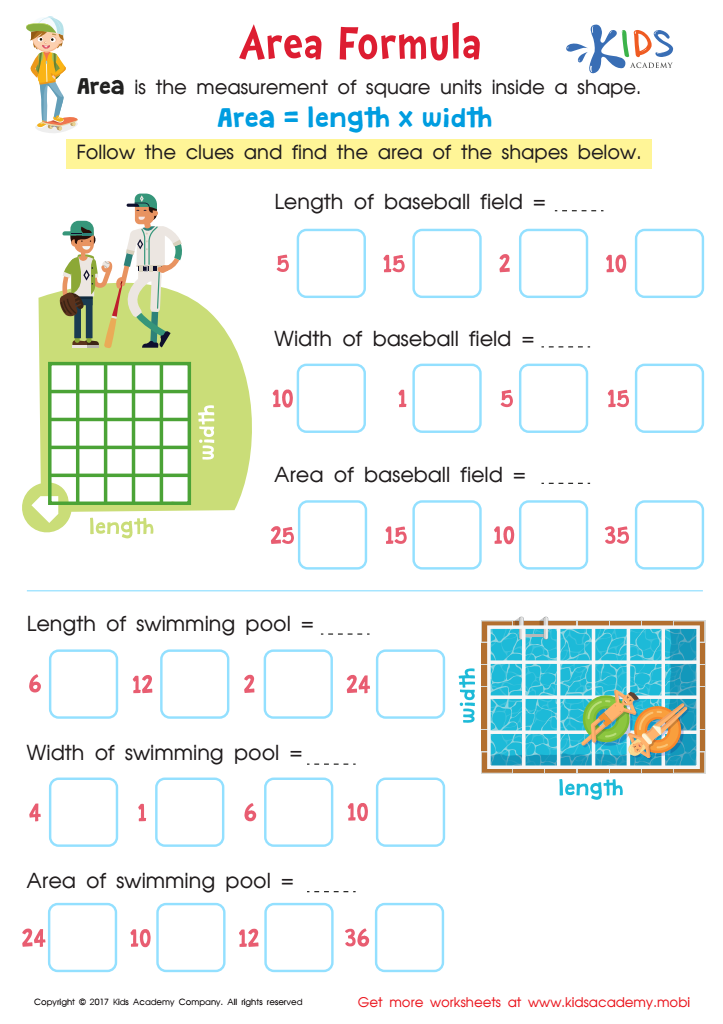
Area Formula Worksheet
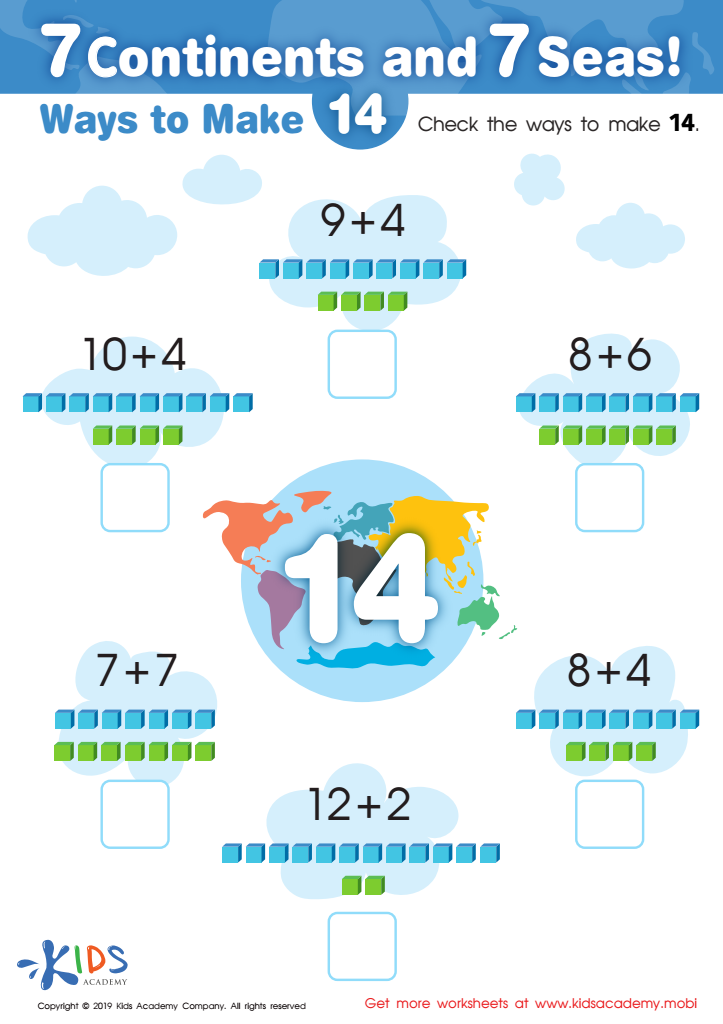
7 Continents and 7 Seas Worksheet
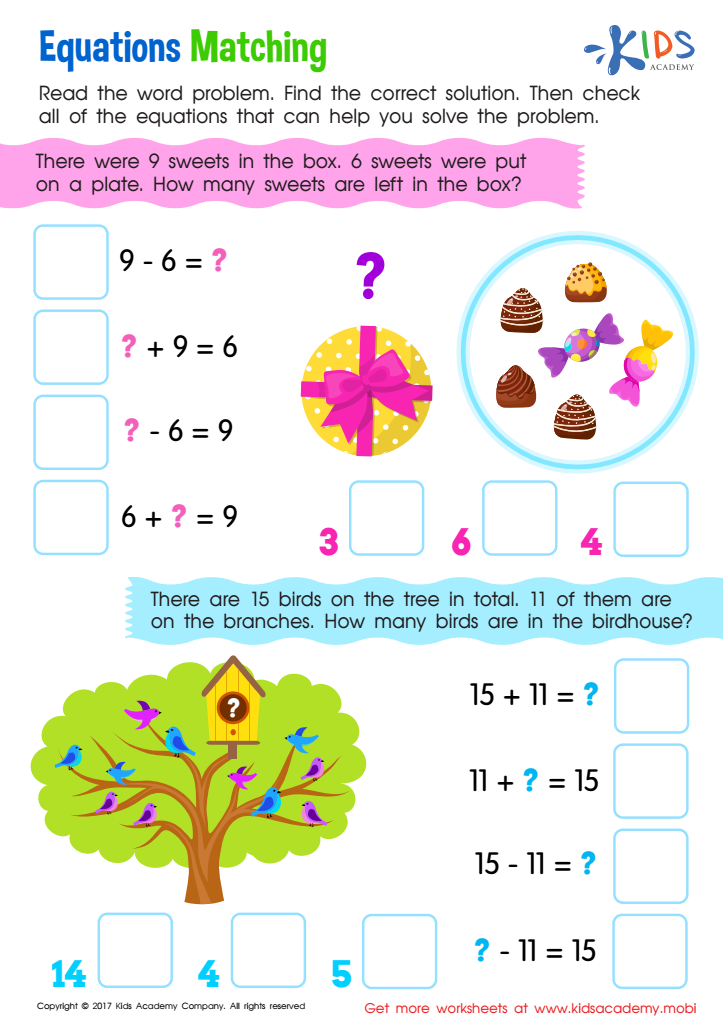
Equations Matching Word Problems Worksheet
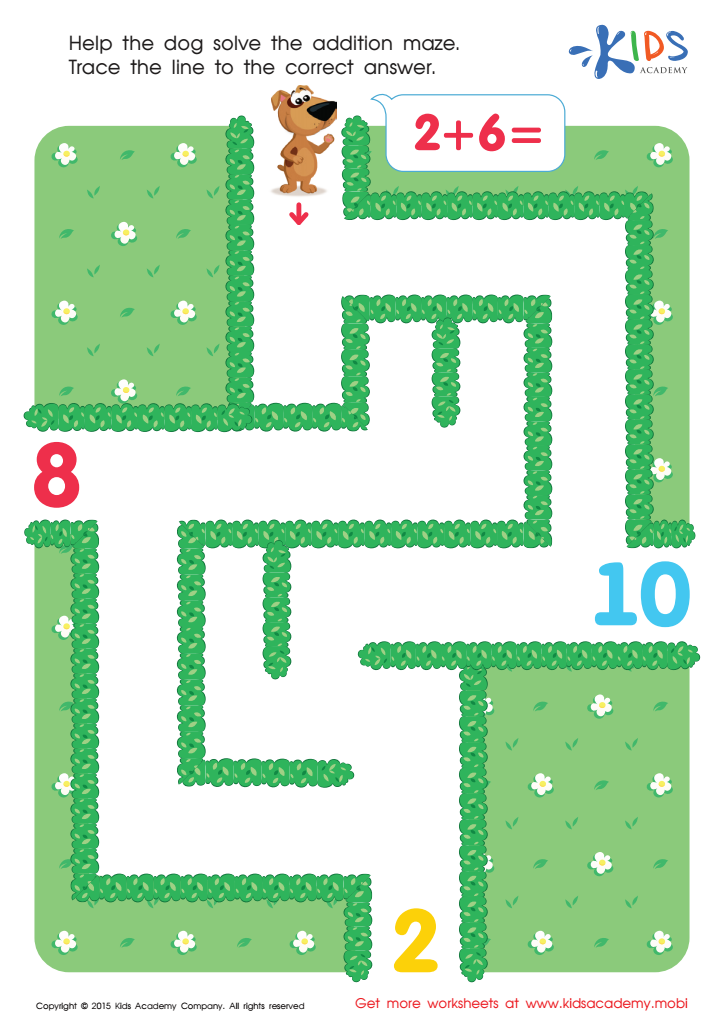
Two Plus Six Addition Worksheet
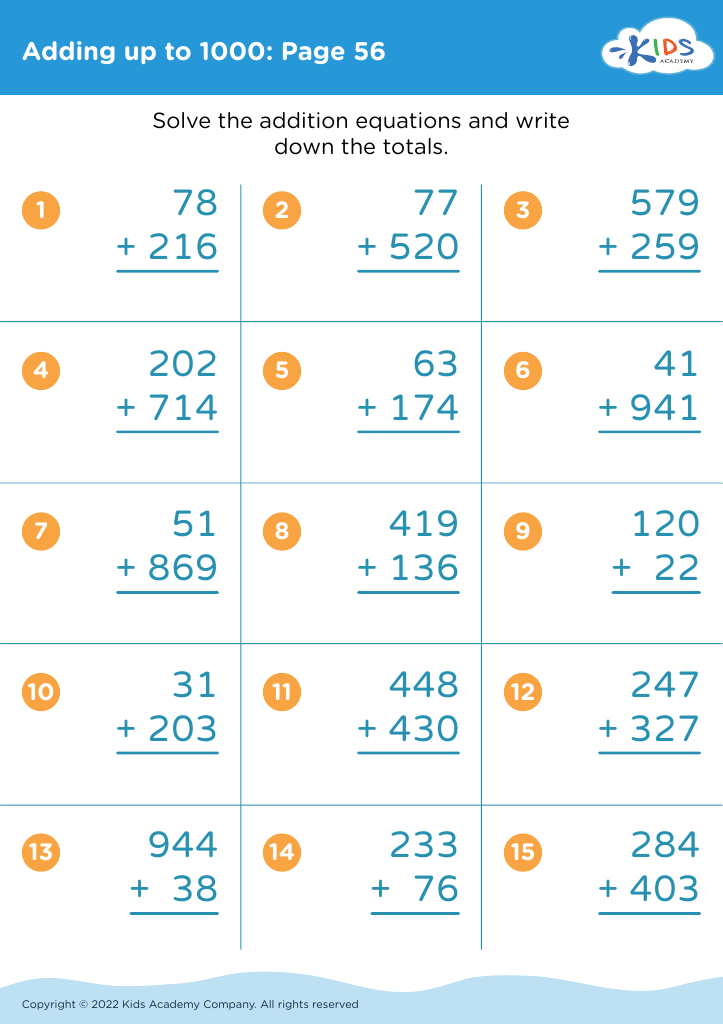
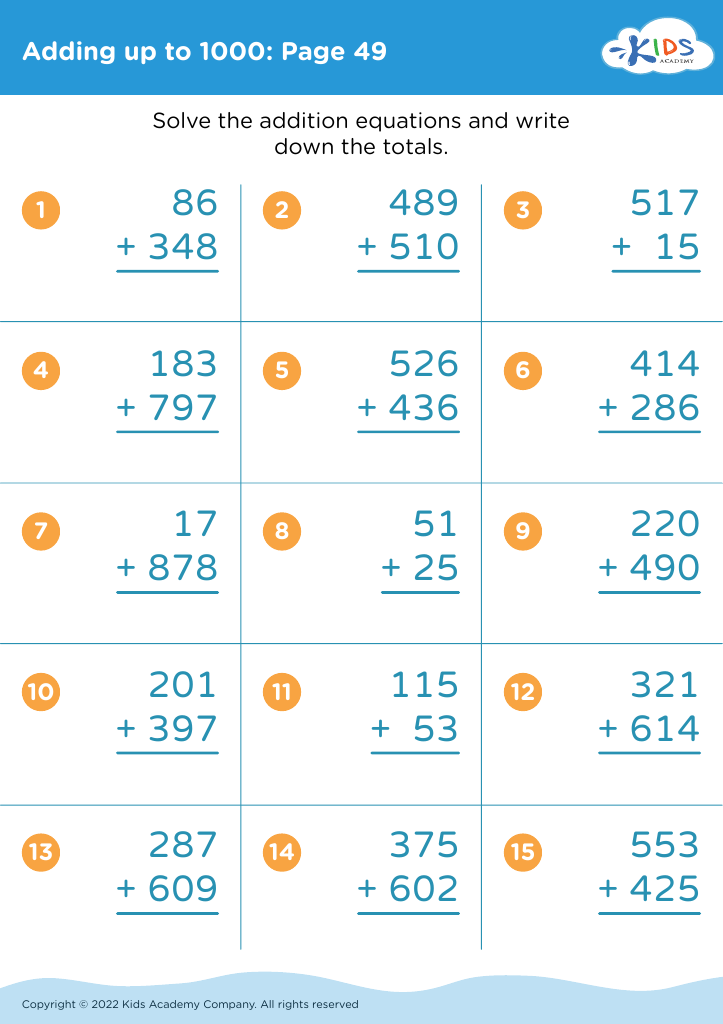
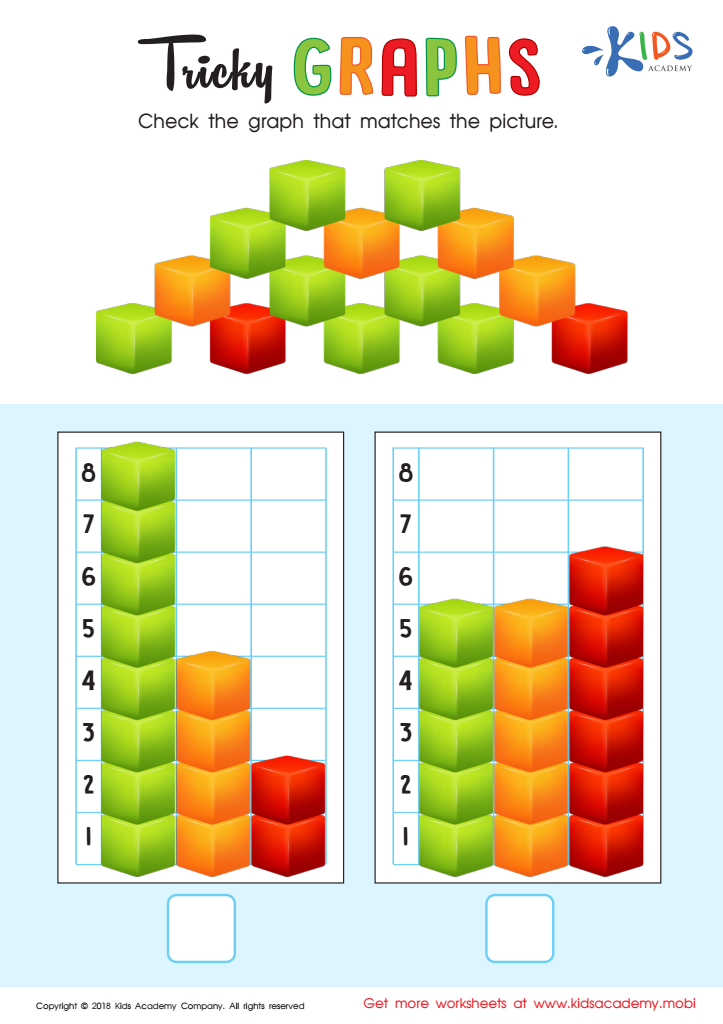
Tricky Graphs Worksheet








Mathematical reasoning is crucial for children ages 5-9 as it lays the foundation for their overall cognitive development and academic success. By focusing on reasoning, children learn to make sense of math in a meaningful way, moving beyond rote memorization of facts to understanding concepts deeply. This critical thinking skill encourages them to analyze problems, make connections, and develop strategies, promoting independence and confidence in their abilities.
Parents and teachers play a pivotal role in this developmental stage. Engaging children in mathematical reasoning cultivates their curiosity and fosters an innovative mindset. For instance, exploring patterns, solving puzzles, or discussing simple real-life scenarios helps children link mathematics to everyday life, making learning more relevant and exciting.
Additionally, strong mathematical reasoning skills are linked to greater success in more advanced topics later on. Early exposure to problem-solving and logical thinking prepares children for challenging mathematical concepts they will encounter in later grades.
Moreover, promoting a positive attitude towards math in these formative years can alleviate math anxiety, encouraging children to embrace learning new concepts actively. Thus, investing in mathematical reasoning at this young age is vital for fostering lifelong learners who appreciate the beauty and utility of mathematics.








