Numeracy skills Math Worksheets for Ages 5-9
11 filtered results
-
From - To
Explore our engaging Numeracy Skills Math Worksheets tailored for children aged 5-9! Designed to foster early math proficiency, these worksheets encompass essential skills such as counting, addition, subtraction, and number recognition. Our interactive activities make learning fun and help children develop a solid foundation in mathematics. With colorful illustrations and varied exercises, your child will boost their confidence and problem-solving abilities in a playful way. Perfect for both classroom and home use, these worksheets ensure your young learners have the necessary tools to excel in their math journey. Start nurturing a love for numbers today with our expertly crafted resources!
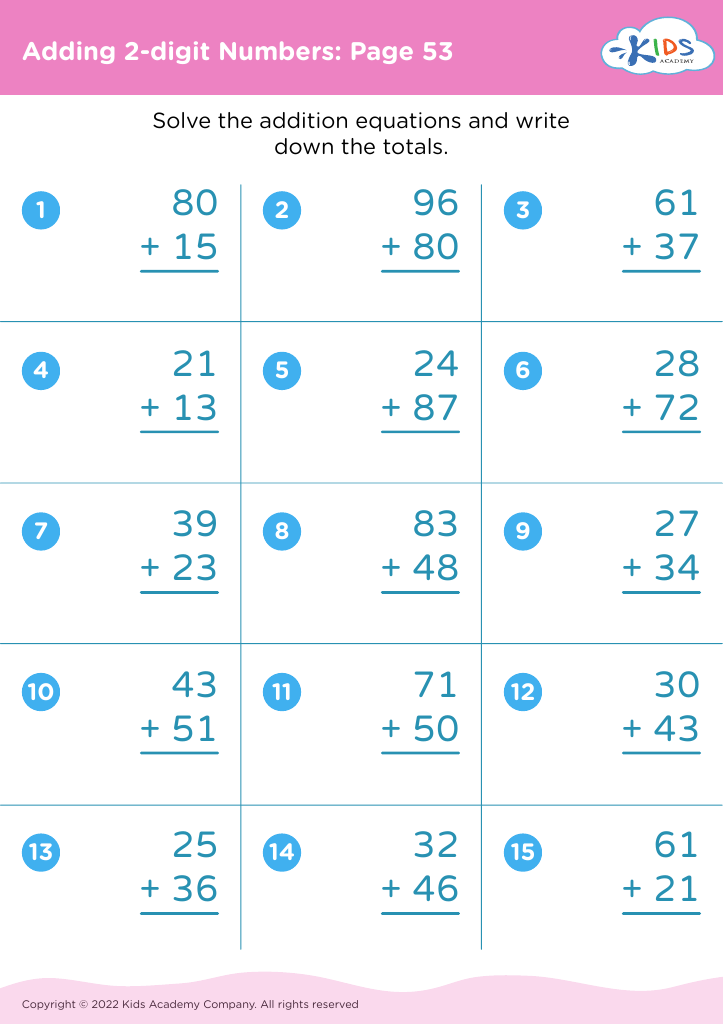
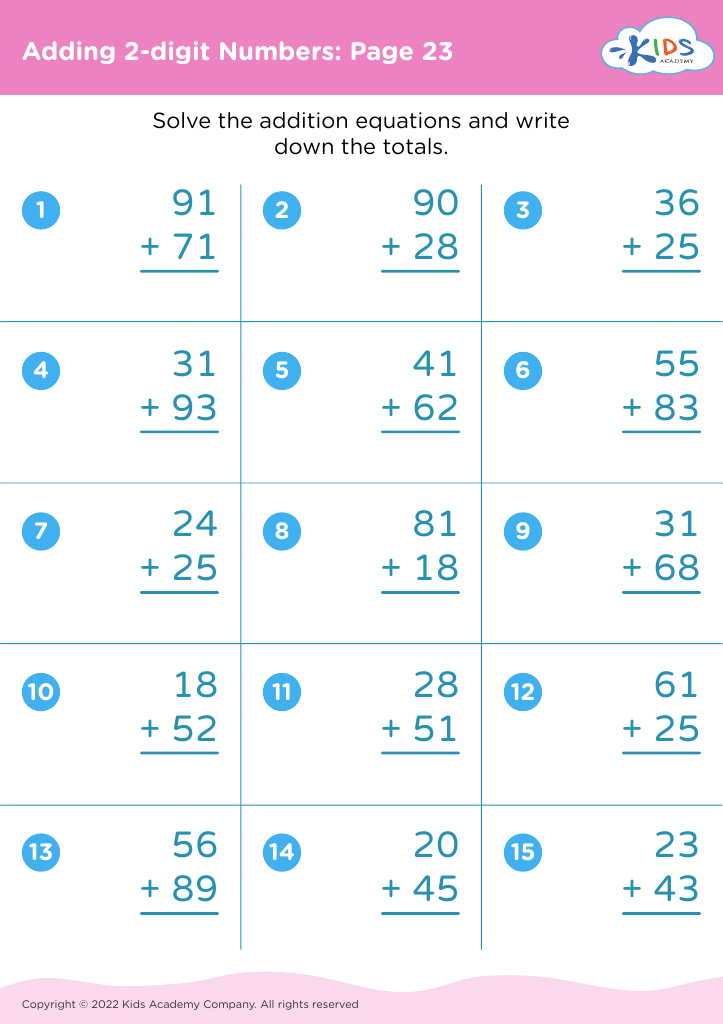
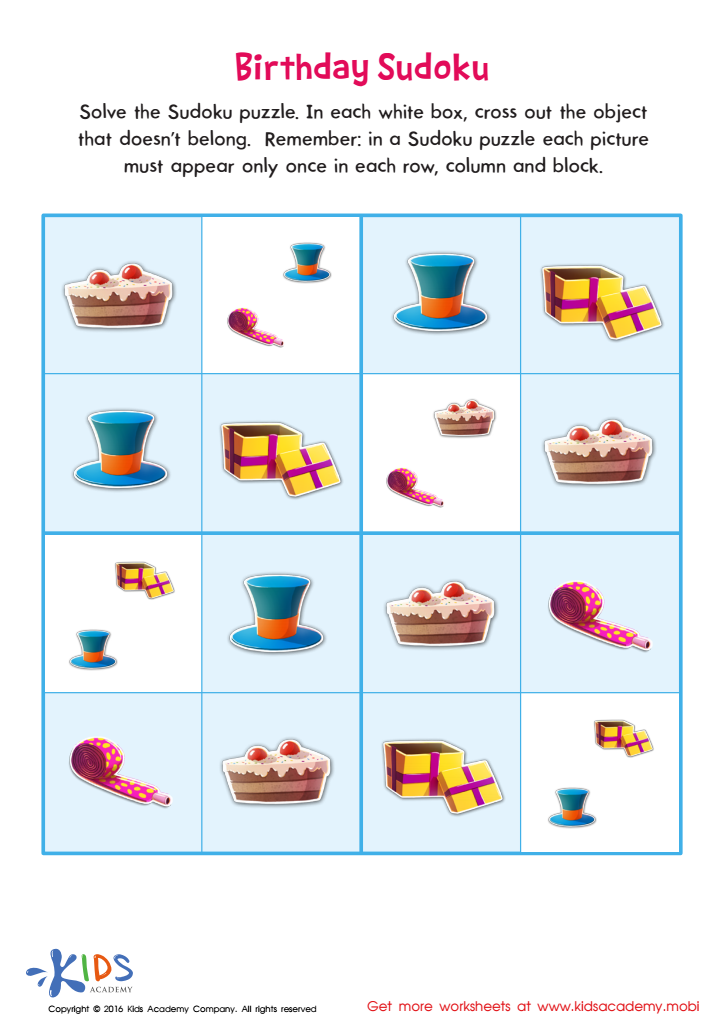
Birthday Sudoku Sorting Worksheet
 Assign to My Students
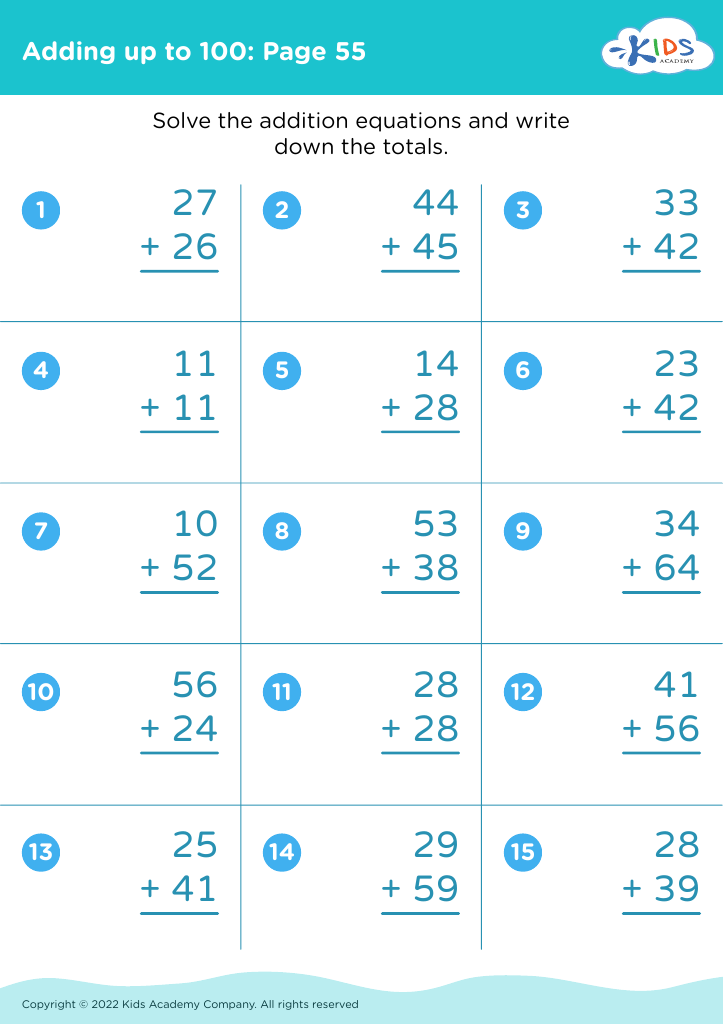
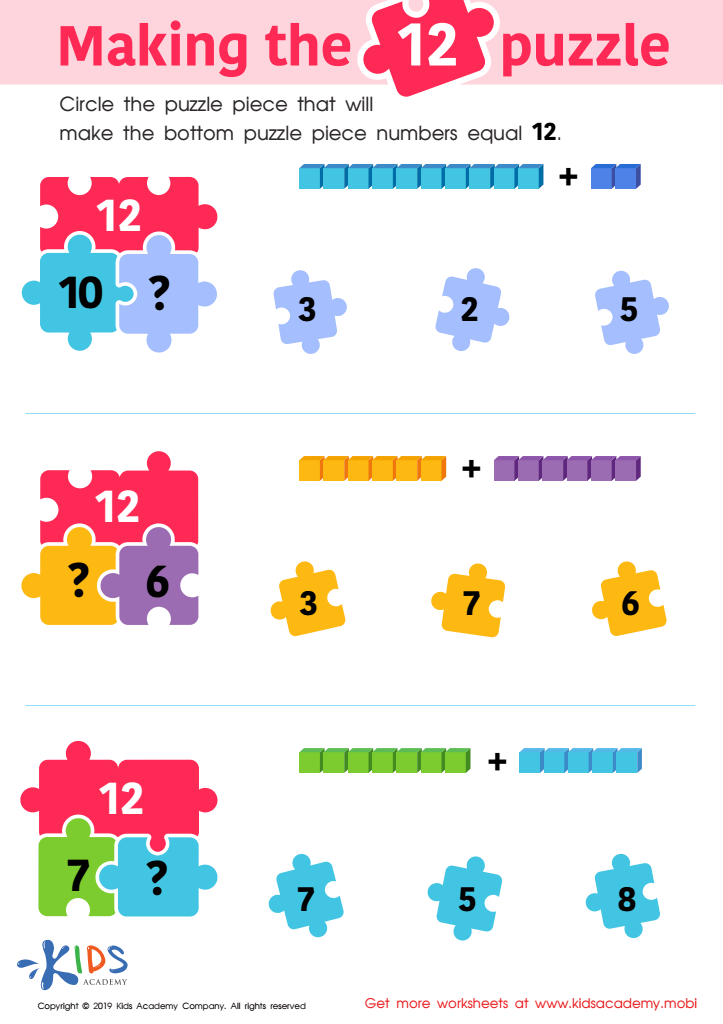
Making the 12 Puzzle Worksheet
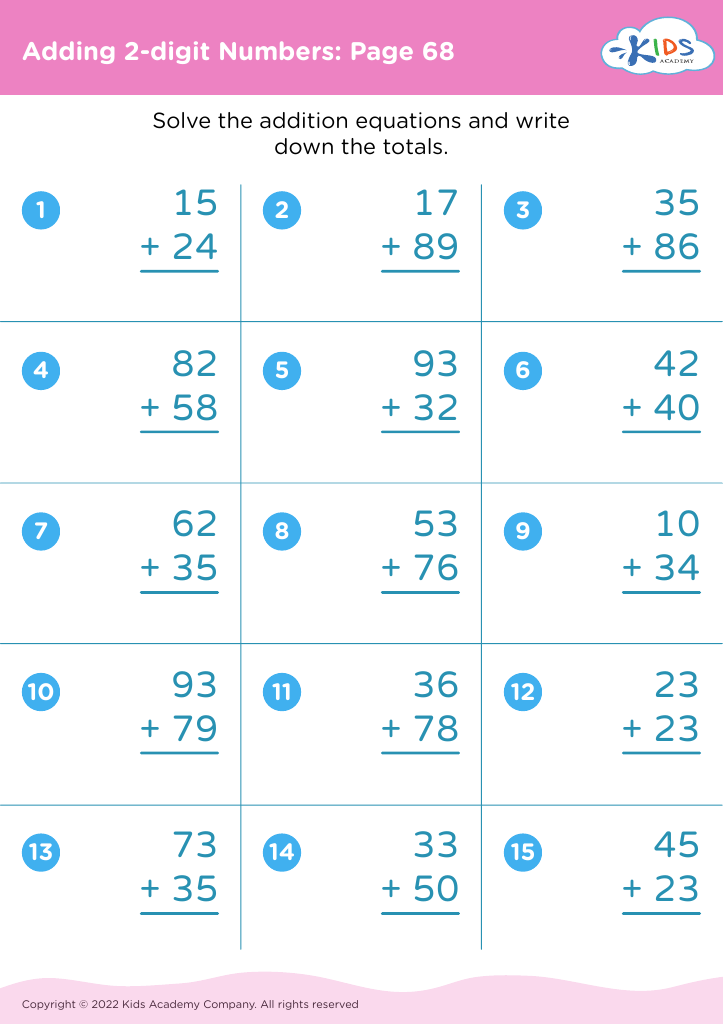
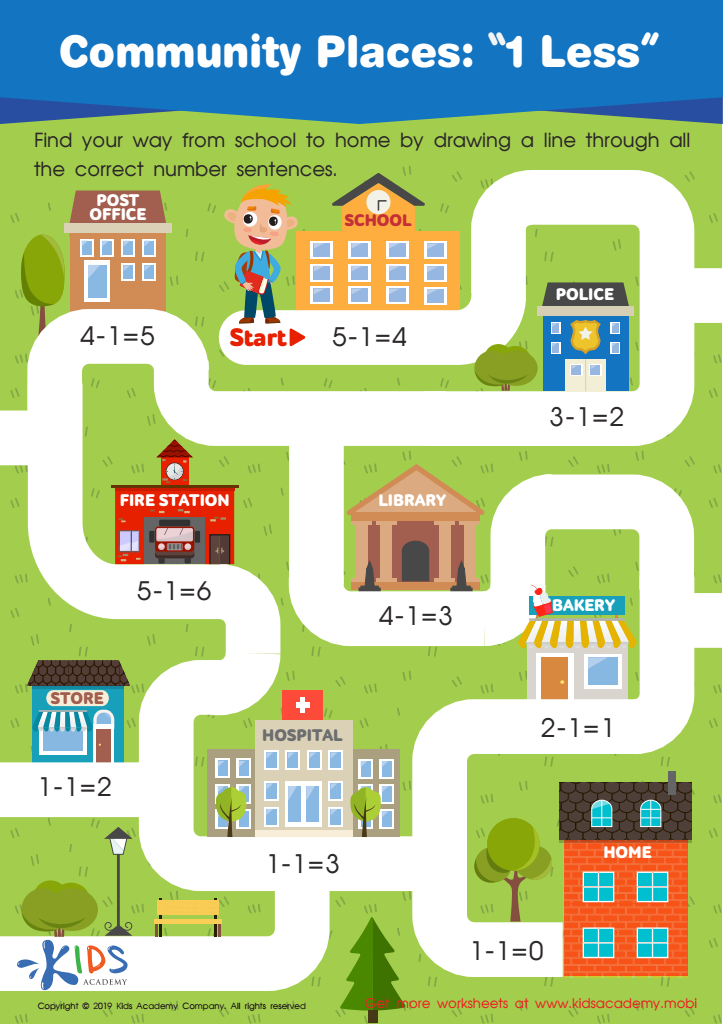
Community Places: 1 Less Worksheet
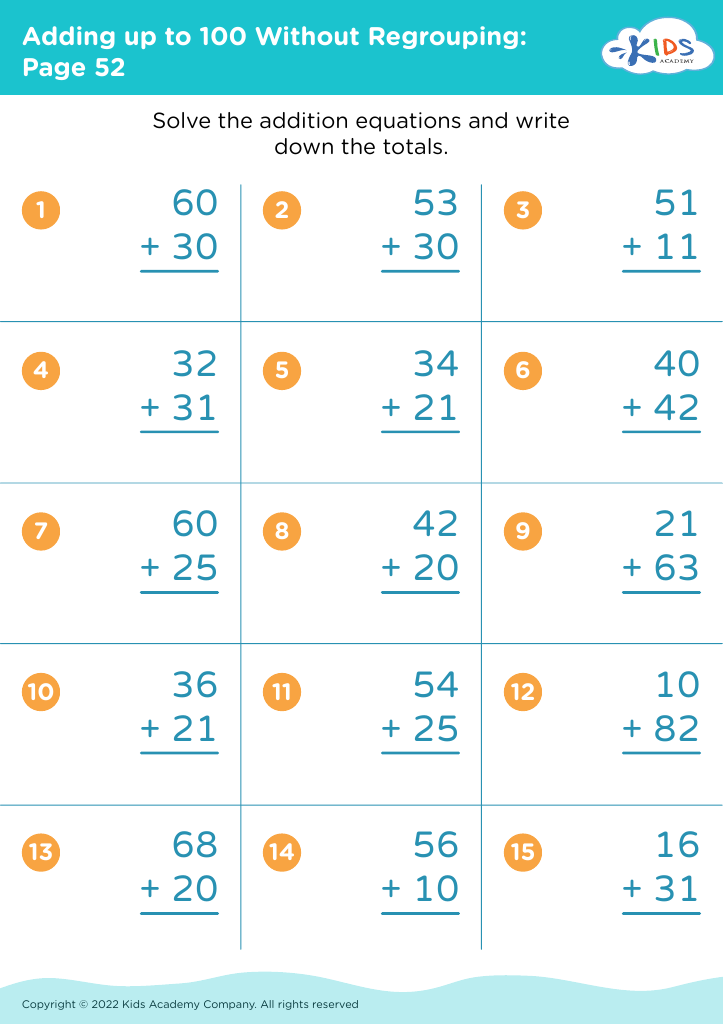








Numeracy skills are crucial for children aged 5-9 as they form the foundation for all future learning in mathematics and beyond. During these formative years, children develop essential competencies such as counting, number recognition, and basic operations like addition and subtraction. Strong numeracy skills not only enhance a child's problem-solving abilities but also foster logical thinking, critical for daily tasks and decision-making throughout life.
Moreover, children with good numeracy skills often perform better academically across subjects, as math is often integrated into other areas of learning, including science and economics. Early understanding of math concepts can bolster self-confidence, reduce math anxiety, and encourage a growth mindset.
Parents and teachers play a vital role in nurturing these skills outside of formal education settings. Engaging children in fun math-related activities at home—like cooking, shopping, or playing games—can help make numbers relatable and enjoyable. Furthermore, by recognizing early struggles with numeracy, educators and parents can intervene promptly, providing the tailored support needed to prevent future difficulties.
Investing time and resources in developing numeracy skills ultimately equips children for successful future learning, better academic performance, and positive life outcomes in an increasingly math-oriented world.








