Spatial awareness Math Worksheets for Ages 5-9 - Page 2
32 filtered results
-
From - To
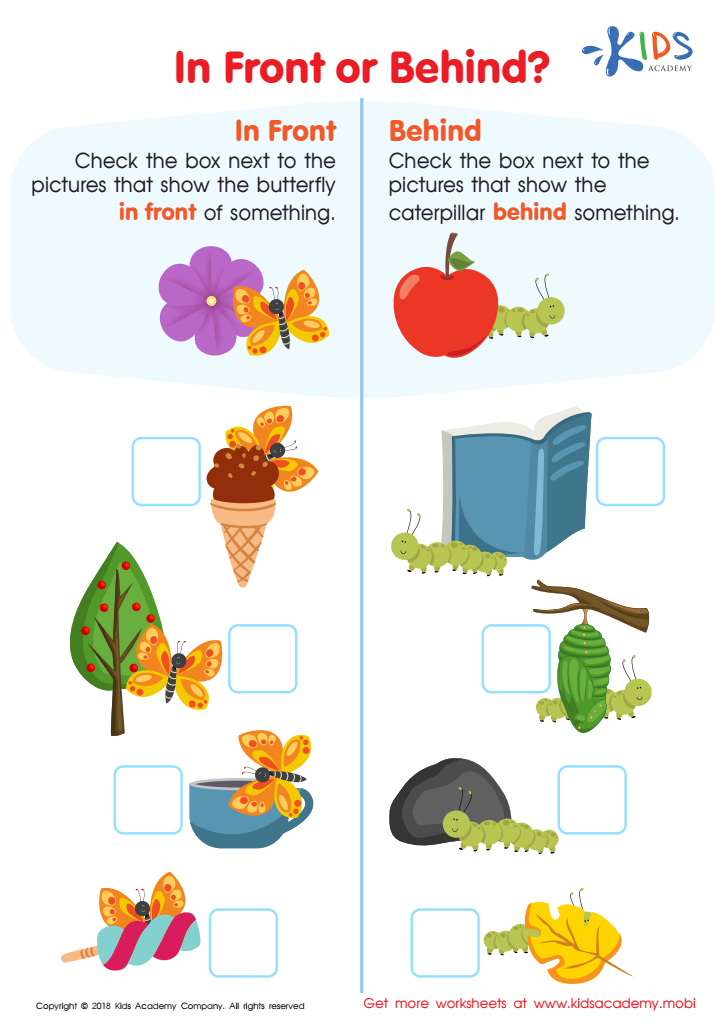
In Front or Behind Worksheet
 Assign to My Students
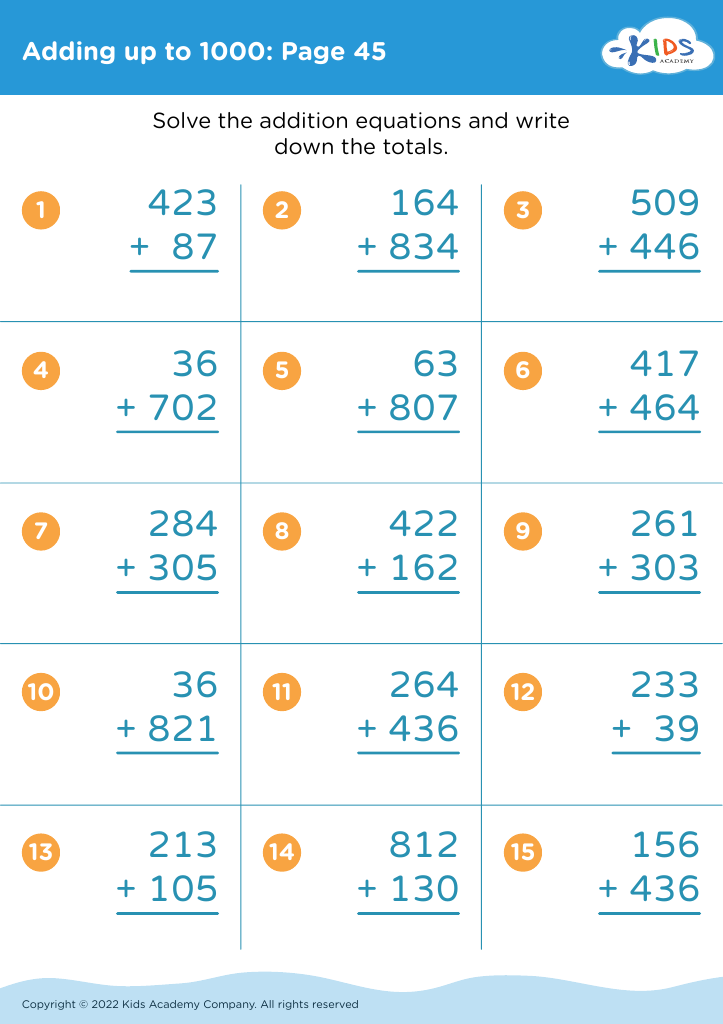
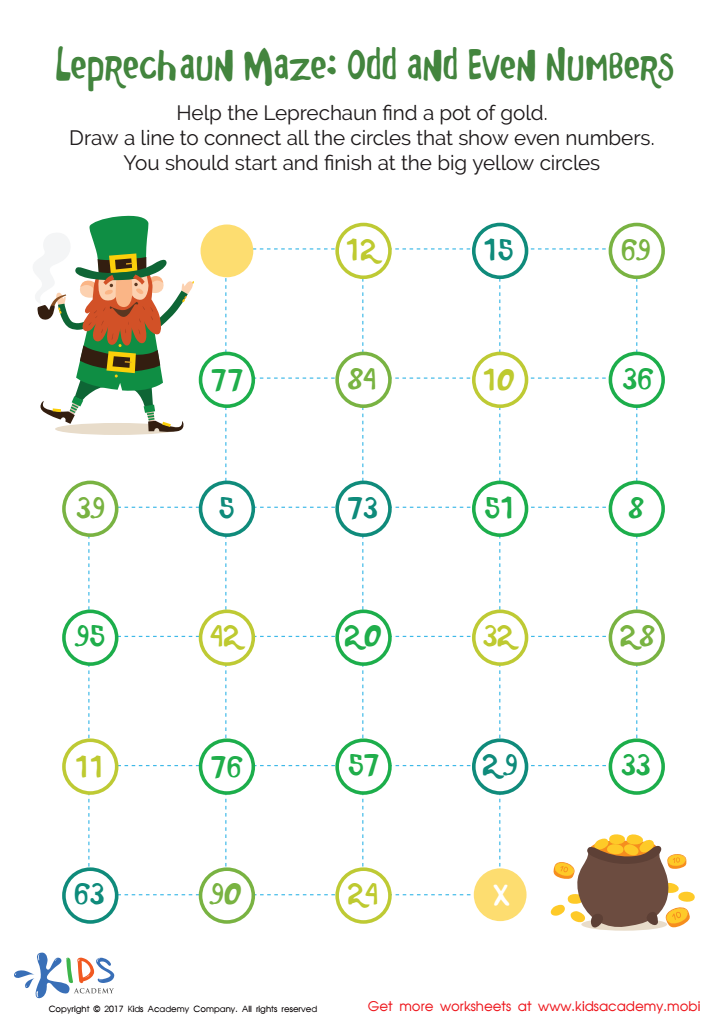
Leprechaun Maze Printable
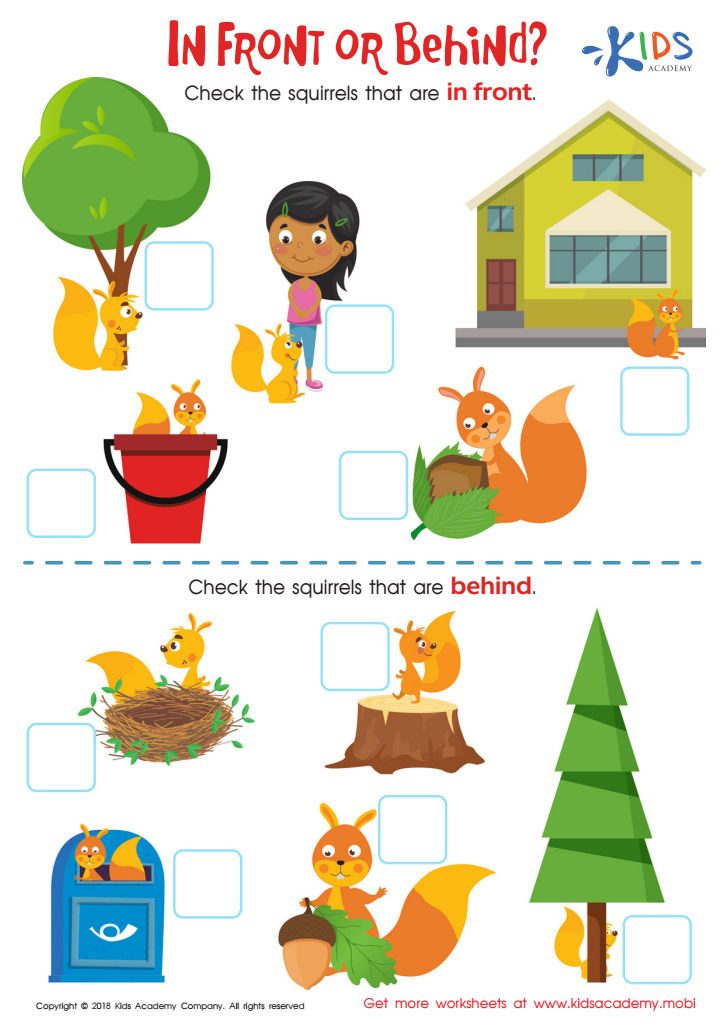
In Front or Behind: Part 2 Worksheet
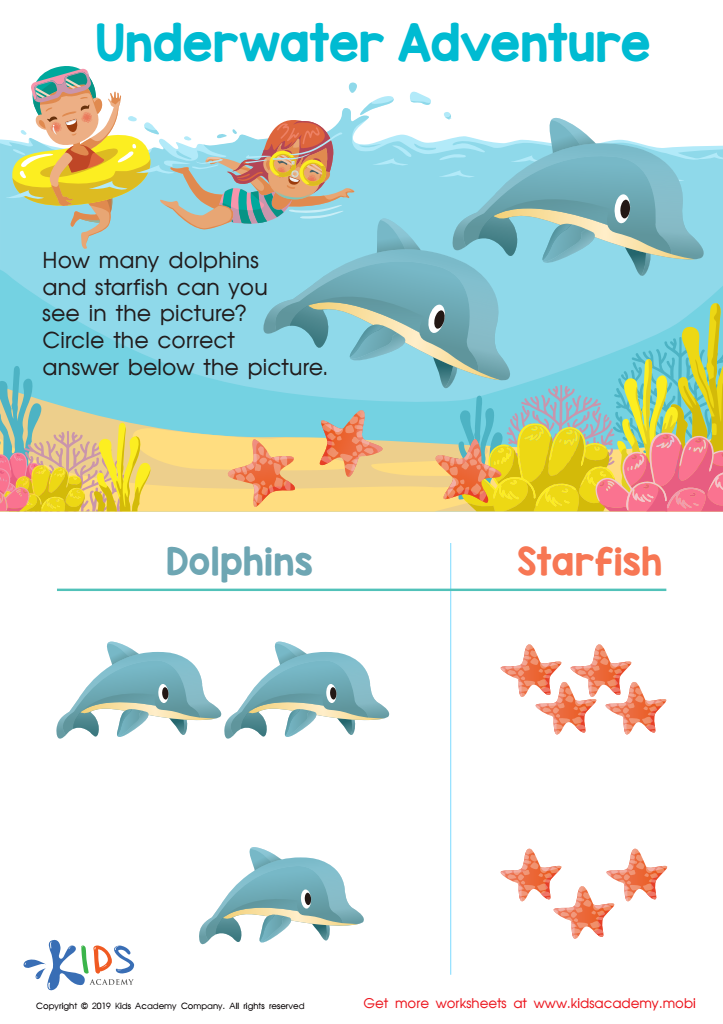
Underwater Adventure Worksheet
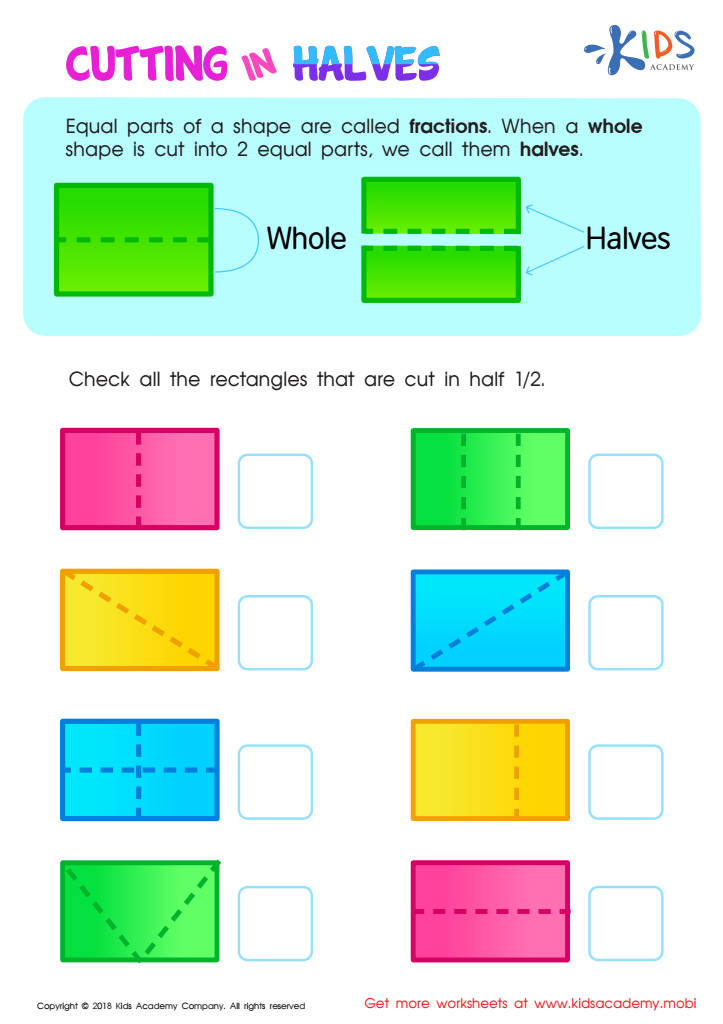
Cutting in Halves Worksheet
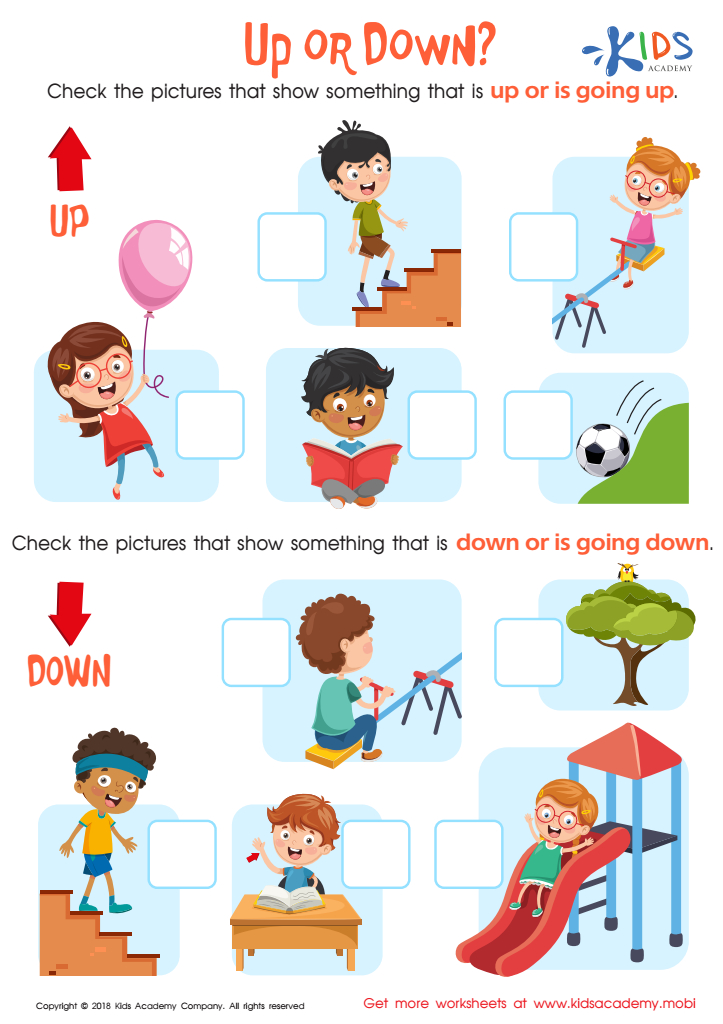
Up or Down Worksheet






Spatial awareness, the understanding of how objects relate to one another in space, plays a crucial role in a child's mathematical development, especially for ages 5-9. This foundational skill is essential for grasping advanced mathematical concepts such as geometry, measurement, and even fractions. When children develop spatial awareness, they enhance their ability to visualize shapes, sizes, and structures, which aids in problem-solving and critical thinking.
Moreover, spatial awareness is closely linked to everyday activities and learning. It intrudes into playing with building blocks, drawing, or even organizing their toys—promoting natural engagement with mathematical principles. By fostering these skills early, parents and teachers can help children build confidence and competence in math, making learning a more enjoyable experience.
Furthermore, strong spatial awareness is correlated with success in various STEM fields (science, technology, engineering, and mathematics). Children exposed to spatial reasoning activities often excel academically and are better equipped to tackle complex problems later in life. Because the early years are pivotal for cognitive development, recognizing the importance of spatial awareness can encourage supportive teaching methods that enrich children’s learning experiences, laying the groundwork for a prosperous and well-rounded future.








