Spelling practice Math Worksheets for Ages 5-9
9 filtered results
-
From - To
Welcome to our Spelling Practice Math Worksheets for ages 5-9! Our engaging worksheets combine the essential skills of spelling and mathematics, helping young learners develop their literacy and numeracy simultaneously. Tailored for early grade students, these worksheets encourage interactive learning through fun activities, puzzles, and exercises that capture children's interest. Designed to enhance essential vocabulary and problem-solving skills, our materials support diverse learning styles. Ideal for classroom use or at-home practice, these worksheets foster a love for learning while reinforcing core concepts. Empower your child’s education today with our thoughtfully crafted Spelling Practice Math Worksheets!
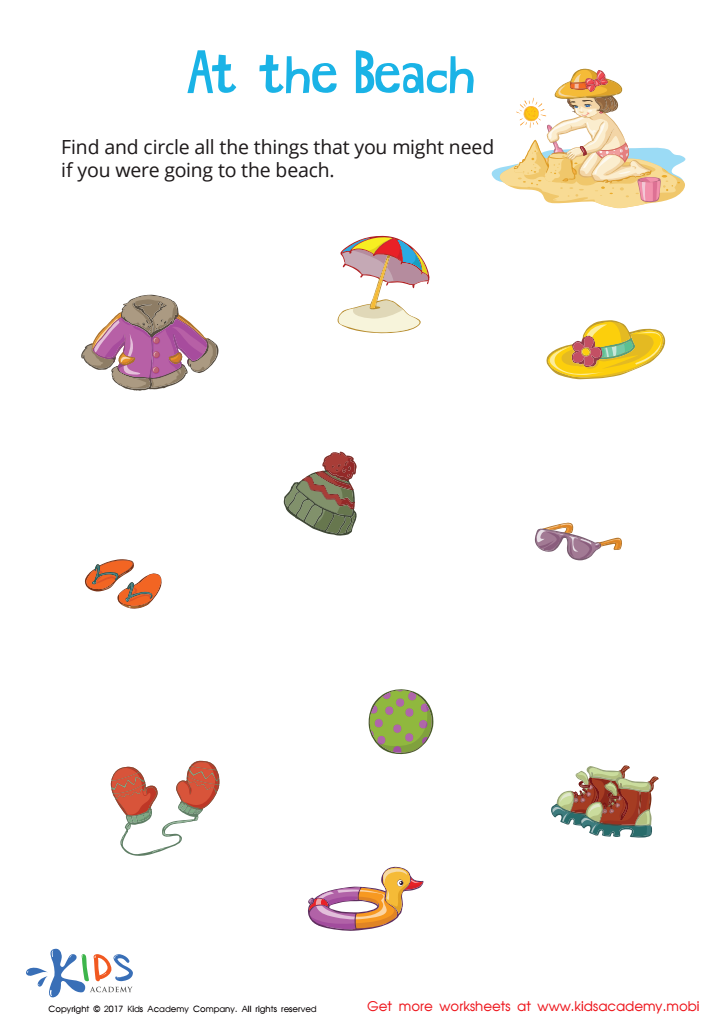
At the Beach Sorting Worksheet
 Assign to My Students
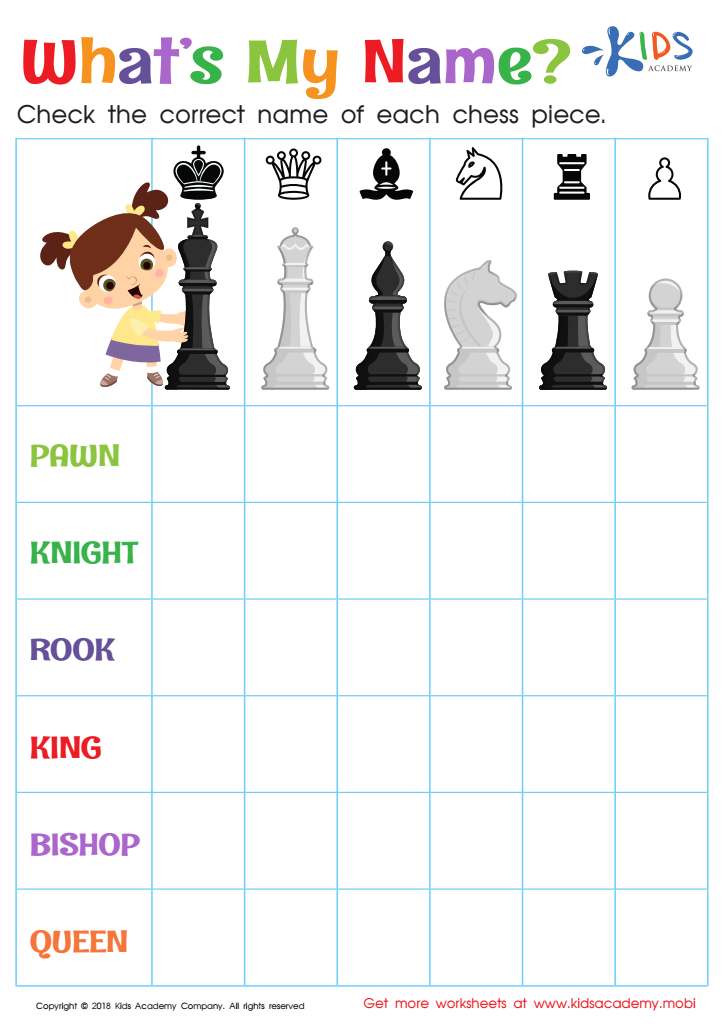
What's My Name? Worksheet
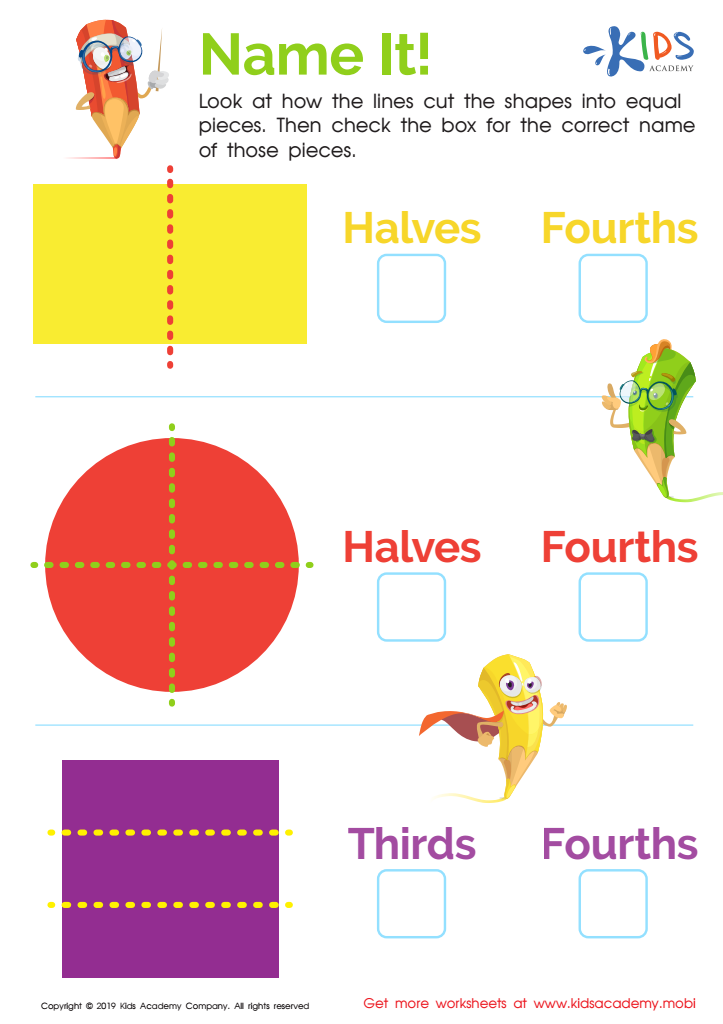
Name It! Worksheet
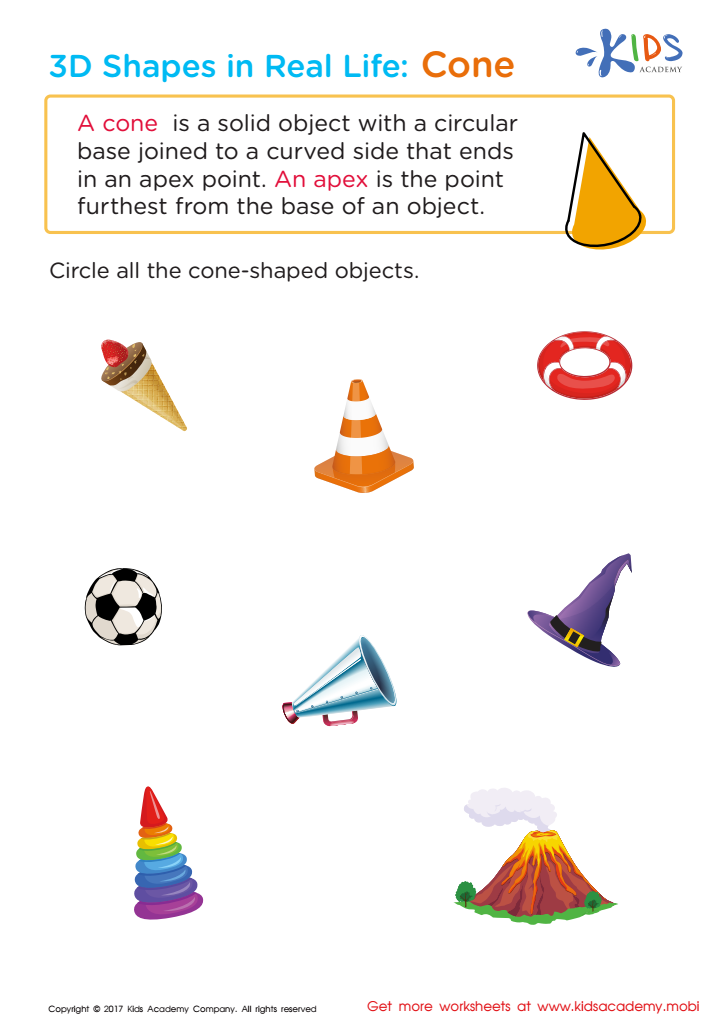
Shapes in Real Life: Cone Worksheet
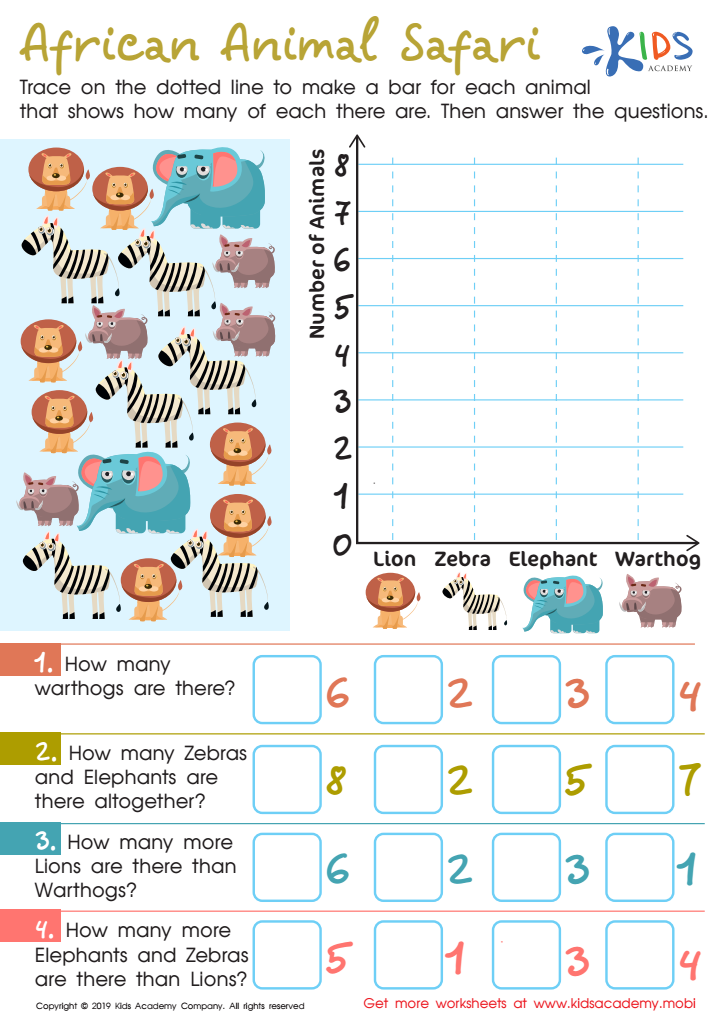
African Animal Safari Worksheet





.jpg)


Spelling practice and math are both crucial components of early childhood education, and their significance extends well beyond mere rote memorization. For children aged 5-9, engaging in spelling practice helps to develop reading skills, vocabulary, and phonetic awareness. These are foundational for effective communication and literacy, essential for success in all academic areas. As students learn to spell words accurately, they also enhance their ability to decode new vocabulary, ultimately improving their reading comprehension.
In tandem, math skills are equally vital during these formative years. Conceptual understanding of numbers, shapes, and problem-solving nurtures logical thinking and everyday application. Integrating spelling with math can create a more comprehensive learning experience. For instance, labeling shapes, writing out math problems, or spelling numbers encourages children to connect language arts and numeracy, fostering a more holistic educational approach.
Furthermore, consistent practice in both areas helps build confidence, encourages a love for learning, and prepares children for more advanced academic tasks. By supporting children in spelling practice and math, parents and teachers empower them to develop critical thinking skills and effective communication, setting the stage for lifelong learning and personal growth. Prioritizing these areas creates a strong foundation for future success in school and beyond.








