Time-telling skills Math Worksheets for Ages 5-9
5 filtered results
-
From - To
Unlock your child’s potential with our Time-telling Skills Math Worksheets for ages 5-9! These engaging, educational worksheets from Kids Academy are expertly designed to boost your child's confidence and accuracy in reading clocks. Covering both analog and digital formats, our resources cater to various learning paces and styles. From mastering hours and minutes to understanding daily schedules, each activity builds a crucial life skill through fun exercises and vivid illustrations. Empower your young learner today and help them make time-telling second nature with our age-appropriate, well-structured math worksheets! Visit our page and see the difference!
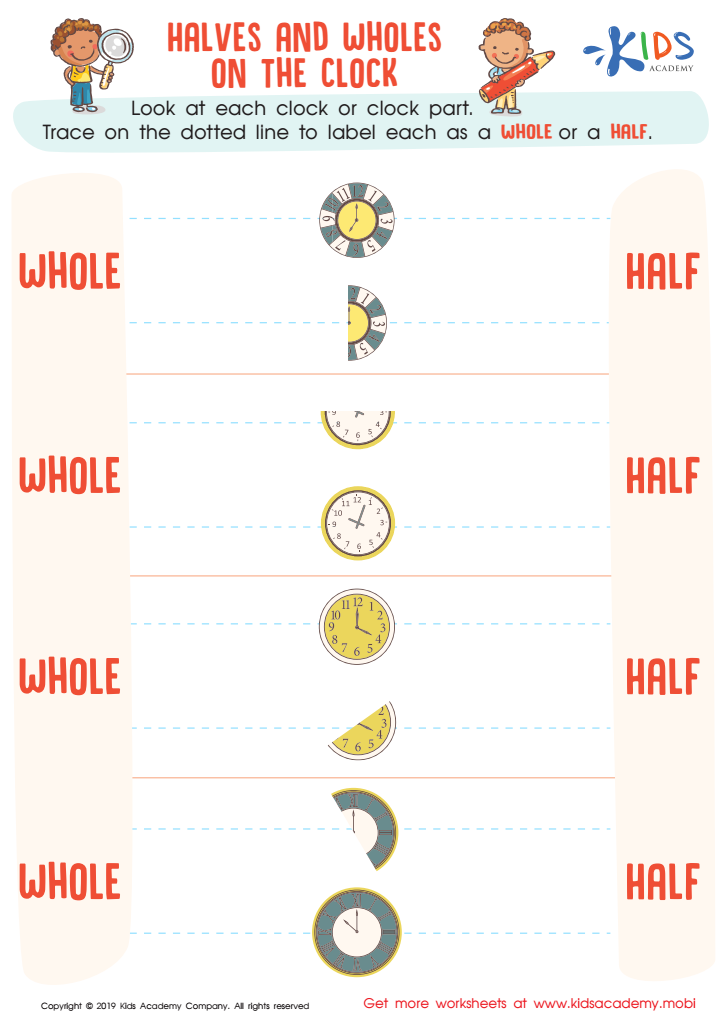
Halves and Wholes on the Clock Worksheet
 Assign to My Students
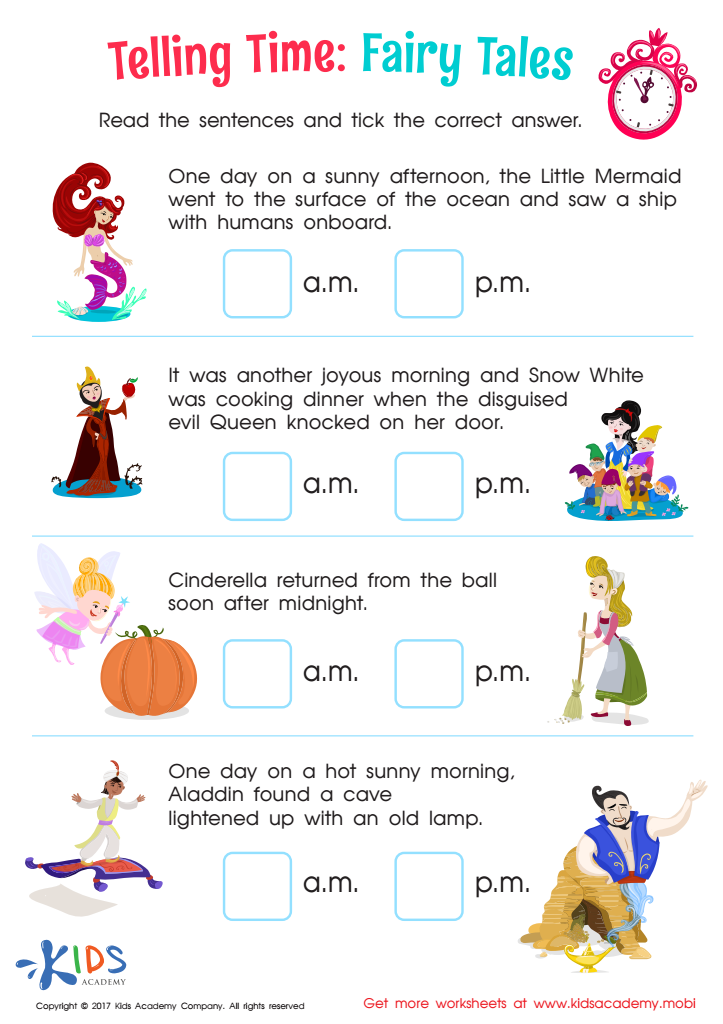
Telling Time: Fairy Tales Worksheet
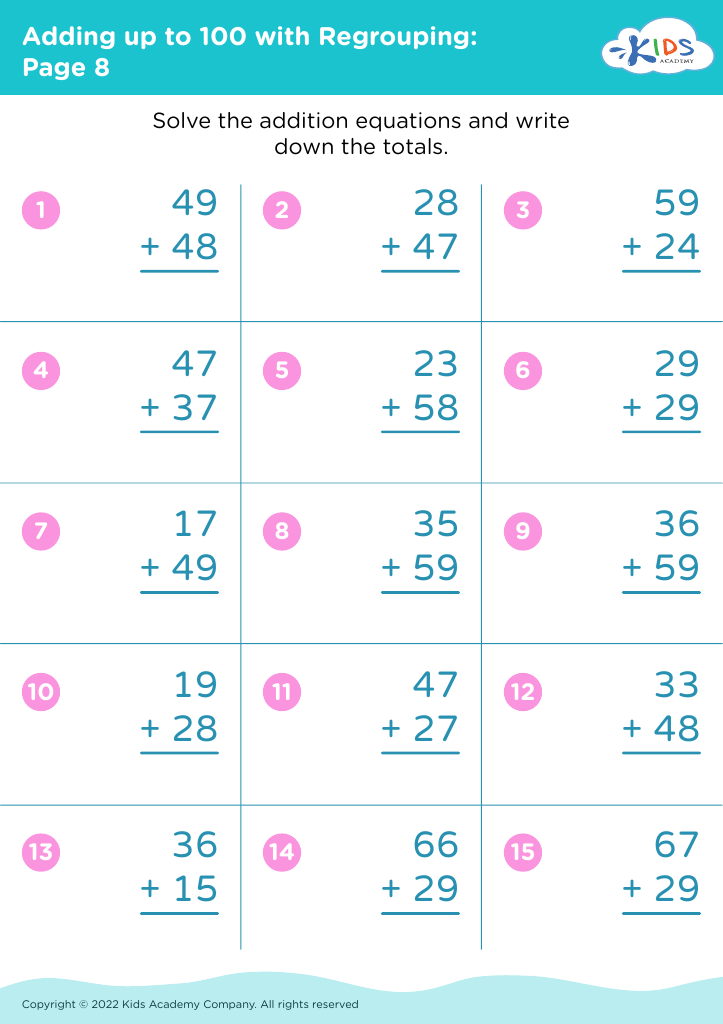
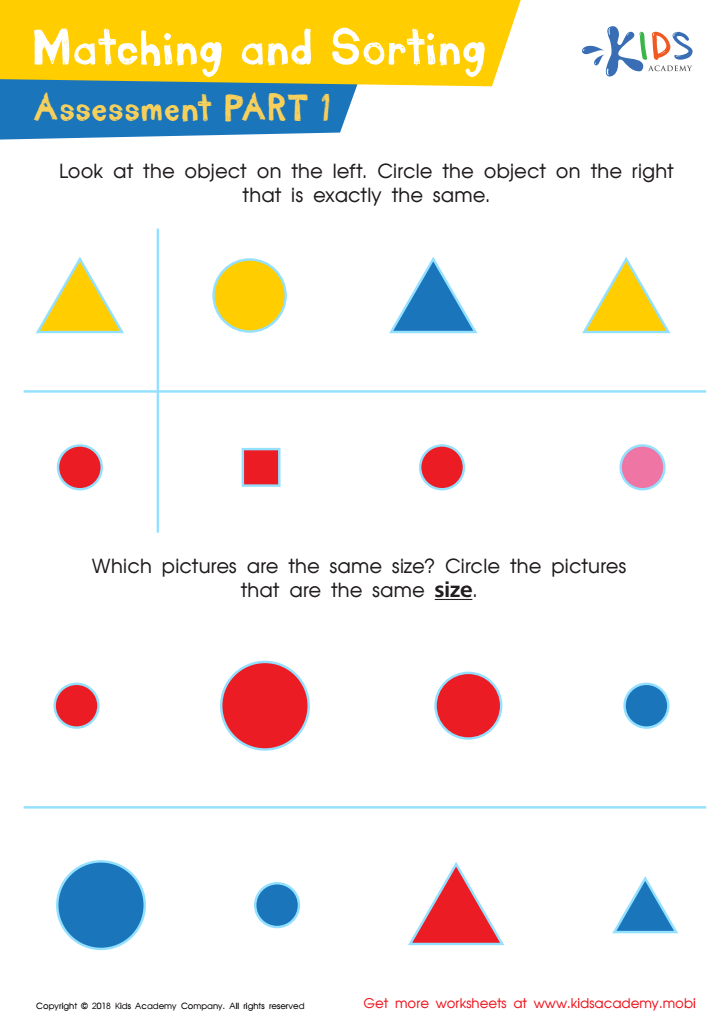
Matching and Sorting for Kindergarten: Assessment 1 Worksheet
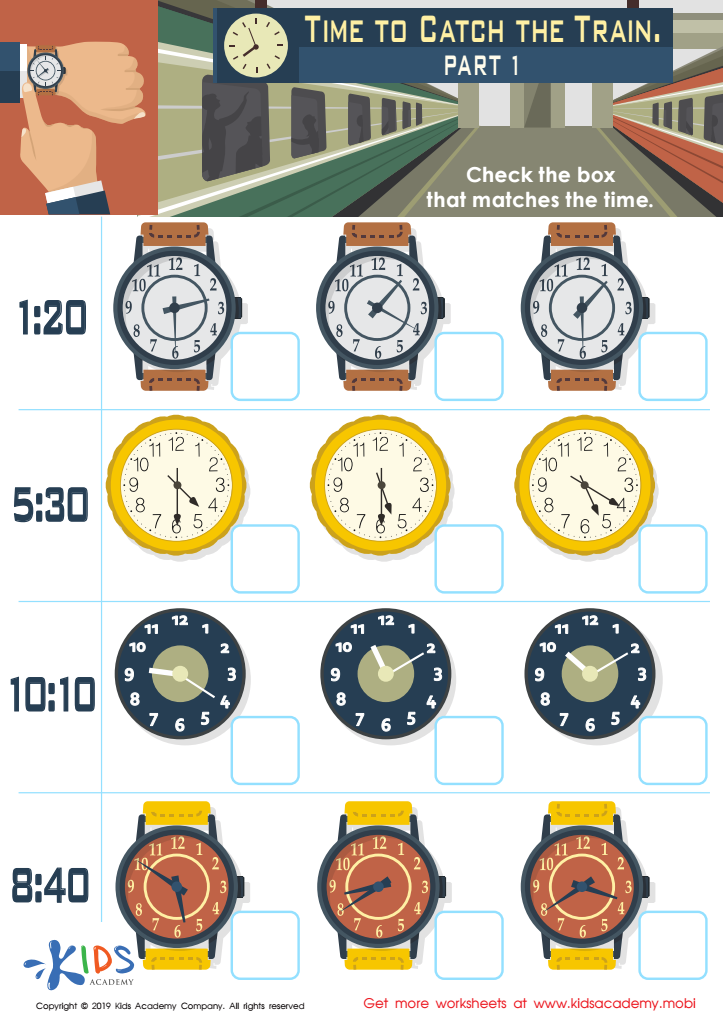
Time to Catch the Train Part 1 Worksheet







Time-telling skills are fundamental for young children's daily routines and overall development. For ages 5-9, grasping how to tell time does much more than just aid in their understanding of hours and minutes. It plays a pivotal role in developing critical mathematical skills, including number recognition, sequencing, and pattern identification. Knowing how to tell time supports children's ability to estimate durations and understand fractions, such as half-past, a quarter to, etc., and lays the groundwork for more complex math concepts they will encounter later.
For parents and teachers, focusing on time-telling is about giving children tools to manage their day-to-day activities effectively. It helps kids build an intrinsic sense of time management and responsibility. Children who can tell time are better at keeping track of their schedule, which is essential for punctuality and organization, valuable life skills that will benefit them indefinitely.
Moreover, learning to tell time fosters independence and self-reliance in young children. It allows them to grasp the concept of time passing, promoting patience and the ability to wait. It also offers practical engagement with everyday mathematical concepts, making math feel more relevant and less abstract. So, prioritizing time-telling skills is ultimately an investment in a child's holistic academic and personal growth.








