
Understand sequences Math Worksheets for Ages 5-9
5 filtered results
Difficulty Level
Grade
Age
-
From - To
Subject
Activity
Standards
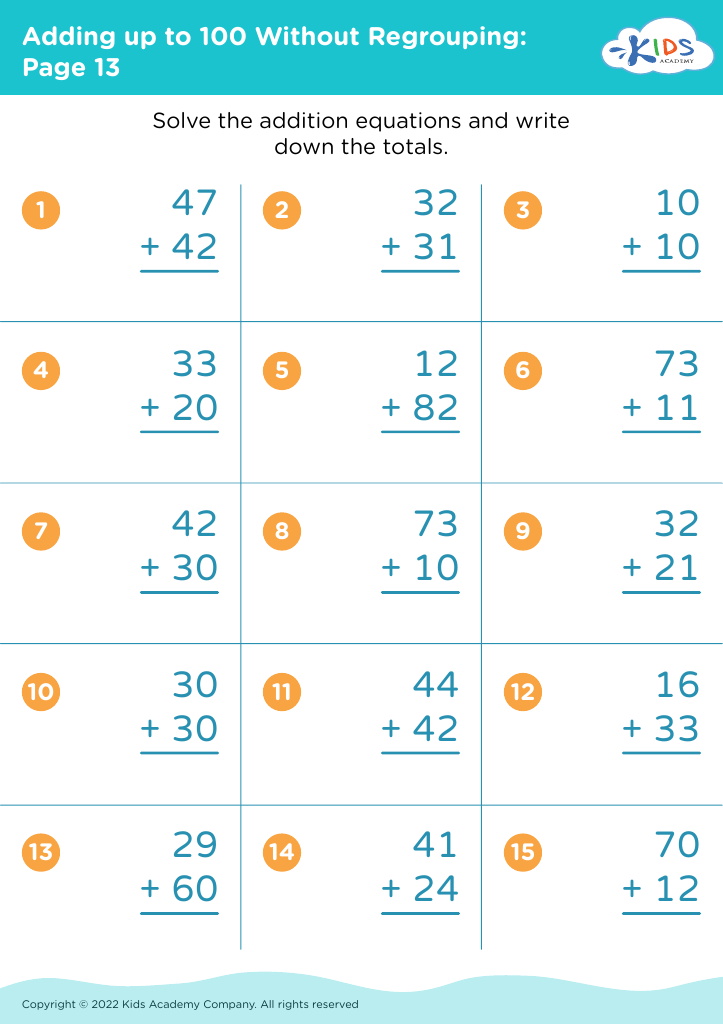
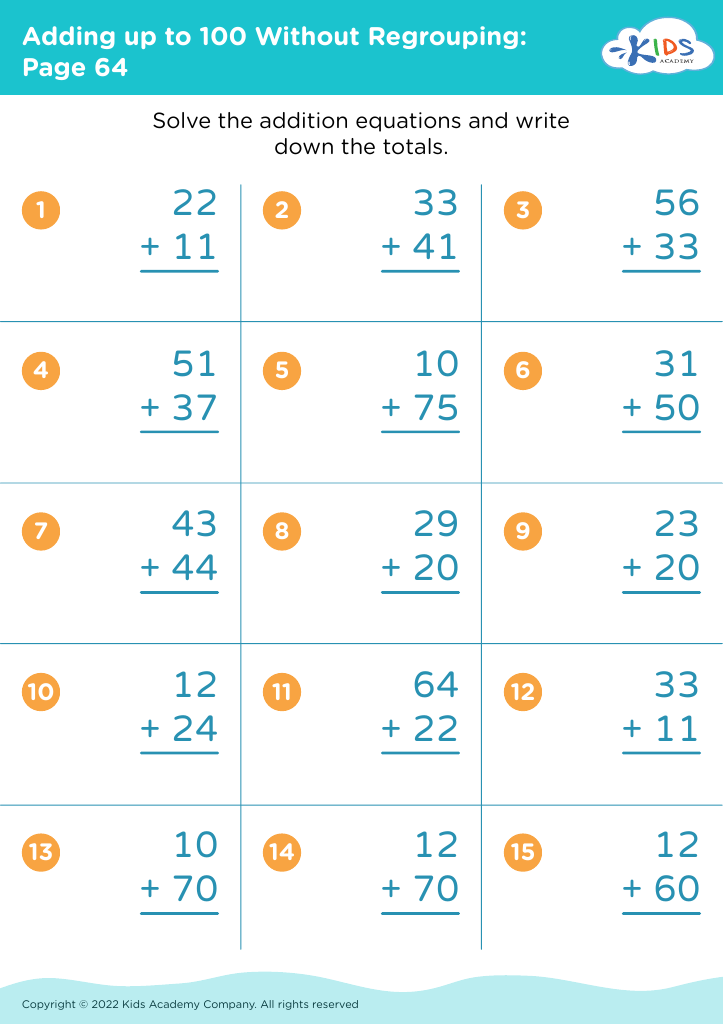
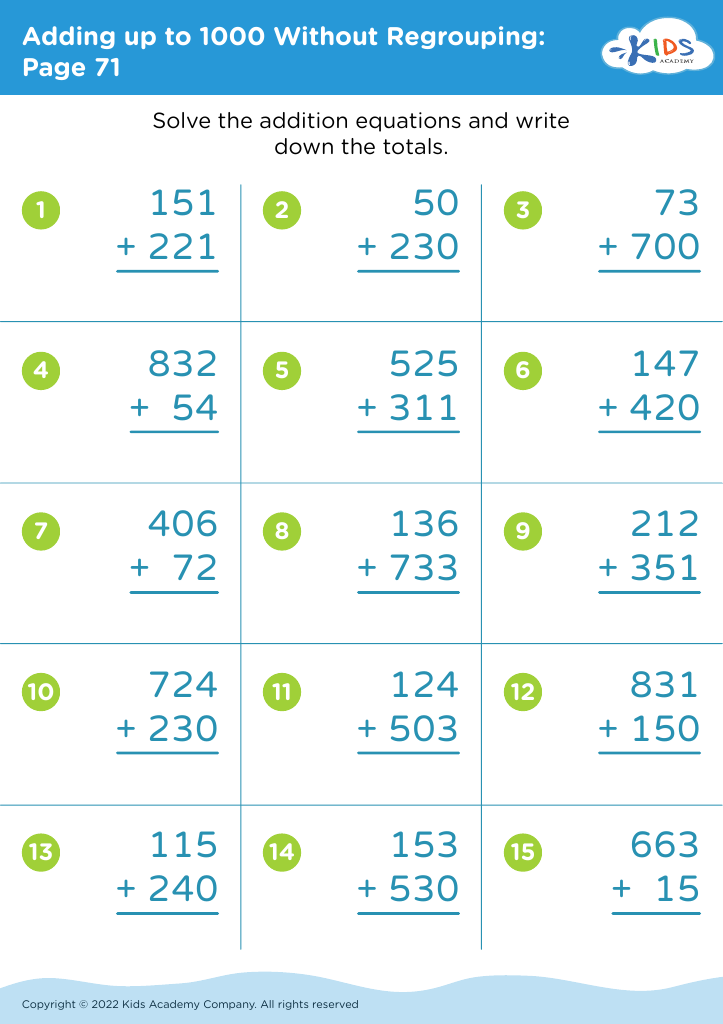
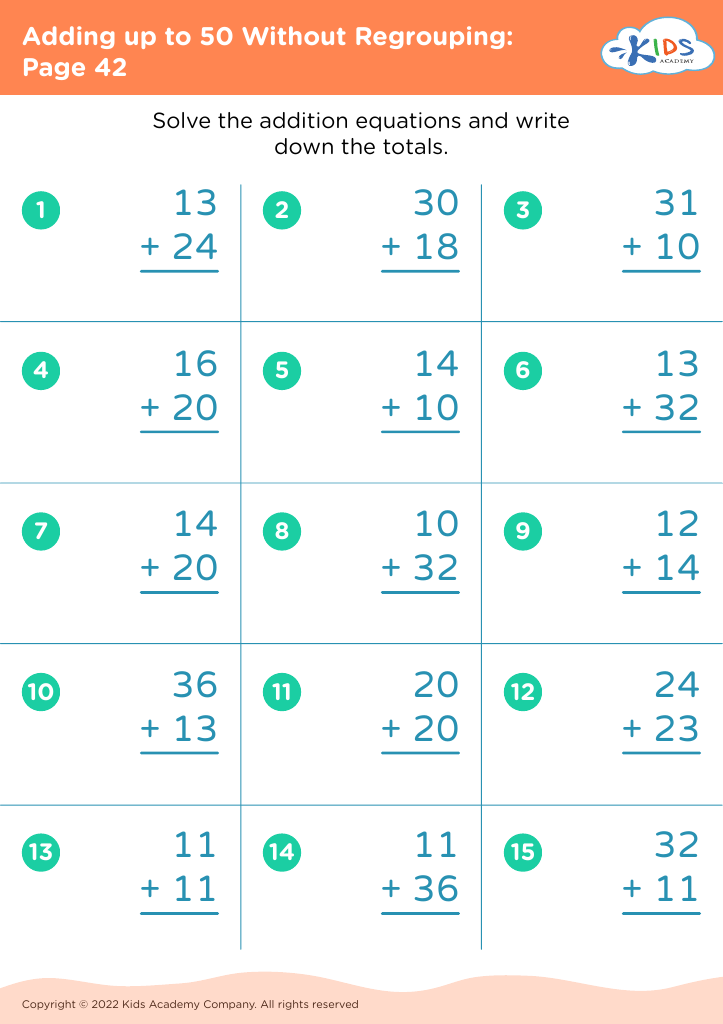
Discover our engaging "Understand Sequences Math Worksheets" designed for children ages 5-9! These worksheets provide a fun and interactive way for young learners to grasp the concept of sequences, a fundamental math skill. Each activity is tailored to challenge and reinforce understanding through colorful visuals and step-by-step exercises. Kids will practice identifying patterns, continuing sequences, and more, promoting critical thinking and problem-solving skills. Ideal for classrooms or at-home learning, these worksheets make mastering sequences enjoyable and effective. Encourage your child’s mathematical development with our thoughtfully created resources, ensuring a strong foundation for future learning! Explore the full collection today!
Favorites
With answer key
Interactive
Join Kids Academy for Free
Who is primarily going to use this learning content?


%20(1).jpg)





Understanding sequences in math is crucial for children aged 5-9 as it lays the foundation for essential mathematical concepts they will encounter throughout their educational journey. Sequences are patterns that can be identified in numbers, shapes, and events. When children learn to recognize and create sequences, they develop critical thinking and problem-solving skills, which are vital for higher-level math and other subjects.
For parents and teachers, nurturing this skill encourages logical reasoning, promoting cognitive development. Sequences foster an understanding of order and relationships, helping children to predict outcomes and make connections between ideas. Mastery of simple sequences allows children to grasp more complex concepts later, such as algebra and functions.
Moreover, engaging with sequences keeps math fun and interactive, serving as an effective teaching tool that can enhance enthusiasm and curiosity in young learners. Activities like counting games, patterns in nature, or sequencing everyday routines can easily be integrated into home or classroom environments, enriching children's learning experiences. By focusing on sequences, parents and teachers equip children with the skills to think critically and understand the world around them, setting a strong mathematical foundation for lifelong learning.








