Understanding mass Math Worksheets for Ages 5-9
3 filtered results
-
From - To
Discover our "Understanding Mass" math worksheets designed specifically for children ages 5-9. These engaging resources introduce foundational concepts of mass through fun activities and colorful visuals. Children will learn to compare weights, understand measurement units, and build essential math skills using practical examples. Our worksheets are perfect for enhancing classroom learning or providing additional practice at home. With a variety of exercises tailored to different learning styles, students will gain confidence as they explore the concept of mass. Equip your young learners with the tools they need to succeed in math by exploring our thoughtfully crafted worksheets today!
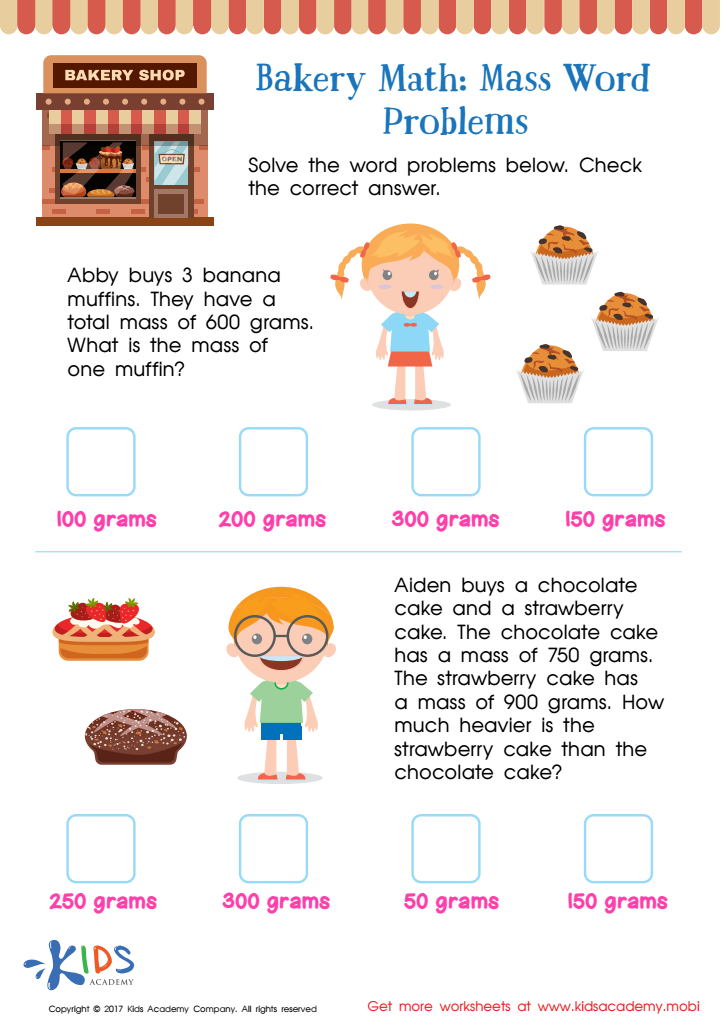
Mass Word Problems Worksheet
 Assign to My Students
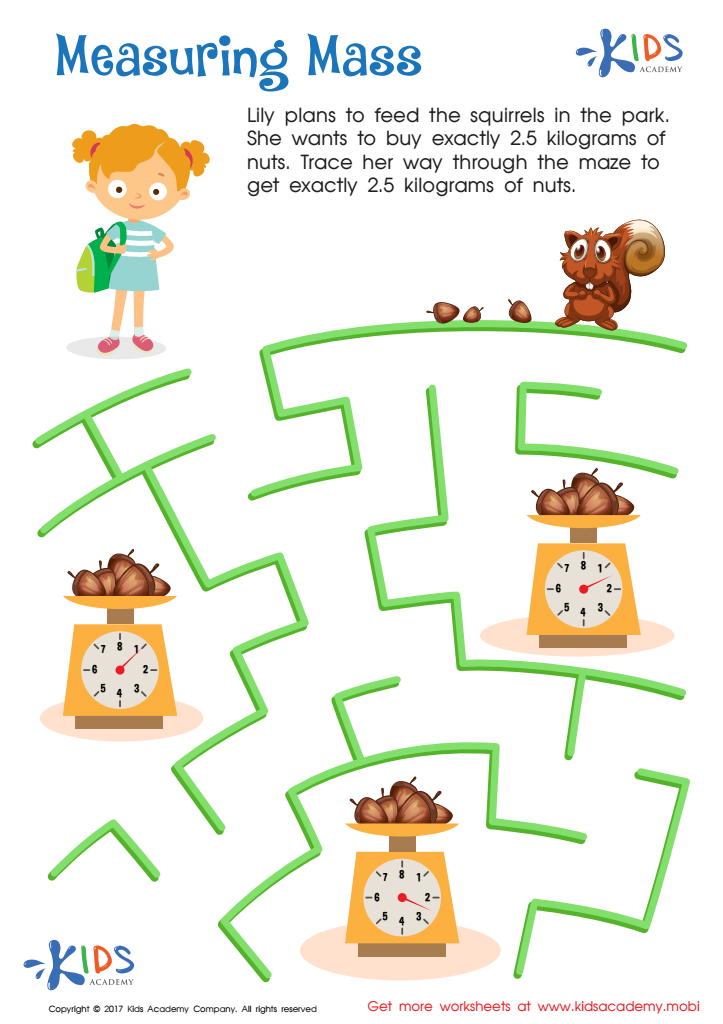
Measuring Mass Worksheet
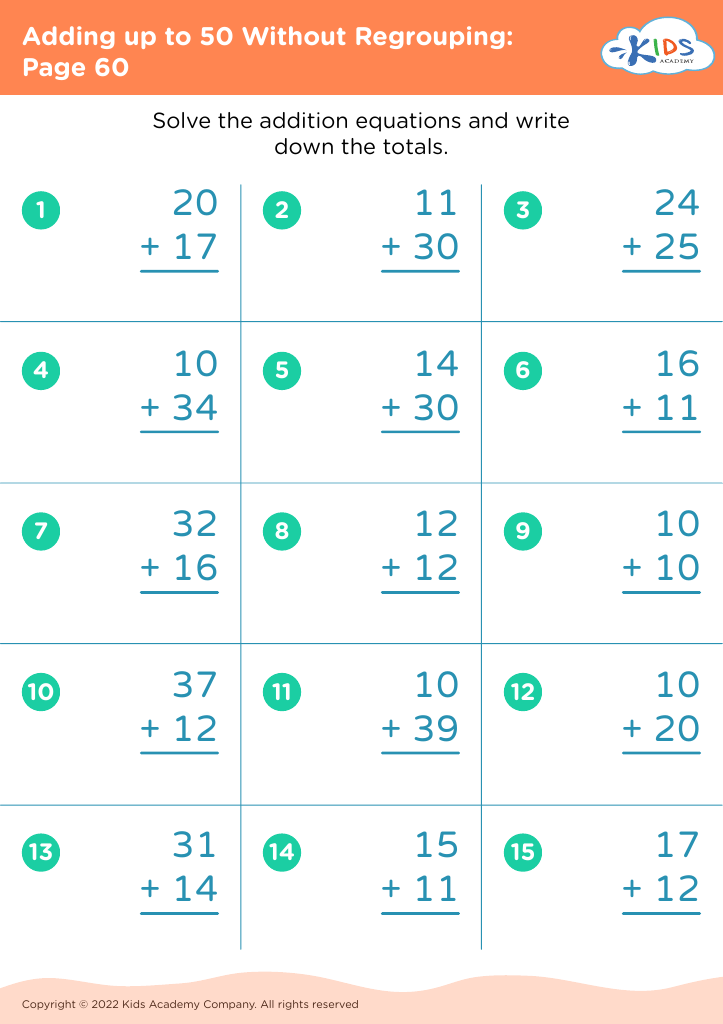







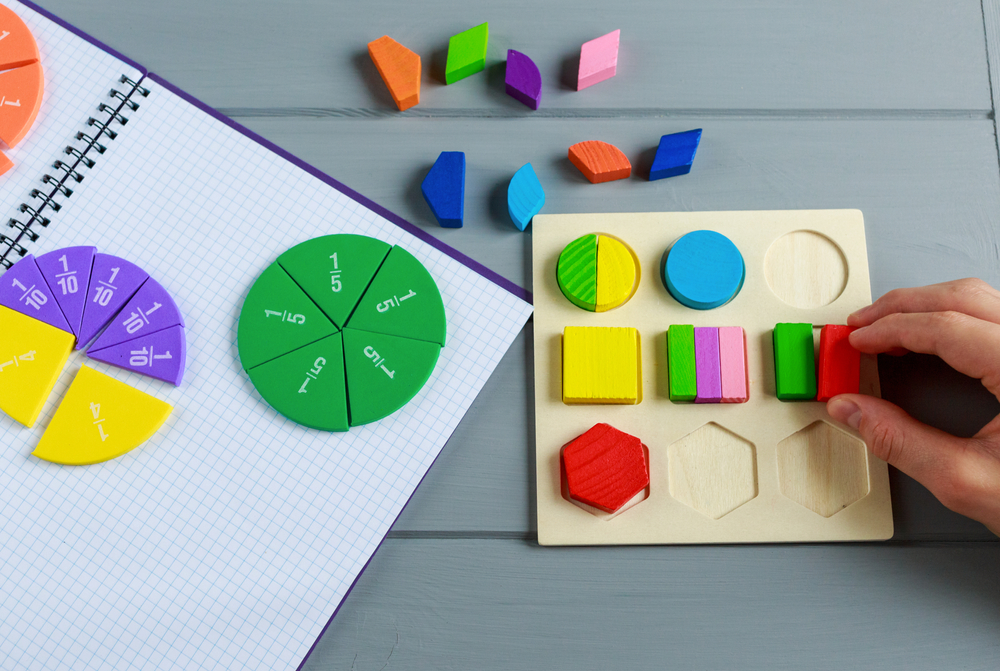
Understanding mass, or weight, is a fundamental concept in math that significantly impacts young children's cognitive development, real-world problem-solving abilities, and foundational mathematics skills. For children aged 5-9, grasping the concept of mass is essential as they begin to explore their environment and interact with various materials.
First, it lays a groundwork for critical thinking; children learn to compare objects, estimate weight, and understand the concept of heavier versus lighter, which enhances their analytical skills. Furthermore, mass helps children develop their measurement skills. By using scales, rulers, and even makeshift tools, they learn hands-on math that directly correlates to life skills, fostering an understanding of both math and science.
Additionally, engaging with mass through activities like cooking, crafts, or science experiments encourages curiosity and makes learning enjoyable. This interactive approach can build a child's confidence in math, dispelling any apprehensions they may have about the subject.
Lastly, by introducing concepts of mass early on, teachers and parents can cultivate a lifelong appreciation for mathematics and science, ensuring that children are better prepared for more complex concepts in later years. Overall, understanding mass enriches a child’s learning experience, making it crucial for their overall development.








