Understanding opposites Math Worksheets for Ages 5-9
4 filtered results
-
From - To
Discover our engaging "Understanding Opposites Math Worksheets" designed for children aged 5-9! These worksheets help young learners grasp the concept of opposites through fun exercises that combine critical thinking and math skills. Kids will explore pairs like big/small, happy/sad, and more while practicing their ability to identify differences. Each worksheet features colorful illustrations and interactive activities to captivate your child's attention. Perfect for use at home or in the classroom, our resources promote essential cognitive development in a playful manner. Dive into a world of learning and watch your child build a strong foundation in understanding opposites while enhancing their math capabilities!
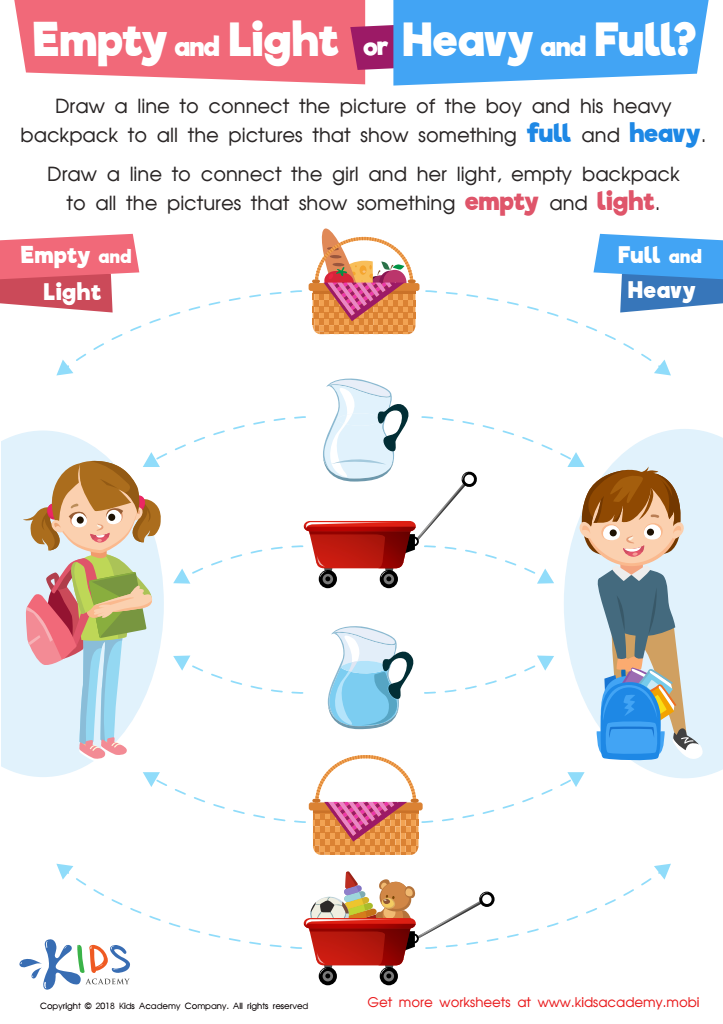
Empty and Light or Heavy and Full? Worksheet
 Assign to My Students
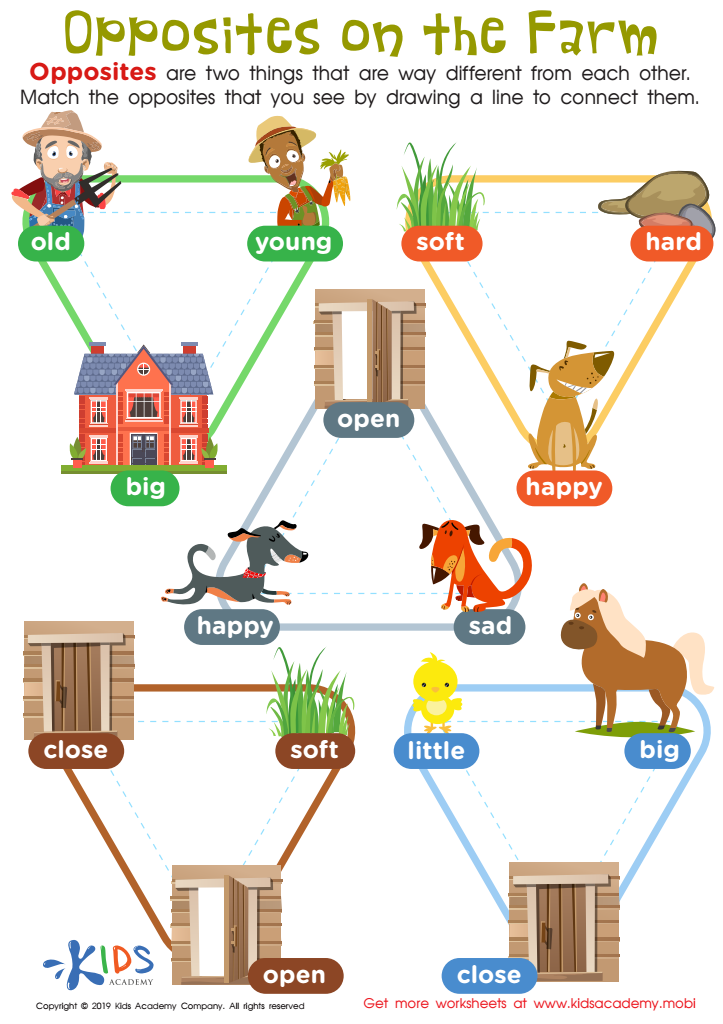
Opposites on the Farm Worksheet
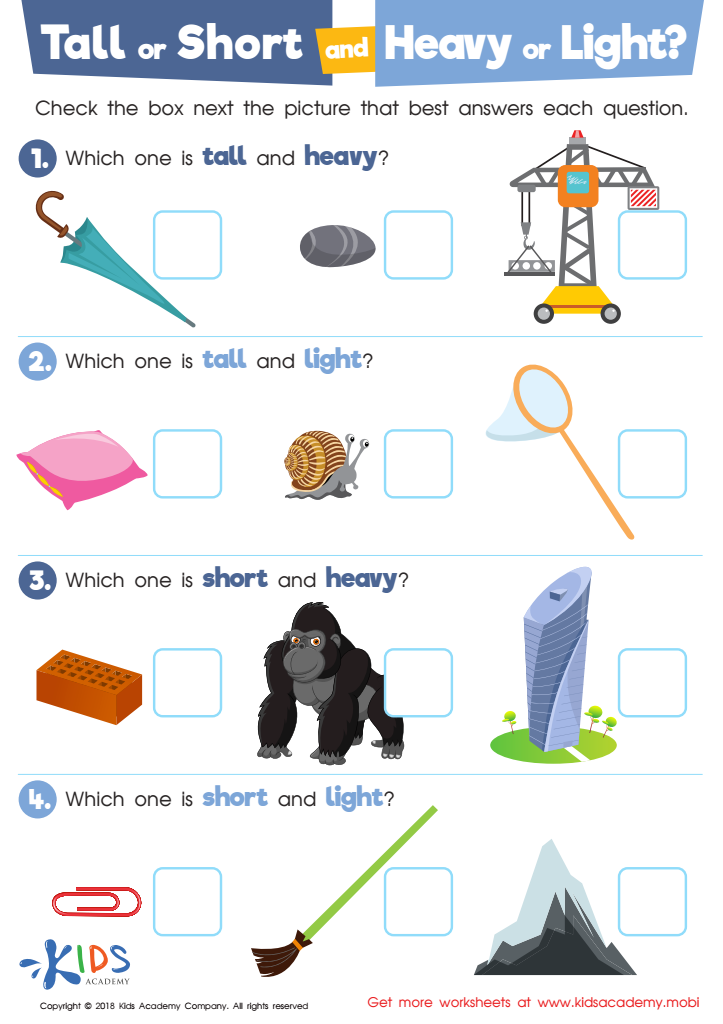
Tall or Short and Heavy or Light? Worksheet
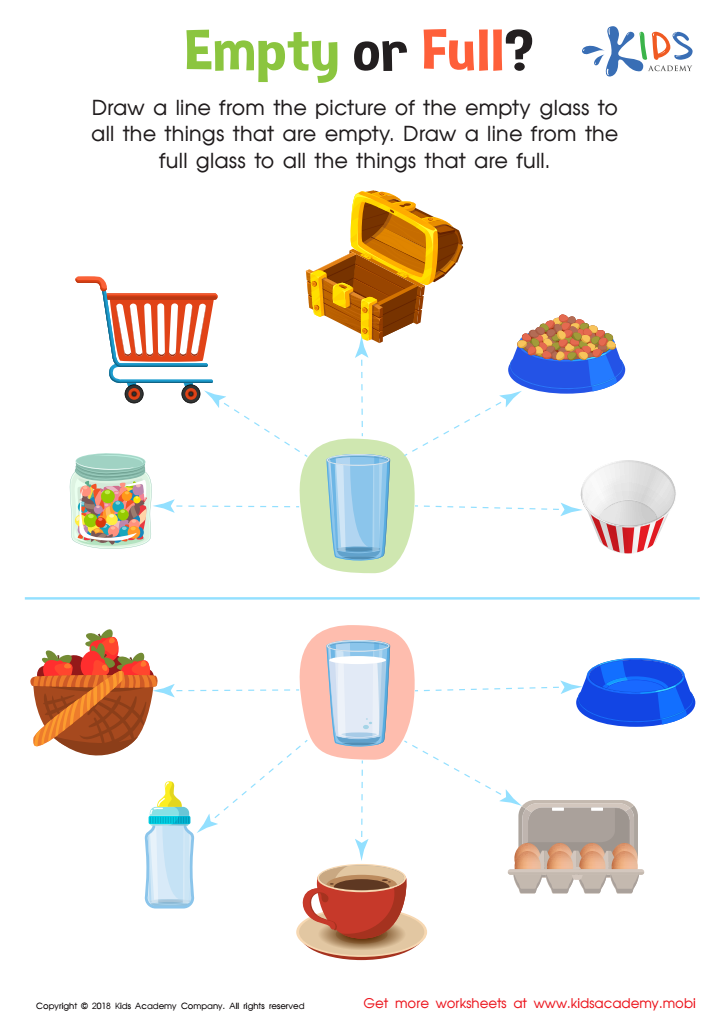
Empty or Full? Worksheet





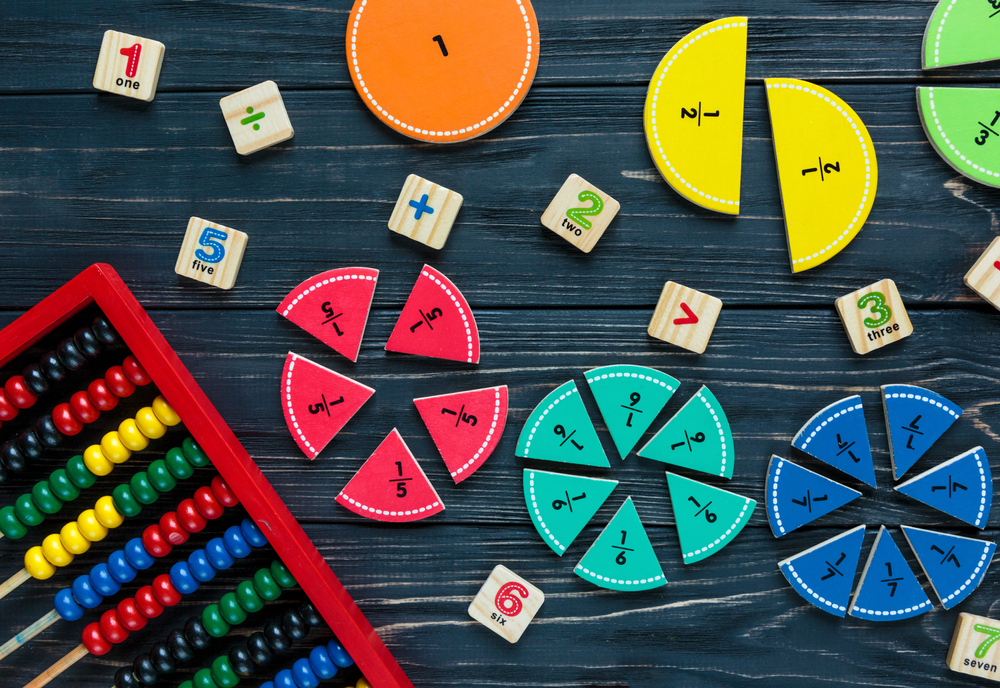


Understanding opposites is a fundamental math concept for children aged 5-9, forming a foundational base for more complex mathematical ideas. When parents and teachers emphasize this concept, they foster critical thinking and problem-solving skills. For instance, recognizing opposites such as 'greater than' and 'less than' helps children navigate early arithmetic operations, paving the way for a stronger grasp of addition and subtraction.
Additionally, understanding opposites sharpens social-emotional skills. When children learn about pairs like 'hot and cold' or 'big and small,' they also develop comparative thinking in real-life situations, enhancing their ability to make observations and judgments about their environment. This skill translates into better decision-making, as children learn to assess situations based on contrasting outcomes.
Incorporating opposites into everyday interactions, whether through games, storytelling, or discussions, encourages engagement and curiosity, making learning enjoyable. Furthermore, these concepts can quickly build confidence in young learners, laying the groundwork for more advanced topics such as fractions, multiplication, and division later on.
Ultimately, by prioritizing the understanding of opposites, parents and teachers equip children with essential cognitive tools, nurturing a love for math that extends beyond the classroom.








