Understanding Perimeter Math Worksheets for Ages 5-9
3 filtered results
-
From - To
Welcome to our "Understanding Perimeter Math Worksheets" page, specially designed for students aged 5-9! Our engaging worksheets make learning about perimeter fun and easy, helping young learners grasp this essential math concept through interactive activities and visuals. Kids will explore shapes, measure sides, and calculate distances, all while building essential math skills. These worksheets align with educational standards and support classroom learning, making them perfect for teachers and parents alike. Whether for practice or reinforcing classroom lessons, our perimeter worksheets are a valuable resource to inspire a love for math in children. Start your journey to math mastery today!
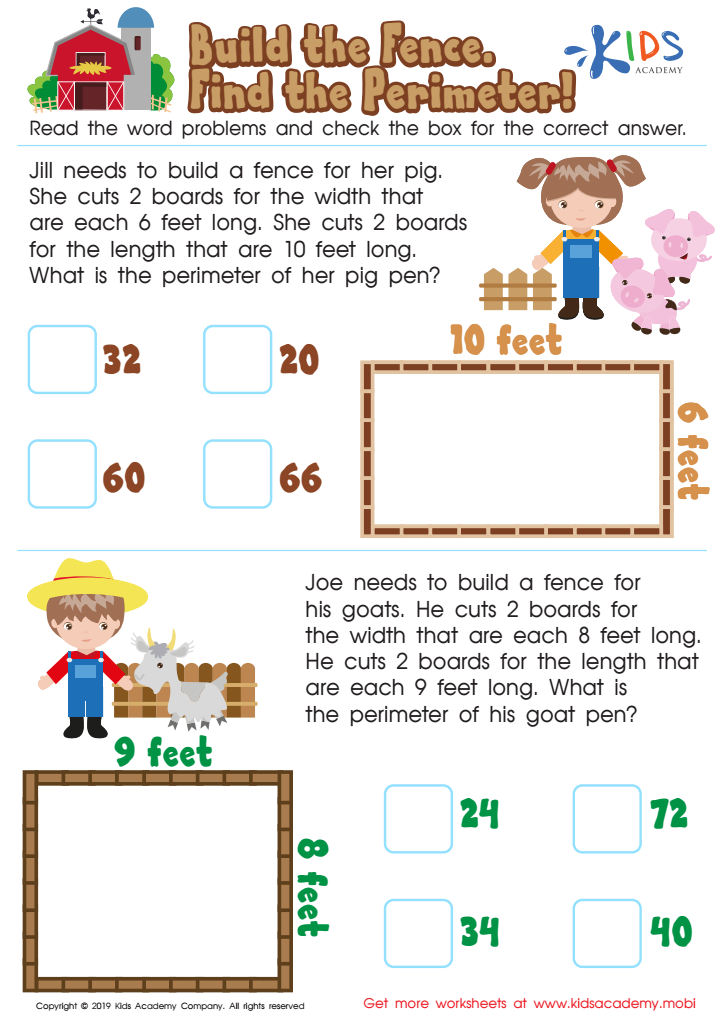
Build the Fence, Find the Perimeter Worksheet
 Assign to My Students
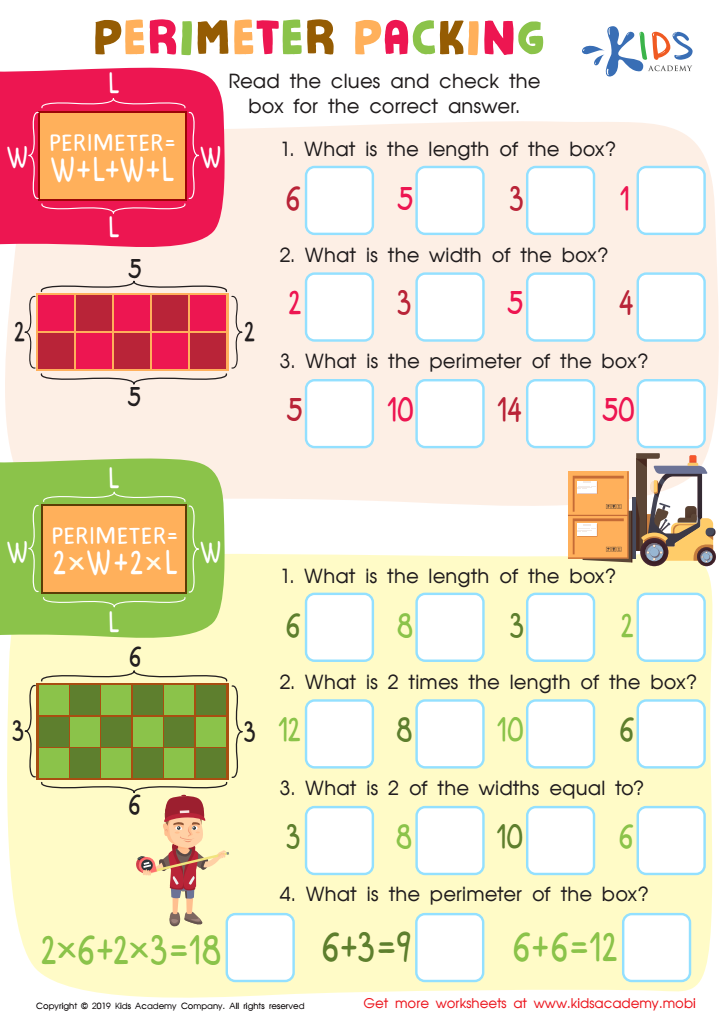
Perimeter Parking Worksheet
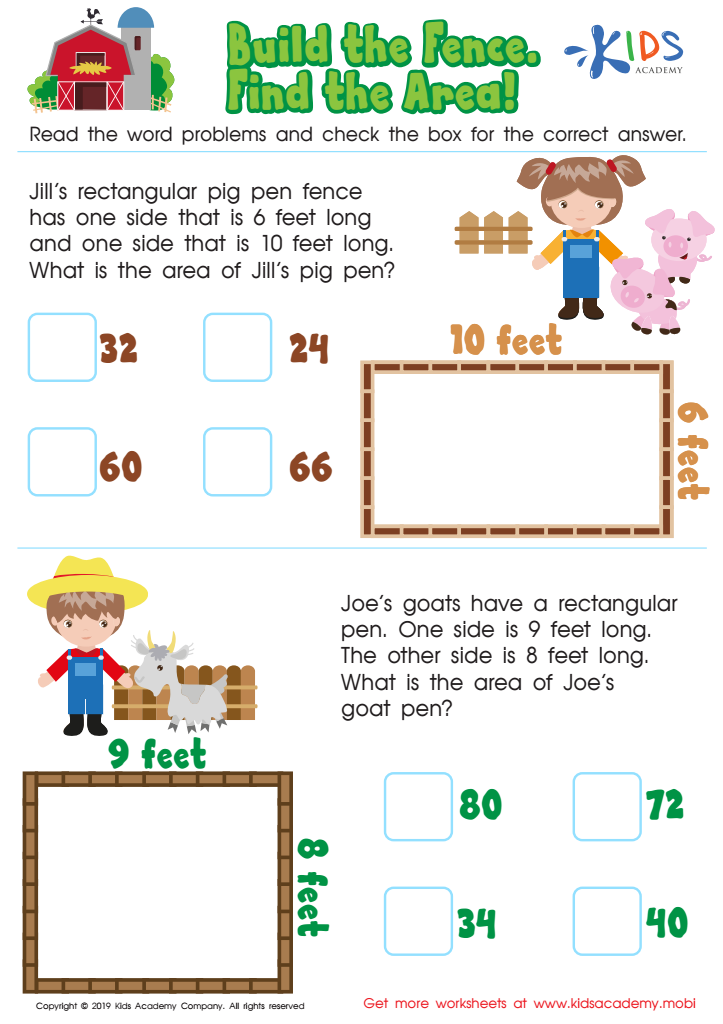
Build the Fence, Find the Area Worksheet





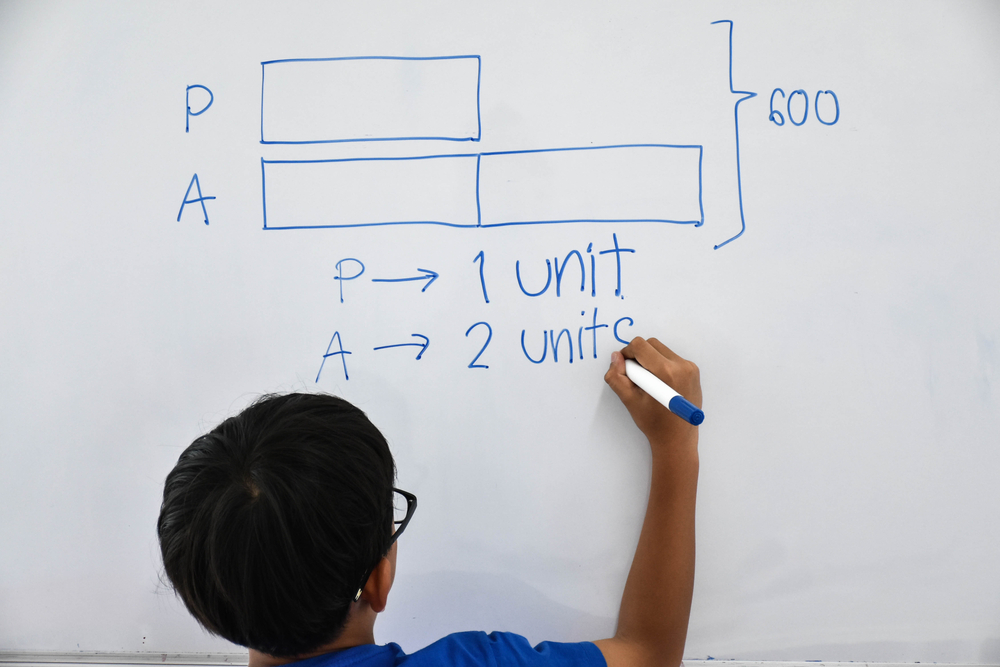

Understanding perimeter math is essential for children aged 5-9 as it lays the foundation for vital spatial reasoning and problem-solving skills. During these early years, children are naturally curious about their environment, and exploring shapes and spaces helps them make connections between abstract concepts and the real world. Learning about perimeter equips them with the ability to measure distances and understand the boundaries of objects, fostering a sense of spatial awareness.
In math, mastering perimeter concepts promotes mathematical thinking, encourages inquiry, and develops critical thinking skills. It introduces key geometric terms and nurtures a positive attitude toward math through hands-on activities, such as measuring classroom objects, drawing shapes, and measuring their borders. Furthermore, these lessons are crucial for later mathematical success, as perimeter serves as a stepping stone to understanding area, volume, and more complicated geometry.
For parents and teachers, engaging children in perimeter math can enhance their love for learning and improve their confidence in math-related tasks. By supporting their understanding of perimeter, adults play an influential role in shaping a child's cognitive development, fostering the skills necessary for navigating future academic challenges and real-life scenarios involving measurements, construction, and design.








