Understanding sequencing Math Worksheets for Ages 5-9
11 filtered results
-
From - To
Explore our engaging "Understanding Sequencing Math Worksheets" designed for children ages 5-9! These worksheets help young learners master sequencing concepts through fun activities that develop critical thinking and problem-solving skills. Tailored to align with early math curricula, each worksheet features colorful illustrations and easy-to-follow instructions, making learning both enjoyable and effective. From arranging numbers and patterns to completing sequences, our materials promote active learning while building a strong foundation in math. Perfect for teachers, parents, or homeschoolers, these resources support educational growth at home or in the classroom. Unlock your child’s potential with interactive sequencing practice today!
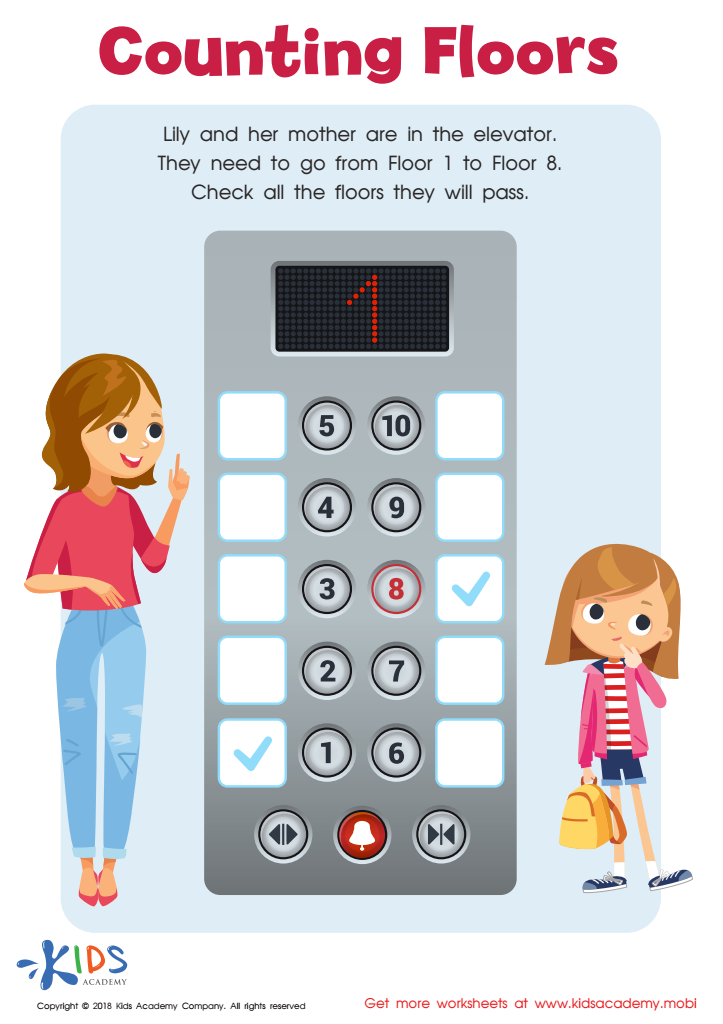
Counting Floors Worksheet
 Assign to My Students
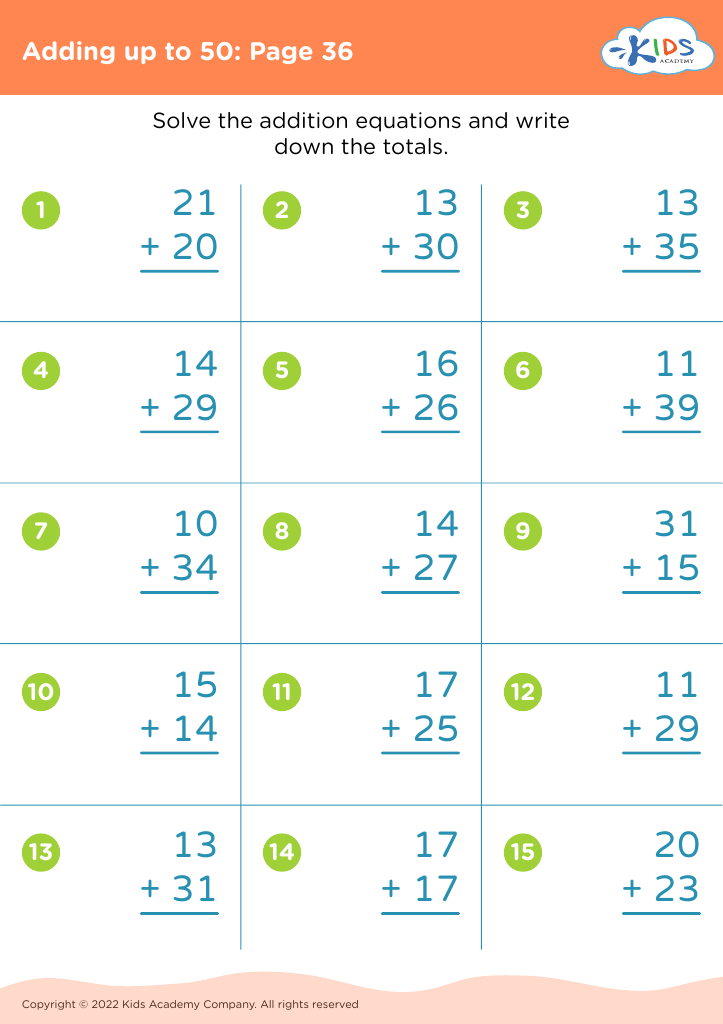
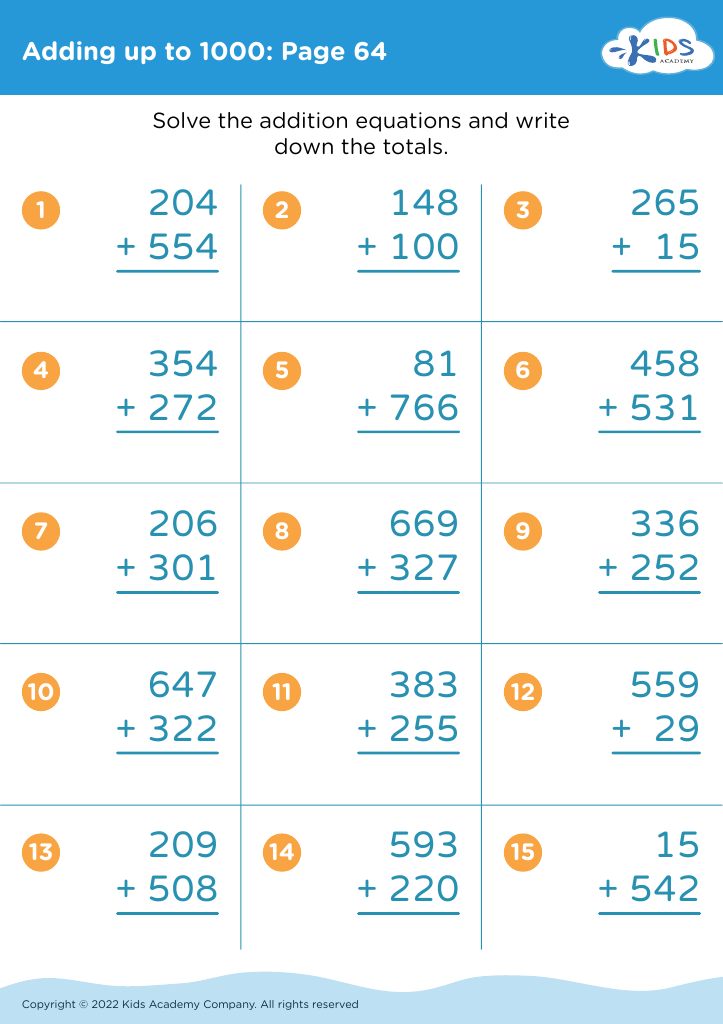
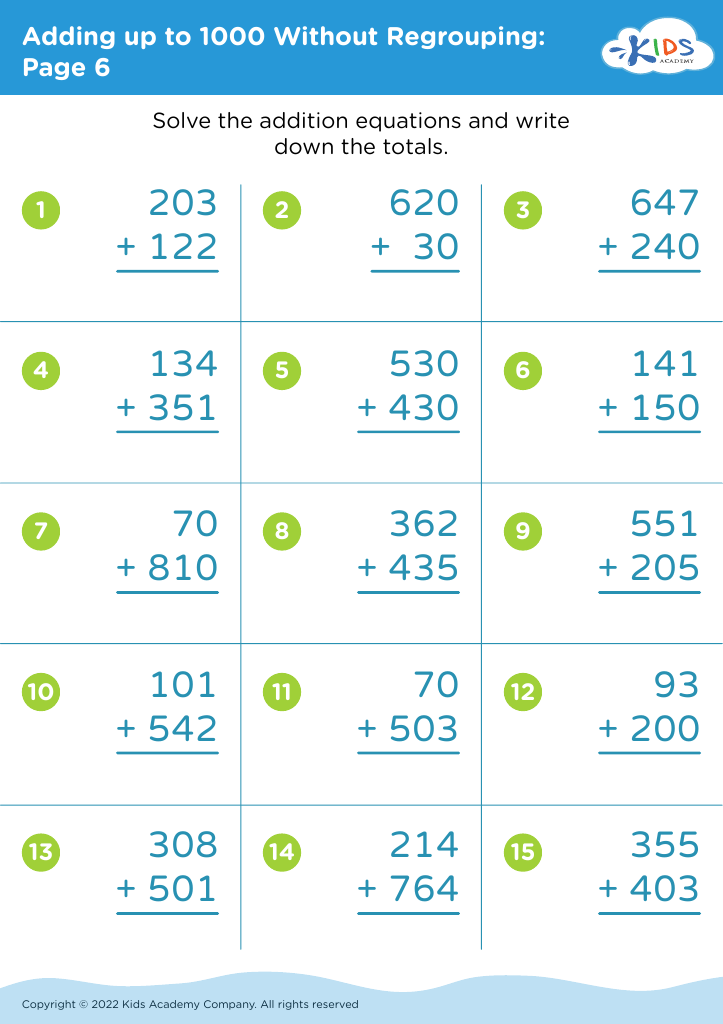
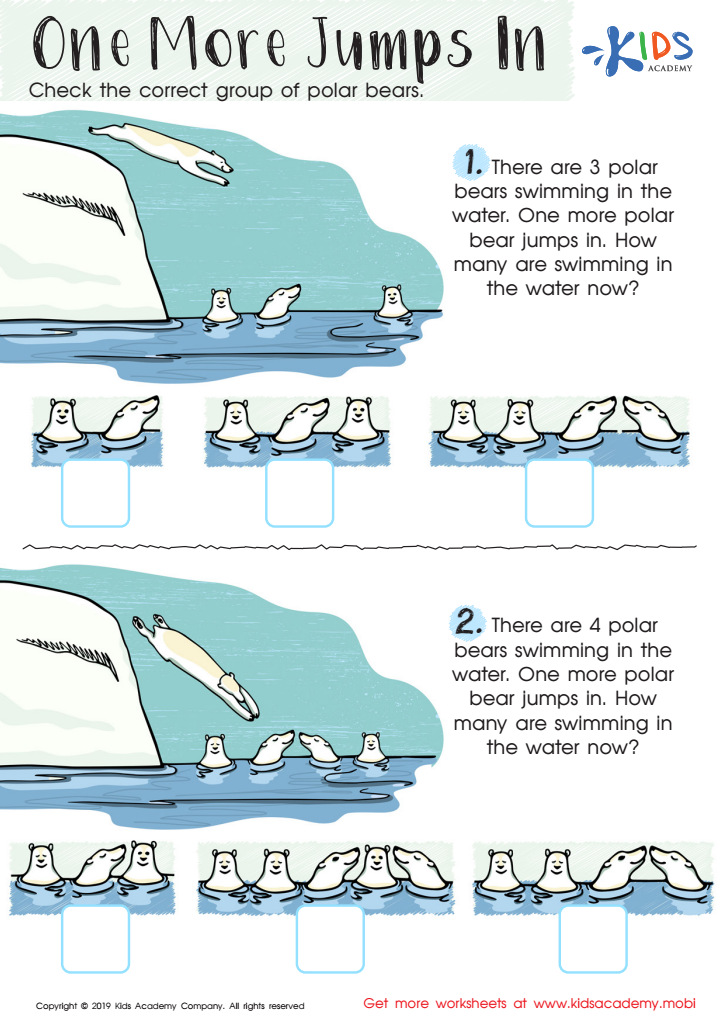
One More Jumps In Worksheet
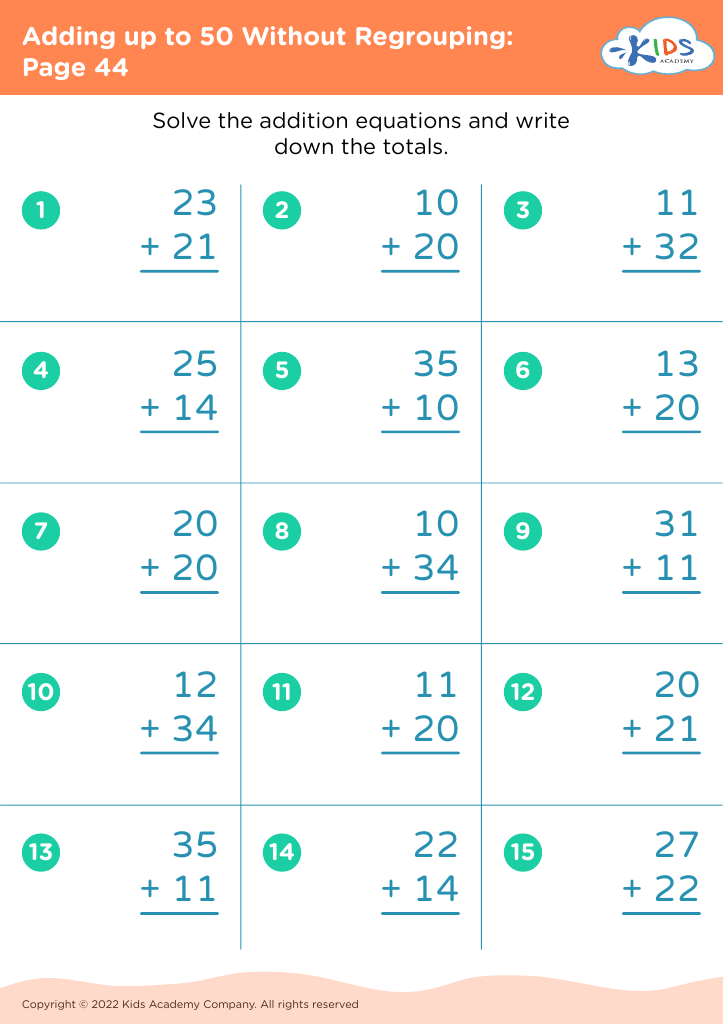
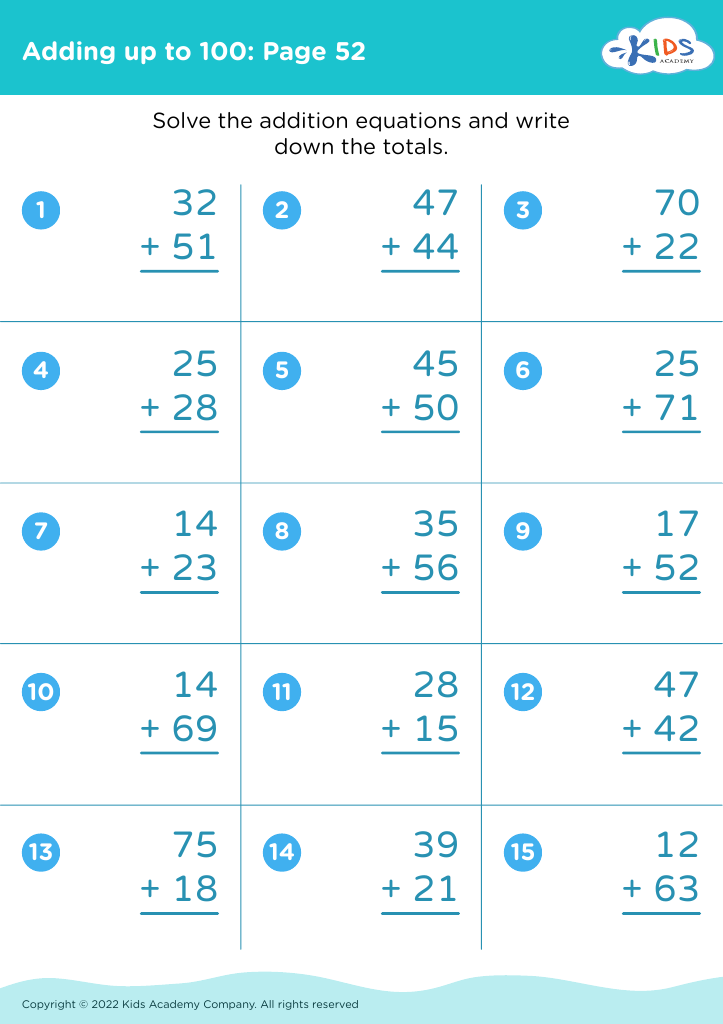
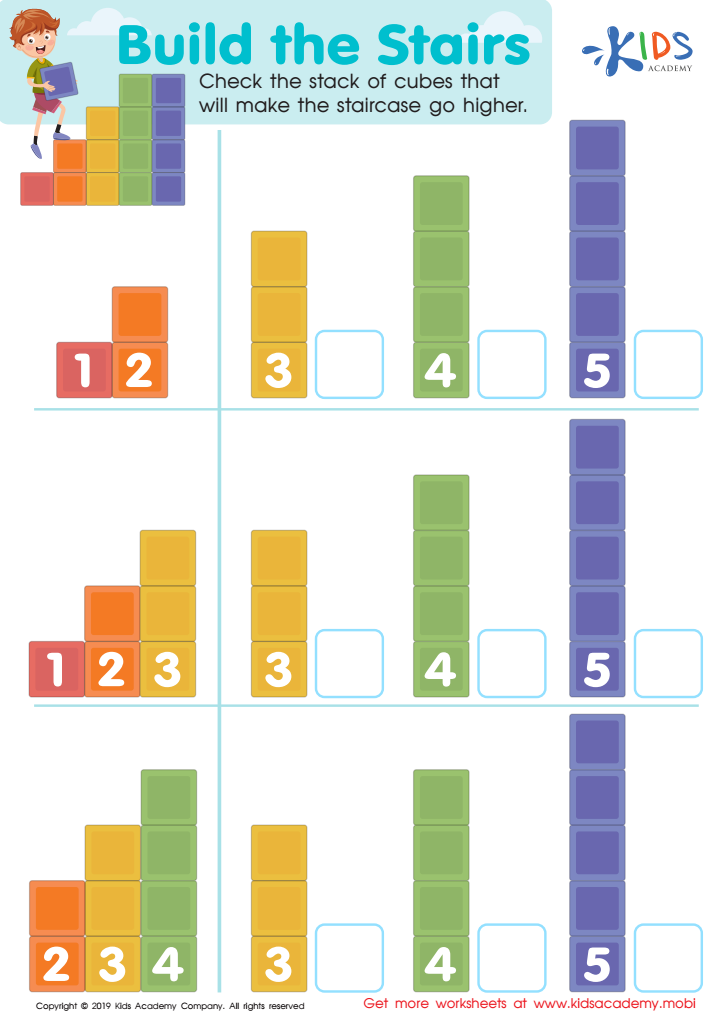
Build the Stairs Worksheet
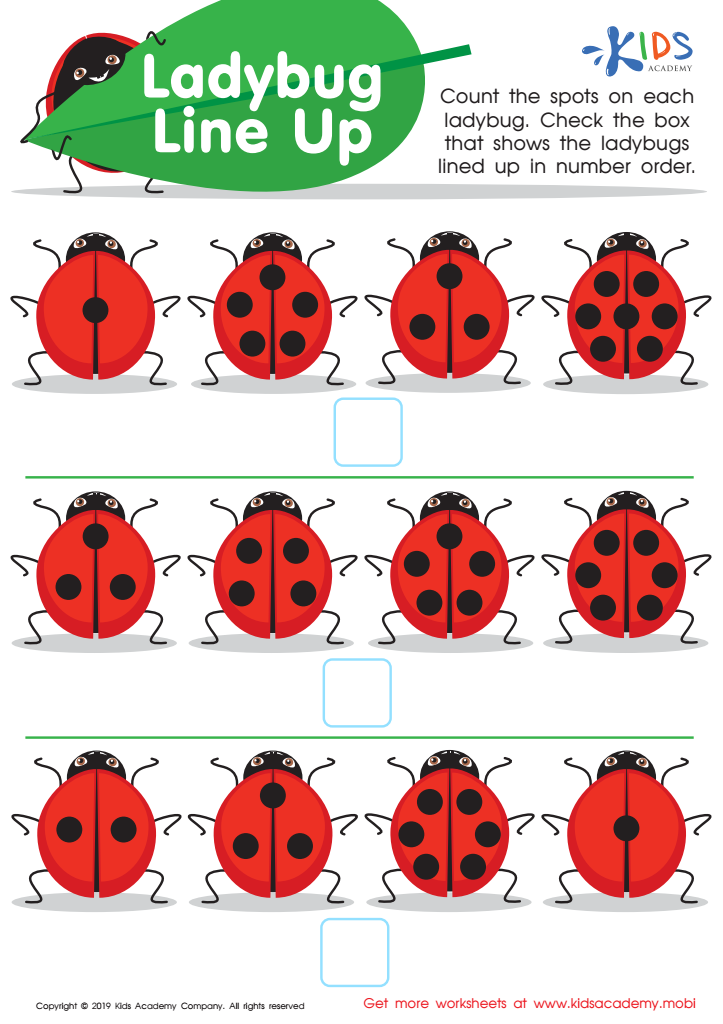
Ladybug Line Up Worksheet








Understanding sequencing in math is crucial for young learners aged 5-9 as it lays the foundation for their overall mathematical development. Sequencing involves recognizing and arranging numbers or events in a logical order, which helps children grasp fundamental concepts such as counting, addition, and subtraction. When parents or teachers emphasize sequencing, they enable children to develop critical thinking and problem-solving skills that are essential for future learning.
Moreover, sequencing enhances cognitive skills by teaching children how to categorize and organize information effectively. This skill is not only applicable in math but also across various subjects and real-life situations, thereby fostering a well-rounded educational experience. For instance, learning to follow a series of steps in a math problem mirrors the process of completing a task, aiding in developing life skills.
Additionally, establishing a solid understanding of sequencing contributes to boosting children's confidence in their mathematical abilities, making them more willing to tackle challenging problems. When children feel competent in foundational skills, they are more likely to engage positively with more complex concepts as they progress. Ultimately, prioritizing sequencing in early education equips children with essential lifelong skills that extend beyond the classroom.








