Visual discrimination Matching Worksheets for Ages 5-9
3 filtered results
-
From - To
Welcome to our engaging Visual Discrimination Matching Worksheets, designed specifically for children ages 5-9! These worksheets encourage young learners to enhance their visual recognition skills through fun and interactive matching activities. By identifying similar and contrasting images, children improve their attention to detail and critical thinking abilities. Our visually stimulating worksheets not only promote early cognitive development but also support foundational skills needed for reading and math. Suitable for classroom settings or home learning, these resources will certainly captivate your child's interest and boost their confidence in learning. Empower your child’s educational journey with our thoughtfully crafted matching worksheets today!
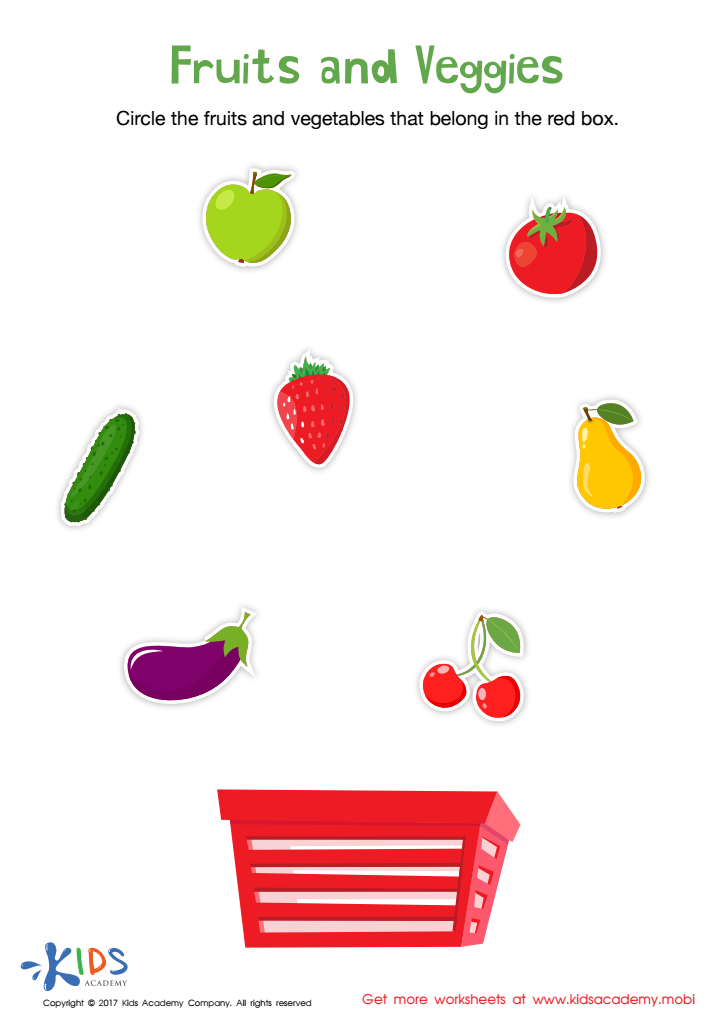
 Assign to My Students
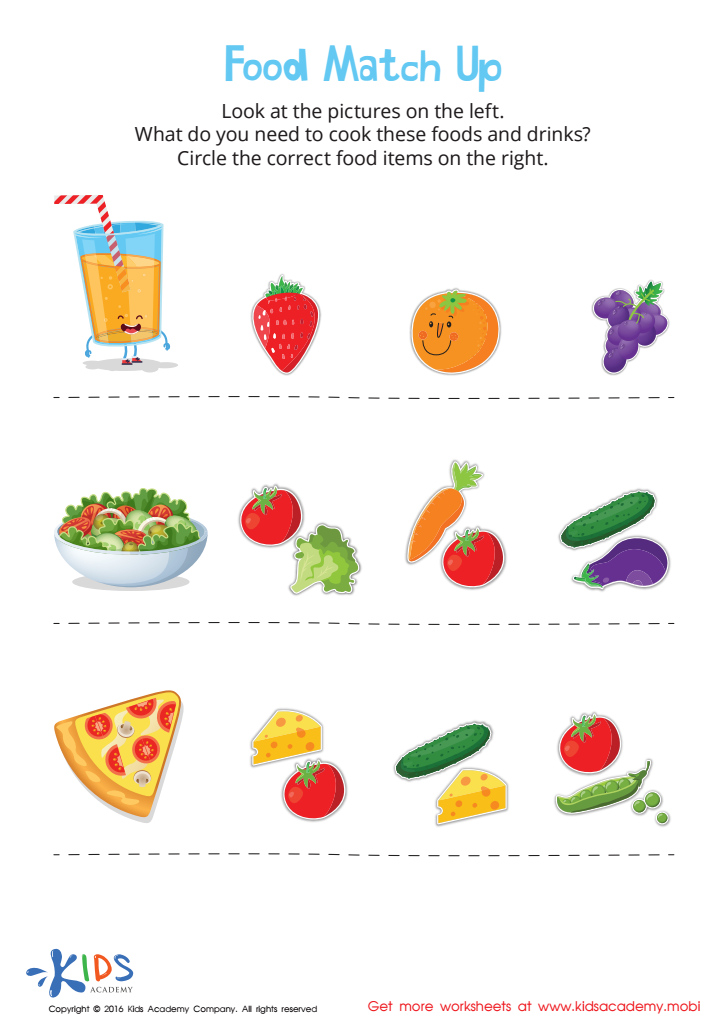
Food Match Up Worksheet
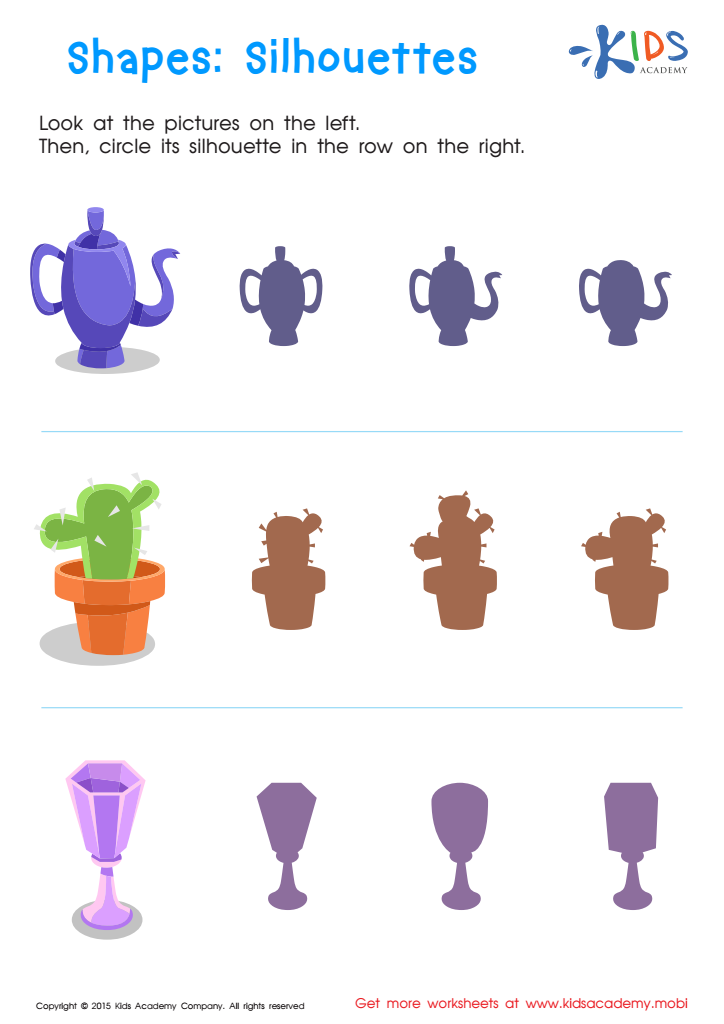
Silhouettes – Shapes Worksheet








Visual discrimination matching is a crucial skill for children aged 5-9, playing a significant role in their cognitive and academic development. This ability involves recognizing similarities and differences in visual stimuli, allowing children to identify, categorize, and differentiate between various objects, letters, and shapes. As parents and teachers, understanding the importance of visual discrimination can greatly enhance a child’s learning experience.
Firstly, strong visual discrimination skills lay the foundation for reading and writing. Children who can identify letters and their features are better equipped to develop phonemic awareness, which is essential for decoding words. Additionally, these skills support problem-solving and critical thinking by enabling children to analyze visual information effectively.
Secondly, engaging in matching activities fosters attention to detail and improves memory skills. Games and exercises that promote visual discrimination enhance concentration and focus, beneficial for various academic tasks.
Lastly, visual discrimination skills contribute to a child’s self-esteem and independence. As they master these skills, they gain confidence in navigating their environment, making choices, and expressing creativity.
In summary, prioritizing visual discrimination matching is essential for helping children excel academically and develop critical life skills. Encouraging this skill set provides a strong foundation for future learning.








