Mathematical reasoning Measurement Worksheets for Ages 5-9
4 filtered results
-
From - To
Unleash your child’s potential with our Mathematical Reasoning Measurement Worksheets for ages 5-9. Designed to foster critical thinking, these engaging worksheets cover essential measurement concepts such as length, weight, volume, and time. Curated by educational experts, our printable resources feature fun and interactive activities to develop problem-solving skills and mathematical reasoning. Whether at home or in the classroom, these worksheets provide a solid foundation for young learners, making math exciting and accessible. Discover a world where learning meets play, ensuring kids build confidence and proficiency in measurement concepts, one fun worksheet at a time.
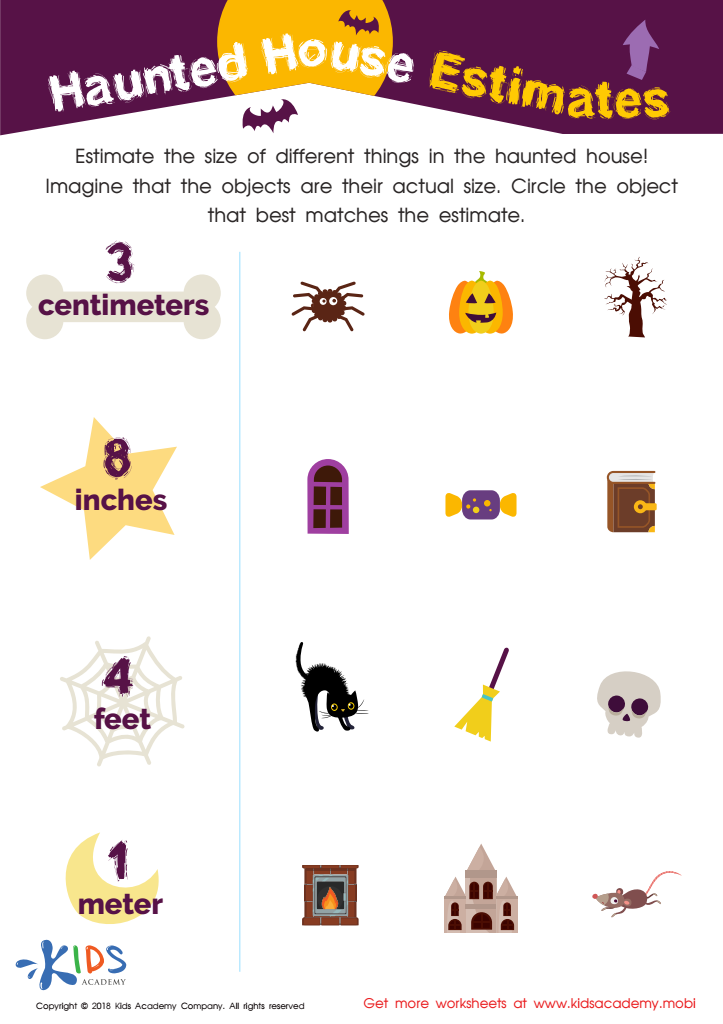
Haunted House Estimates Worksheet
 Assign to My Students
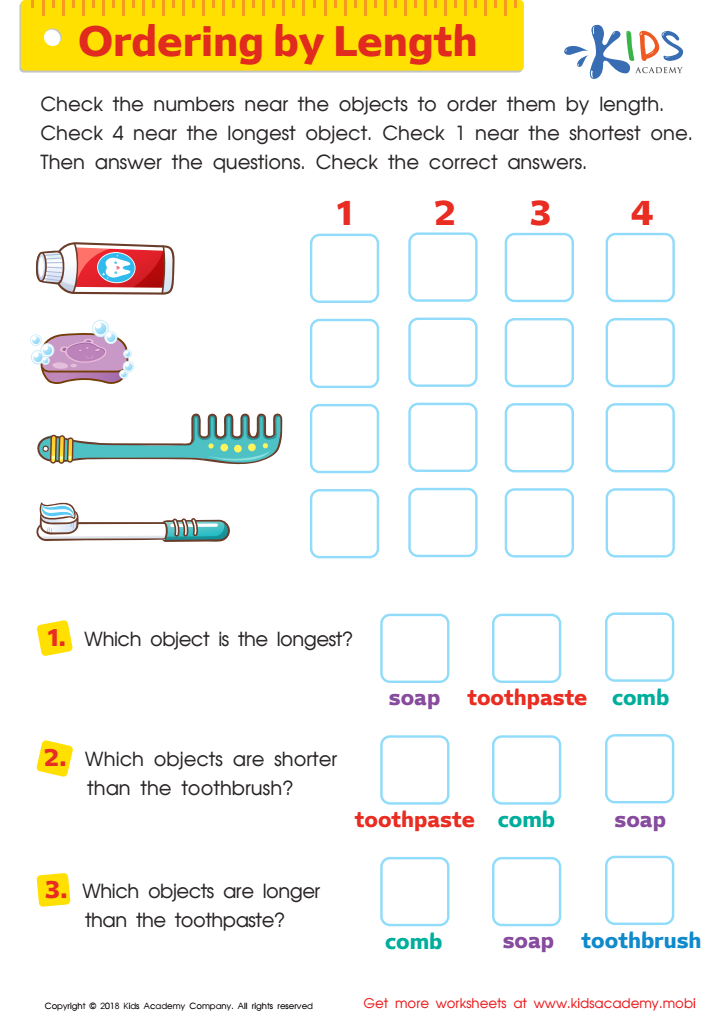
Ordering by Length Worksheet
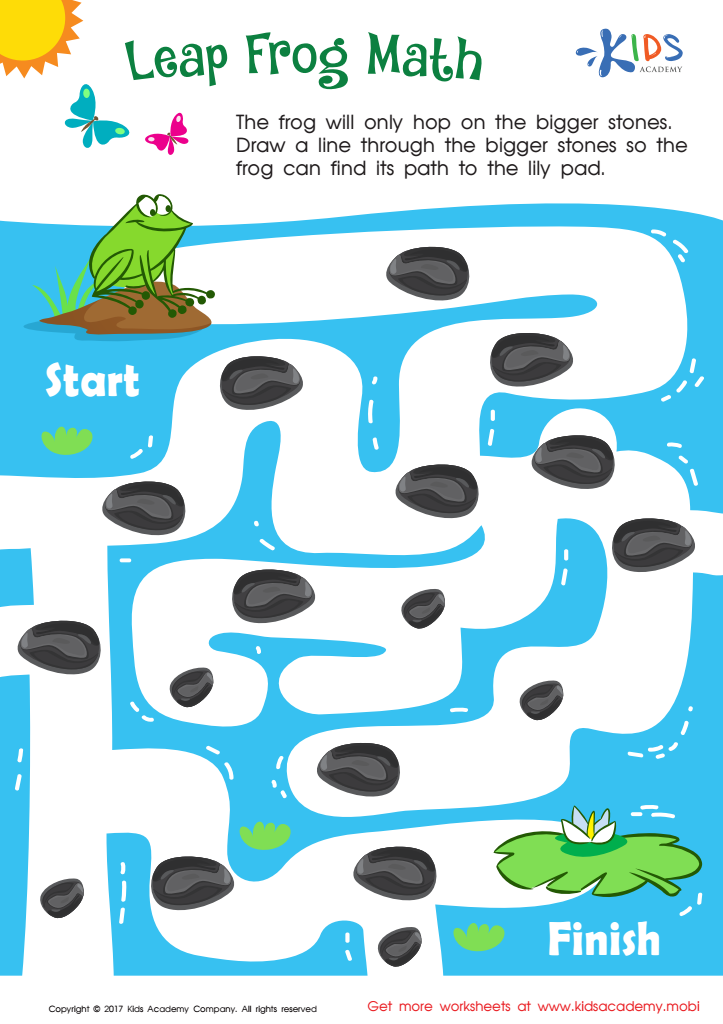
Math Puzzle Worksheet
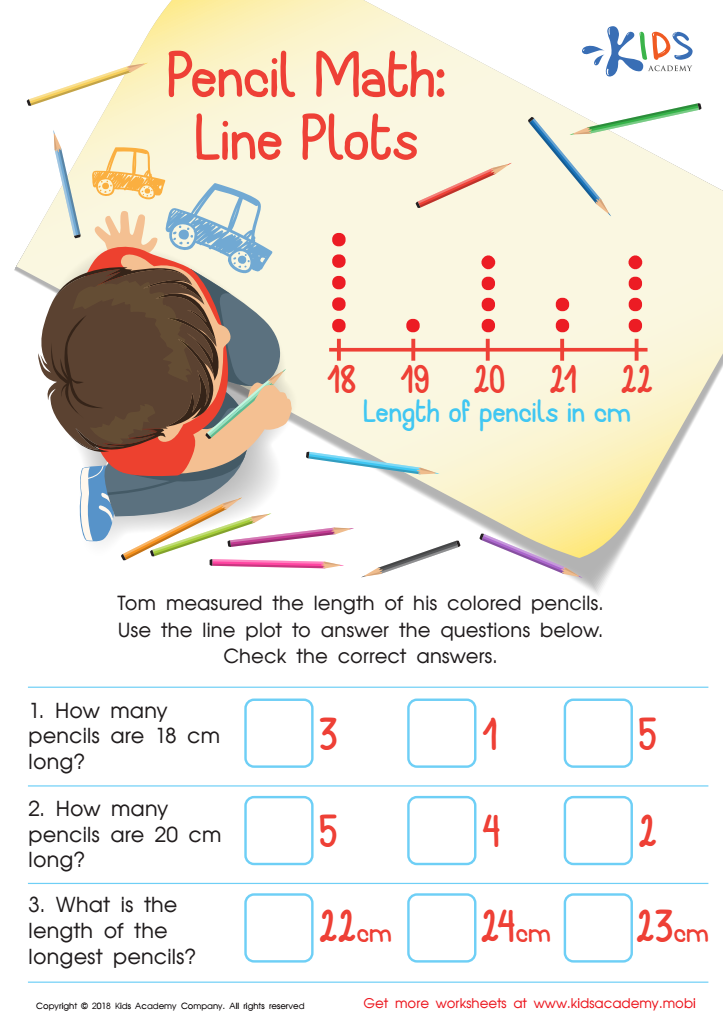
Pencil Math: Line Plots Worksheet







Mathematical reasoning and measurement are foundational skills that significantly influence a child’s cognitive development and future academic success. For children aged 5-9, mastering these skills equips them with critical thinking abilities, problem-solving techniques, and a deeper understanding of the world around them.
Mathematical reasoning, the ability to think logically about numbers and patterns, is essential because it helps children make sense of complex problems in a structured way. This form of logical thinking empowers young learners to understand relationships between concepts, solve problems methodically, and transfer these skills to other subjects such as reading, science, and even social studies.
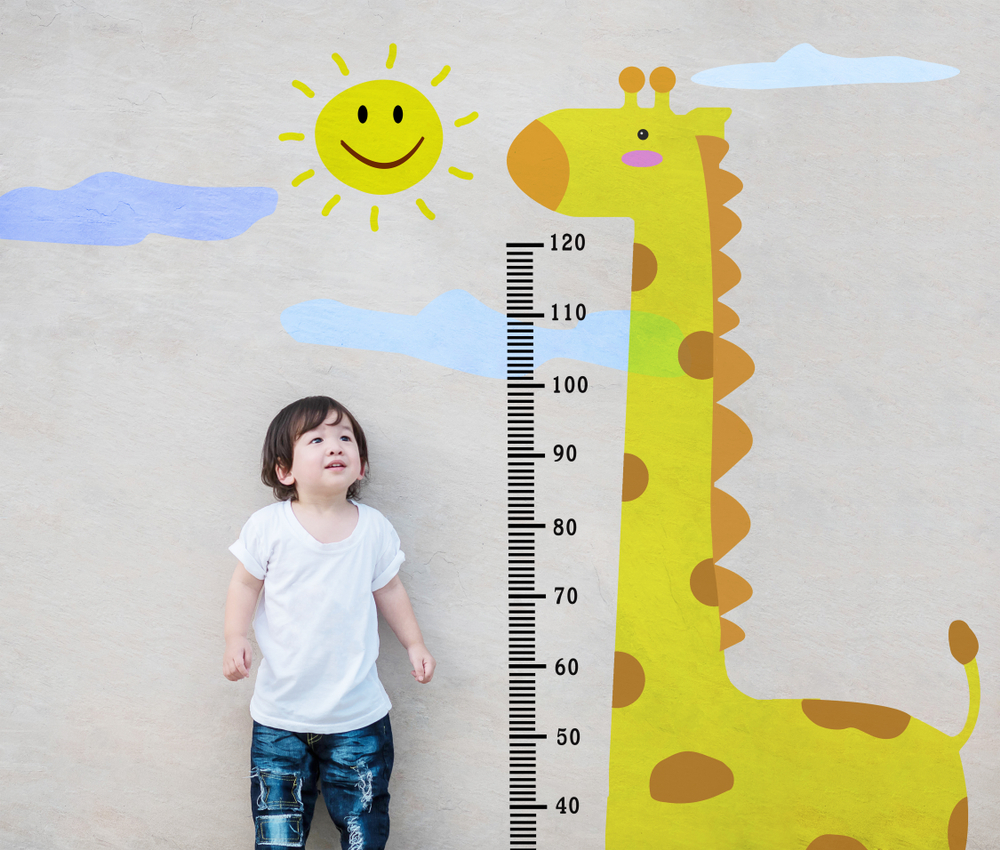
Measurement, which includes understanding size, length, volume, and time, connects math to the practical aspects of daily life. It helps children grasp abstract concepts through tangible means, like comparing the heights of plants or predicting outcomes in experiments. Early exposure to measurement fosters spatial awareness and precision, which are vital not only in botany or arithmetic but also in real-world tasks like cooking and building.
Integrating mathematical reasoning and measurement into early education enables children to build a robust foundation for lifelong learning. It cultivates curiosity, encourages systematic thinking, and establishes confidence in their ability to analyze and interpret information – skills indispensable for personal and academic growth.








