Basic Counting Numbers 0–10 Worksheets for Ages 5-9
3 filtered results
Difficulty Level
Grade
Age
-
From - To
Subject
Activity
Standards
Welcome to our "Basic Counting Numbers 0–10 Worksheets" for ages 5-9! These interactive and engaging worksheets are designed to help young learners develop essential counting skills. Each worksheet features fun activities that involve counting, tracing, and recognizing numbers 0 through 10. Ideal for preschool and early elementary students, our resources aim to strengthen number comprehension in a delightful way. With colorful illustrations and diverse challenges, children will enjoy enhancing their math skills while building confidence. Whether at home or in the classroom, our worksheets provide a solid foundation in basic counting that supports early childhood education. Start counting fun today!
Favorites
With answer key
Interactive
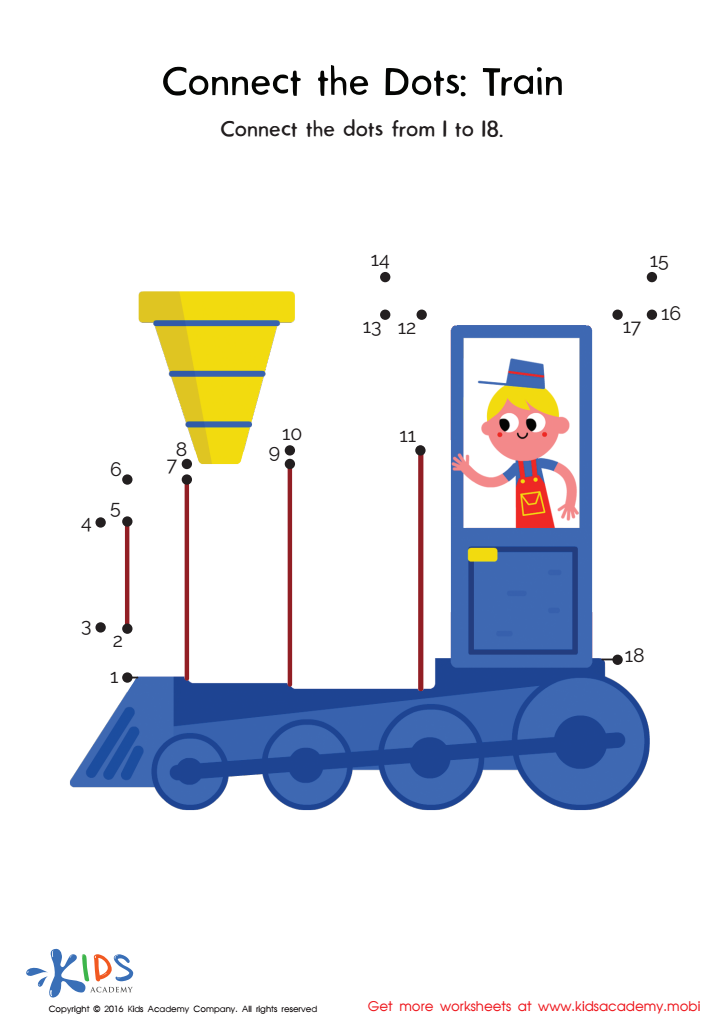
 Assign to My Students
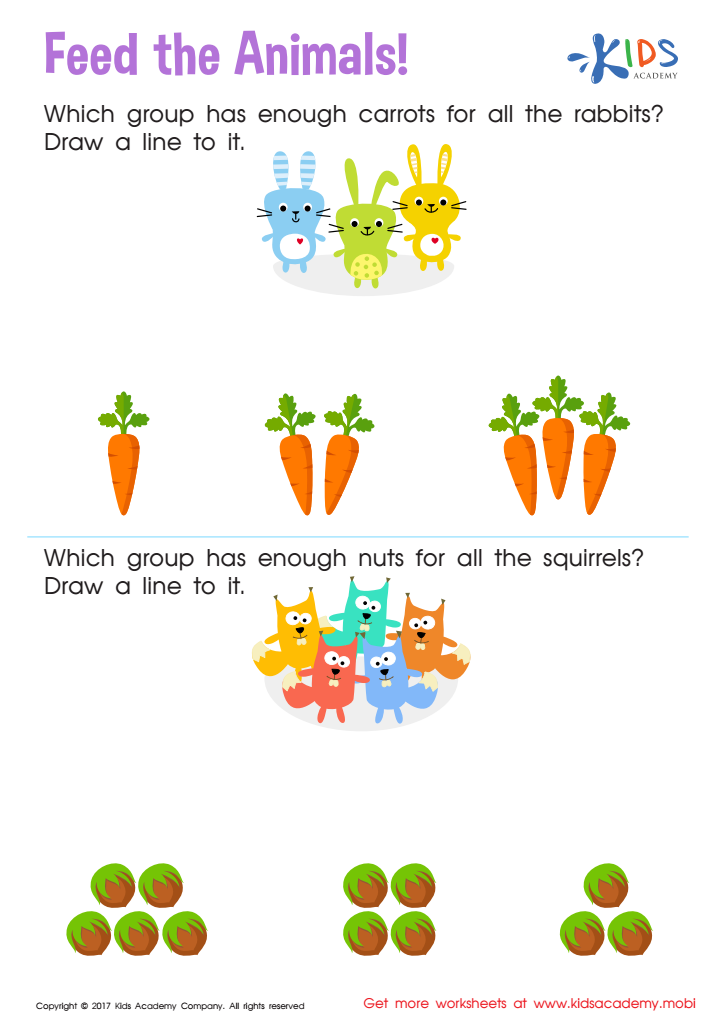
Count and Match: Feed the Animals Worksheet
Learning and growing involves more than just numbers, phonics and comparison. This Feed the Animals worksheet helps kids to exercise their reasoning skills. They must work out how many rabbits and carrots there are, and then repeat the process for the squirrels. This encourages problem solving and counting skills.
Count and Match: Feed the Animals Worksheet
Worksheet
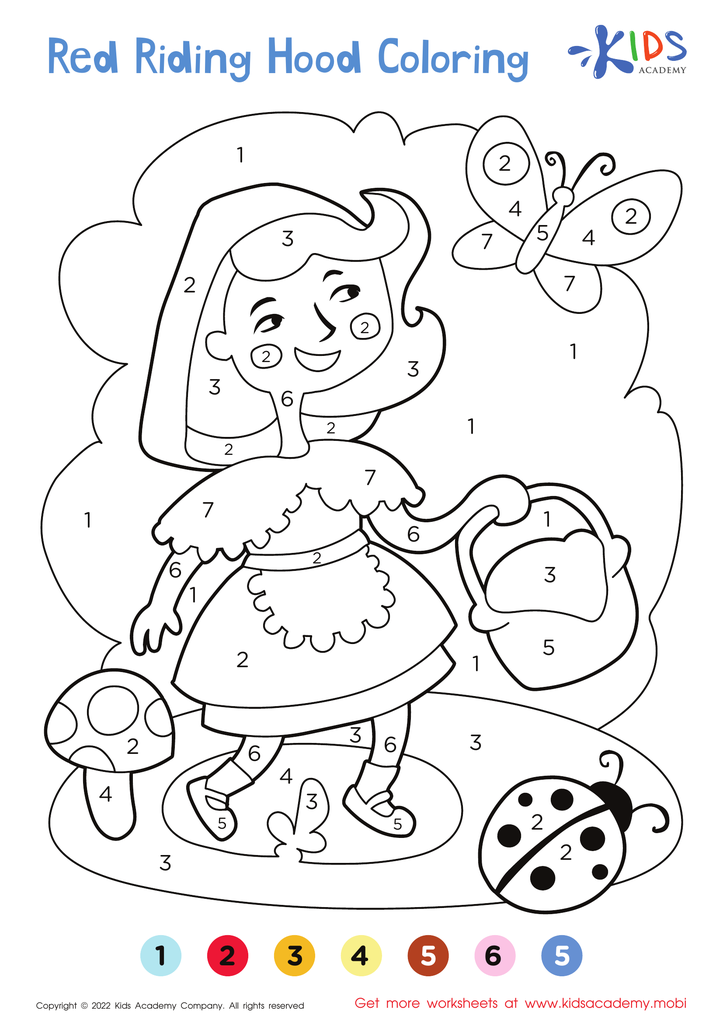
Little Red Riding Hood – Coloring by Numbers
Download this free PDF page and enjoy coloring Little Red Riding Hood. It's an easy and fun activity that everyone can do - just follow the numbers! Get your colored pencils ready and have a blast. 80 words.
Little Red Riding Hood – Coloring by Numbers
Worksheet
Join Kids Academy for Free
Who is primarily going to use this learning content?








Basic counting numbers from 0 to 10 are foundational for early math skills and play a vital role in children's cognitive development. For children ages 5-9, mastering these numbers not only fosters mathematical understanding but also enhances their problem-solving abilities and logical thinking. Counting sets the stage for more complex concepts like addition, subtraction, and even later, multiplication and division.
Parents and teachers should care about these basic counting numbers because they are integral in everyday situations, helping children make sense of the world around them. From counting toys and snacks to organizing their school supplies, these numbers are used in practical, relatable ways that promote engagement and interest.
Additionally, early counting skills are strongly linked to future academic success. By nurturing these abilities at an early age, educators can lay a solid groundwork that supports more advanced learning. Furthermore, reinforcing counting at home creates a shared learning experience, fostering a sense of confidence and encouraging a positive attitude towards mathematics.
In summary, foundational counting skills are essential for cognitive growth, practical application, and future academic success, making it crucial for parents and teachers to prioritize this learning in young children.