Filters

17 filtered results

Clear all filters
Favorites
With answer key
Interactive

17 filtered results

Difficulty Level

Grade


Improve your child's early math success with our "Basic Math Skills Building Vocabulary Worksheets for Ages 5-9." Designed to strengthen foundational math concepts, these worksheets blend essential vocabulary with engaging activities. Perfect for young learners, they address counting, addition, subtraction, and more, enhancing understanding and retention. Fun and educational, each worksheet fosters a love for numbers while developing critical thinking. Ideal for both classroom use and home practice, our worksheets ensure math becomes an enjoyable part of your child's daily routine. Equip your child with the skills needed for future math challenges—start building a strong mathematical foundation today!

Check out this FREE Trial Lesson on Building Vocabulary for age 5-9!

Decode Multi-syllabic Words

Favorites
With answer key
Interactive
  • 5-9
  • Basic Math Skills
  • Building Vocabulary
Count Them Up Worksheet

Count Them Up Worksheet

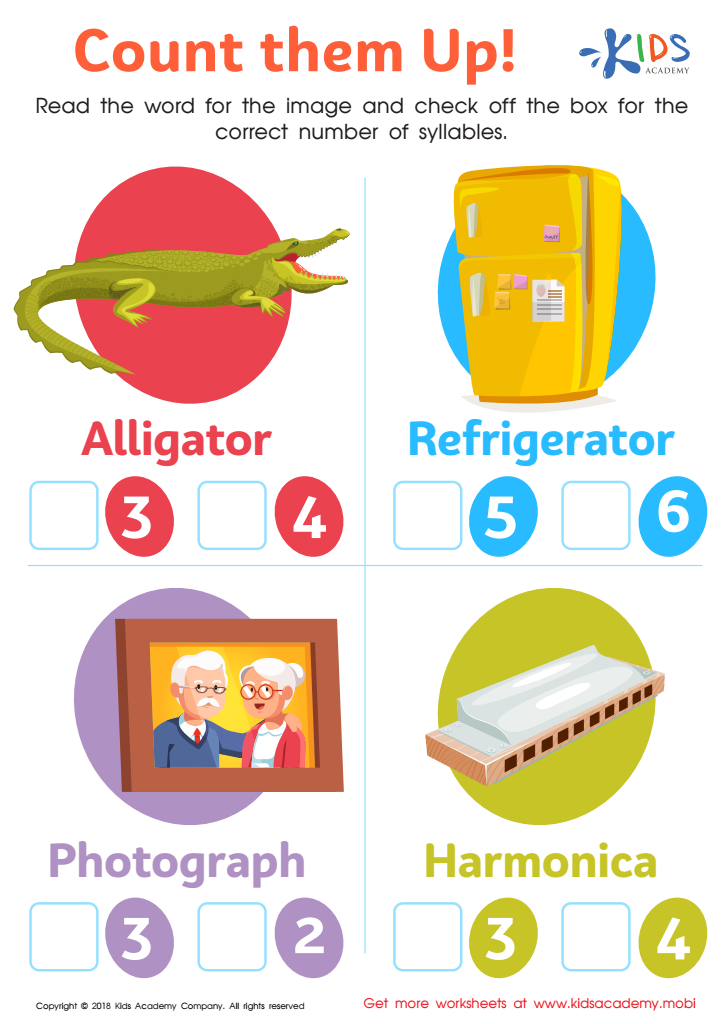
This worksheet has four colorful pictures. Ask your students to identify and name each image, then count the syllables in the word. Make them repeat the word after you, and check off the box with the correct number of syllables. Mastering the art of counting goes beyond numbers. Get your students counting syllables with this activity!
Count Them Up Worksheet
Worksheet
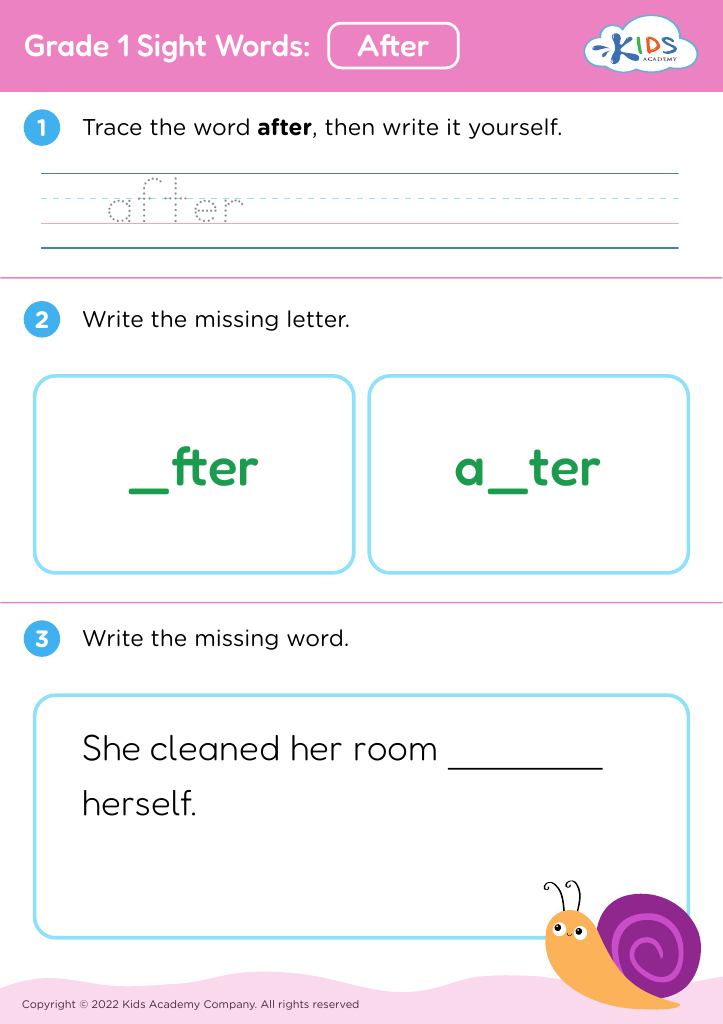
Grade 1 Sight Words: After

Grade 1 Sight Words: After

Grade 1 Sight Words: After
Worksheet
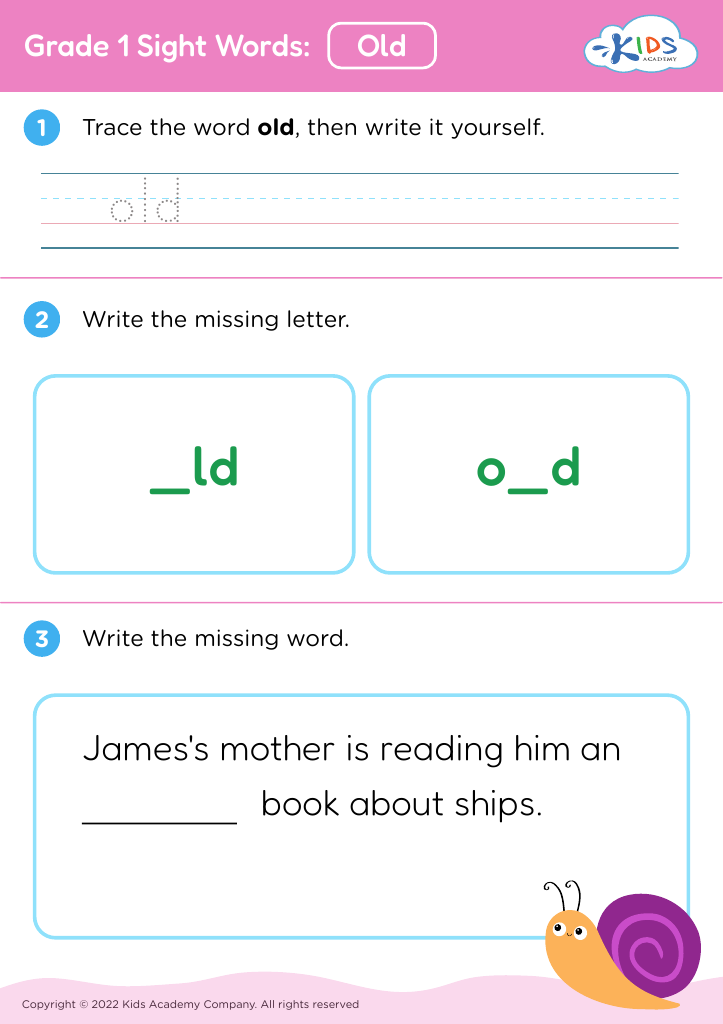
Grade 1 Sight Words: Old

Grade 1 Sight Words: Old

Grade 1 Sight Words: Old
Worksheet
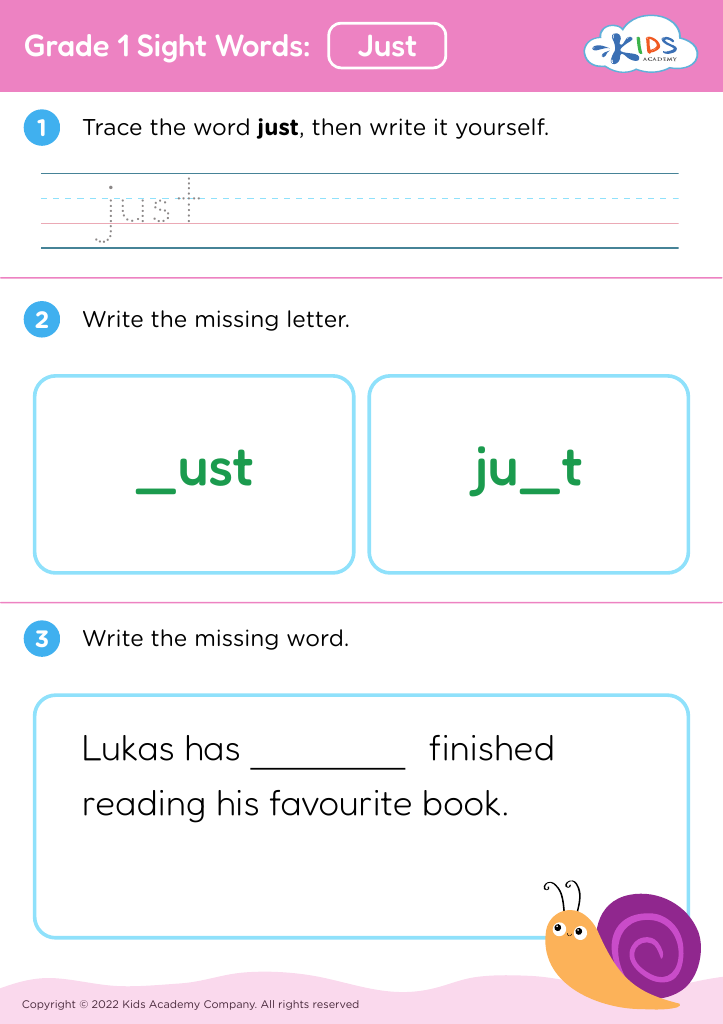
Grade 1 Sight Words: Just

Grade 1 Sight Words: Just

Grade 1 Sight Words: Just
Worksheet
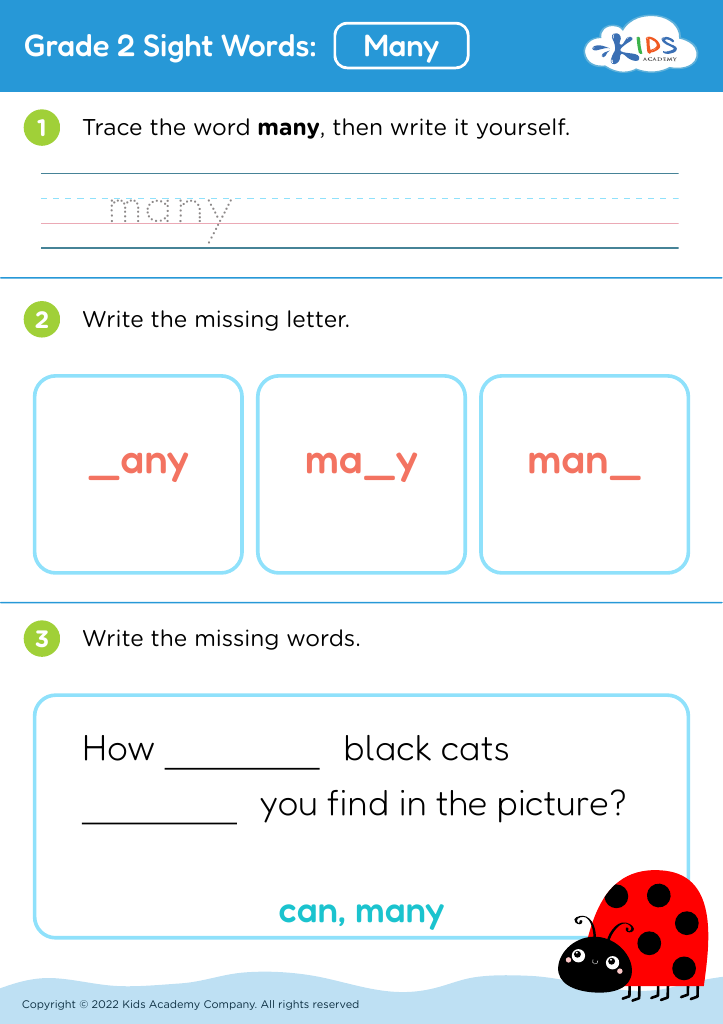
Grade 2 Sight Words: Many

Grade 2 Sight Words: Many

Grade 2 Sight Words: Many
Worksheet
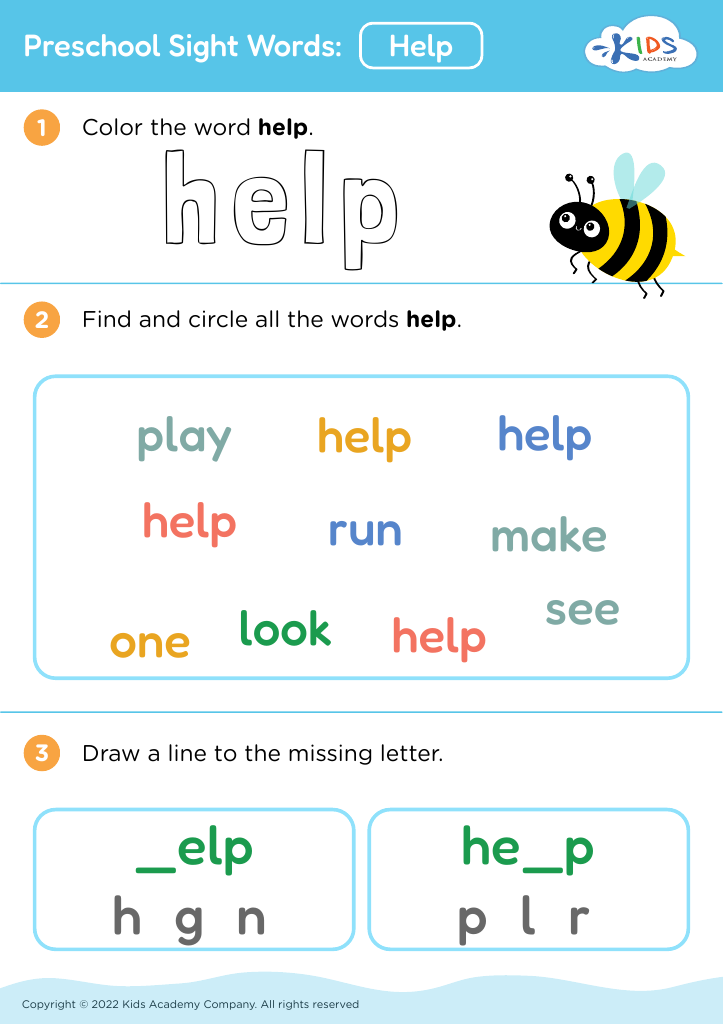
Preschool Sight Words: Help

Preschool Sight Words: Help

Preschool Sight Words: Help
Worksheet
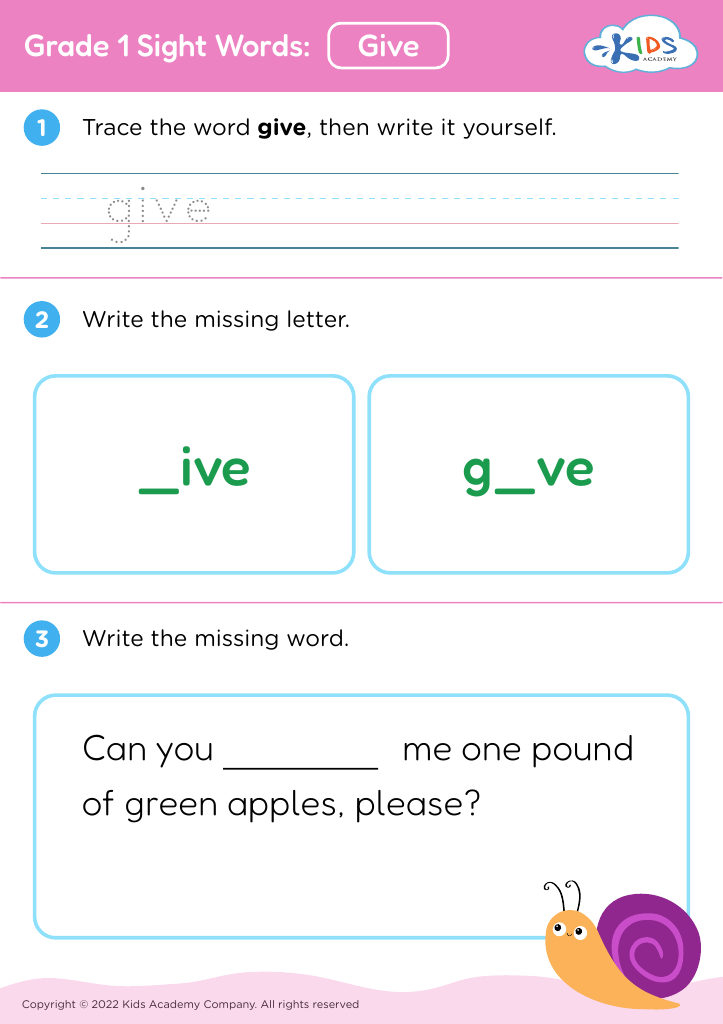
Grade 1 Sight Words: Give

Grade 1 Sight Words: Give

Grade 1 Sight Words: Give
Worksheet
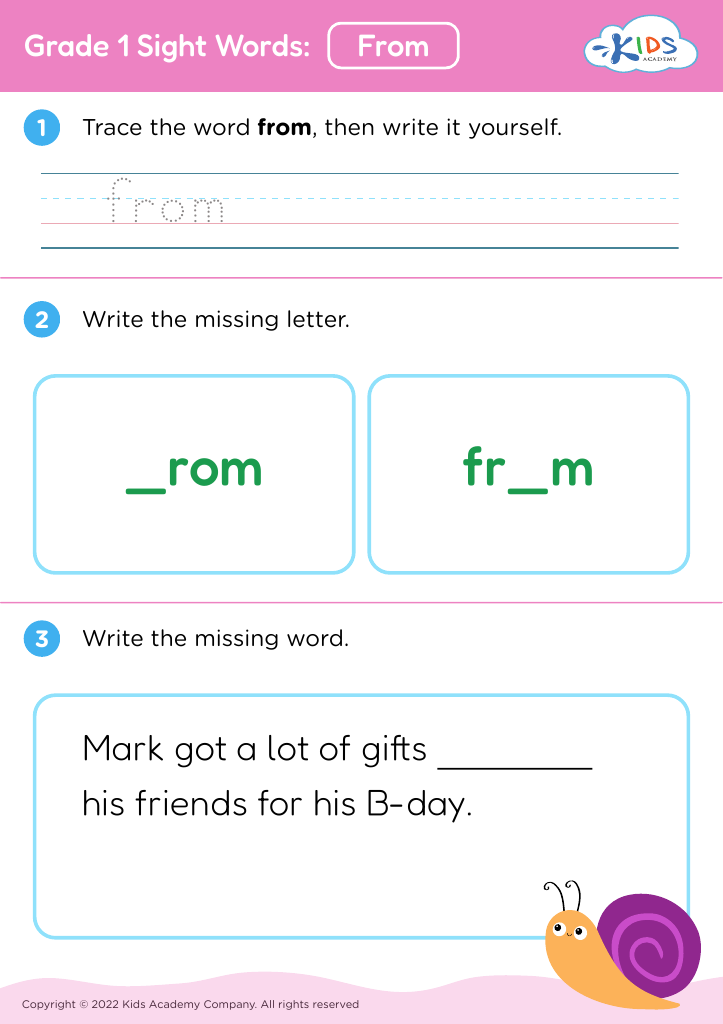
Grade 1 Sight Words: From

Grade 1 Sight Words: From

Grade 1 Sight Words: From
Worksheet
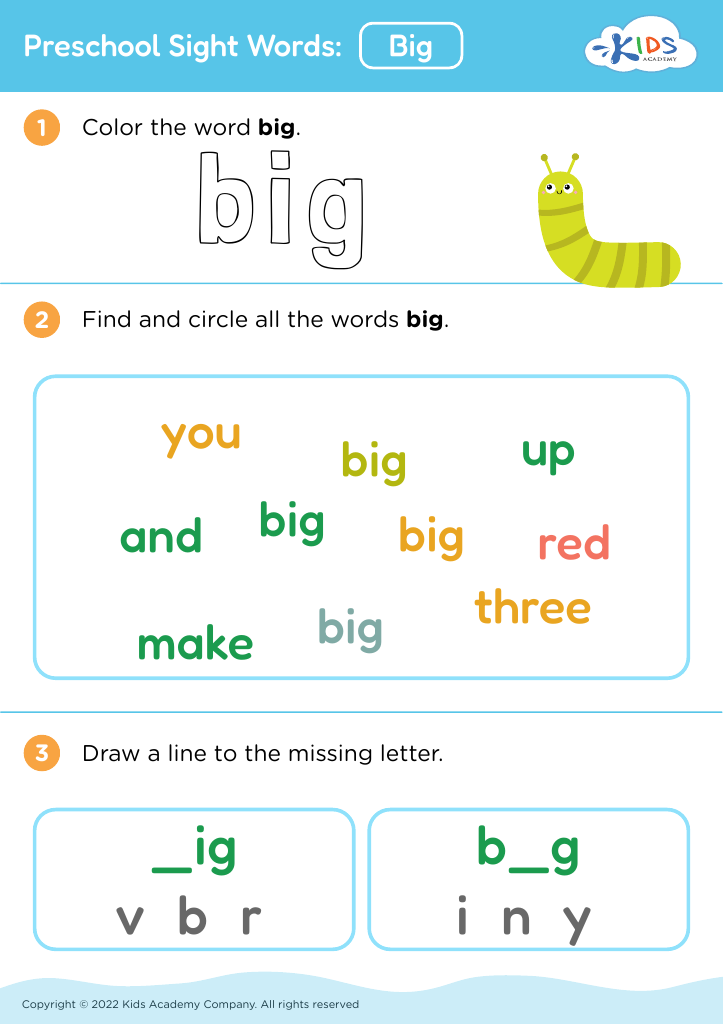
Preschool Sight Words: Big

Preschool Sight Words: Big

Preschool Sight Words: Big
Worksheet
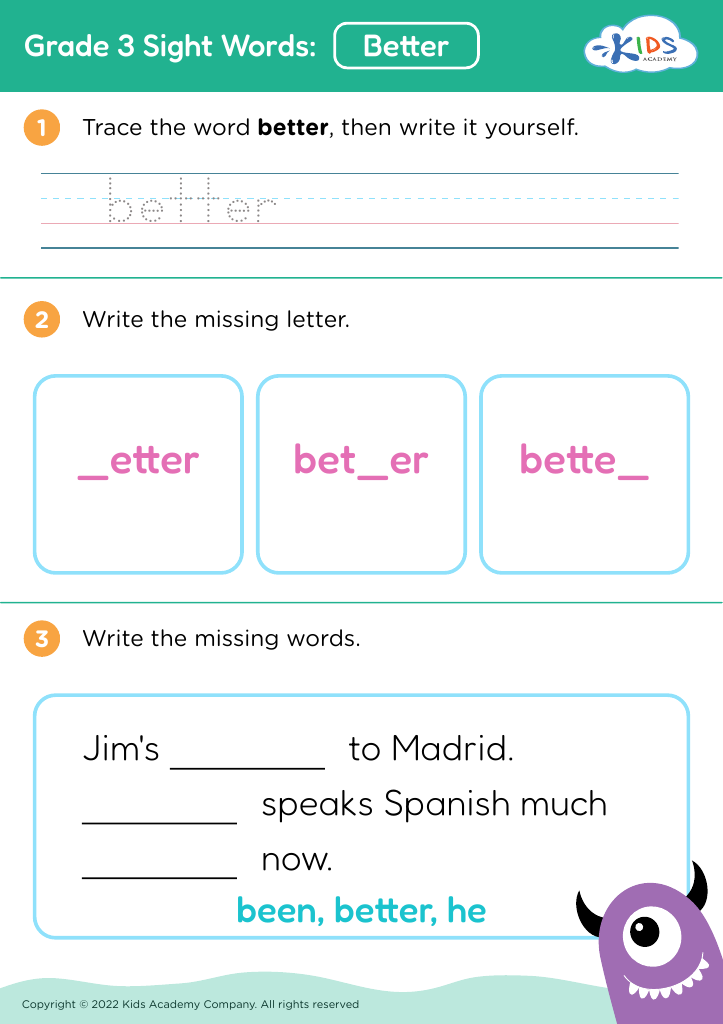
Grade 3 Sight Words: Better

Grade 3 Sight Words: Better

Grade 3 Sight Words: Better
Worksheet
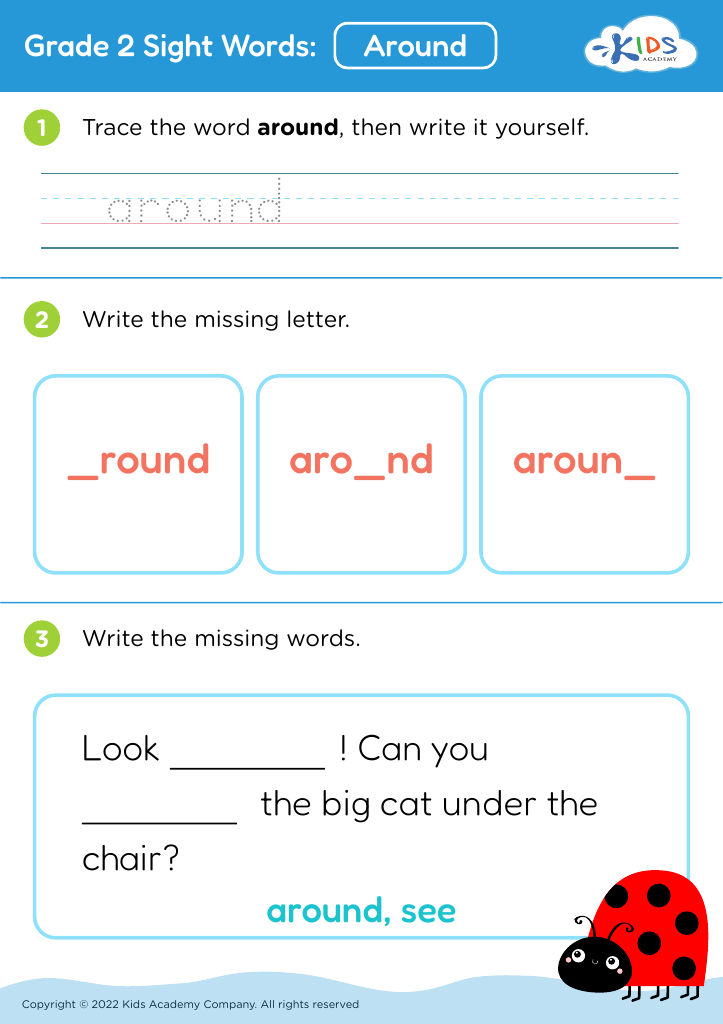
Grade 2 Sight Words: Around

Grade 2 Sight Words: Around

Grade 2 Sight Words: Around
Worksheet
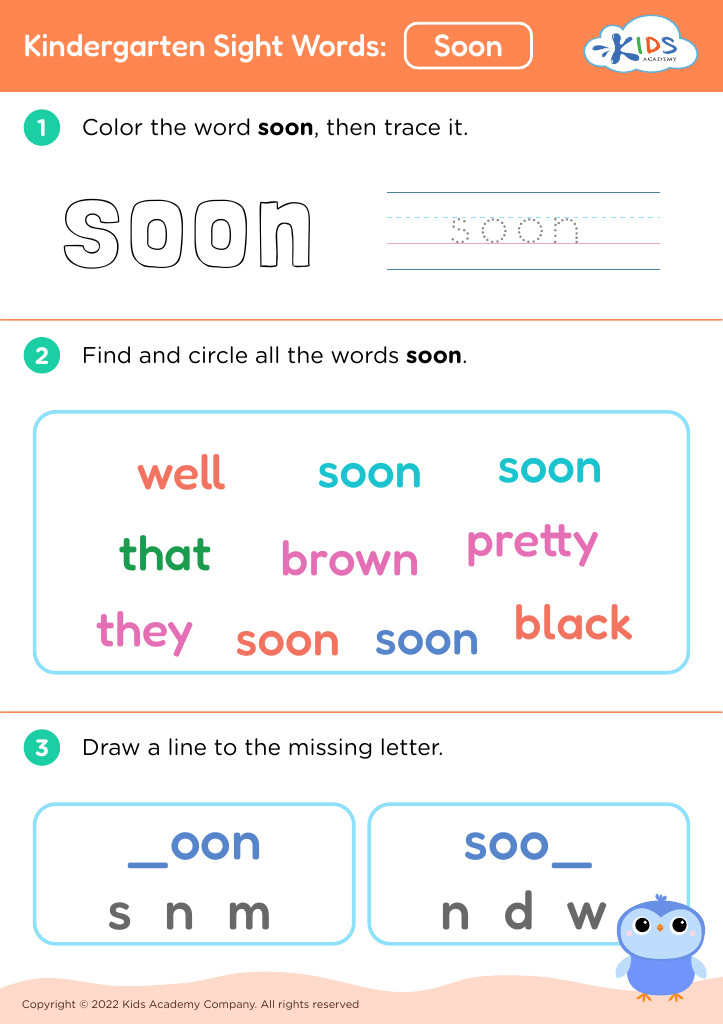
Kindergarten Sight Words: Soon

Kindergarten Sight Words: Soon

Kindergarten Sight Words: Soon
Worksheet
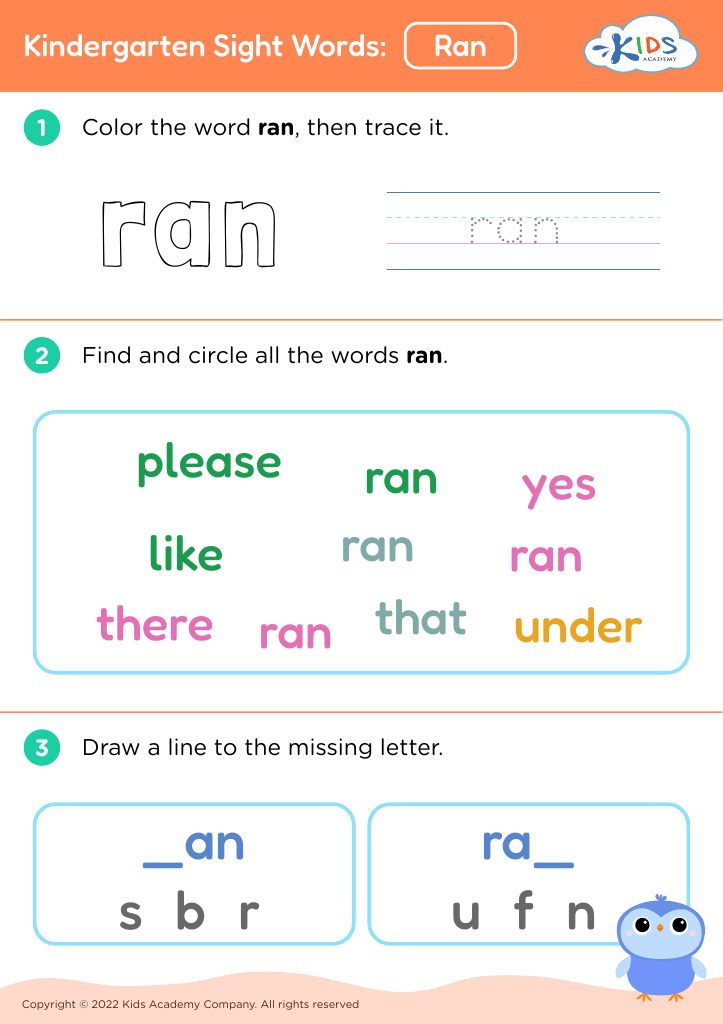
Kindergarten Sight Words: Ran

Kindergarten Sight Words: Ran

Kindergarten Sight Words: Ran
Worksheet
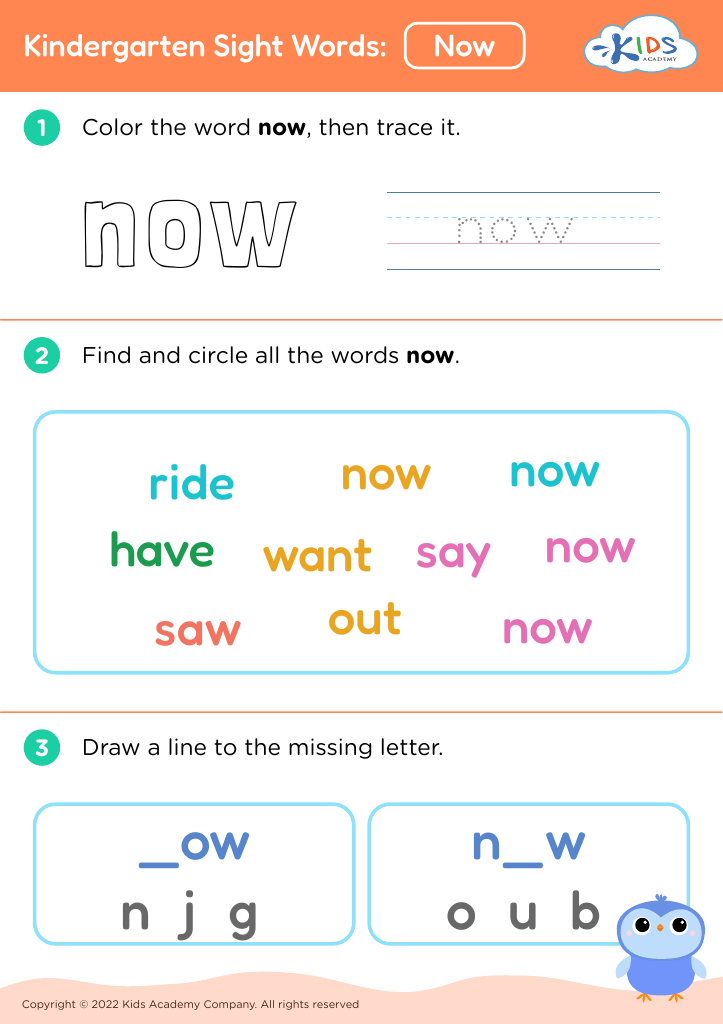
Kindergarten Sight Words: Now

Kindergarten Sight Words: Now

Kindergarten Sight Words: Now
Worksheet
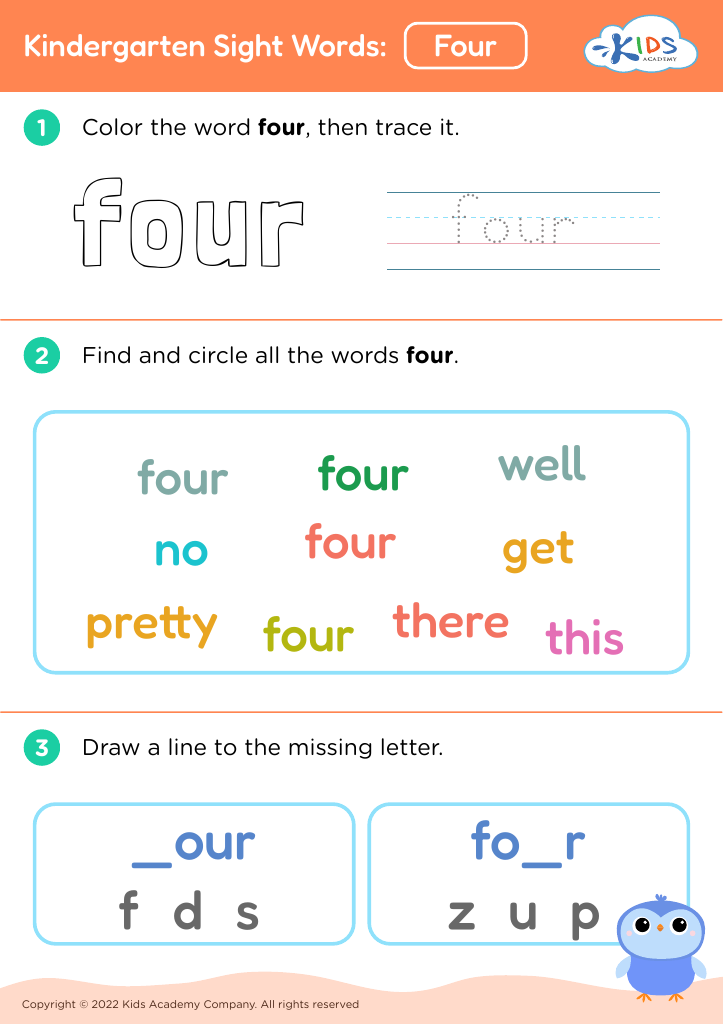
Kindergarten Sight Words: Four

Kindergarten Sight Words: Four

Kindergarten Sight Words: Four
Worksheet
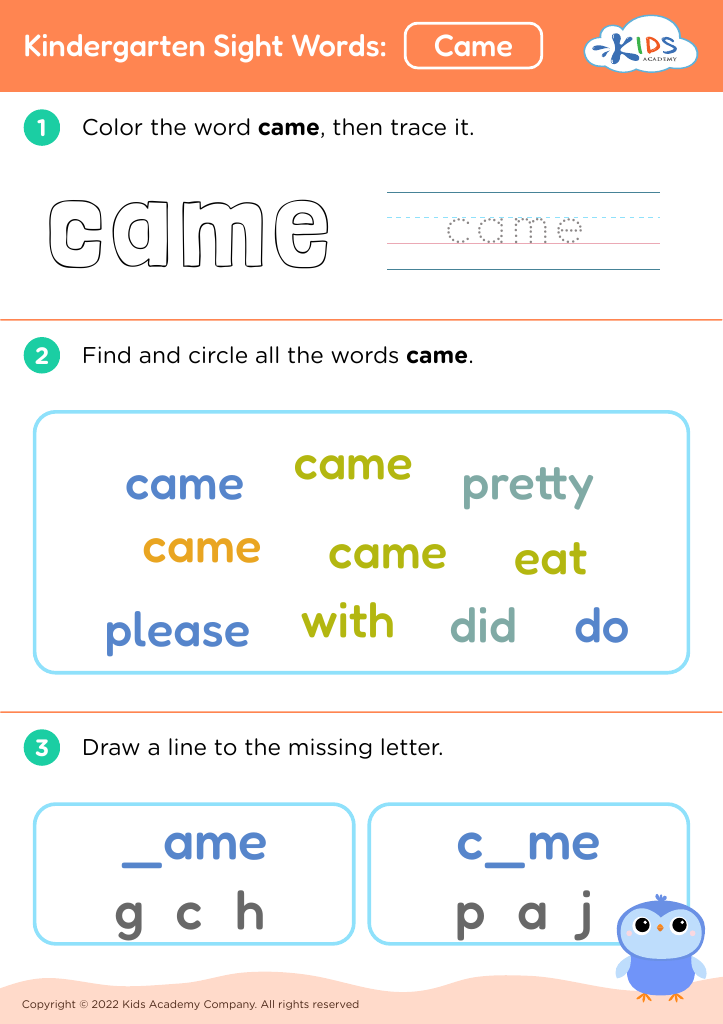
Kindergarten Sight Words: Came

Kindergarten Sight Words: Came

Kindergarten Sight Words: Came
Worksheet
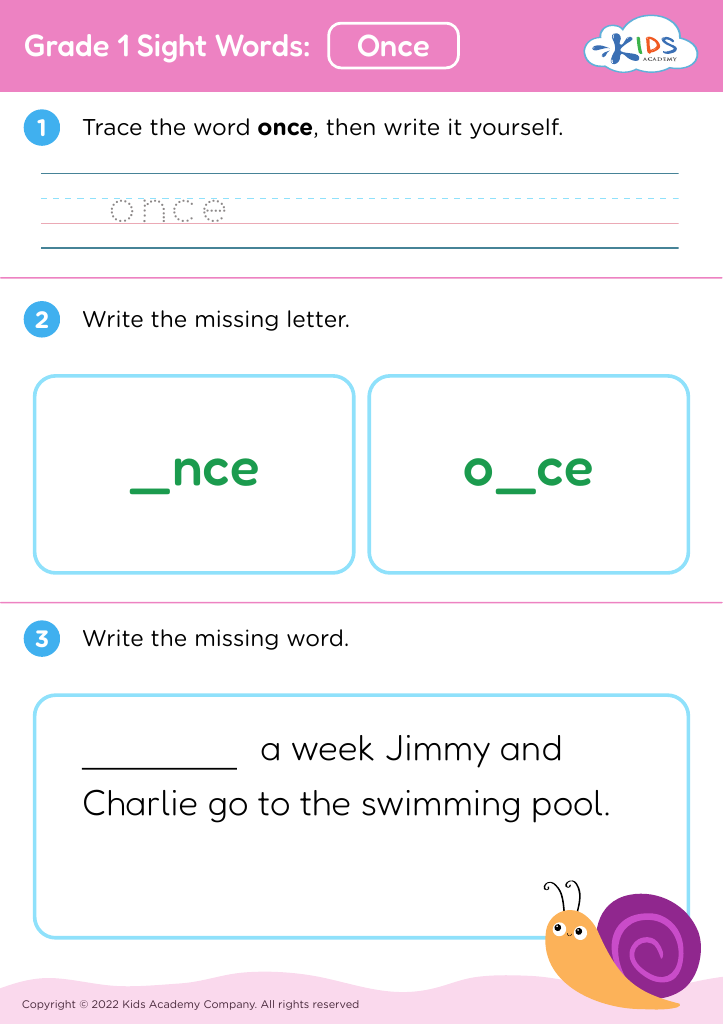
Grade 1 Sight Words: Once

Grade 1 Sight Words: Once

Grade 1 Sight Words: Once
Worksheet


Basic math skills and vocabulary are the foundation on which a child's future academic success is built. For ages 5-9, children are in a crucial developmental stage where they rapidly absorb new information. Grasping basic math concepts and associated vocabulary during these formative years is essential because it not only enhances their cognitive abilities but also nurtures problem-solving skills and logical thinking.

When teachers and parents emphasize building math vocabulary, they give children the tools to comprehend and articulate key concepts, such as addition, subtraction, shapes, and measurement. This vocabulary becomes a crucial stepping stone as more complex topics are introduced, and it helps children follow instructions more accurately and express themselves clearly.

Moreover, a strong math foundation boosts a child's confidence. When kids are comfortable with basic math terms, they are more likely to participate in classroom discussions, ask questions, and engage in collaborative problem-solving activities. Workplace and life skills also see significant benefits with early math fluency, as these often draw upon basic math principles.

Furthermore, proficiency in math can spark an interest in STEM (science, technology, engineering, and mathematics) fields, encouraging lifelong learning and curiosity. By investing in building a solid math vocabulary early on, parents and teachers set children on a path to academic achievement and empowered futures.