Geography knowledge Building Vocabulary Worksheets for Ages 5-9
5 filtered results
-
From - To
Explore our engaging Geography Knowledge Building Vocabulary Worksheets designed specifically for children ages 5-9. These worksheets cultivate essential geography skills while enhancing vocabulary through fun and interactive activities. Young learners will discover key geographic concepts, learn about continents, countries, and various terrains, and develop their language skills in an enjoyable way. Our resources foster critical thinking and make geography exciting, helping children connect with the world around them. Ideal for both classroom settings and at-home learning, these worksheets provide a solid foundation in geography for lifelong inquiry and exploration. Start building your child's geographical vocabulary today!
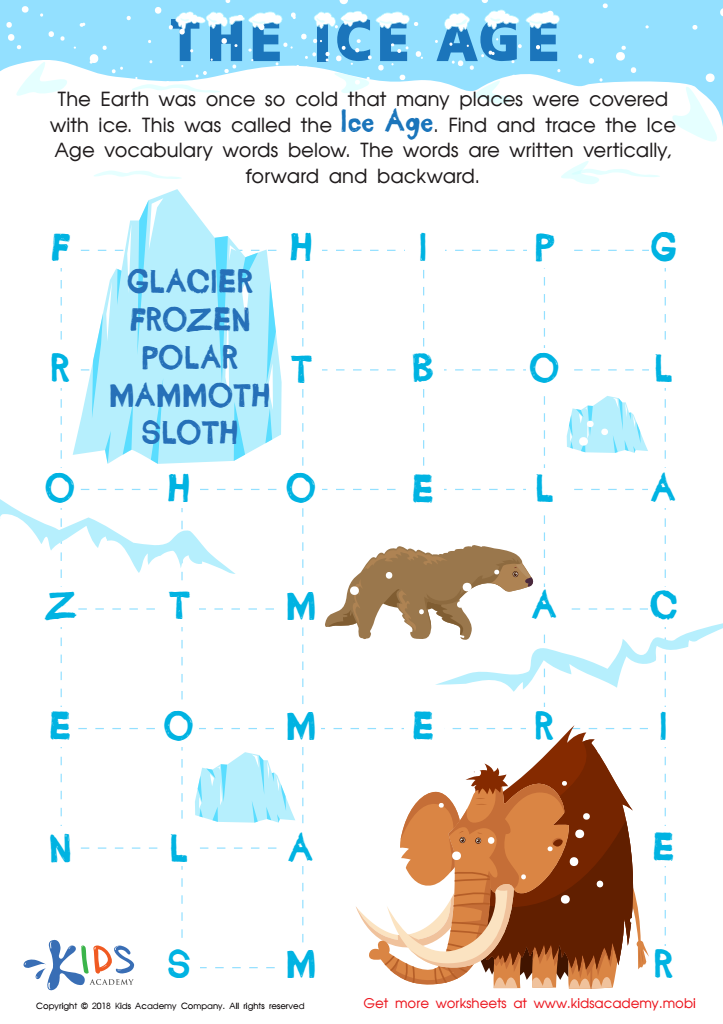
The Ice Age Worksheet
 Assign to My Students











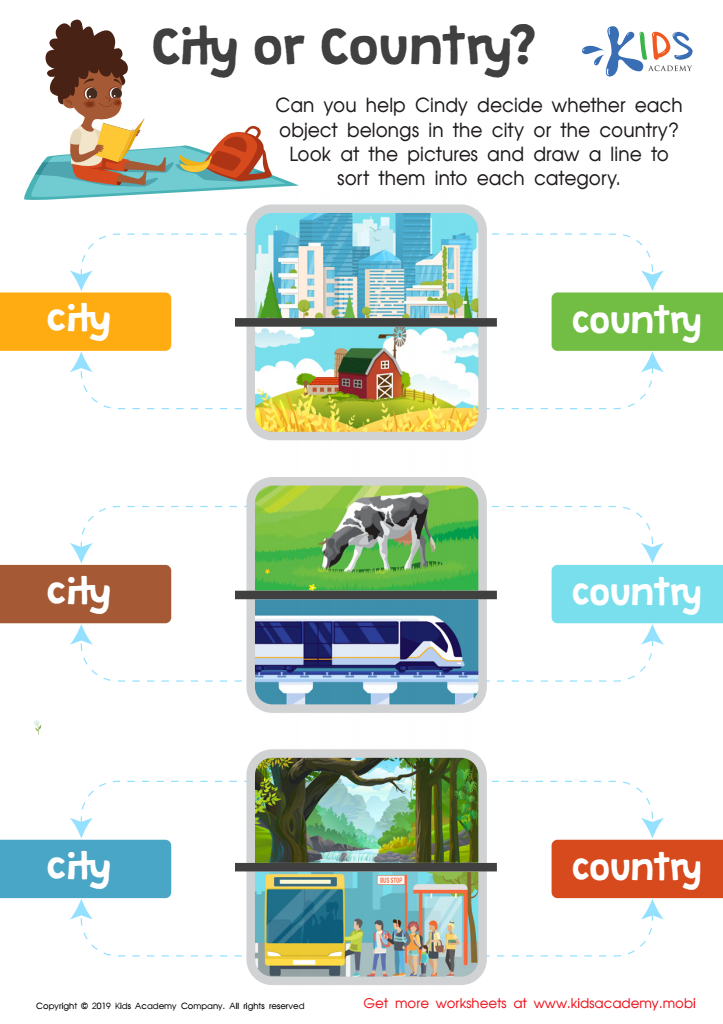
City or Country? Worksheet
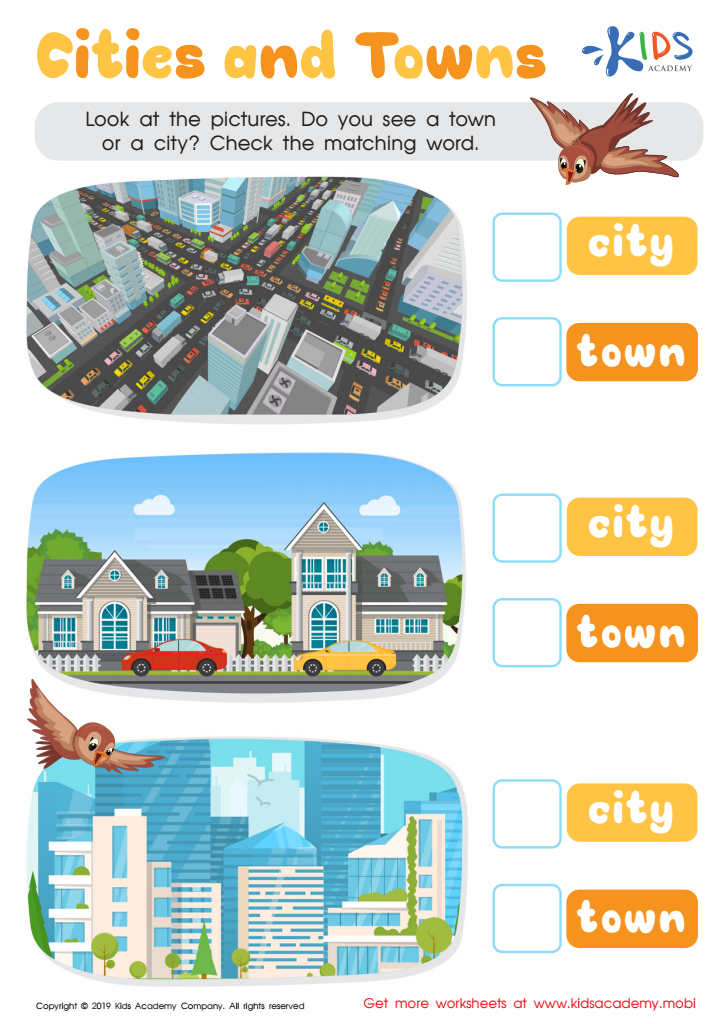
Cities and Towns Worksheet
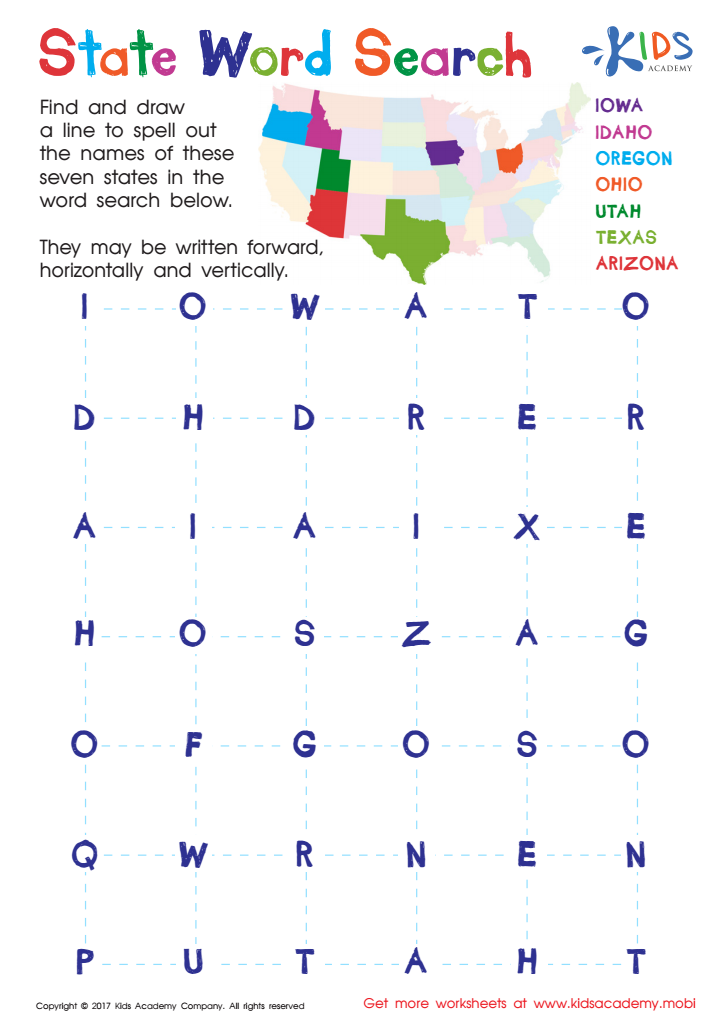
State Word Search Worksheet
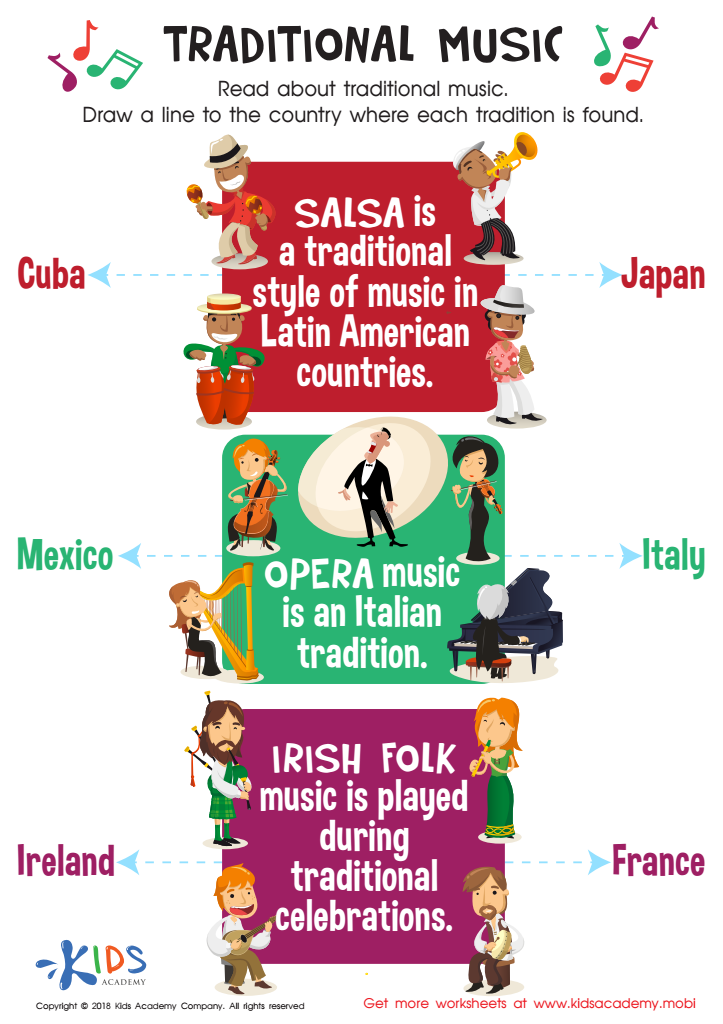
Traditional Music Worksheet



.jpg)




Building geographical vocabulary in children aged 5-9 is essential for their cognitive and social development. During these formative years, children are naturally curious about their surroundings and the world beyond. Teaching them geographic terms helps them make sense of their environment, fostering critical thinking and spatial awareness. For example, understanding terms like "continent," "river," or "ocean" enables children to form connections between places and cultures, enhancing their knowledge of diversity.
Moreover, geographic literacy is integrally linked to various subjects, including science, history, and social studies. By expanding their vocabulary, children develop strong foundational skills for future learning challenges. This early exposure also cultivates a sense of place, identity, and responsibility towards their environment and global community.
Parents and teachers play a crucial role in this vocabulary building by integrating geographical concepts into everyday conversations and activities. Through engaging discussions, interactive maps, and exploration games, they can create rich learning experiences. Encouraging children to ask questions about different places and their characteristics fosters curiosity and critical analysis, skills essential for navigating an increasingly complex world. Ultimately, a solid grasp of geography aids children in understanding their roles within local and global contexts, empowering them to be informed, active citizens.








