Identifying shapes Building Vocabulary Worksheets for Ages 5-9
10 filtered results
-
From - To
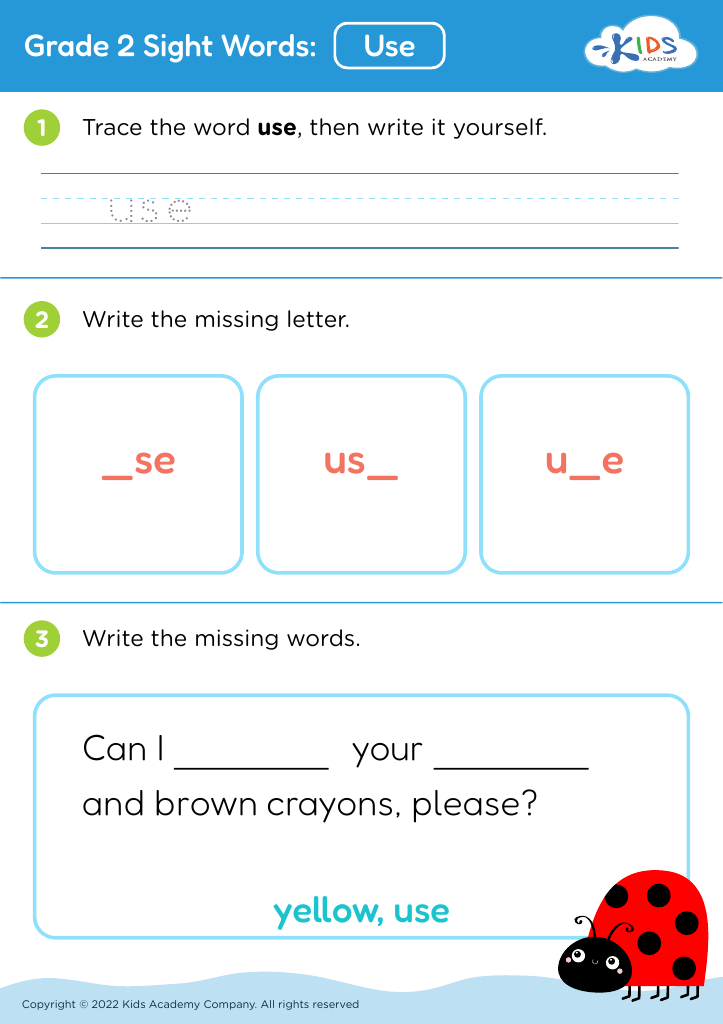
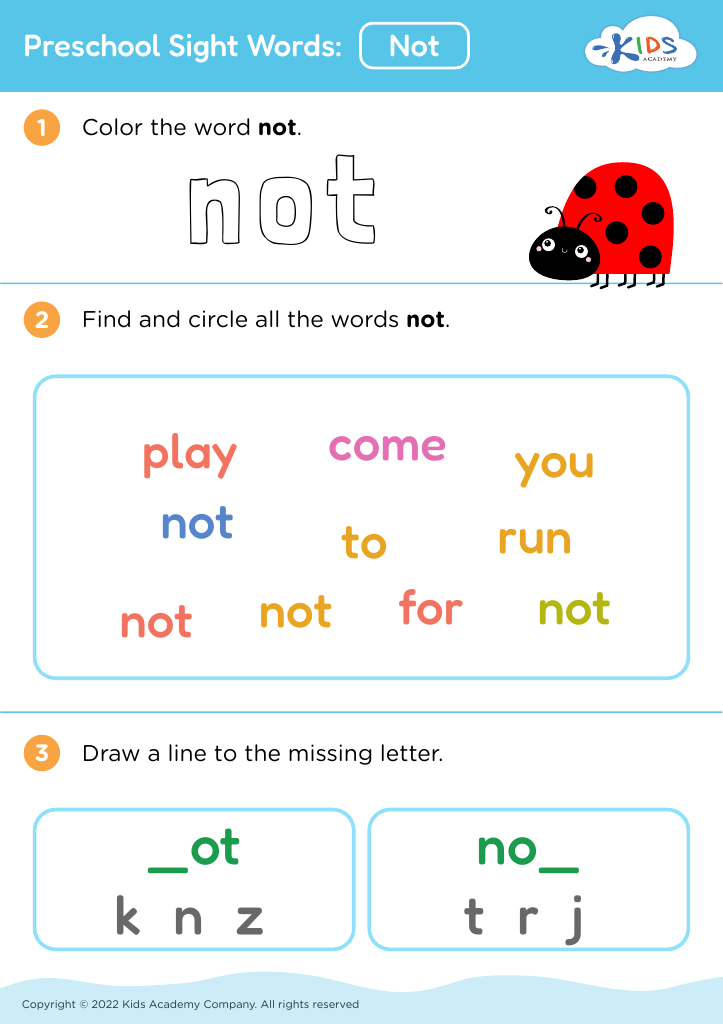
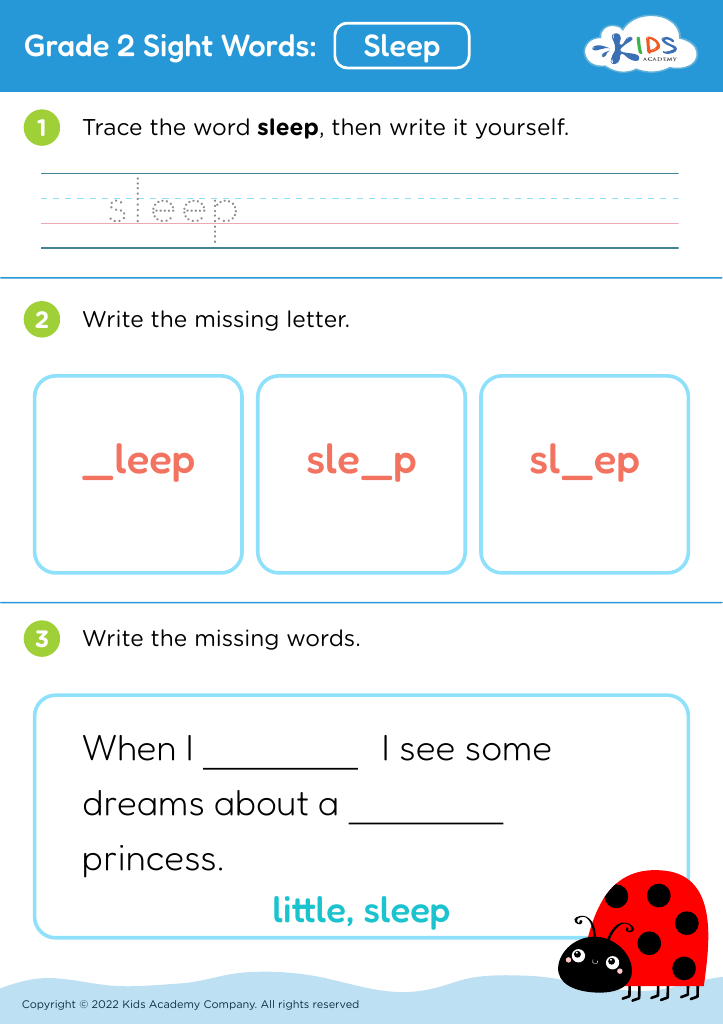
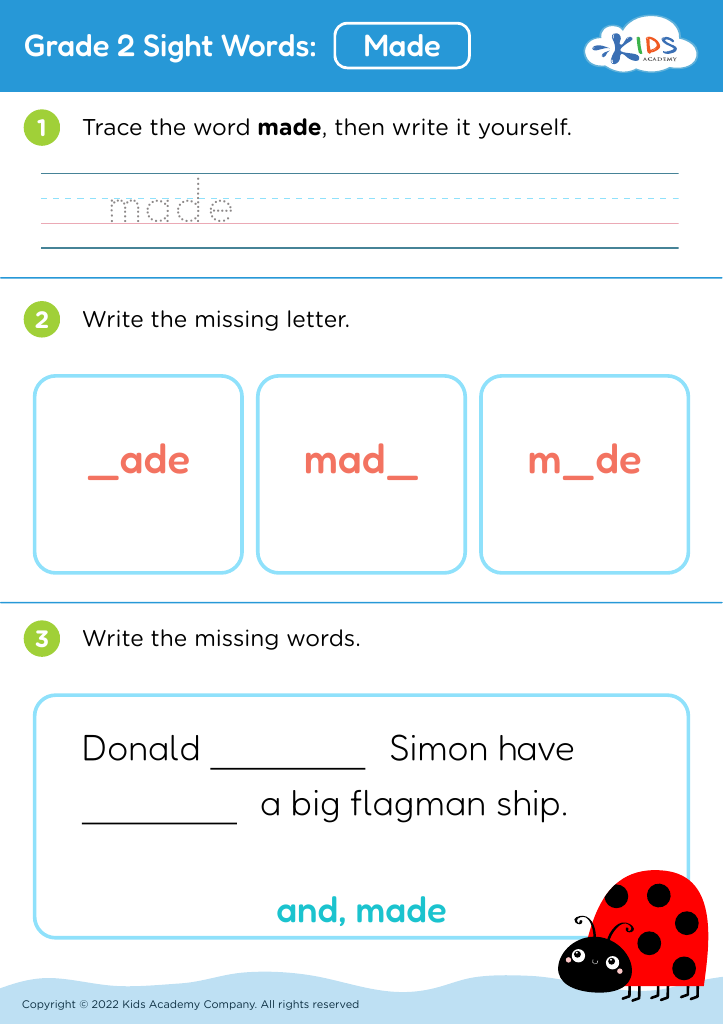
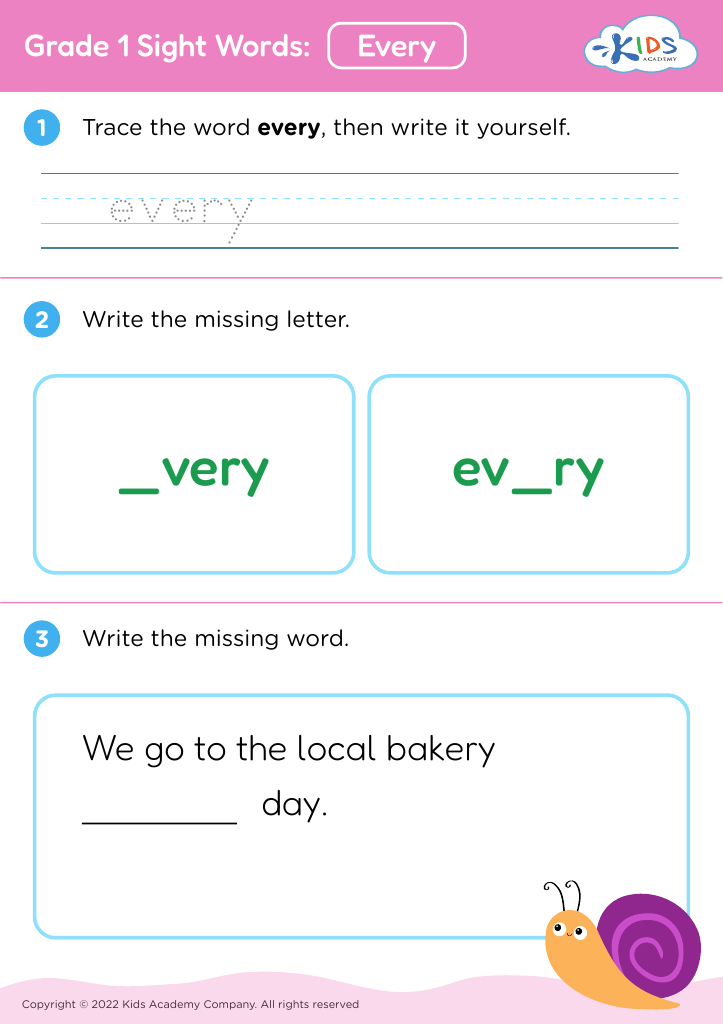
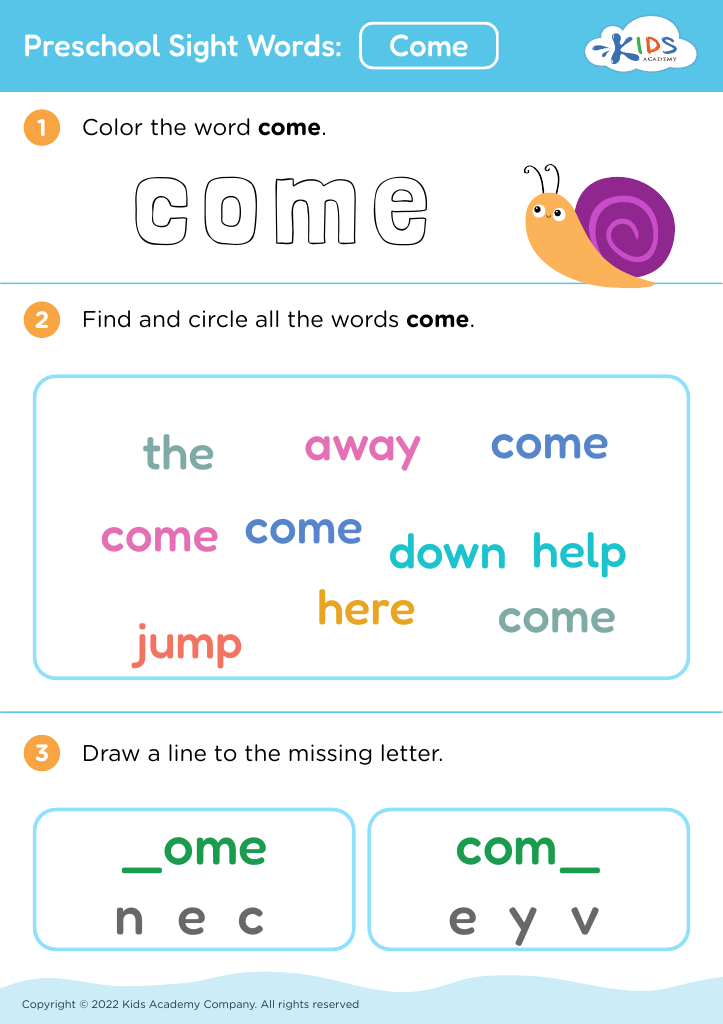
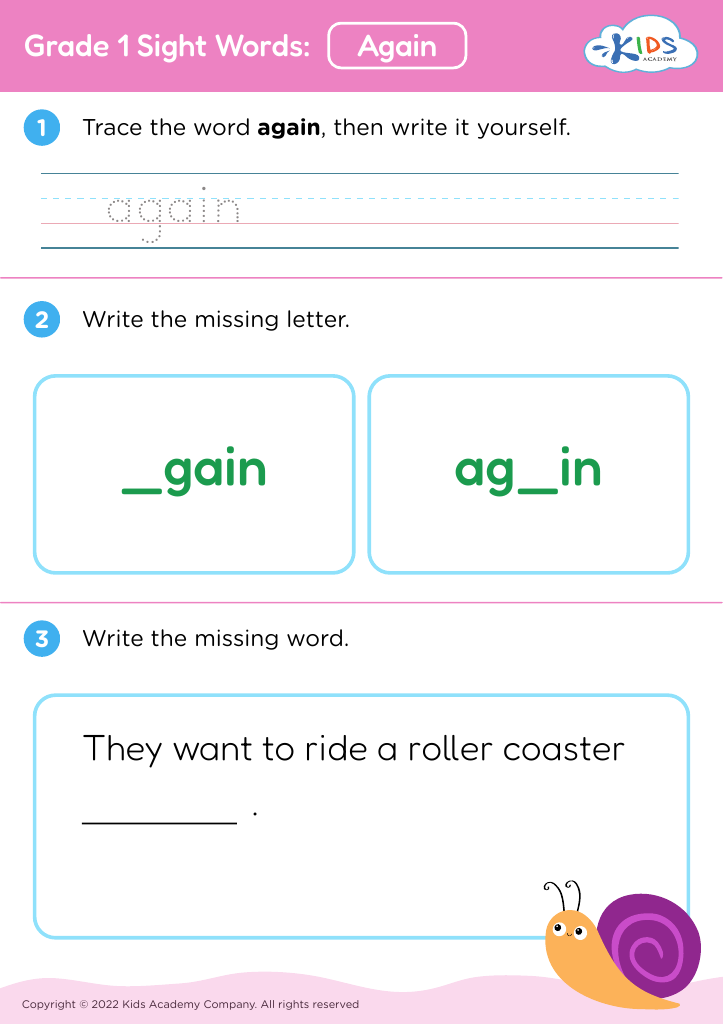
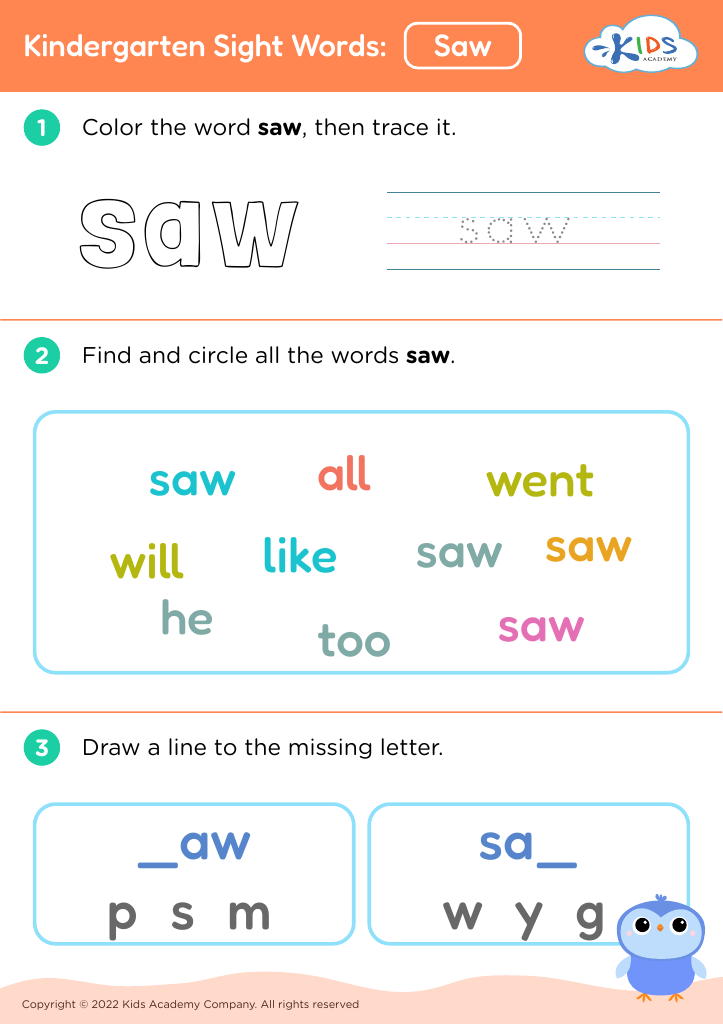
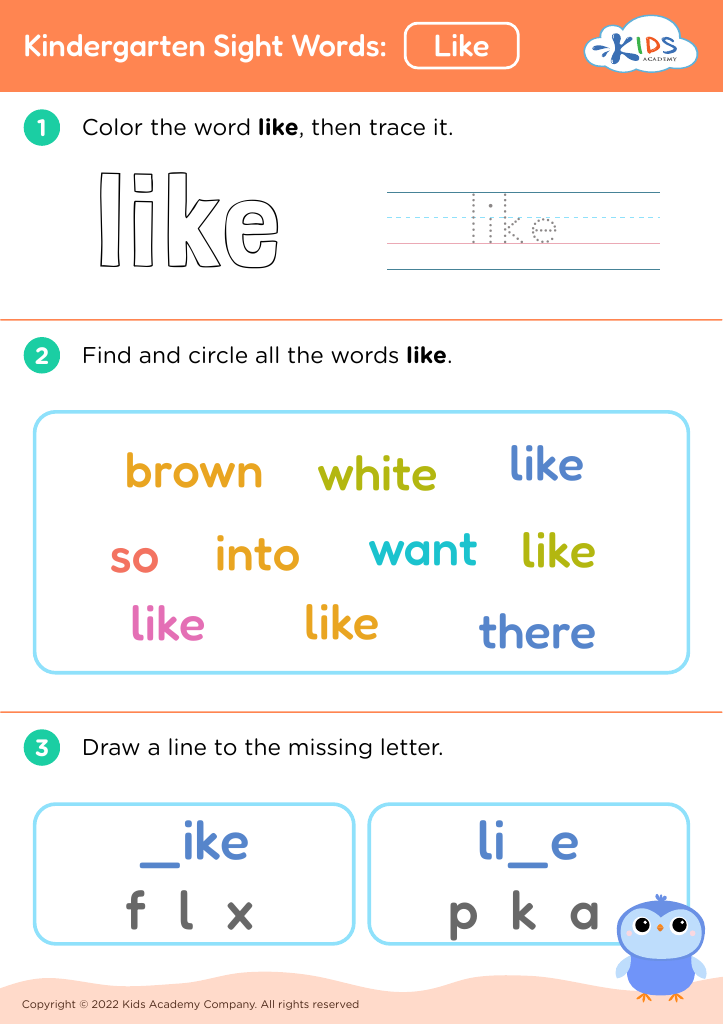
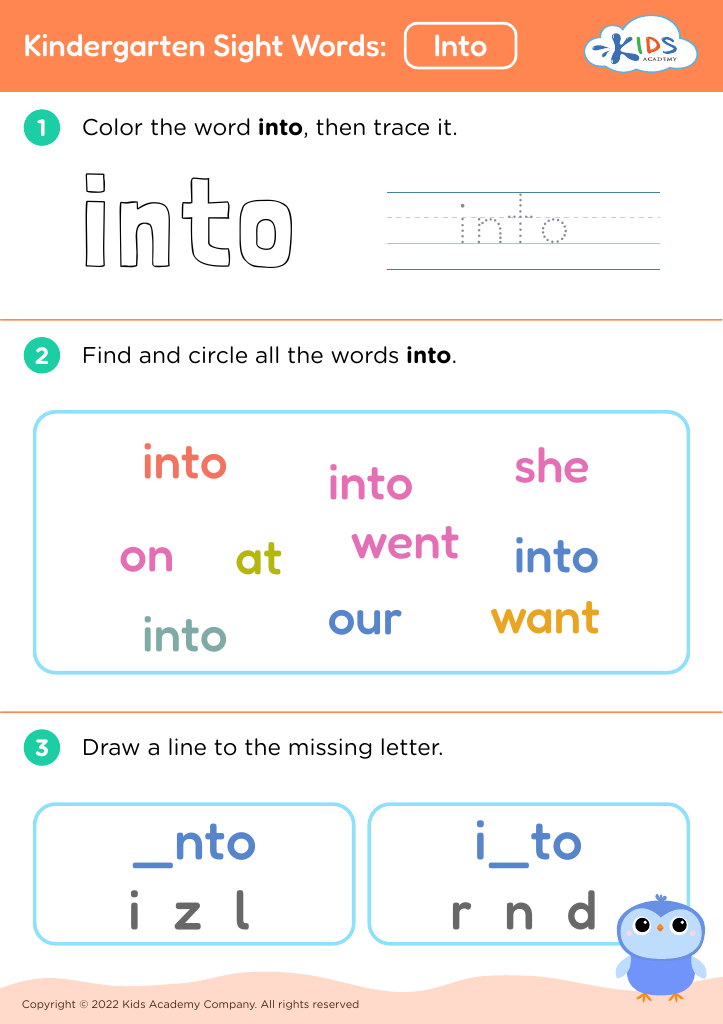
Discover our engaging "Identifying Shapes Building Vocabulary Worksheets" designed for children aged 5-9! Our worksheets provide a fun way for young learners to explore basic shapes, enhancing their visual recognition and vocabulary. Each activity encourages creativity and critical thinking as students identify, describe, and use shapes in various contexts. With colorful illustrations and interactive exercises, these worksheets serve as delightful tools to reinforce vocabulary and boost confidence in early learners. Perfect for classroom activities or home learning, these resources lay a strong foundation for future mathematical skills. Start your child's educational journey with these captivating shape identification activities today!

















.jpg)

Identifying shapes and building vocabulary are fundamental skills for children aged 5 to 9 that serve as the cornerstone for their overall development. Recognizing and naming shapes enables children to understand their environment better, enhances their spatial awareness, and provides a foundation for critical mathematical concepts such as geometry. Engaging with shapes encourages observational skills and logical reasoning, critical skills essential in problem-solving situations.
Additionally, building vocabulary during these formative years enriches language development. A robust vocabulary isn’t just about knowing words; it influences reading comprehension, communication, and social skills. When children learn to associate shapes with descriptive language—such as “triangle,” “curved,” or “colorful”—they can articulate their thoughts and ideas more clearly.
Parents and teachers who prioritize these skills foster a more engaging and effective learning environment. This emphasis helps children gain confidence in their abilities and prepares them for more complex academic subjects in later years. Ultimately, identifying shapes and expanding vocabulary contribute to a child's cognitive development, laying the groundwork for successful future learning in mathematics, language arts, and beyond. Engaging with these concepts ra is essential for nurturing well-rounded, capable learners.








