
Recognizing Patterns Building Vocabulary Worksheets for Ages 5-9
5 filtered results
Difficulty Level
Grade
Age
-
From - To
Subject
Activity
Standards
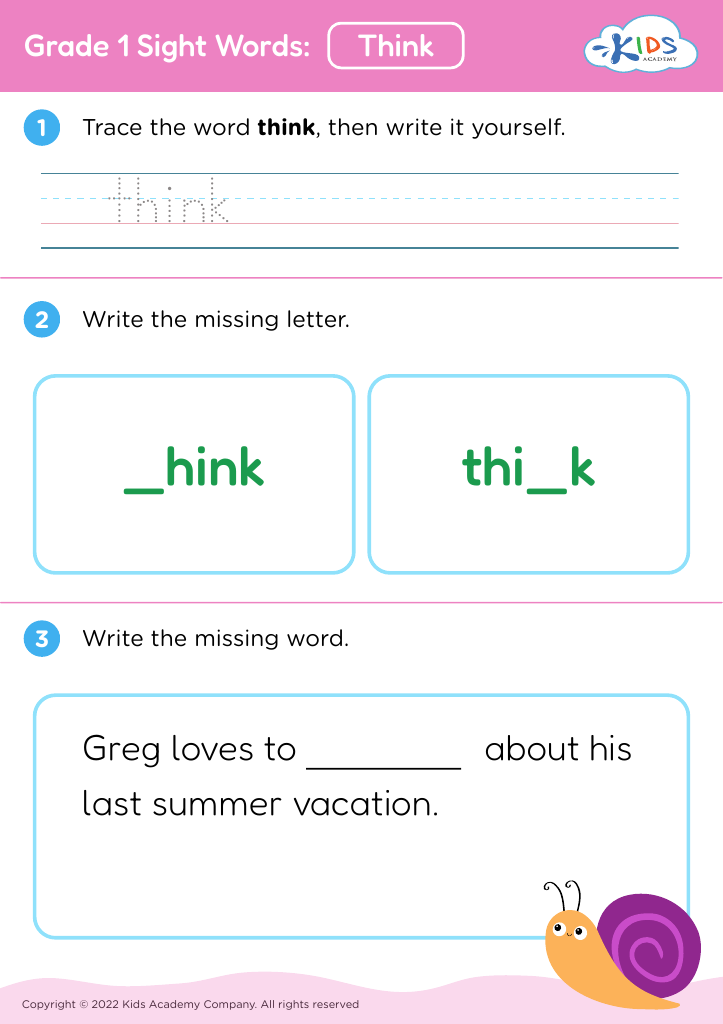
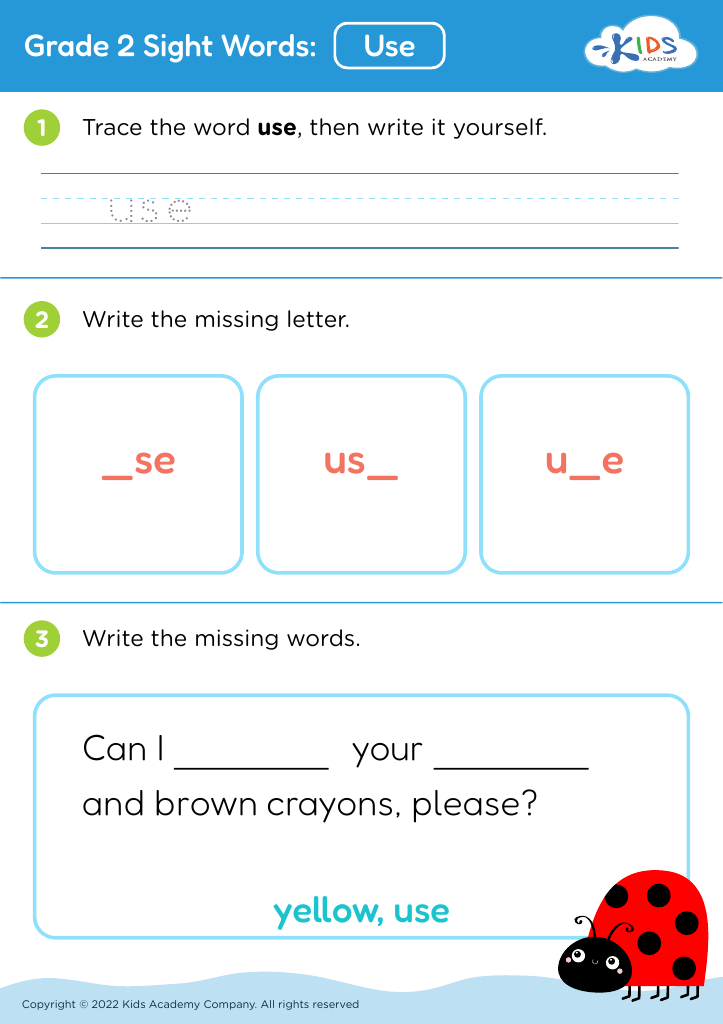
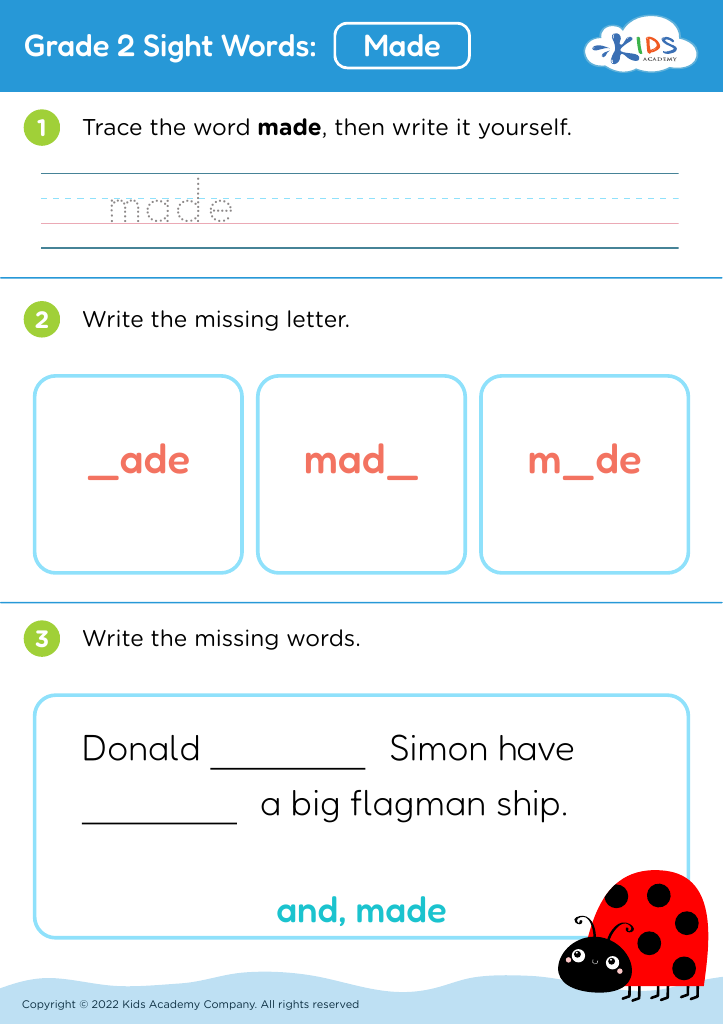
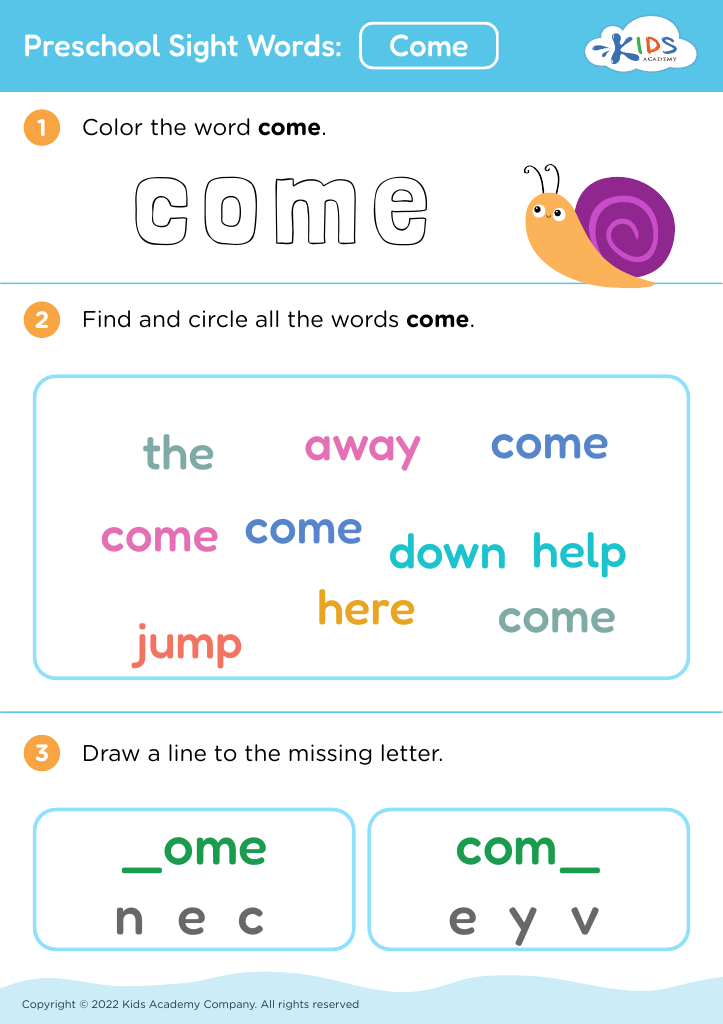
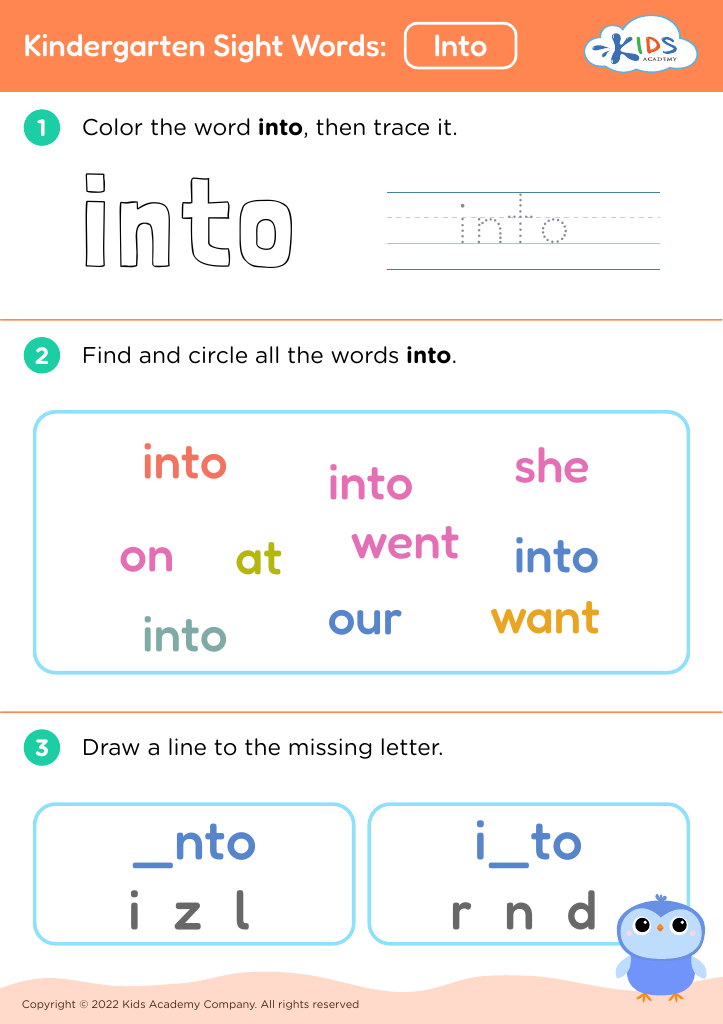
Discover our engaging "Recognizing Patterns Building Vocabulary" worksheets designed specifically for children aged 5-9. These thoughtfully crafted activities help young learners identify patterns in words and sentences, enhancing their vocabulary and reading skills. Through interactive exercises, kids will learn to recognize similarities and variations in language, fostering critical thinking and comprehension. Our worksheets are perfect for teachers and parents seeking to support their child's literacy development in a fun and effective way. Encourage early reading and boost language acquisition with our colorful, easy-to-use resources, making learning a joyful experience that lays the foundation for lifelong language mastery. Start exploring today!
Favorites
With answer key
Interactive











Join Kids Academy for Free
Who is primarily going to use this learning content?







Recognizing patterns and building vocabulary are crucial skills for children aged 5-9, as they form the foundation for successful literacy and cognitive development. Parents and teachers should prioritize these skills because they not only enhance reading proficiency but also foster critical thinking and problem-solving abilities.
When children identify patterns—whether in numbers, sounds, or words—they develop analytical skills that enhance their ability to make connections across various subject areas. This skill also helps them understand sequences and predict outcomes, which are essential for navigating both academic and real-world situations.
Building vocabulary at this formative age significantly boosts children's language acquisition, comprehension, and expression. A rich vocabulary allows children to articulate their thoughts and ideas clearly, improving their written and verbal communication skills. Furthermore, a strong vocabulary empowers children to engage more deeply with their reading materials, promoting a love for literature that can last a lifetime.
Moreover, the integration of pattern recognition and vocabulary development equips young learners with the tools needed to tackle complex concepts as they progress through their education. Ultimately, by focusing on these competencies, parents and teachers can help set children on a path to academic success and lifelong learning.








