Shape Recognition Building Vocabulary Worksheets for Ages 5-9
7 filtered results
-
From - To
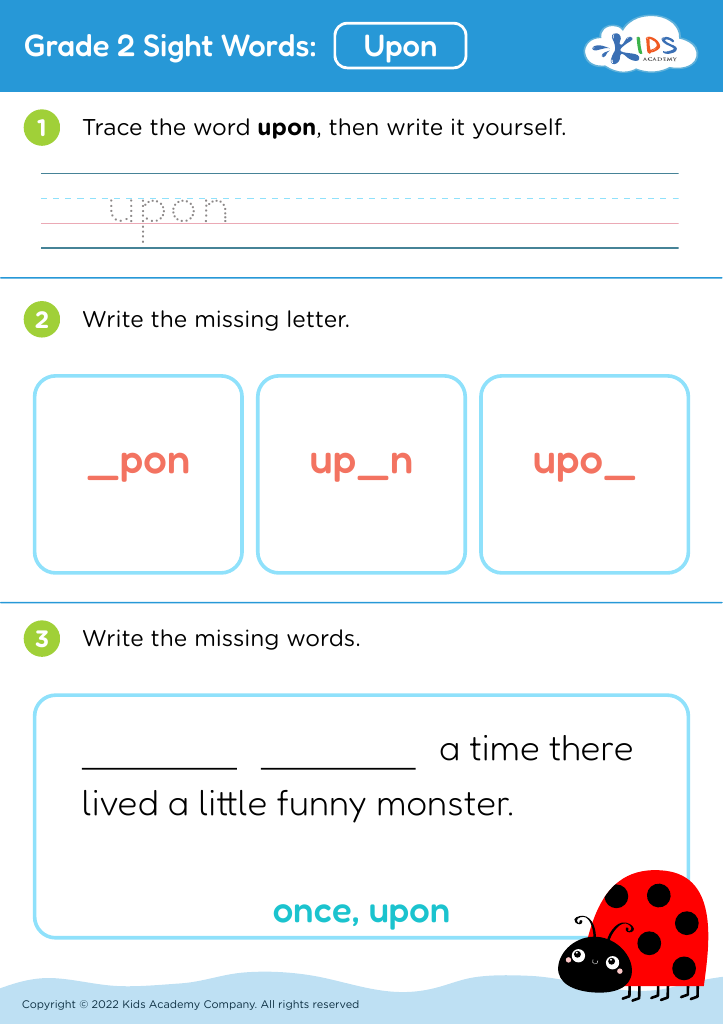
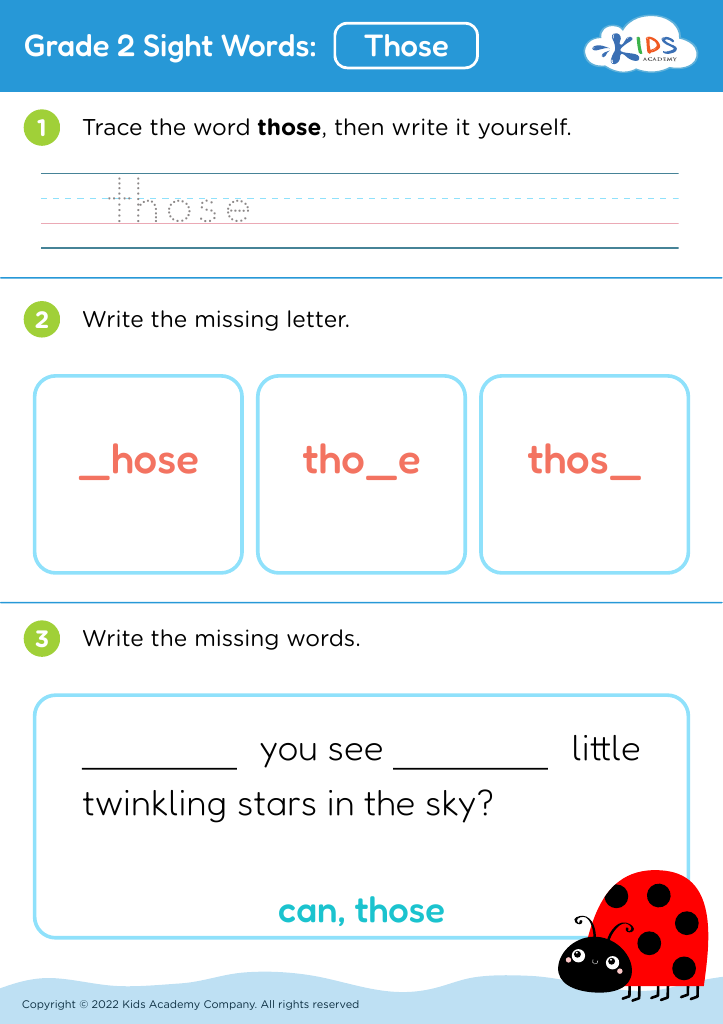
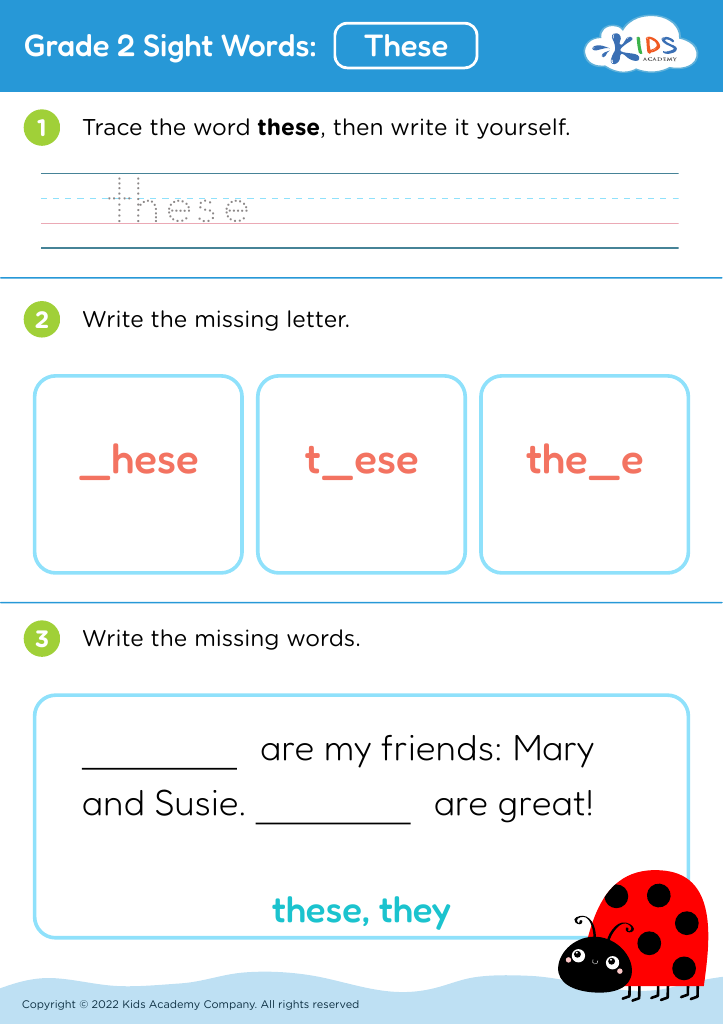
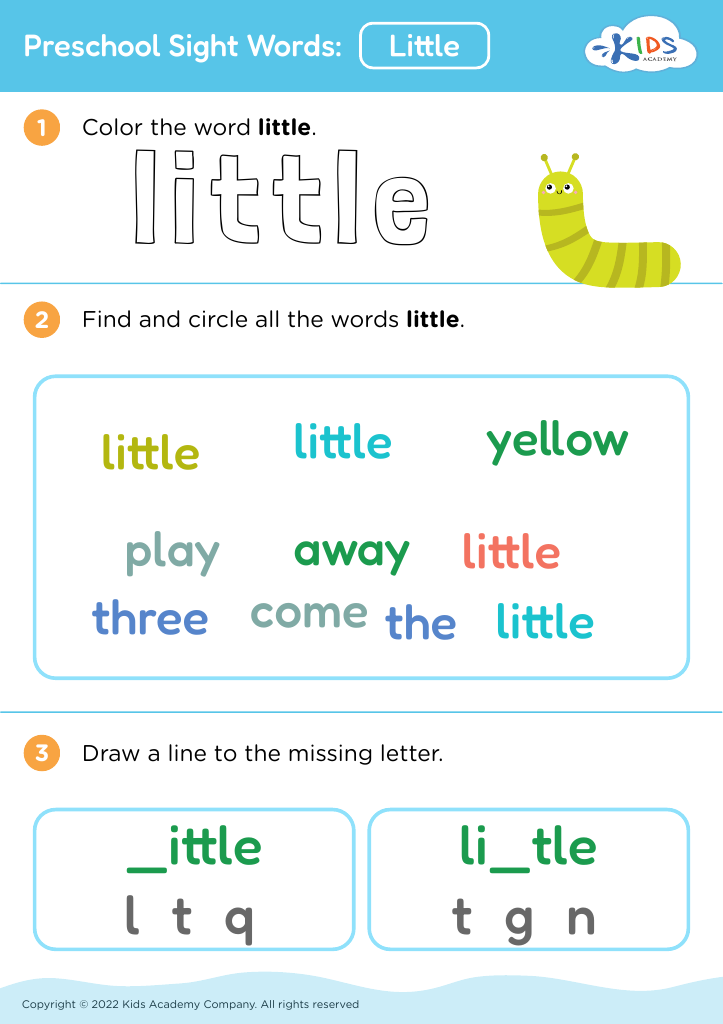
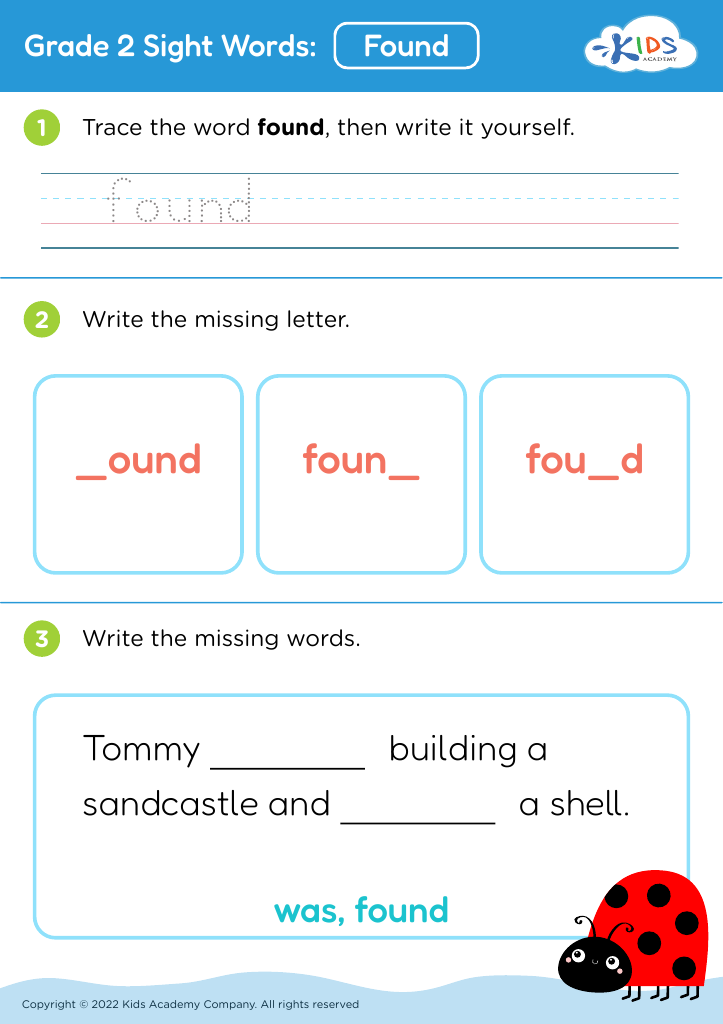
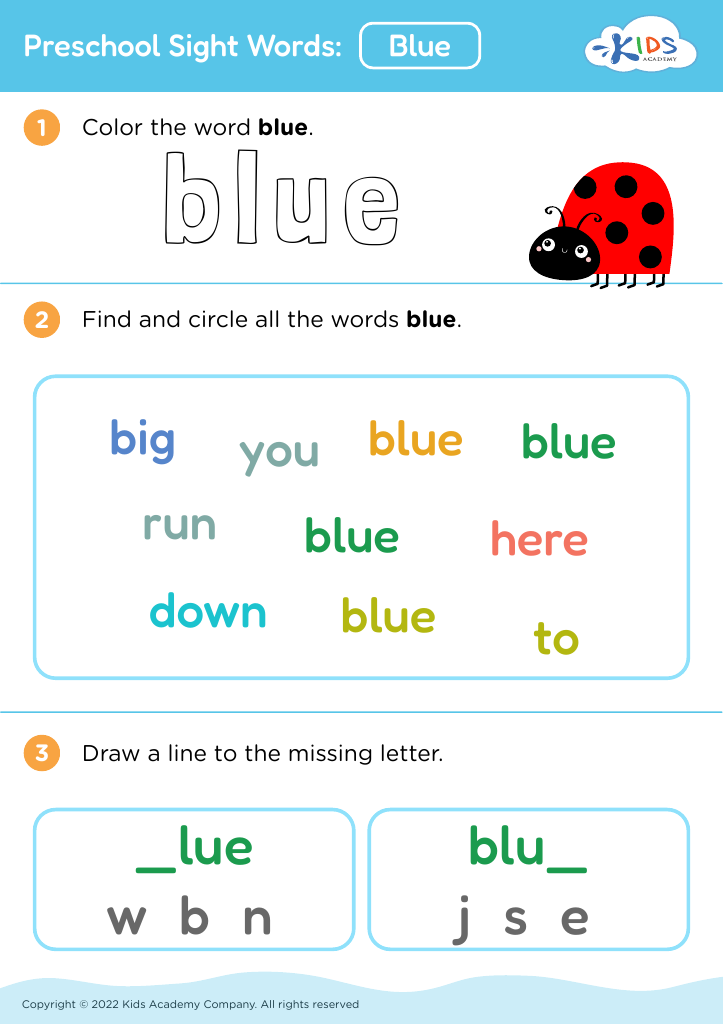
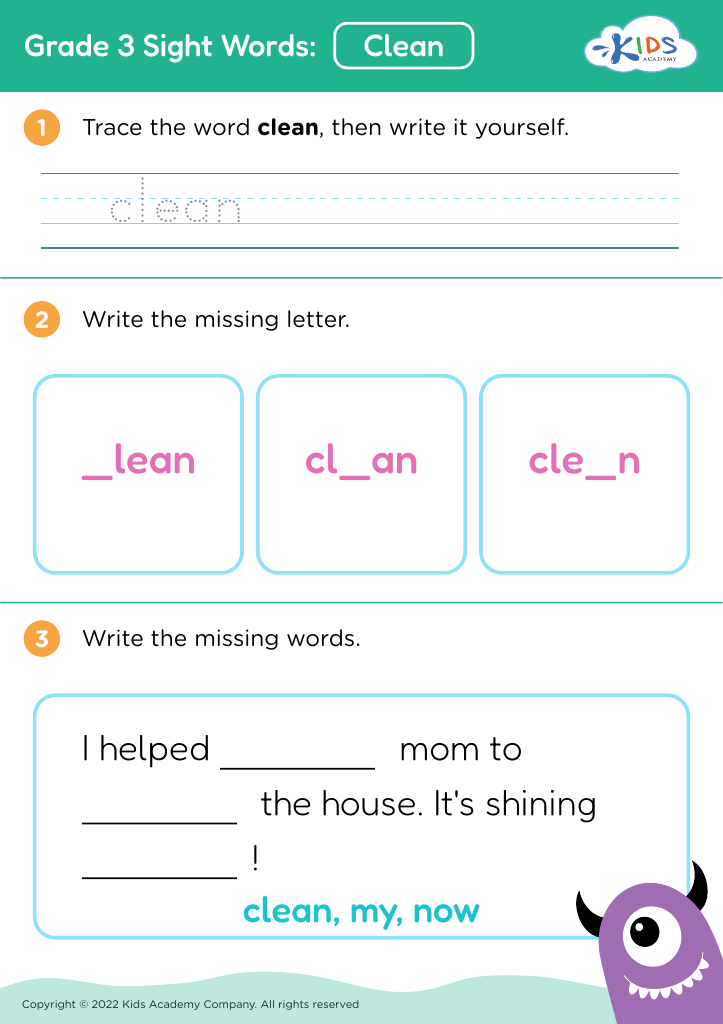
Enhance your child’s vocabulary and shape recognition skills with our Shape Recognition Building Vocabulary Worksheets for Ages 5-9. These engaging, printable worksheets are expertly designed to make learning fun and interactive. Children will not only learn to identify various geometric shapes but also expand their vocabulary through related words and descriptive terms. Ideal for young learners, these activities promote critical thinking and language development, making them perfect for classroom use or at-home practice. Help your child master shape recognition while boosting their linguistics with our easy-to-follow, entertaining worksheets tailored for children aged 5-9.


















.jpg)
Shape recognition and vocabulary development are fundamental aspects of early childhood education, and understanding why they matter is crucial for parents and teachers of children aged 5-9.
Firstly, recognizing and naming shapes is a basic form of geometry, which introduces children to spatial awareness and mathematical reasoning. This early exposure lays the groundwork for more complex math skills they will encounter in later grades. When children identify and describe shapes, they are enhancing their ability to categorize and analyze visual information, which can aid in problem-solving and logical thinking.
Secondly, building vocabulary around shapes and spatial concepts enriches a child's language development. By learning terms such as "triangle," "circle," "edge," and "vertex," children expand their word bank and improve their ability to communicate descriptions and instructions clearly. This enriched vocabulary supports literacy skills as well, helping them in reading comprehension and written expression.
Lastly, shape recognition activities often require fine motor skills, such as drawing or manipulating objects, which foster hand-eye coordination and fine motor development. Engaging with shapes through games or creative play also makes learning interactive and enjoyable, which can boost a child's enthusiasm for education overall.
In summary, caring about shape recognition and vocabulary in early grades provides children with a strong foundation in math, language, and motor skills, setting them up for academic success and effective communication.








