
Understanding bar graphs Building Vocabulary Worksheets for Ages 5-9
3 filtered results
Difficulty Level
Grade
Age
-
From - To
Subject
Activity
Standards
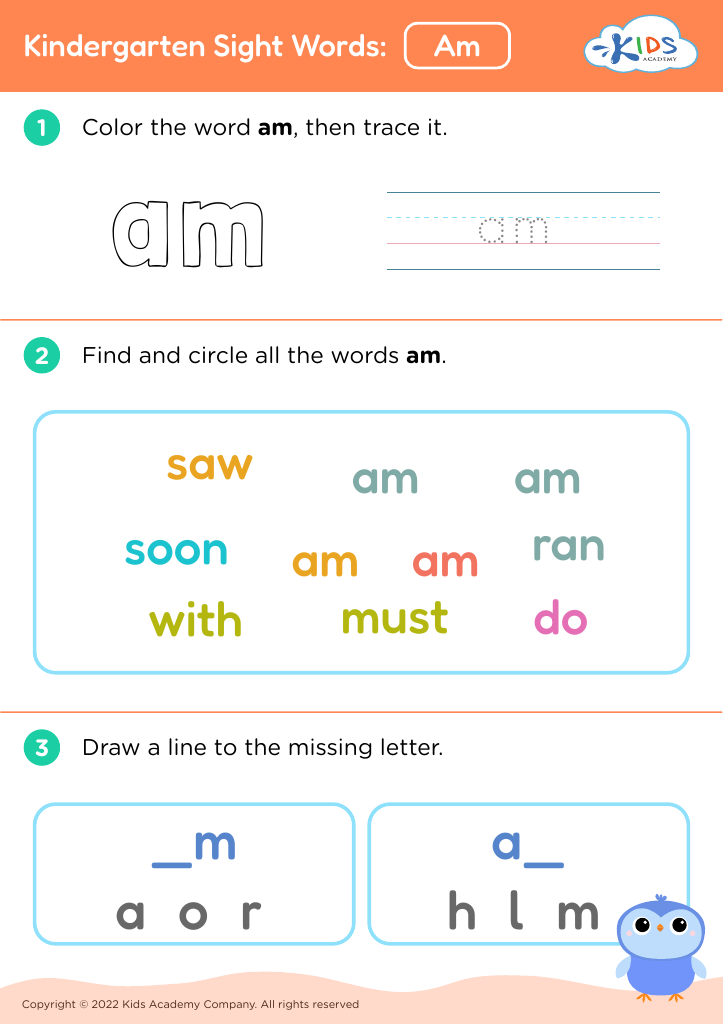
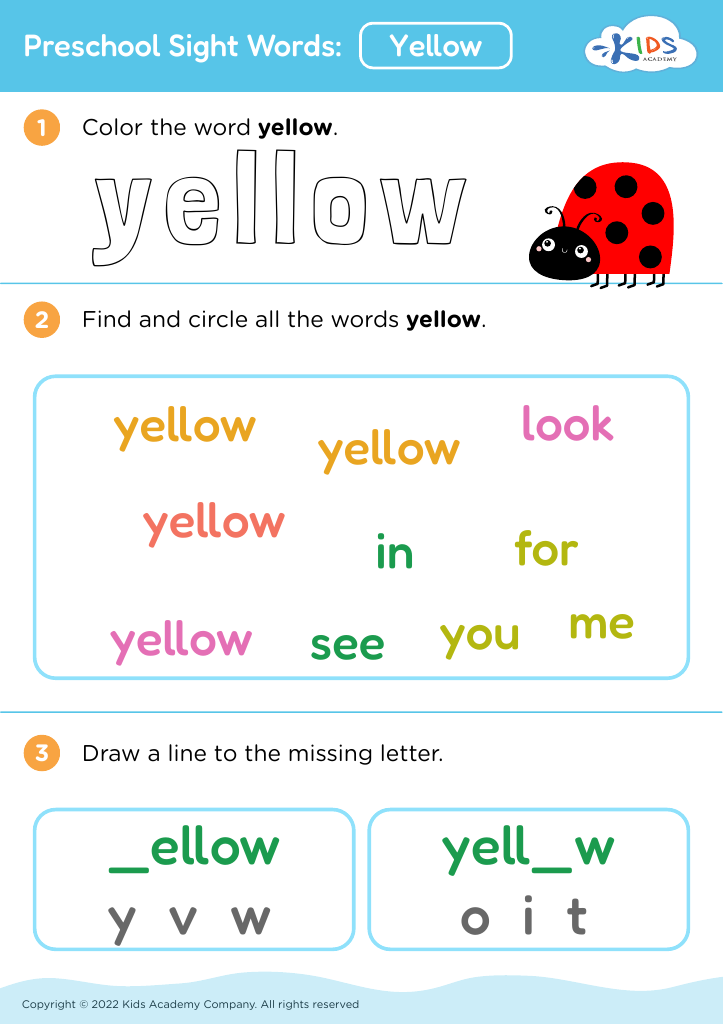
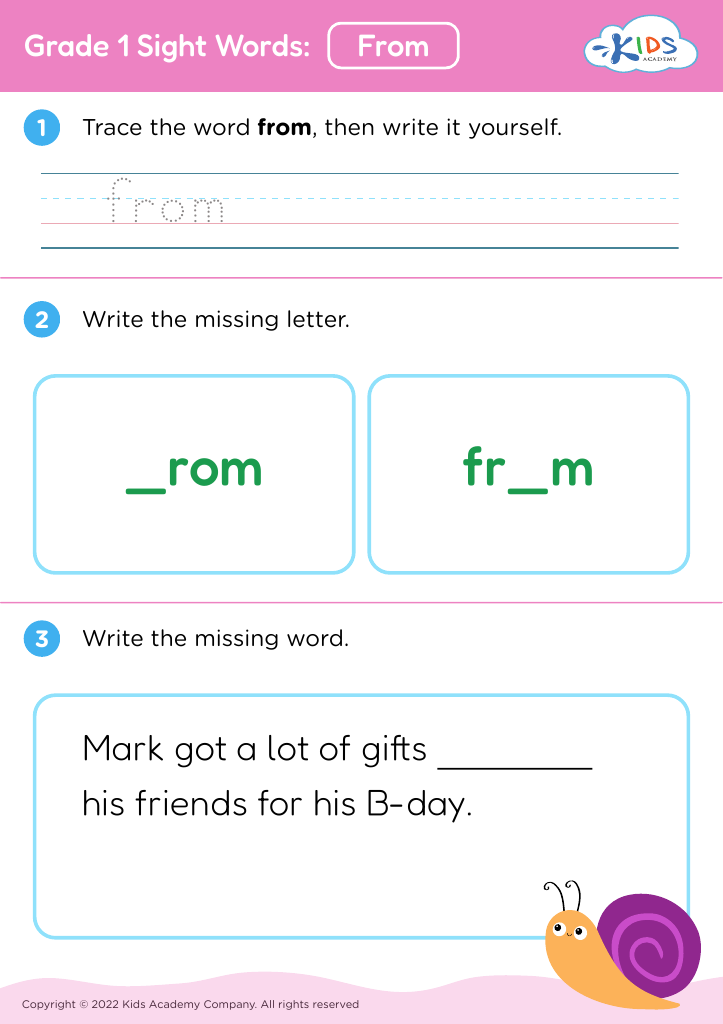
"Understanding Bar Graphs Building Vocabulary Worksheets for Ages 5-9" are designed to make learning fun and effective for your young ones. These worksheets help kids grasp essential reading and math skills by integrating vibrant, child-friendly bar graphs with engaging vocabulary-building exercises. Perfect for elementary students, they provide a hands-on approach to understanding data, comparing quantities, and enhancing language abilities. Utilizing age-appropriate content, these worksheets create an interactive experience that promotes critical thinking and a love for learning. Ideal for classroom use or homeschooling, they cater to developing foundational skills in a supportive, visually stimulating environment.
Favorites
With answer key
Interactive











Join Kids Academy for Free
Who is primarily going to use this learning content?







.jpg)
Understanding bar graphs and building vocabulary are foundational elements for young learners aged 5-9 and are crucial to their academic development.
First, bar graphs are a simple yet powerful introduction to data representation and interpretation. When children learn to read and create bar graphs, they develop critical thinking and analytical skills. These skills help them to understand quantities and comparisons, laying down the foundation for future mathematical learning and problem-solving. By working with bar graphs, children also become more comfortable with visual information, an essential skill in a world saturated with data.
Second, building vocabulary at an early age is vital for effective communication and literacy. A rich vocabulary enables children to express themselves clearly and understand instructions, stories, and questions more easily. This enhances their ability to participate in classroom discussions, follow along with more complicated ideas as they progress in school, and improves overall literacy skills. A strong vocabulary has been linked to better reading comprehension and writing capabilities, which are fundamental components of academic success.
Parents and teachers should prioritize these learning areas to foster a well-rounded educational experience. The combination of numerical understanding through bar graphs and linguistic proficiency through vocabulary development equips children with a diverse set of skills necessary for lifelong learning and achievement.








