Understanding context Building Vocabulary Worksheets for Ages 5-9
4 filtered results
-
From - To
Unlock the power of language with our "Understanding Context Building Vocabulary Worksheets" designed specifically for ages 5-9. These engaging worksheets help young learners enhance their vocabulary by teaching them to infer meaning from context clues in sentences and stories. Children will explore practical examples, interactive activities, and fun exercises that promote critical thinking while expanding their word knowledge. Foster their reading comprehension and boost their confidence with skills that are essential for successful communication. Ideal for both classroom use and at-home practice, these resources provide a fun and enriching experience for early grade students eager to become effective readers.
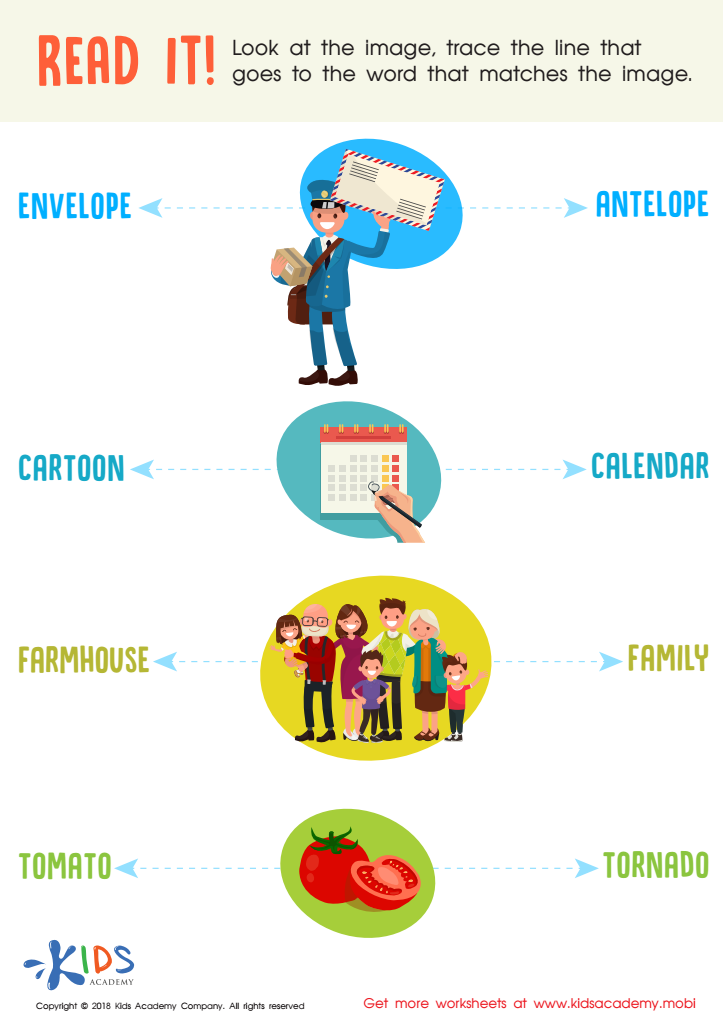
Read It! Worksheet
 Assign to My Students











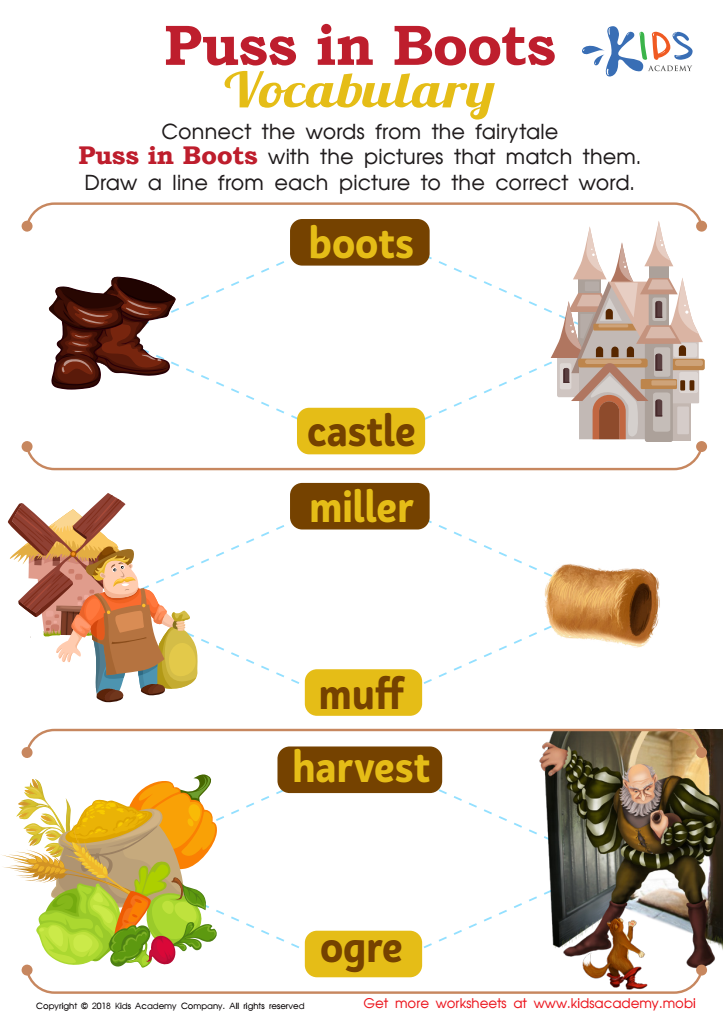
Puss in Boots Vocabulary Worksheet







.jpg)
Understanding context and building vocabulary are crucial skills for children aged 5-9, which parents and teachers should prioritize. At this developmental stage, children are rapidly expanding their linguistic abilities and comprehension skills. A rich vocabulary enables them to articulate thoughts and feelings more effectively, enhancing self-expression and communication.
Understanding context equips children with the ability to discern meanings based on situational factors, an essential skill when navigating different social interactions and written materials. As children encounter new words, they should learn not only the definitions but also how to use them appropriately within varying contexts. This skill fosters critical thinking and reading comprehension, as it helps them infer meaning from texts they encounter.
Furthermore, a solid vocabulary base is linked to academic success, influencing children’s ability to engage with complex subjects as they progress through school. When parents and teachers actively encourage vocabulary development—through reading aloud, conversations, or games—they contribute significantly to their children’s overall cognitive and social growth. By fostering these skills early on, adults can help set a strong foundation for lifelong learning, ultimately preparing children for future academic endeavors and meaningful interactions in a diverse world.








