Sequencing events Reading Worksheets for Ages 5-9
3 filtered results
-
From - To
Enhance your child's reading comprehension with our Sequencing Events reading worksheets tailored for ages 5-9! These interactive resources help young learners understand the logical order of events, a vital skill for effective storytelling and comprehension. Each worksheet features engaging and age-appropriate activities that encourage kids to identify, arrange, and recreate story sequences. By practicing sequencing, children improve their critical thinking, memory retention, and narrative skills. Our worksheets are perfect for homeschoolers, classroom use, or additional practice at home. Unlock your child's potential and foster a love for reading with our fun and educational Sequencing Events worksheets today!
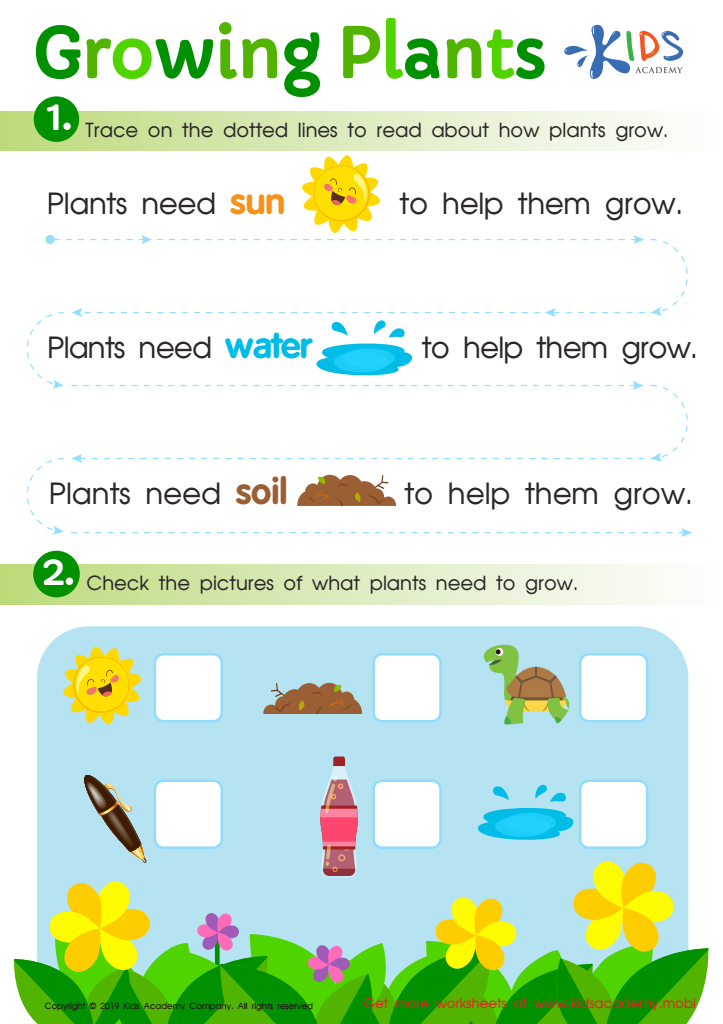
Growing Plants Worksheet
 Assign to My Students
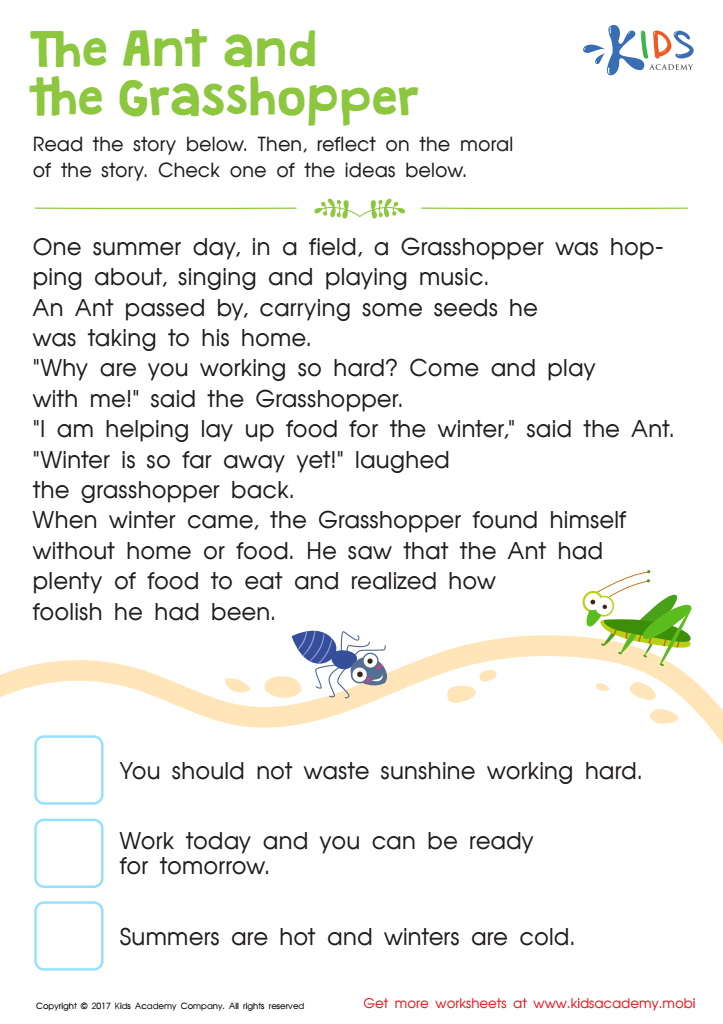
The Ant and The Grasshopper Printable
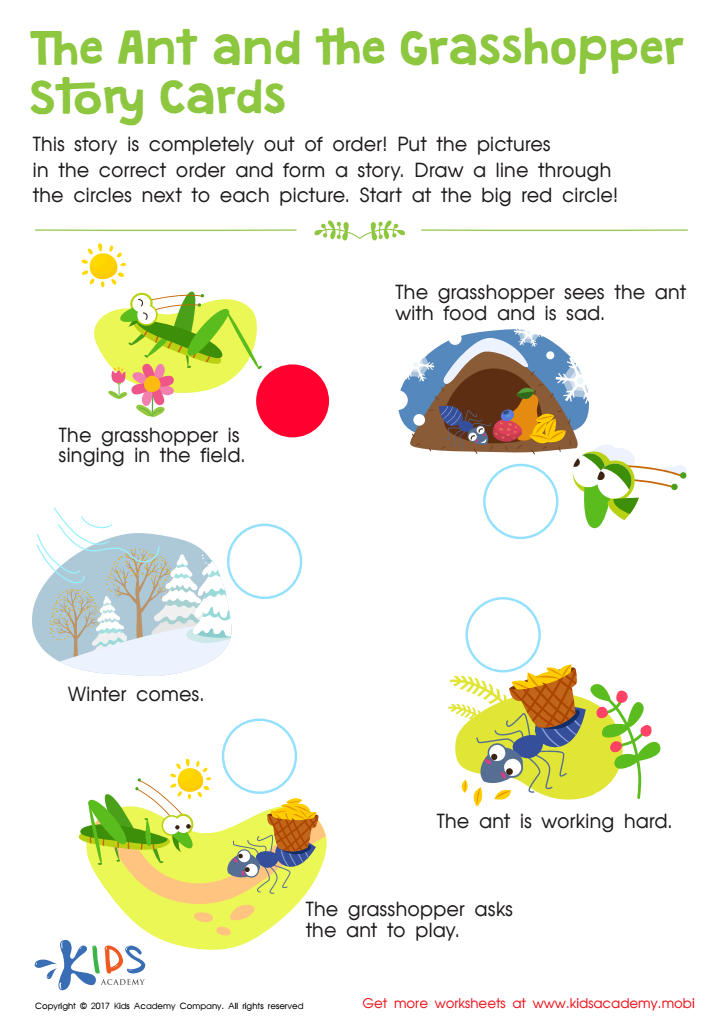
The Ant and The Grasshopper Worksheet


.jpg)





Sequencing events is a fundamental reading comprehension skill essential for children aged 5-9. Understanding the order of events in a story helps young readers make sense of the narrative, connect ideas, and retain information. This cognitive skill lays the groundwork for critical thinking and storytelling, fostering a deeper engagement with texts.
For parents and teachers, emphasizing sequencing teaches children to identify the beginning, middle, and end of stories, allowing them to summarize narratives effectively. It also enhances their ability to make predictions, increasing their engagement and enjoyment of reading. By learning to recognize the importance of sequence, children improve their inferential reasoning and can better comprehend cause-and-effect relationships within texts.
In a broader context, proficiency in sequencing supports various academic subjects beyond reading, such as history and science, where students need to understand chronological order and process steps. Parents can encourage sequencing at home through discussions about daily activities and during storytime by asking questions about the order of events. Teachers can incorporate fun sequencing exercises through interactive lessons, enhancing children's overall literacy skills. Fostering these abilities early on contributes to lifelong learning, helping children become confident readers and thinkers as they progress through their education.








