Vocabulary development Reading Worksheets for Ages 5-9 - Page 2
26 filtered results
-
From - To
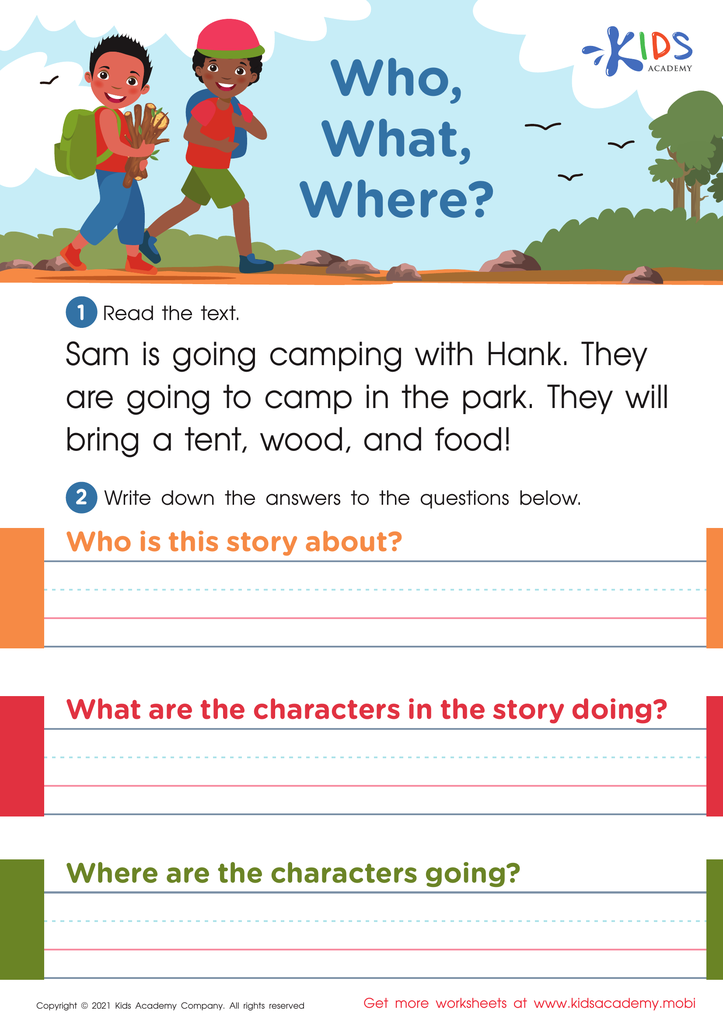
Who, What, Where? Worksheet
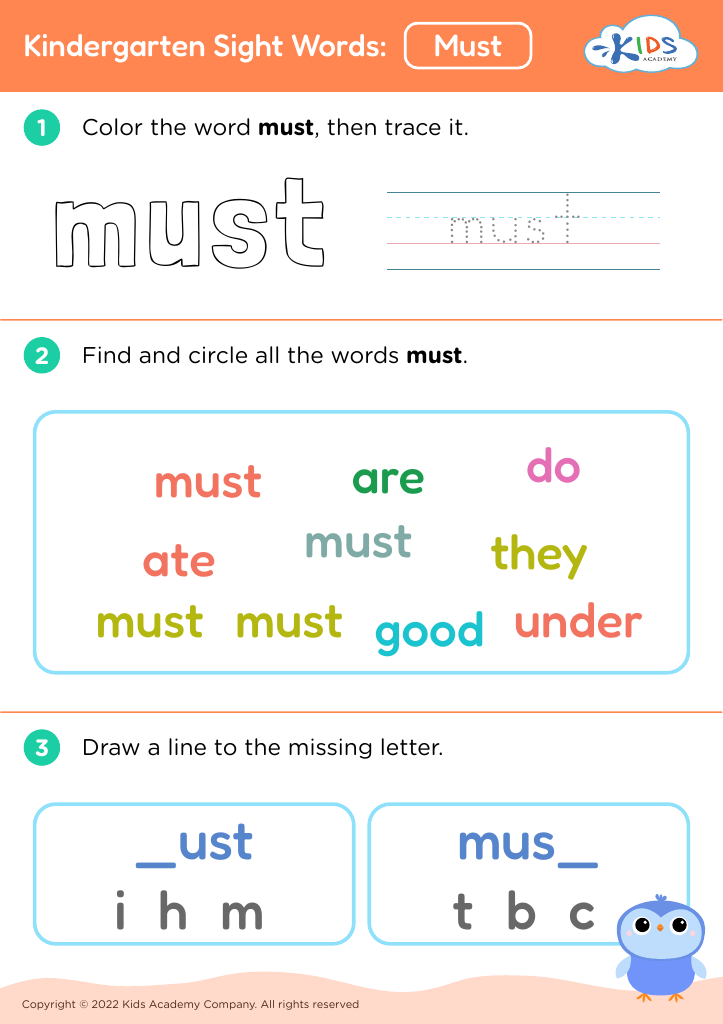



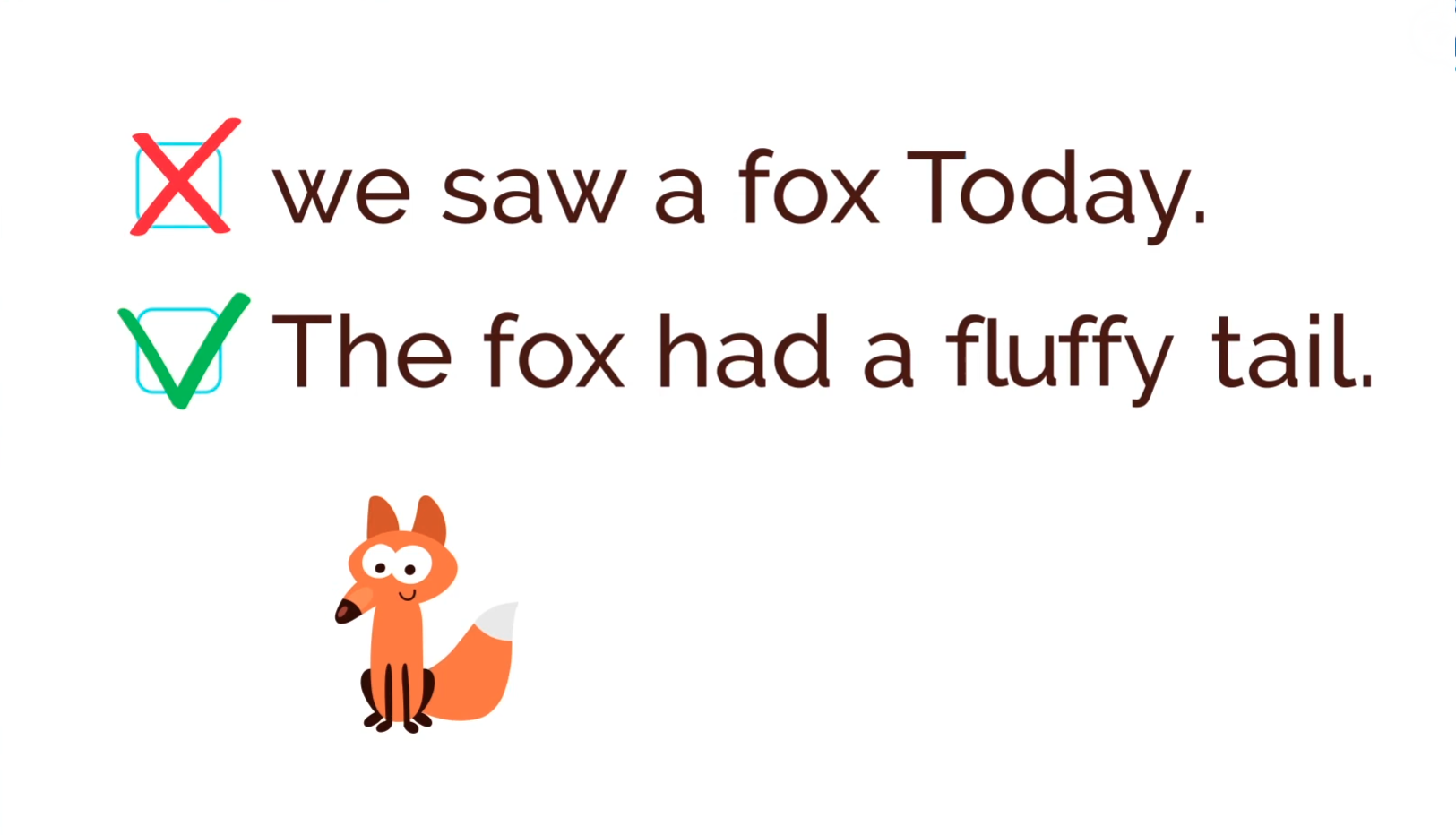




Vocabulary development during ages 5-9 is crucial because it lays the foundation for successful reading and communication skills. At this age, children are not only acquiring new words but also learning to relate those words to concepts, emotions, and ideas, which is essential for cognitive development. A robust vocabulary enhances comprehension abilities, enabling children to understand and engage with more complex texts as they progress through school.
Furthermore, a rich vocabulary supports effective communication; children who express themselves clearly are often more confident and socially adept. Vocabulary development also improves critical thinking skills, allowing children to analyze and formulate their own ideas and arguments.
Parents and teachers play a vital role in fostering vocabulary growth. Engaging children in conversations, reading diverse books, and playing word games can introduce them to new words in meaningful contexts. These practices not only make learning enjoyable but also help reinforce language acquisition.
Ultimately, strong vocabulary skills contribute to academic success and lifelong learning. By prioritizing vocabulary development, parents and teachers equip children with the tools needed to navigate an increasingly complex world, ensuring they are prepared for future educational challenges and opportunities.








