Reading comprehension Reading Non-Fiction Worksheets for Ages 5-9 - Page 2
43 filtered results
-
From - To
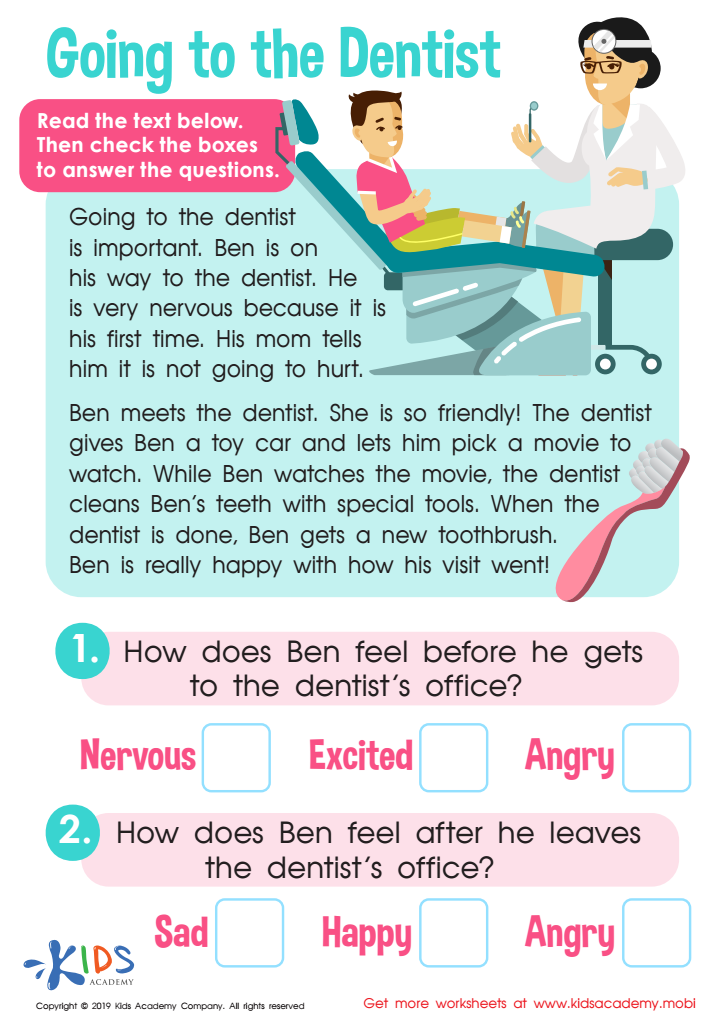
Going to the Dentist Worksheet
 Assign to My Students
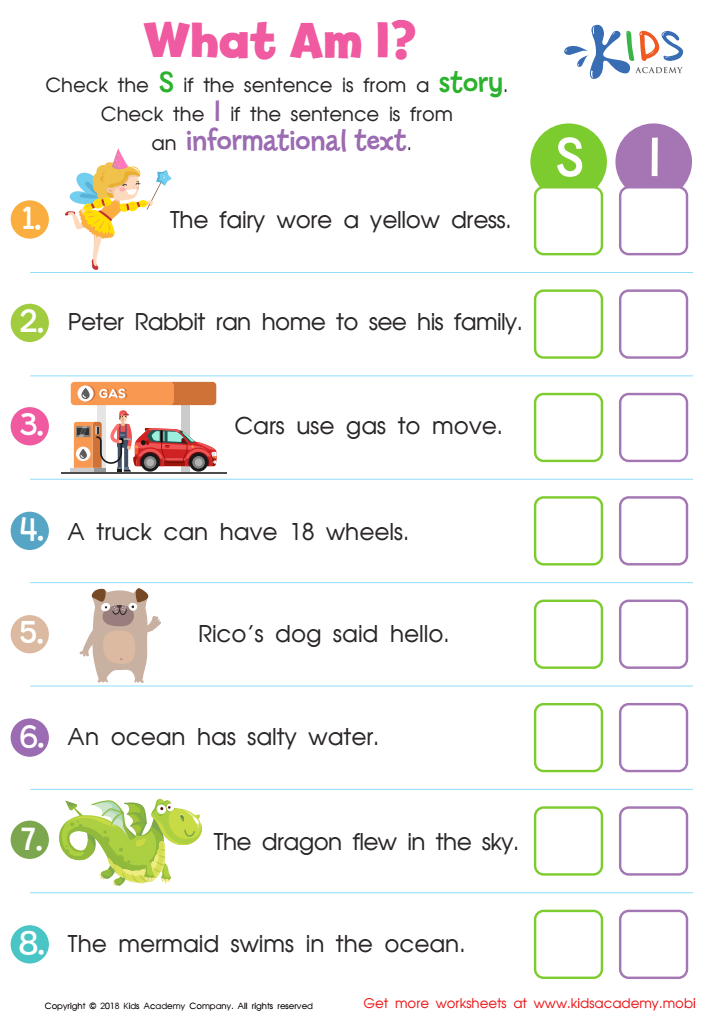
What Am I? Worksheet
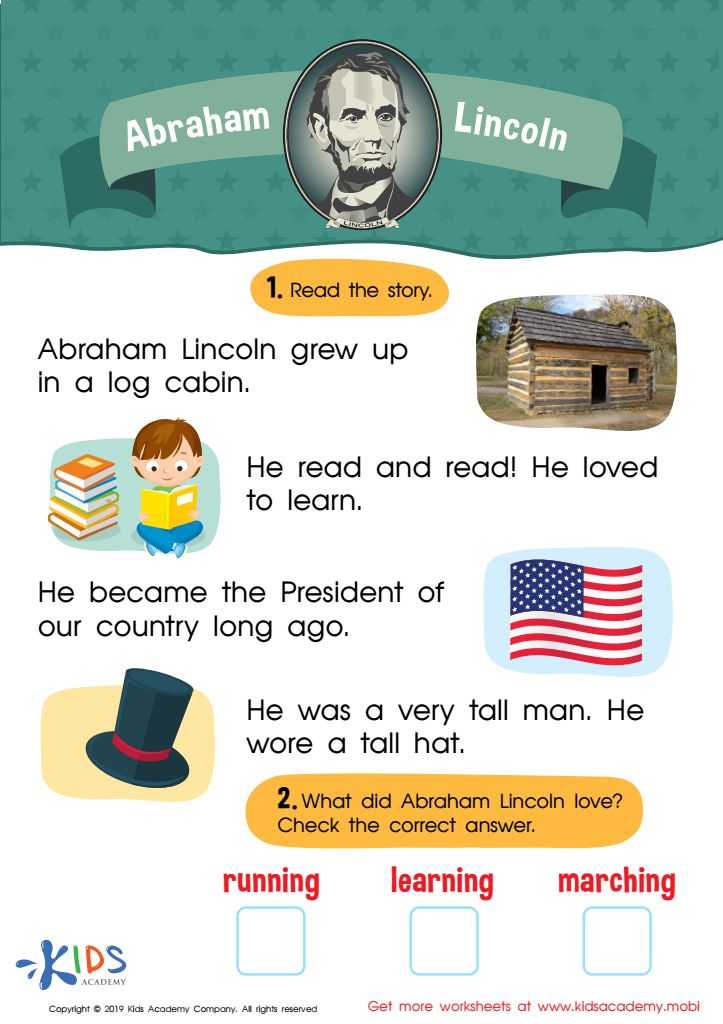
Abraham Lincoln Worksheet
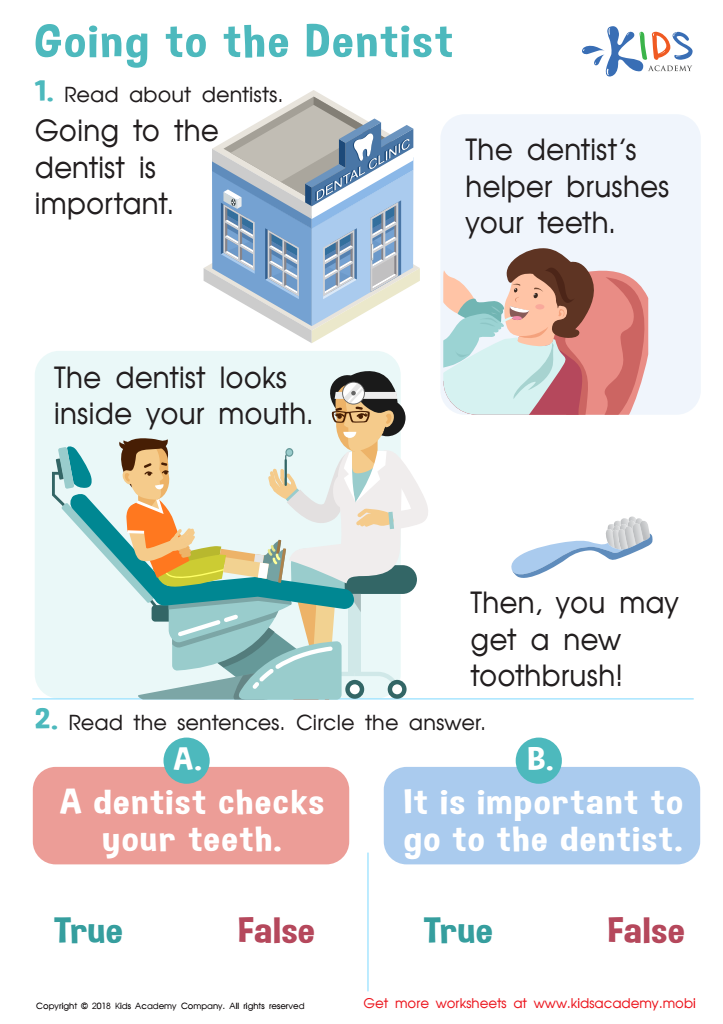
Going to the Dentist Part 2 Worksheet
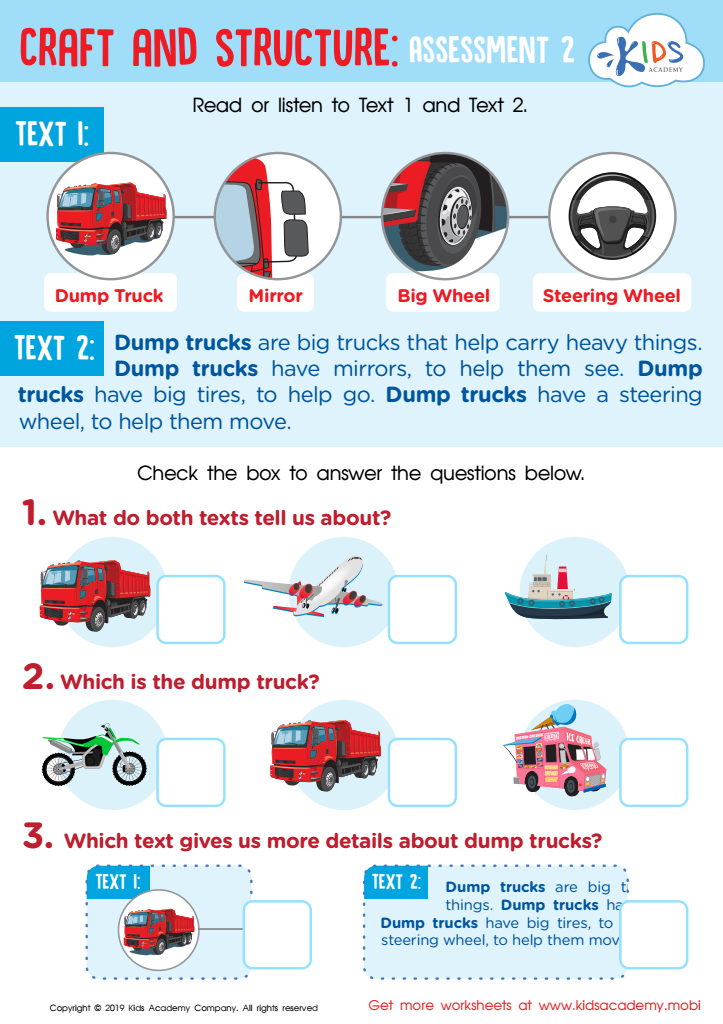
Craft and Structure: Assessment 2 Worksheet
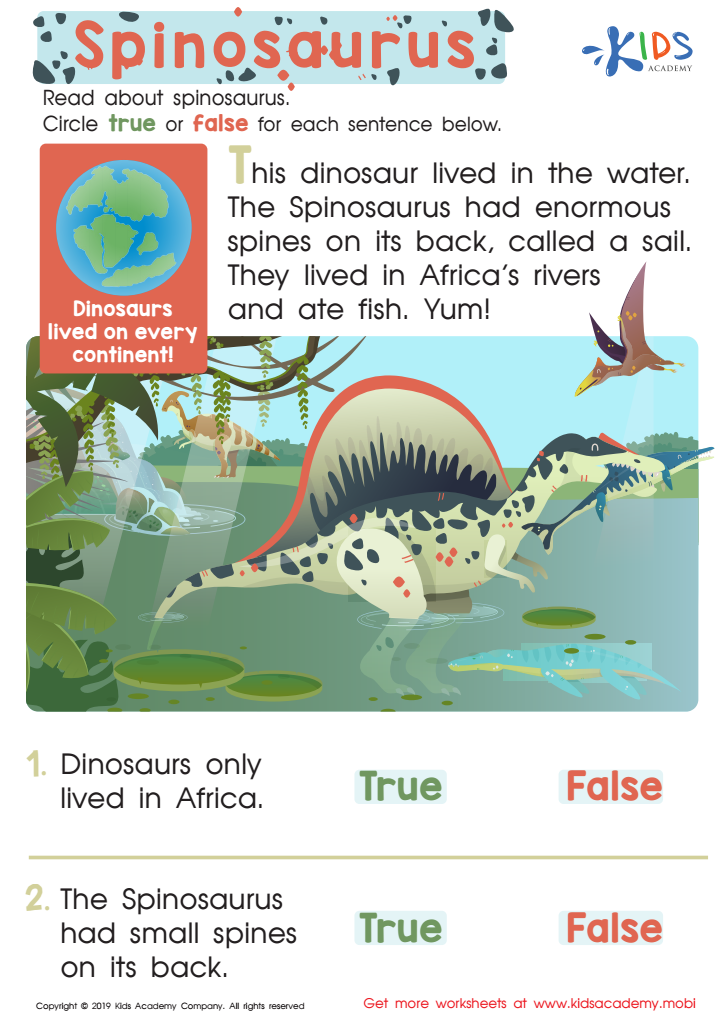
Spinosaurus Assessment Worksheet
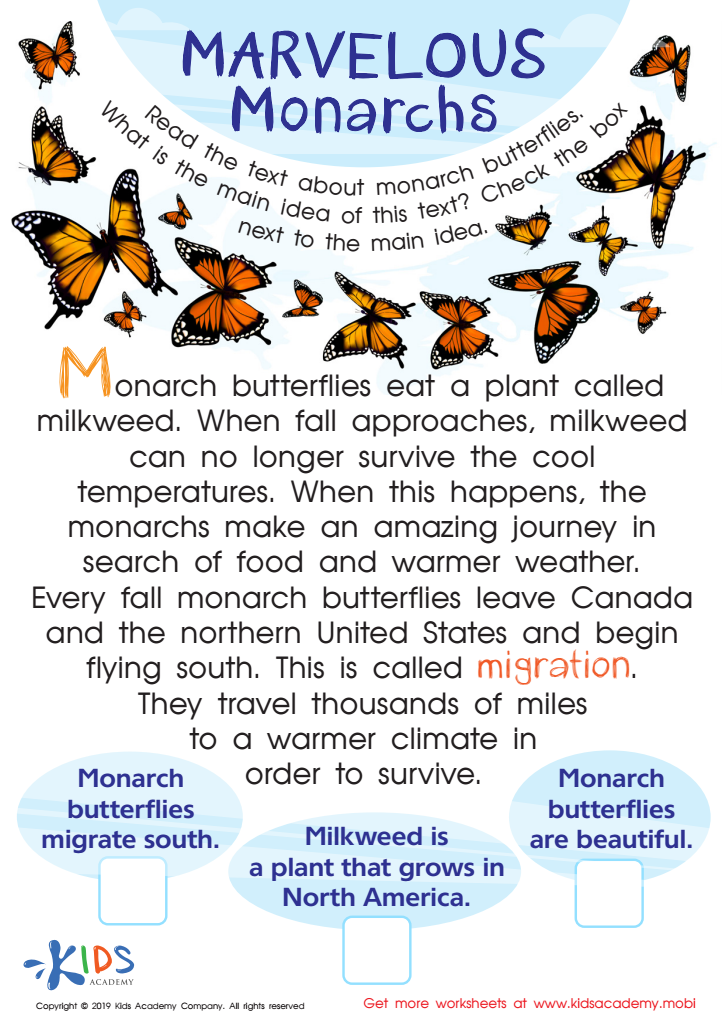
Marvelous Monarchs Worksheet
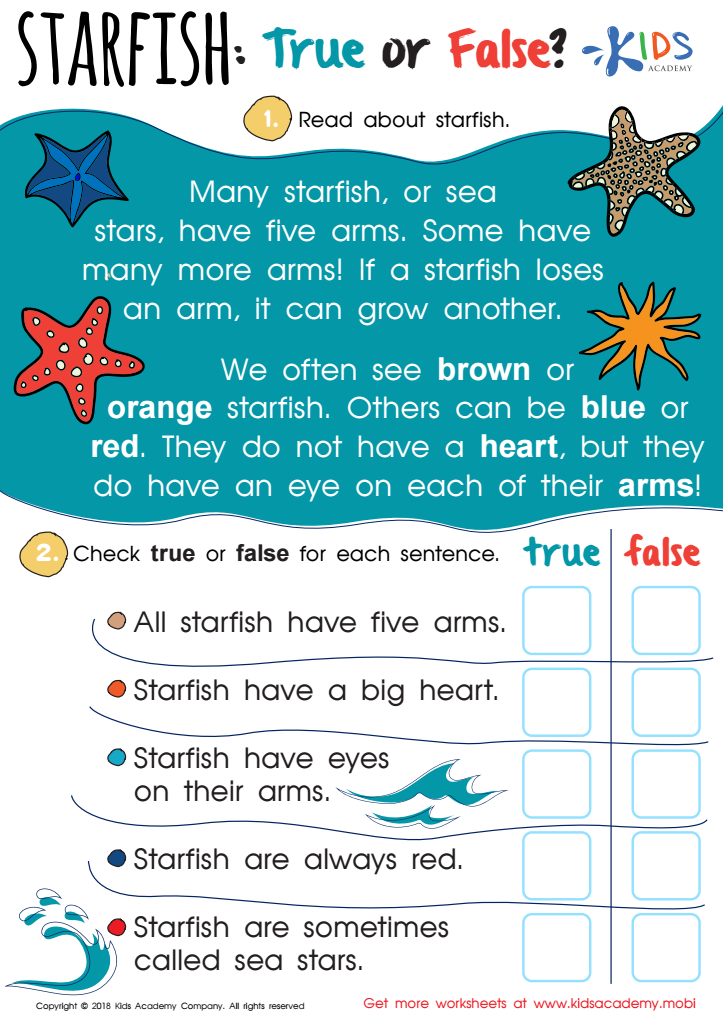
Starfish: True or False Worksheet
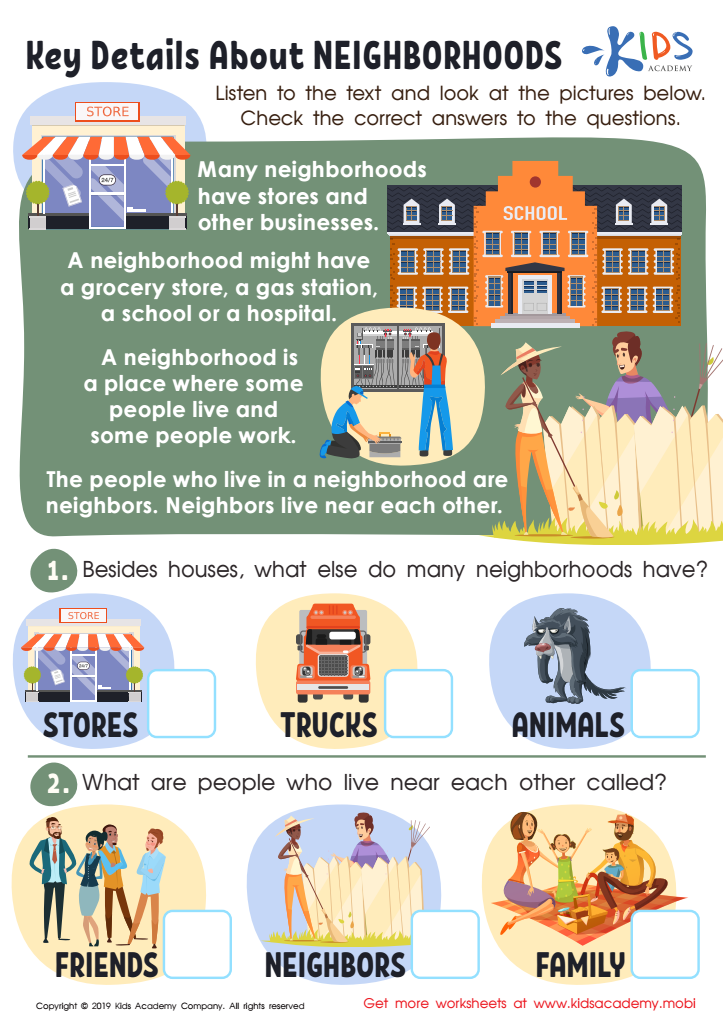
Key Details Neighborhoods Worksheet
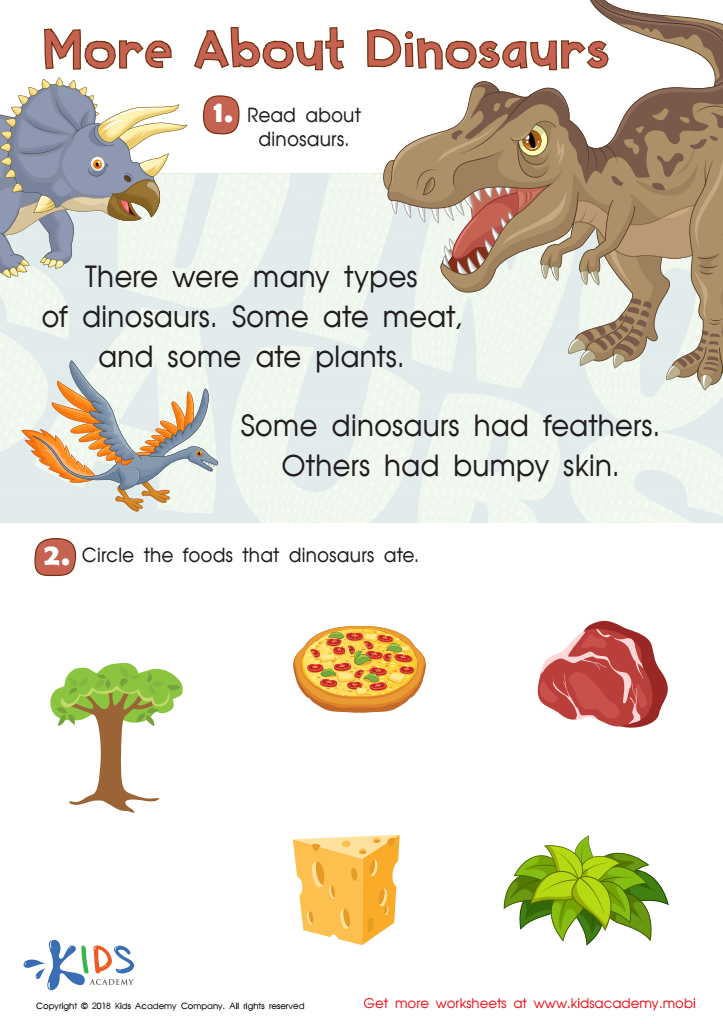
More About Dinosaurs Worksheet
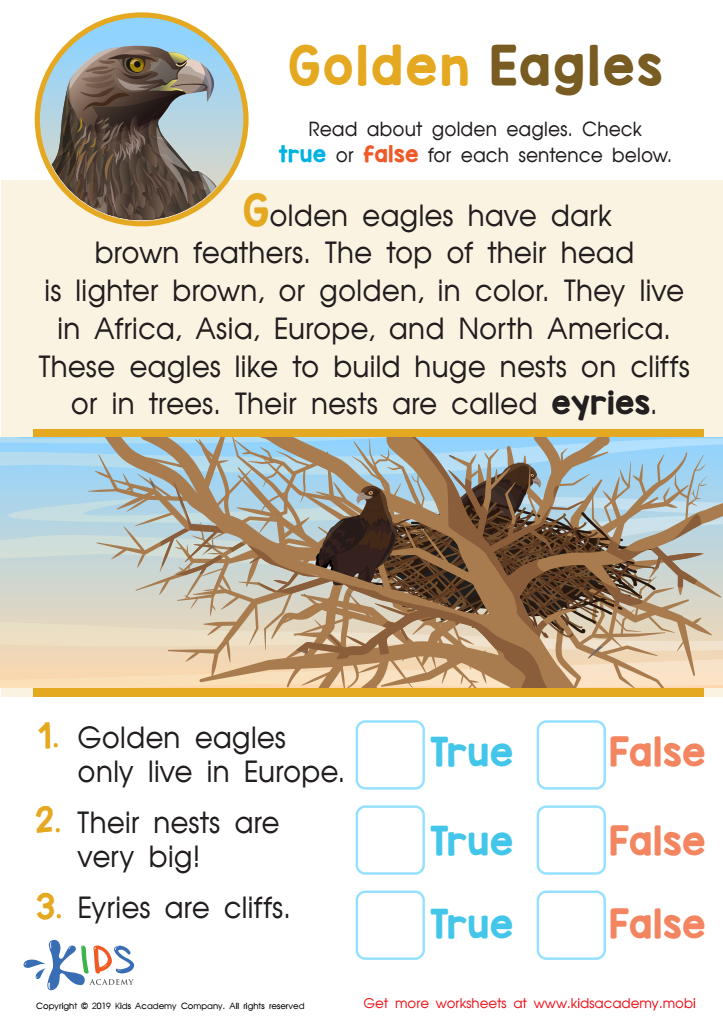
Golden Eagles Worksheet
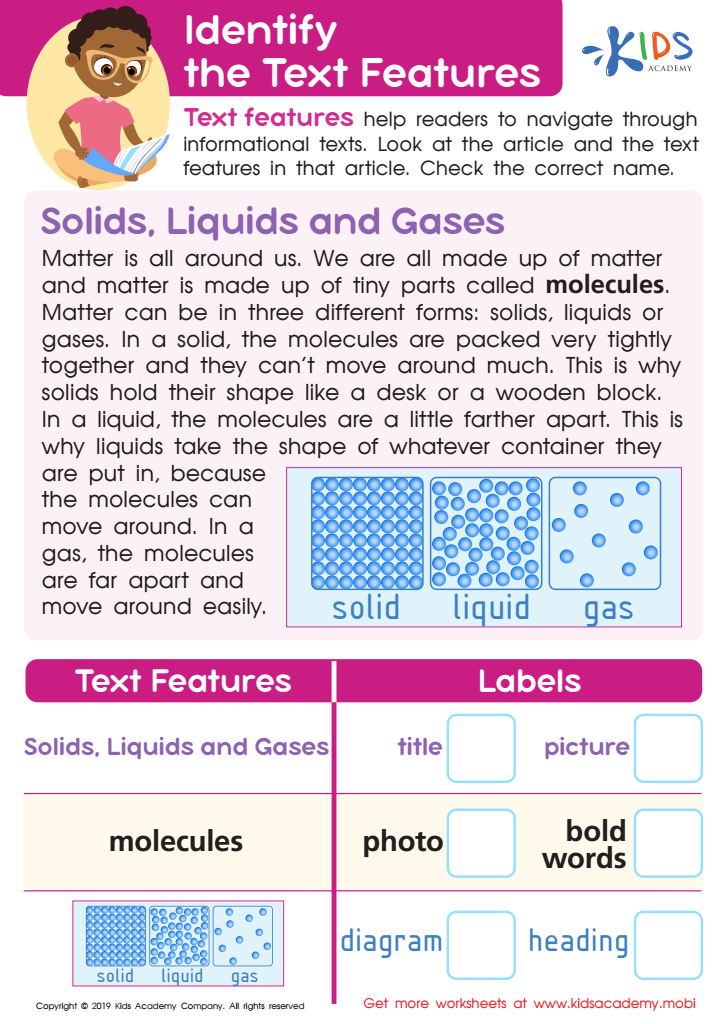
Identify the Text Features Worksheet
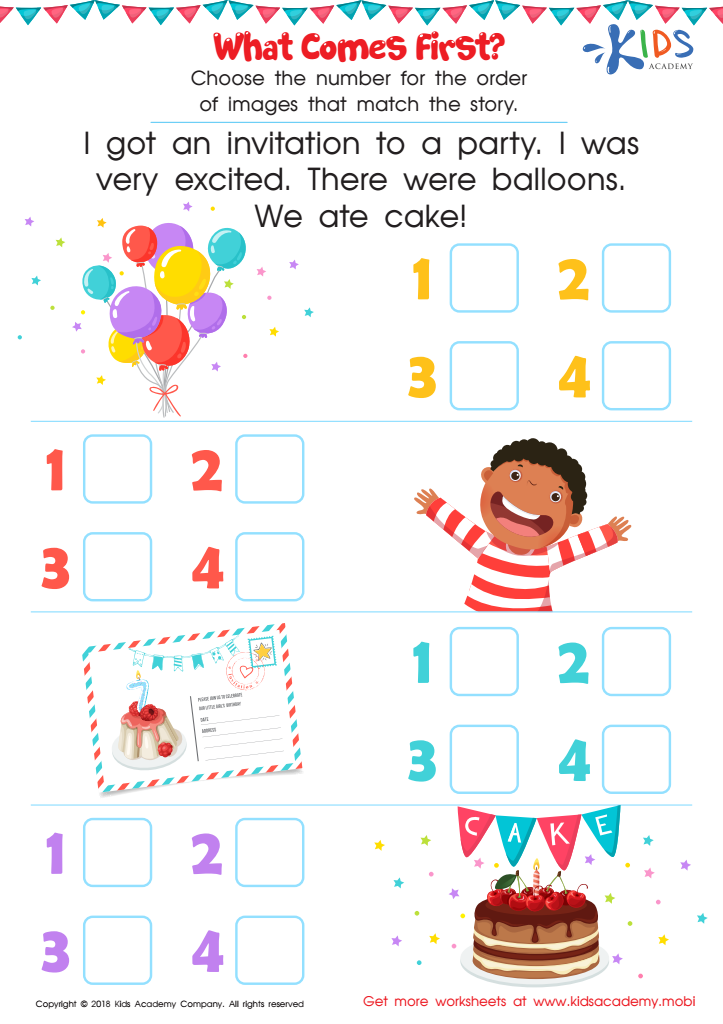
What Comes First Worksheet
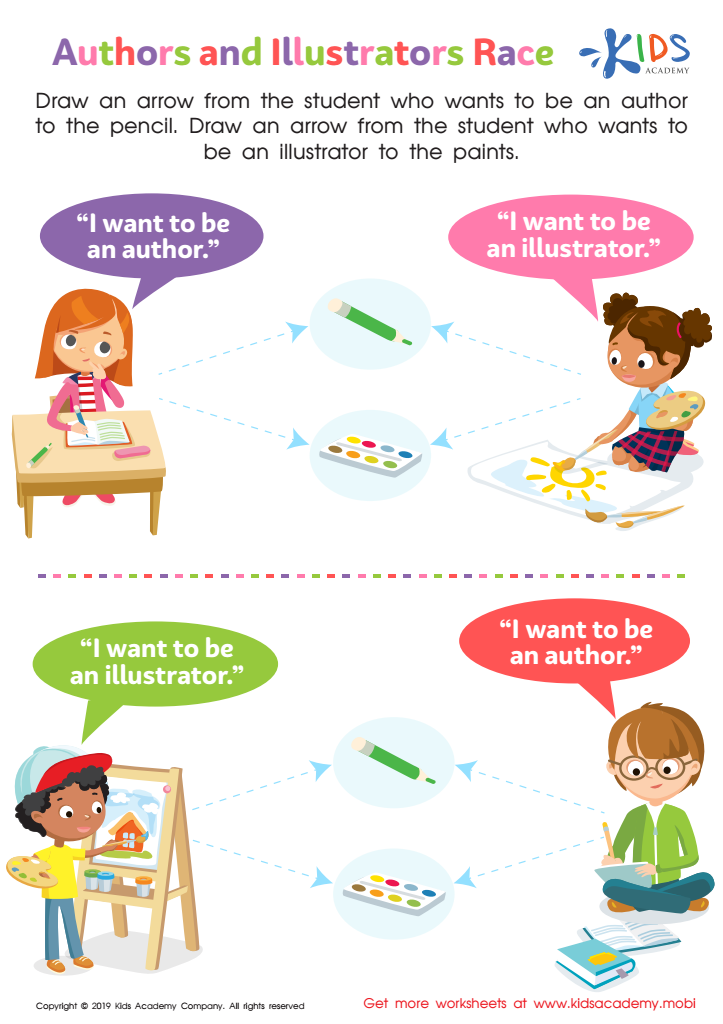
Authors and Illustrators Race Worksheet
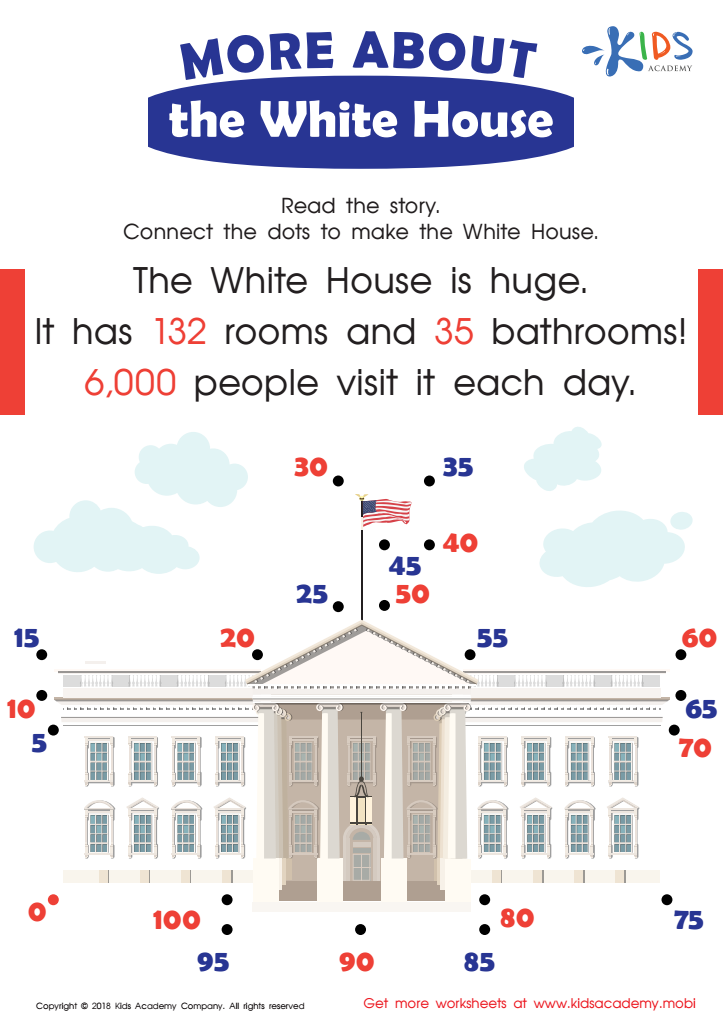
More About the White House Worksheet
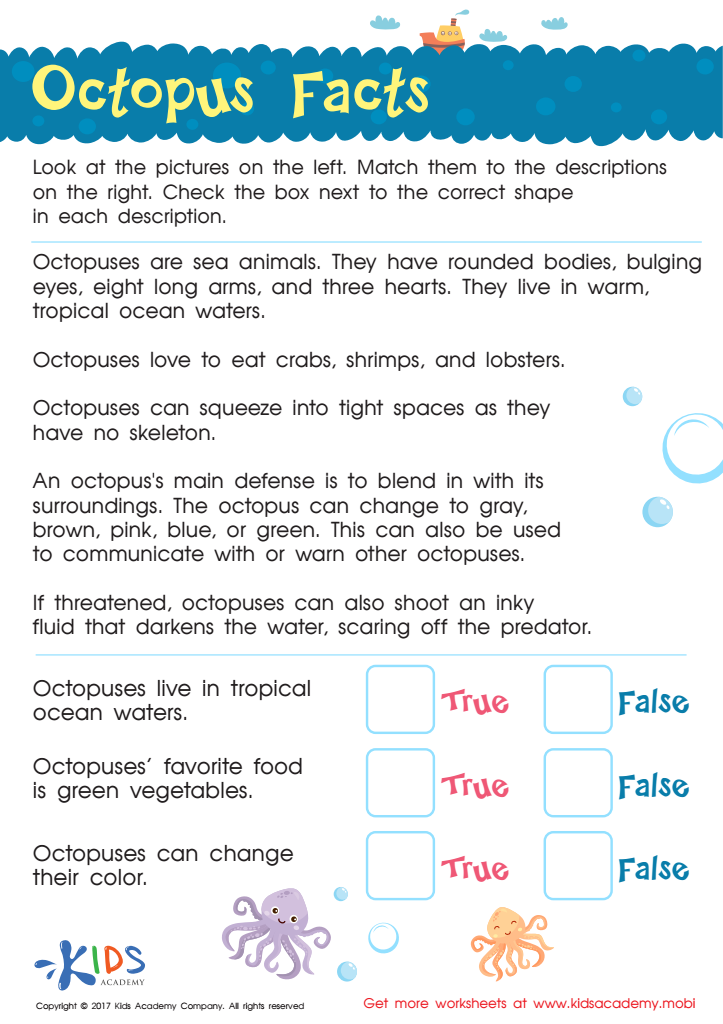
Octopus Facts Worksheet For Kids
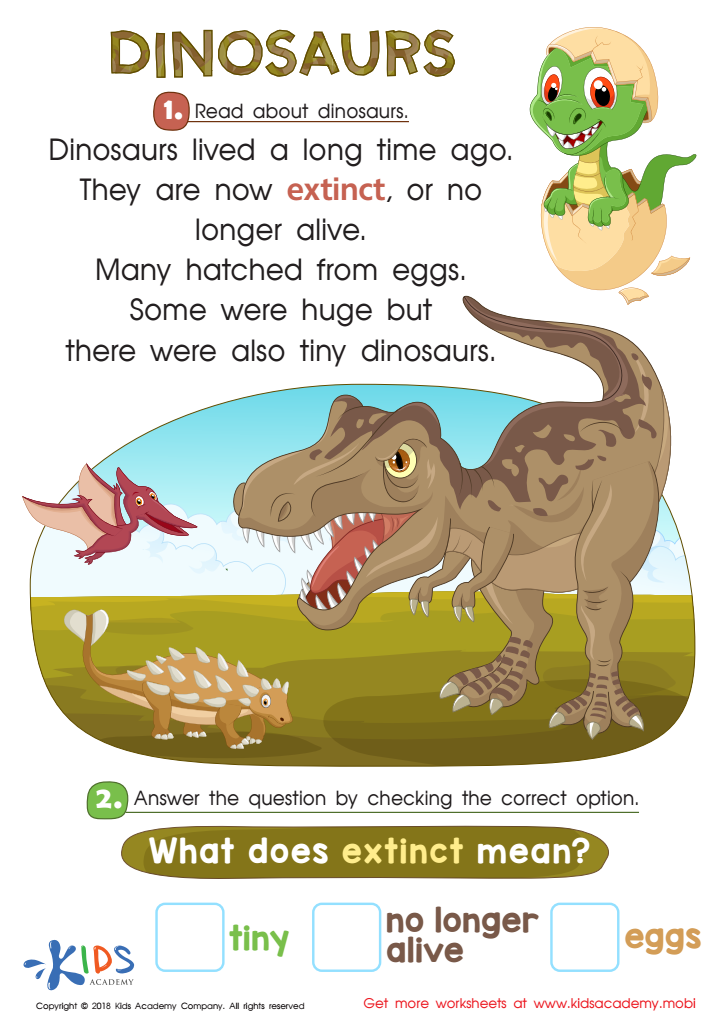
Dinosaurs Worksheet
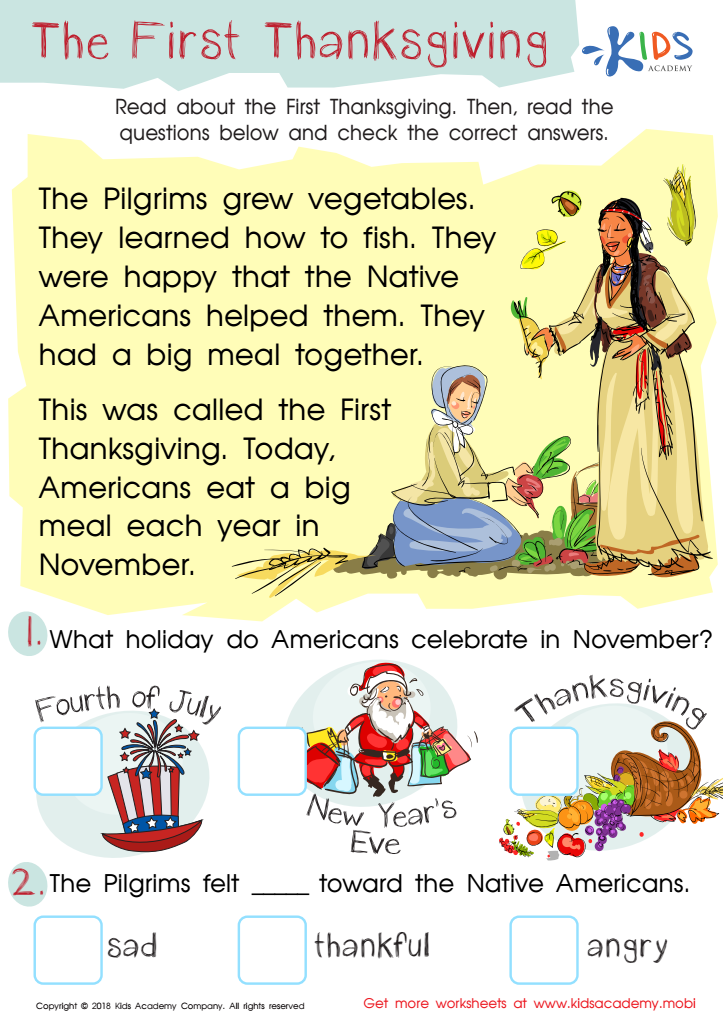
Assessment: First Thanksgiving Worksheet
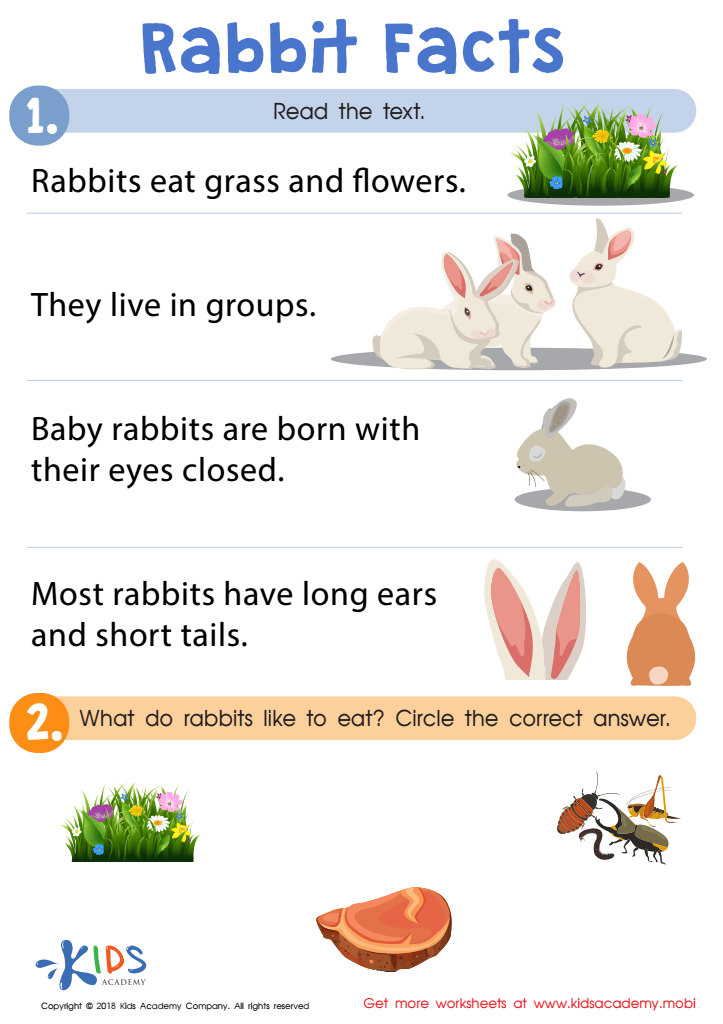
Rabbit Facts Worksheet







Reading comprehension, especially of non-fiction texts, is vital for young children aged 5-9 because it lays the foundation for future learning and cognitive development. Non-fiction reading helps kids develop critical thinking skills by encouraging them to understand and analyze factual information. As they engage with real-world topics, they broaden their knowledge base and vocabulary, which are essential for academic success across various subjects.
Parents and teachers should care about developing these skills early on because strong reading comprehension abilities are linked to long-term academic achievement. Non-fiction texts often introduce concepts in science, history, and social studies, helping children make sense of the world around them. This early exposure can spark curiosity and a desire to learn more, fostering a lifelong love for reading and learning.
Moreover, understanding non-fiction improves a child's ability to follow instructions, assess information accuracy, and make informed decisions. These skills are critical not just in school, but in everyday life. By supporting young learners in developing effective reading comprehension habits, parents and teachers are investing in their ability to think independently, solve problems, and succeed in a complex, information-rich world. Therefore, prioritizing non-fiction reading comprehension from a young age is a pivotal aspect of a child's educational and personal growth.








