Subtraction practice Sight Words Worksheets for Ages 5-9
4 filtered results
-
From - To
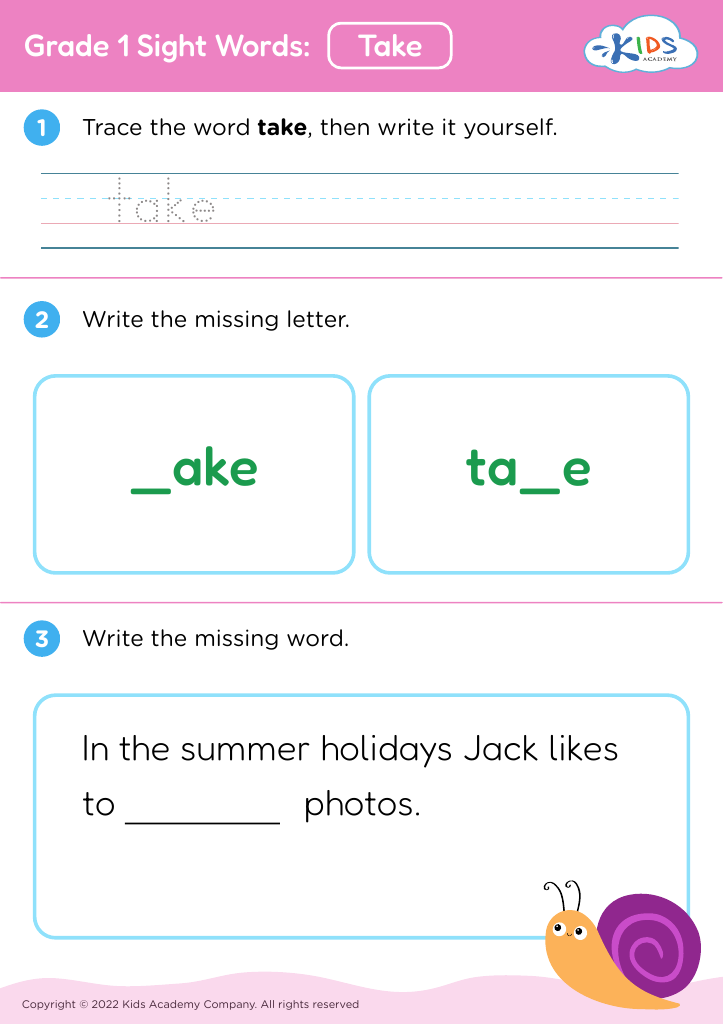
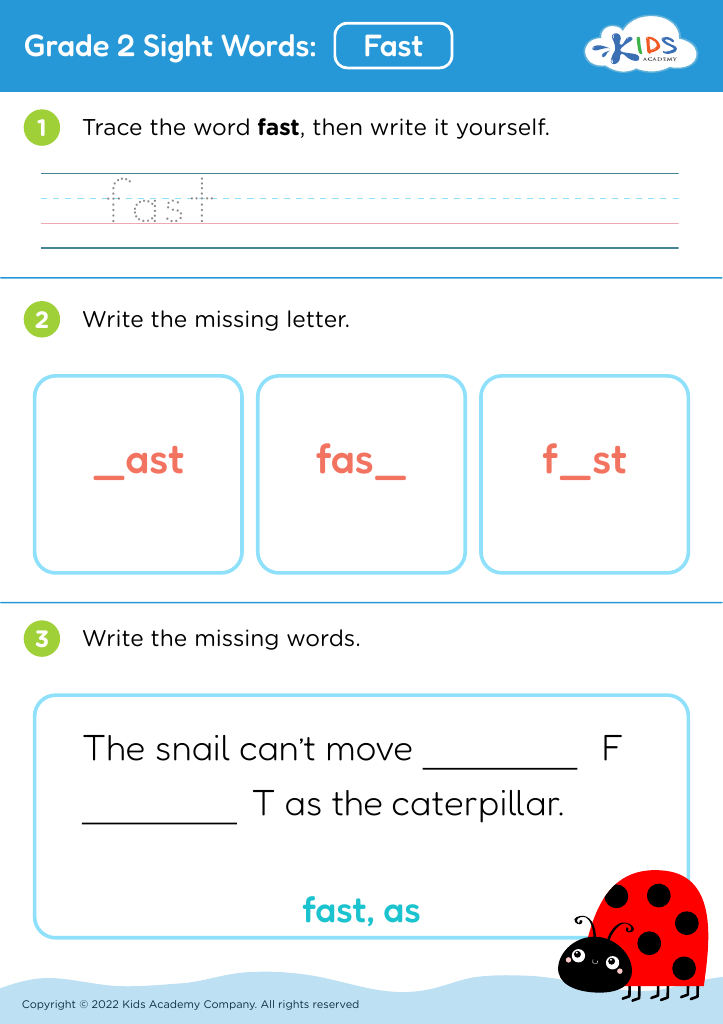
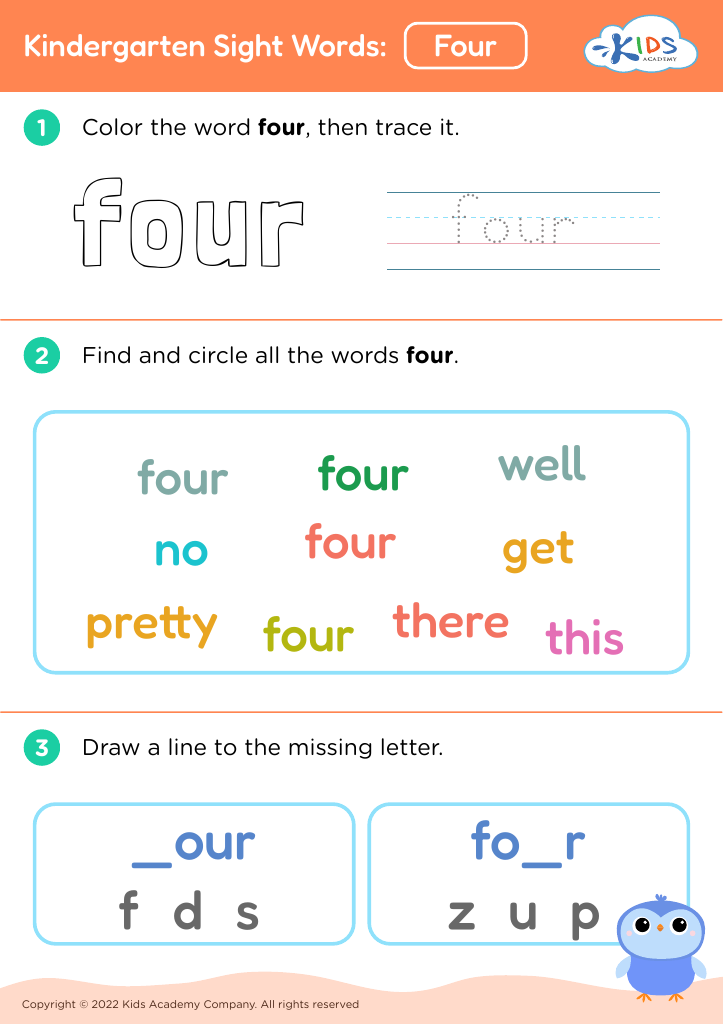
Enhance your child’s learning experience with our Subtraction Practice Sight Words Worksheets, specifically designed for ages 5-9. These engaging worksheets combine essential math skills and sight word recognition, making subtraction fun and interactive. Perfect for young learners, our resources will help kids develop their confidence in math while improving their literacy. Bright visuals and easy-to-follow instructions keep your child motivated and eager to learn! Suitable for classroom or home use, our printable worksheets promote both independent practice and collaborative learning. Start building a strong foundation in subtraction and sight words with our creative and educational materials today!













.jpg)

Subtraction practice and sight words are crucial components of early literacy and numeracy that significantly influence a child's academic development between ages 5-9. Parents and teachers should care about these skills because they form the foundation for more advanced learning.
Subtraction practice helps children develop essential mathematical understanding, including problem-solving, critical thinking, and numerical fluency. As they become more confident in handling basic subtraction facts, they can tackle more complex mathematical concepts with ease. Mastery in subtraction fosters a positive attitude towards math and supports overall cognitive development.
On the other hand, sight words—common words that children are encouraged to recognize without having to sound them out—are vital for reading fluency. A strong grasp of sight words enhances a child's ability to read smoothly, promoting comprehension and enjoyment of literature. When children can quickly identify sight words, they spend less time decoding and more time understanding stories.
The intersection of effective subtraction practice and sight word recognition shapes a well-rounded educational experience. By prioritizing these skills, parents and teachers contribute to a child's independence and success in school, ensuring they are better equipped for future academic challenges. Simply put, both these areas are essential for holistic development and lifelong learning.