Understanding symmetry Sight Words Worksheets for Ages 5-9
5 filtered results
-
From - To
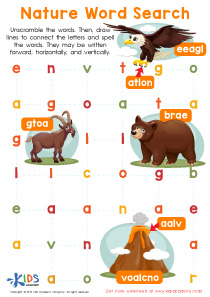
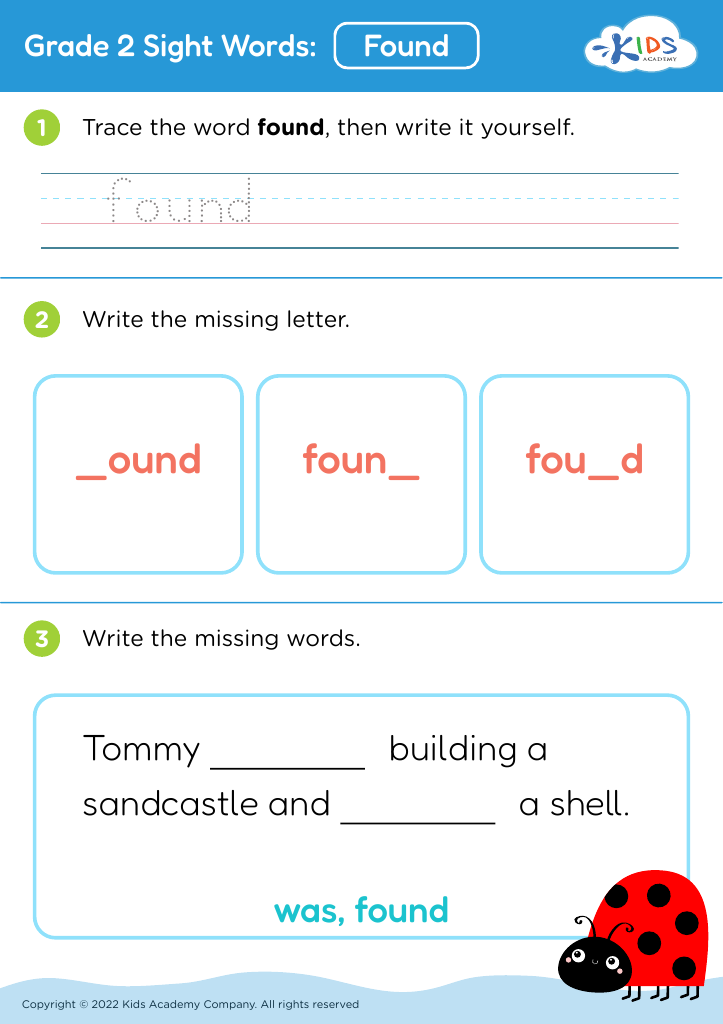
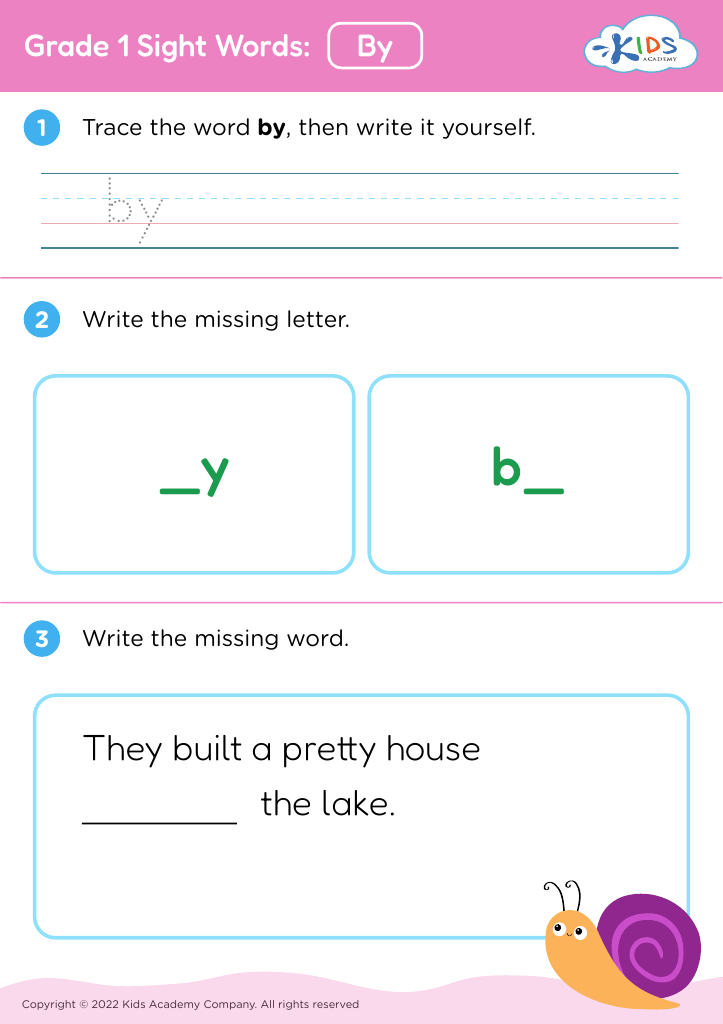
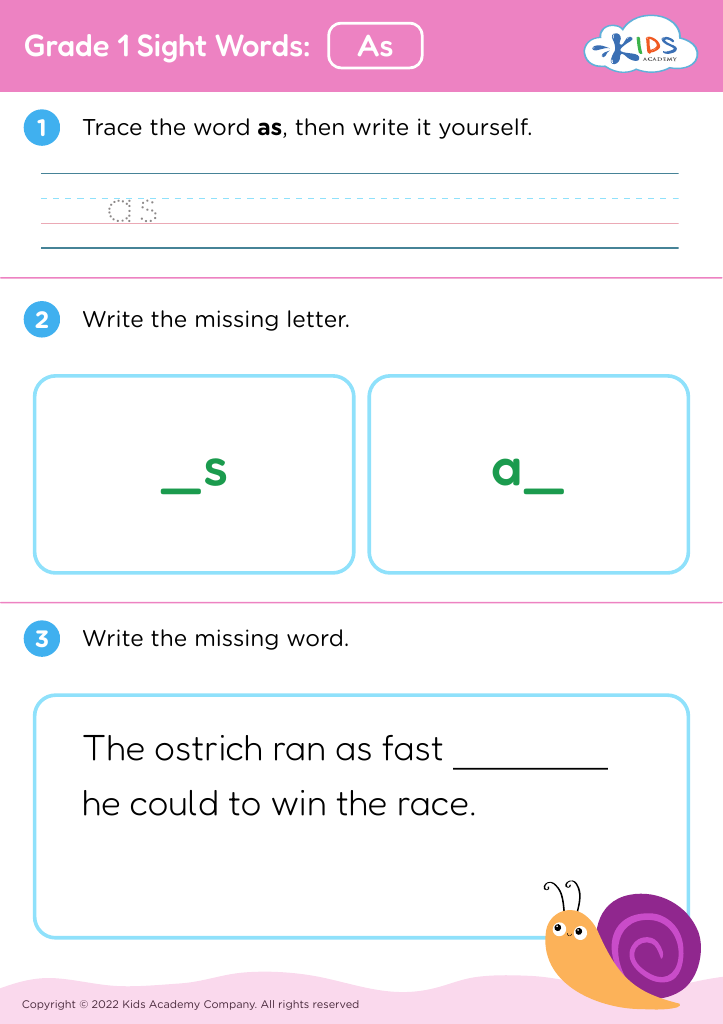
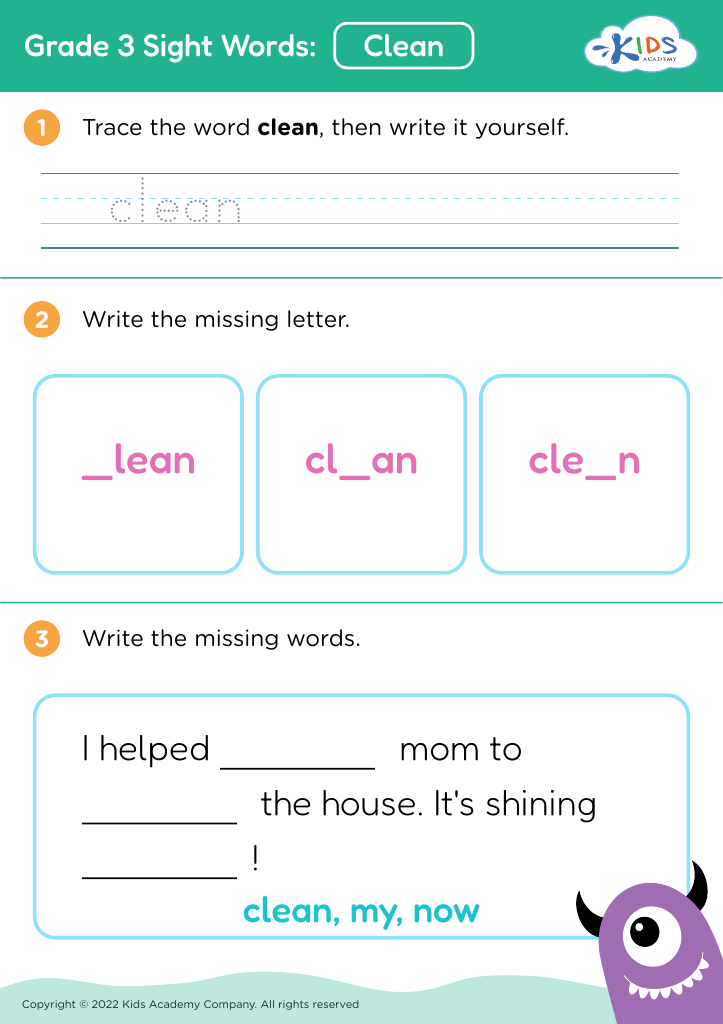
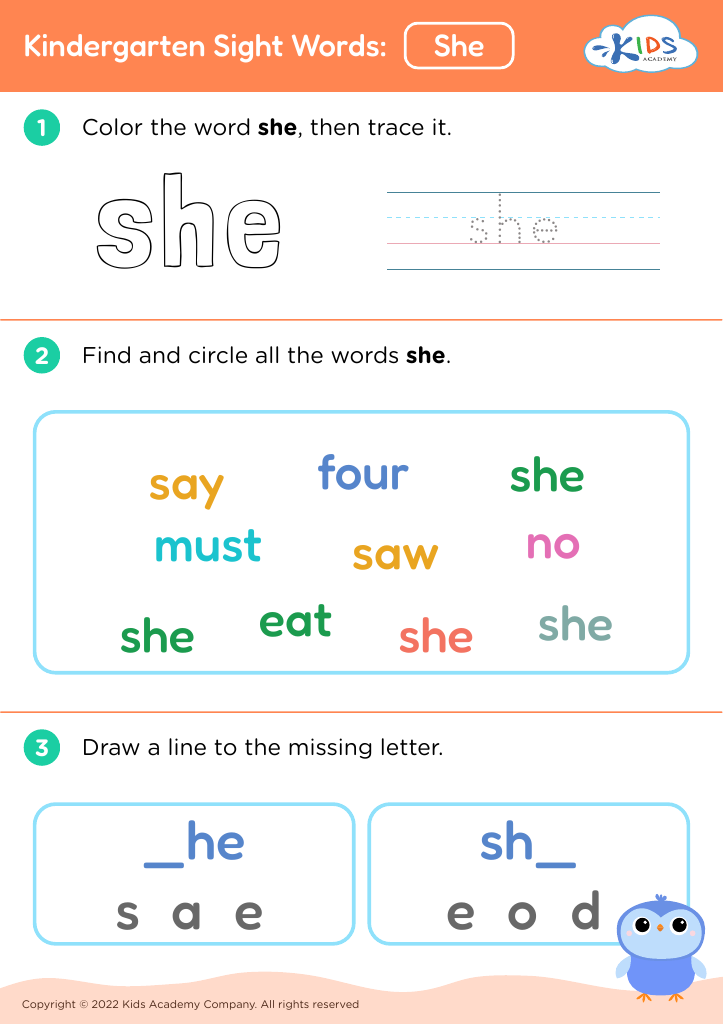
Understanding Symmetry Sight Words Worksheets for ages 5-9 make learning engaging and educational through fun, hands-on activities. Designed to enhance reading skills and foster an understanding of symmetry, our worksheets are perfect for young learners. Combining colorful visuals and interactive tasks, kids practice recognizing and using essential sight words while exploring symmetry. Tailored for children aged 5-9, these worksheets help build foundational literacy and mathematical skills in an enjoyable way. Dive into a world of symmetry and words with Kids Academy and watch your child’s confidence soar!




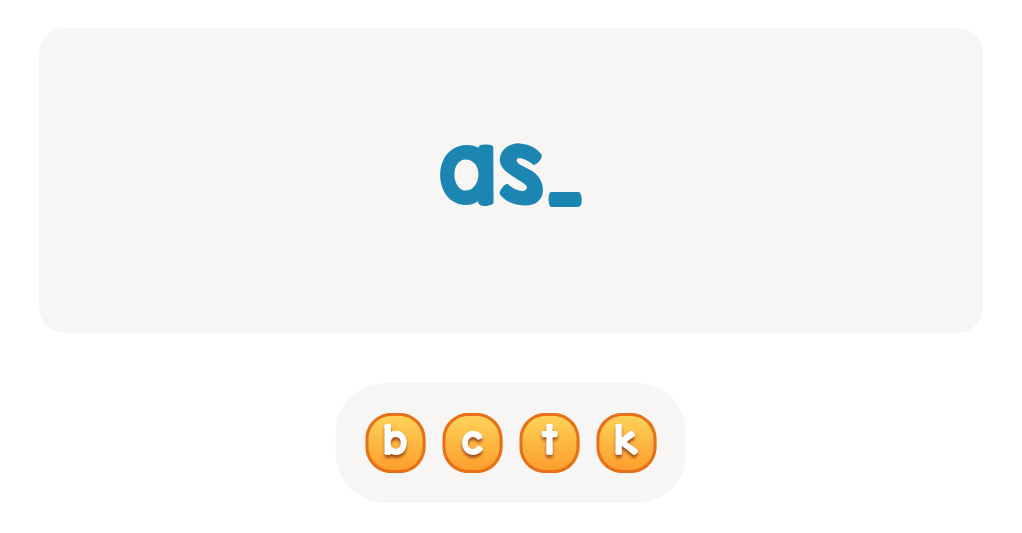
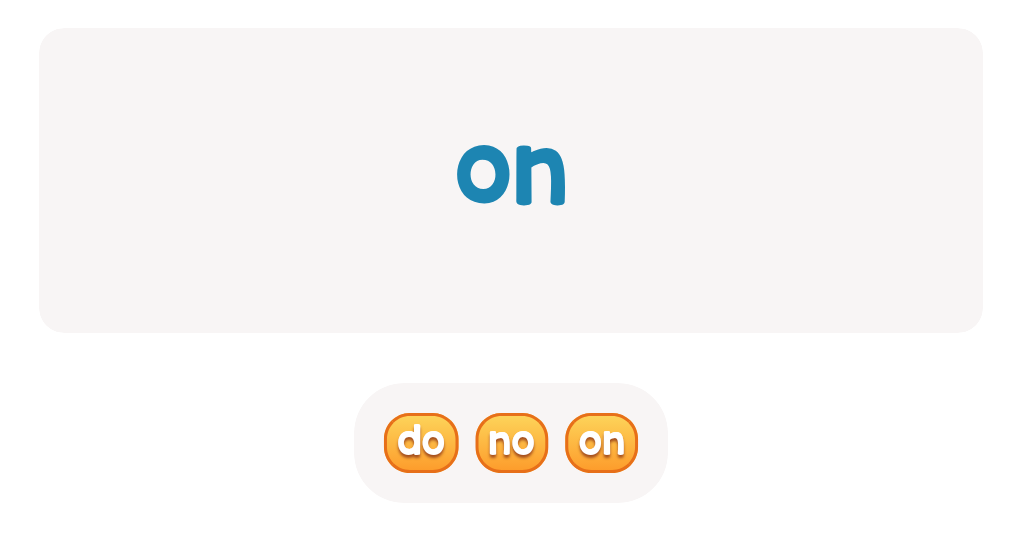
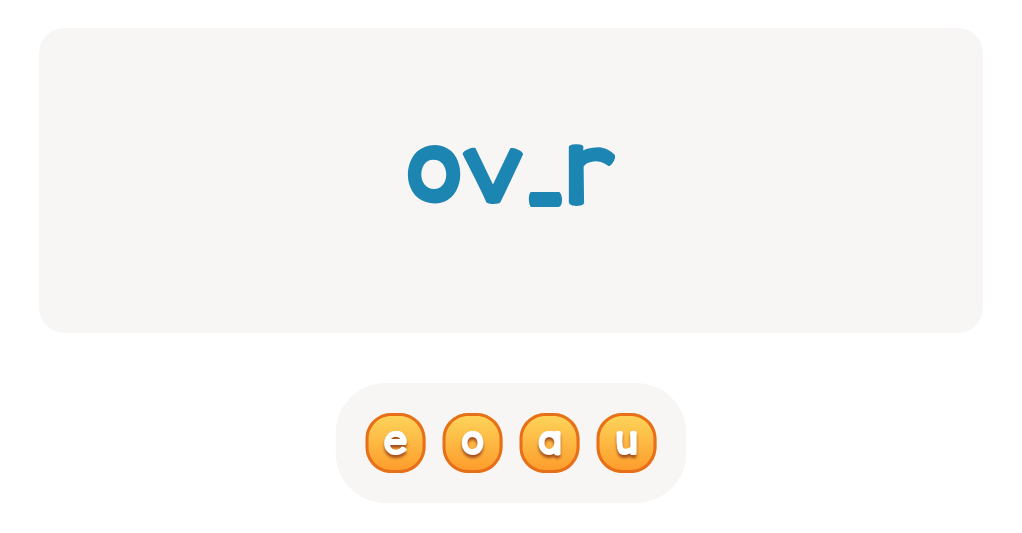







.jpg)
Understanding symmetry and sight words is crucial for children aged 5-9 and should be a priority for parents and teachers. Symmetry, a fundamental mathematical concept, enhances spatial awareness and problem-solving skills. Recognizing symmetrical patterns helps children in organizing visual information, leading to improved abilities in art, design, and geometry. It encourages analytical thinking and an appreciation for balance, structure, and aesthetics, which are attributes that foster a well-rounded intellectual development.
Sight words, on the other hand, are the commonly used words that young children are encouraged to recognize without having to sound them out. Mastery of sight words accelerates reading fluency and comprehension, providing a foundation for lifelong literacy. When children effortlessly recognize these words, they can focus on understanding the text's meaning rather than decoding every individual word. This efficiency bolsters their confidence and encourages a love for reading. Moreover, sight word proficiency aids in spelling and increases vocabulary.
In summary, engagement with symmetry cultivates mathematical and spatial abilities, while sight words are vital for reading and writing skills. Therefore, parents and teachers who invest time in these areas directly contribute to the cognitive and academic growth of their students or children, paving the way for future academic success.