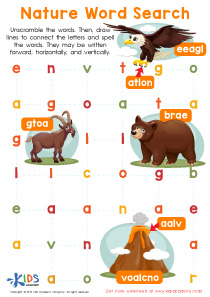
Word Recognition Sight Words Worksheets for Ages 5-9
7 filtered results
-
From - To
Word Recognition Sight Words Worksheets for Ages 5-9
Boost your child’s reading confidence with our Word Recognition Sight Words Worksheets designed for ages 5-9. These engaging activities help young learners effortlessly identify common sight words, enhancing their reading fluency and comprehension. Our worksheets incorporate fun, interactive exercises, perfect for both classroom and homeschool settings. Tailored for growing minds, these resources foster vocabulary building, spelling, and pronunciation skills. Ideal for parents and educators, our expertly crafted worksheets support gradual learning progressions, ensuring each child builds a strong foundation in reading. Set your young reader on the path to success with our premium sight word worksheets today!
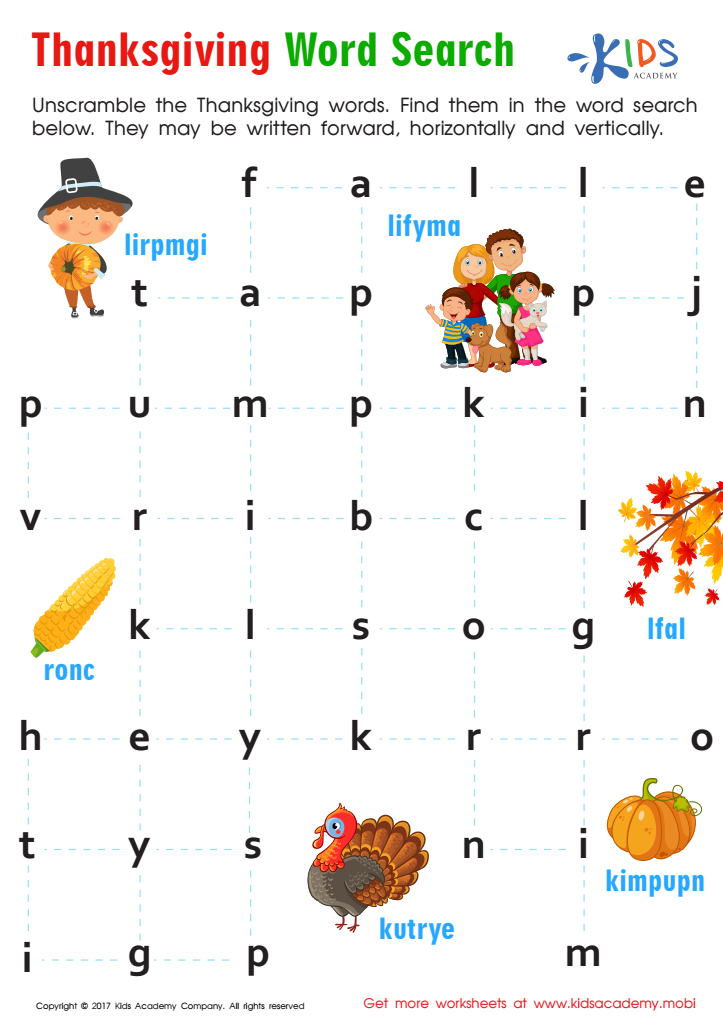
Thanksgiving Word Search Sight Words Worksheet
 Assign to My Students







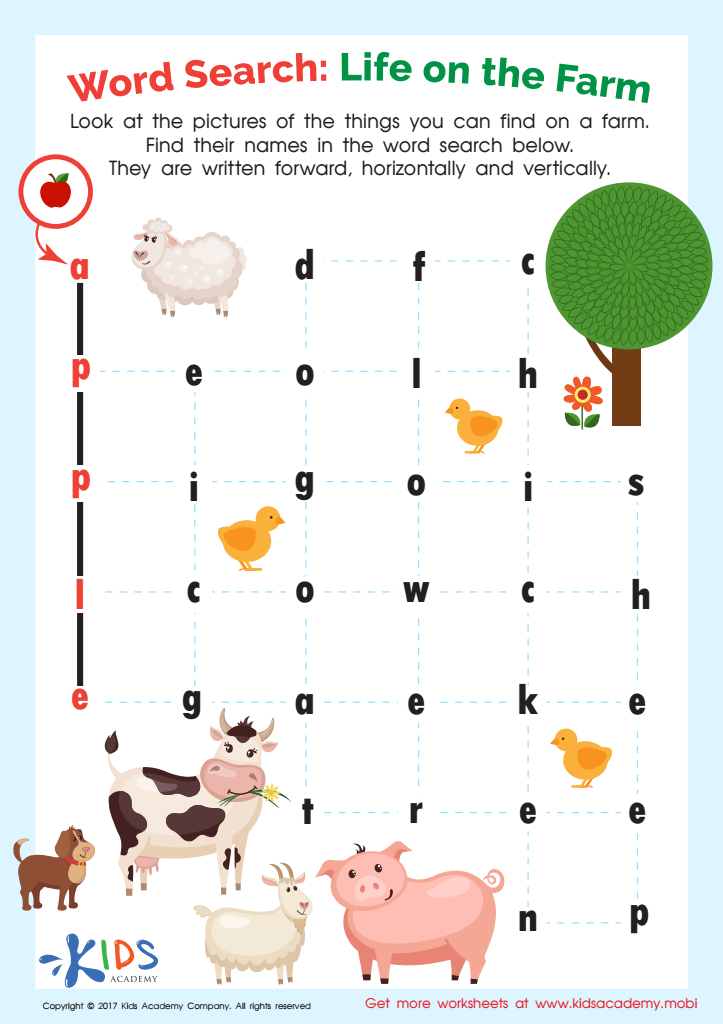
Word Search Puzzles Worksheet
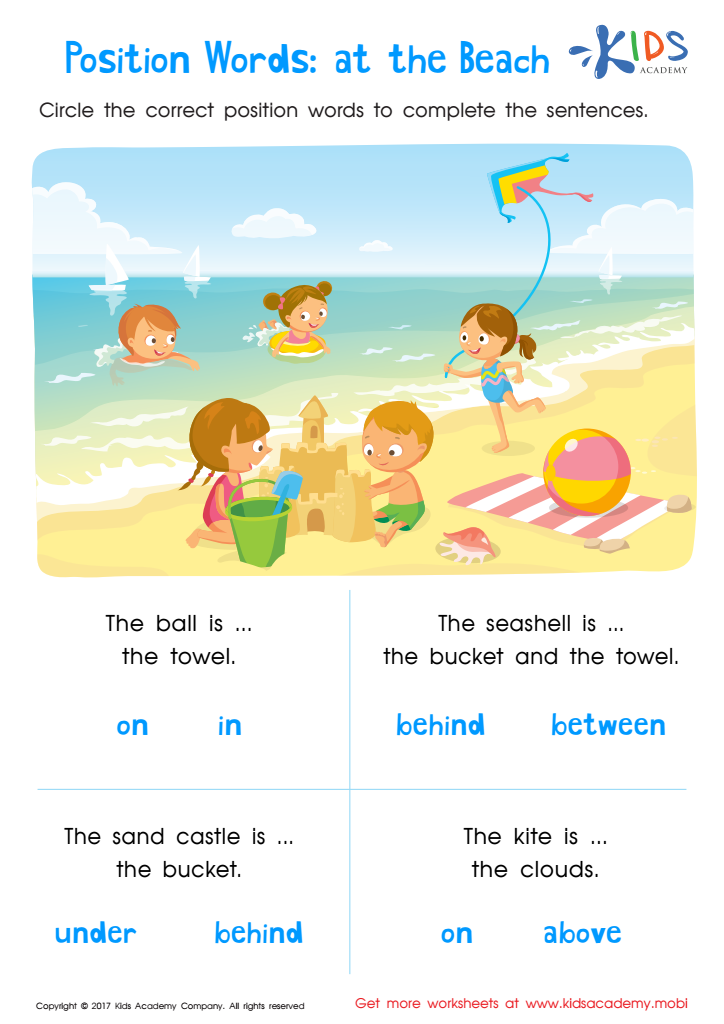
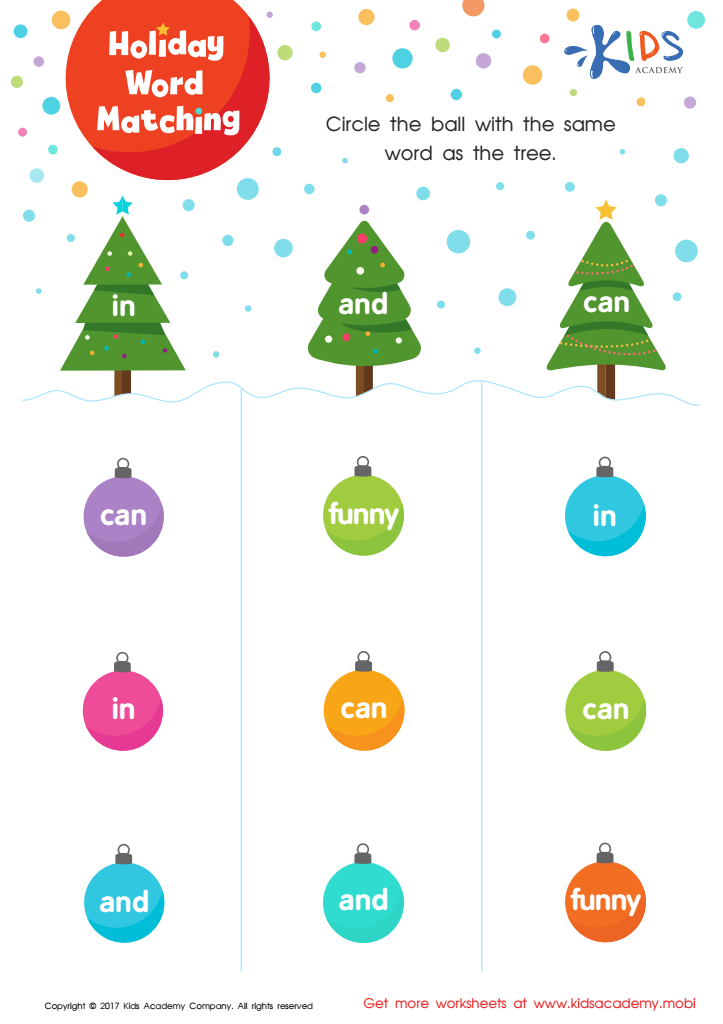
Holiday Word Matching Worksheet
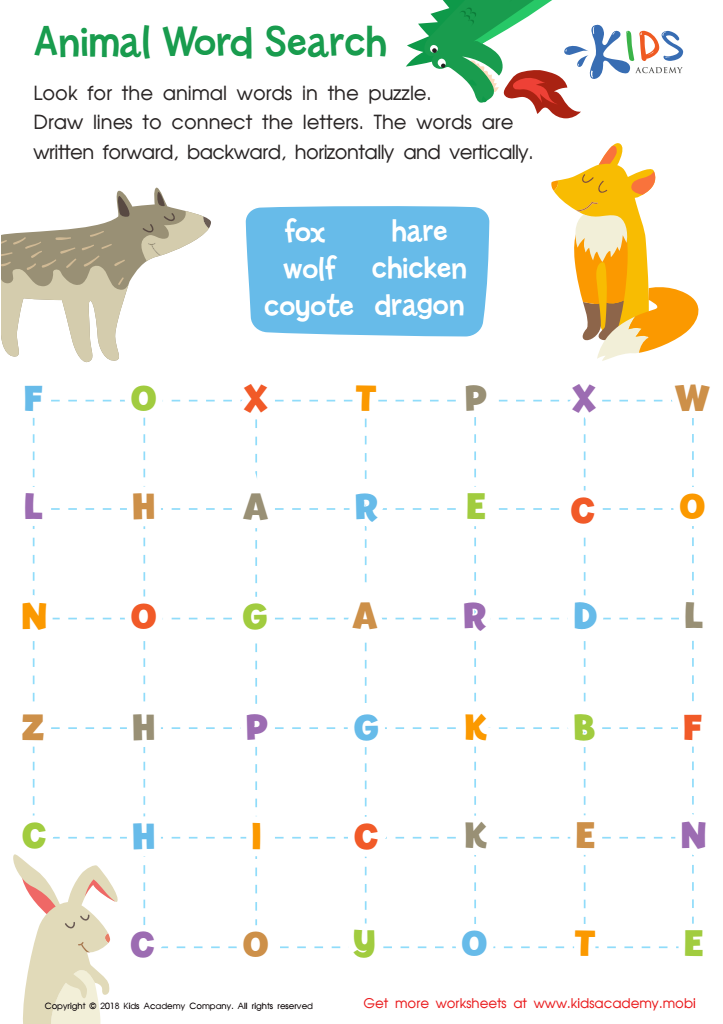
Animal Word Search Worksheet
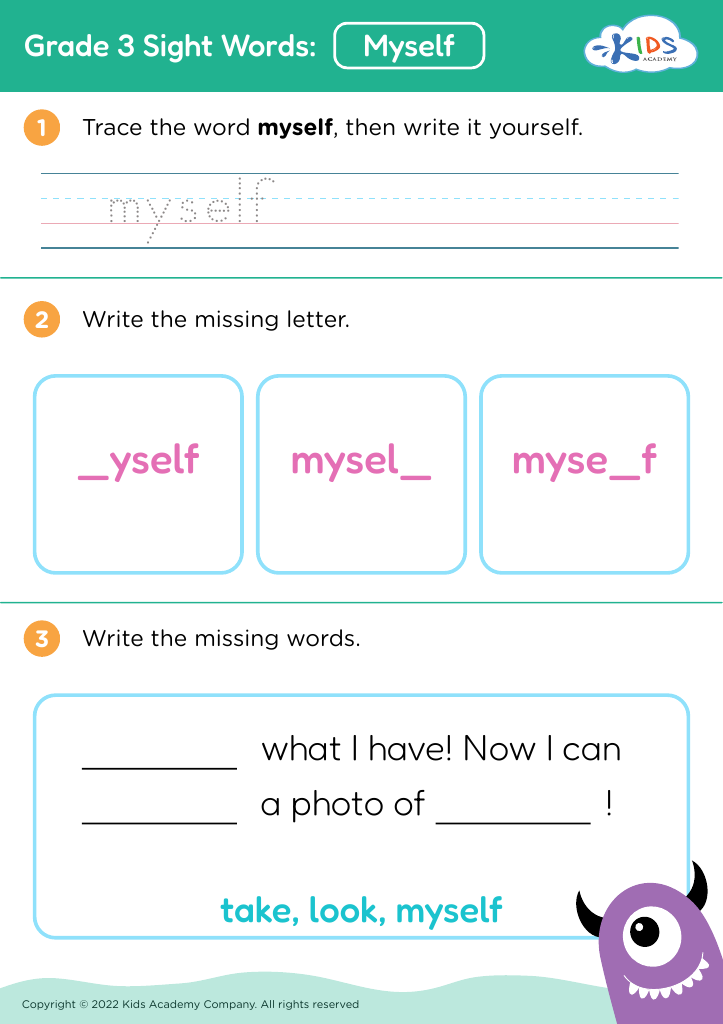
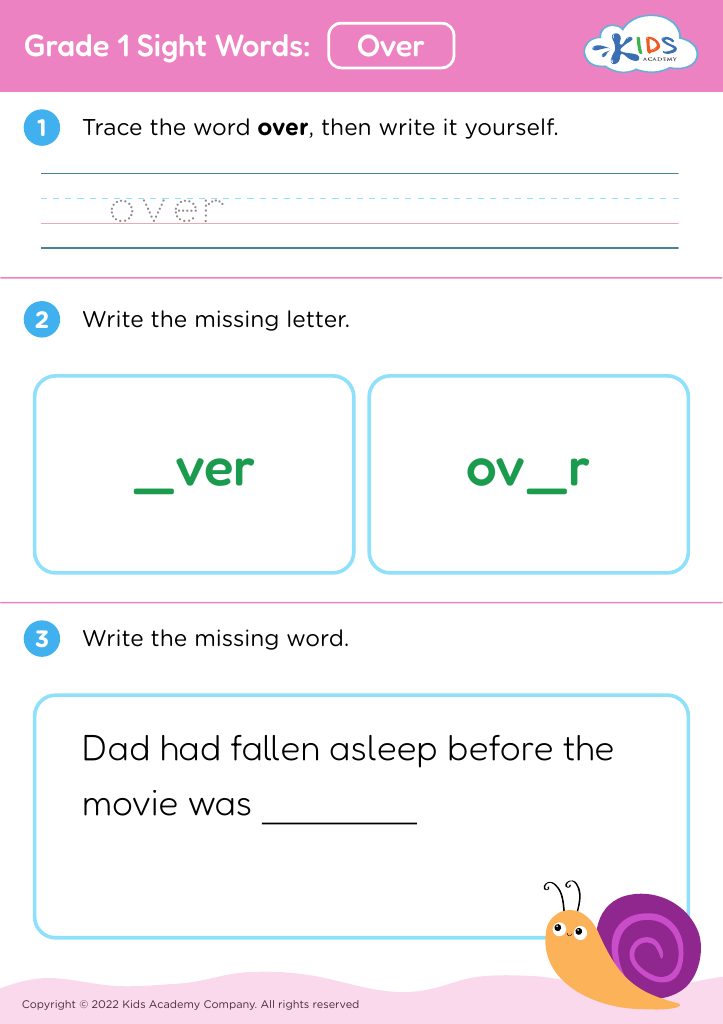








Word recognition, specifically sight words, is critical for children aged 5-9 because it lays the foundation for essential reading skills. Sight words are those frequently encountered in text but often do not adhere to standard decoding rules. When children can recognize these words instantly, it significantly improves reading speed, fluency, and comprehension.
For young readers, mastering sight words minimizes cognitive load, enabling them to focus on understanding the story or information rather than decoding each word. Consequently, this enhances their ability to gain meaning from text and pursue more extensive reading material, fostering a love for reading.
Teachers and parents who support sight word recognition help children build confidence and promote early literacy development. It also aids in better academic performance as proficient readers are likely to excel across subjects that require reading comprehension. The sense of accomplishment children gain as they recognize these words boosts their self-esteem and motivation to learn.
Moreover, early proficiency in sight words is linked with long-term literacy success. For example, studies have shown that children who struggle with basic word recognition in the early grades are at a higher risk of ongoing academic difficulties. By emphasizing sight word mastery, parents and educators can provide children with the tools they need for sustained educational growth and a lifelong engagement with reading.