Categorization skills Animals Worksheets for Ages 5-9
4 filtered results
-
From - To
Discover our engaging Categorization Skills Animals Worksheets designed specifically for children aged 5-9! These interactive resources help young learners develop essential categorization skills through fun activities centered around the fascinating world of animals. With colorful illustrations and easy-to-understand tasks, kids will enjoy sorting animals by various characteristics such as habitat, diet, and physical traits. Perfect for enhancing critical thinking and boosting vocabulary, these worksheets make learning about classification exciting! Whether used in the classroom or at home, our worksheets are perfect for supporting early learners as they explore and understand the animal kingdom while strengthening their cognitive skills.
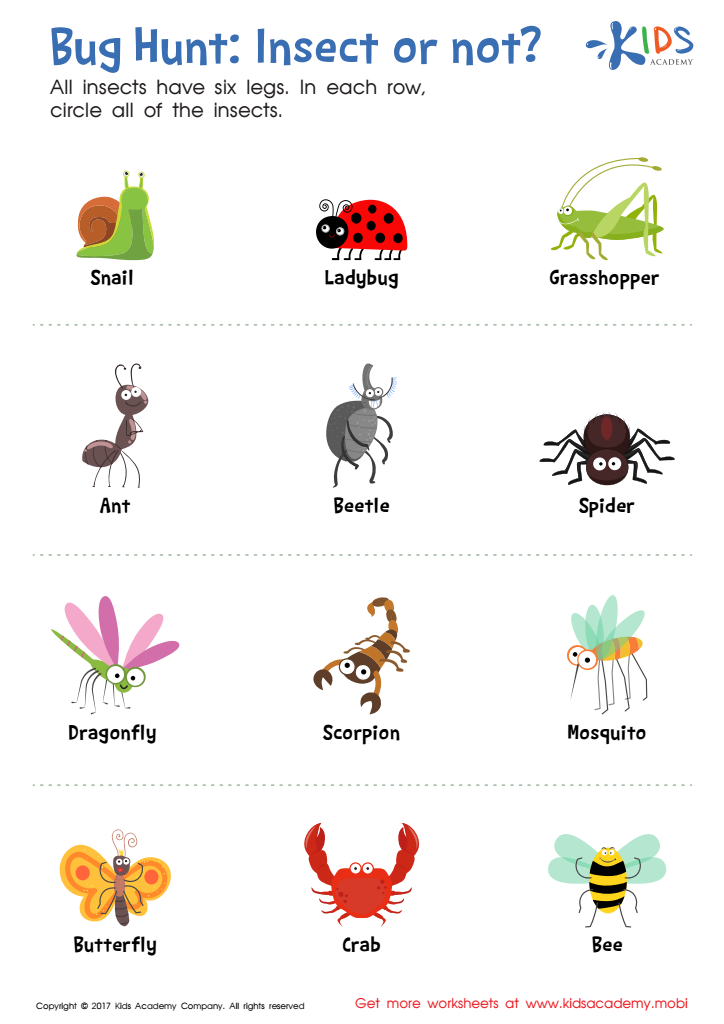
 Assign to My Students
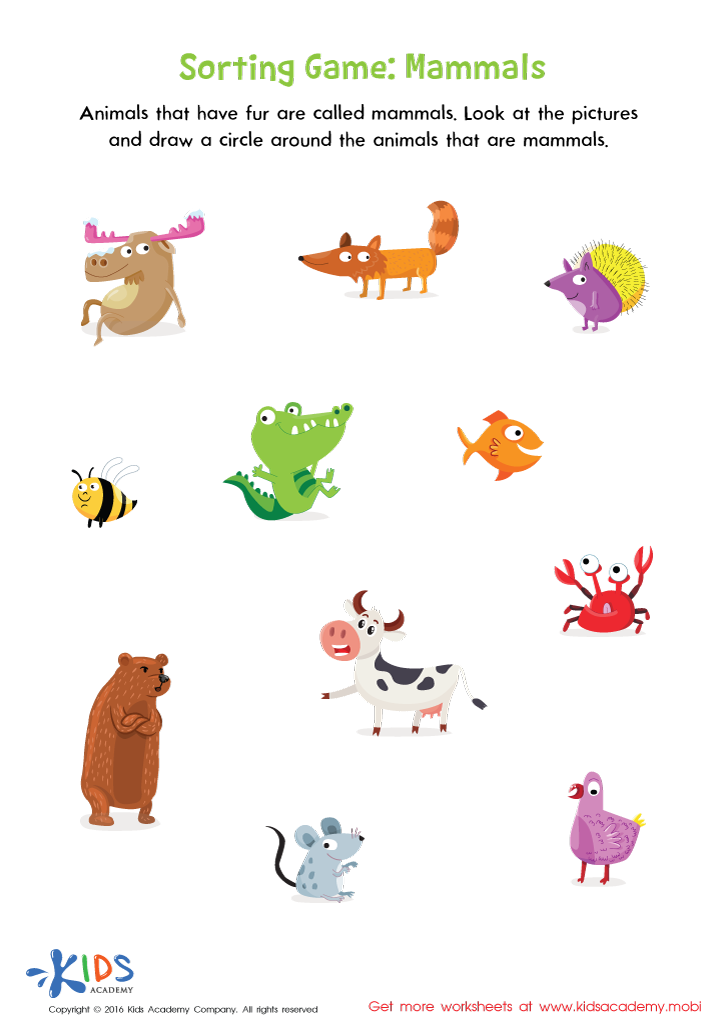
Mammals Sorting Worksheet
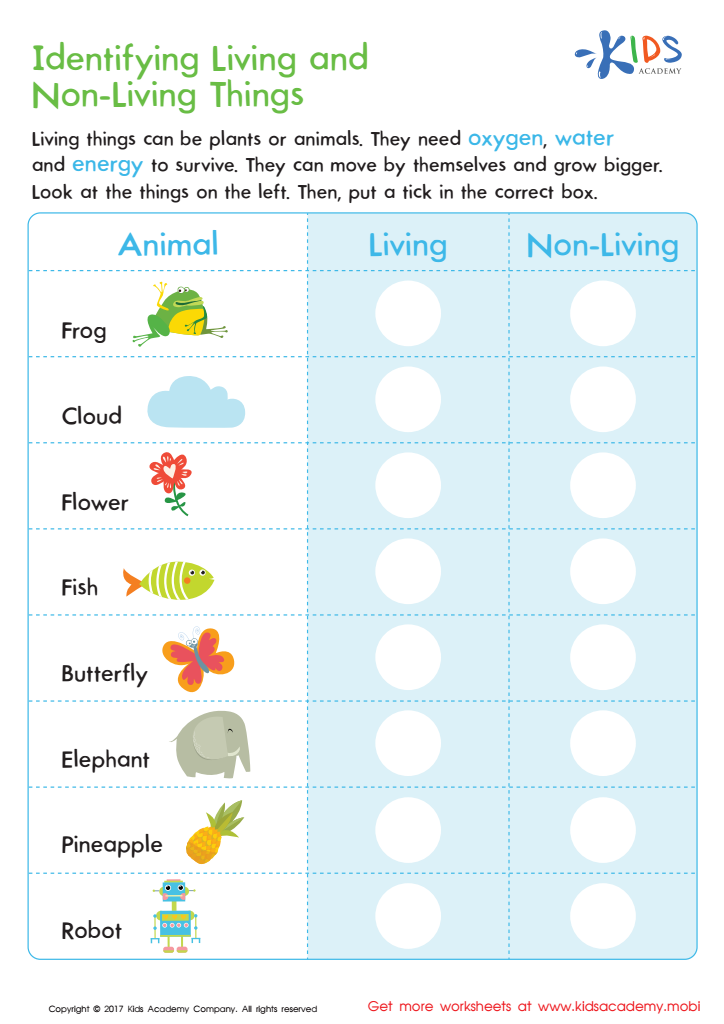
Identifying Living or Non–living Worksheet
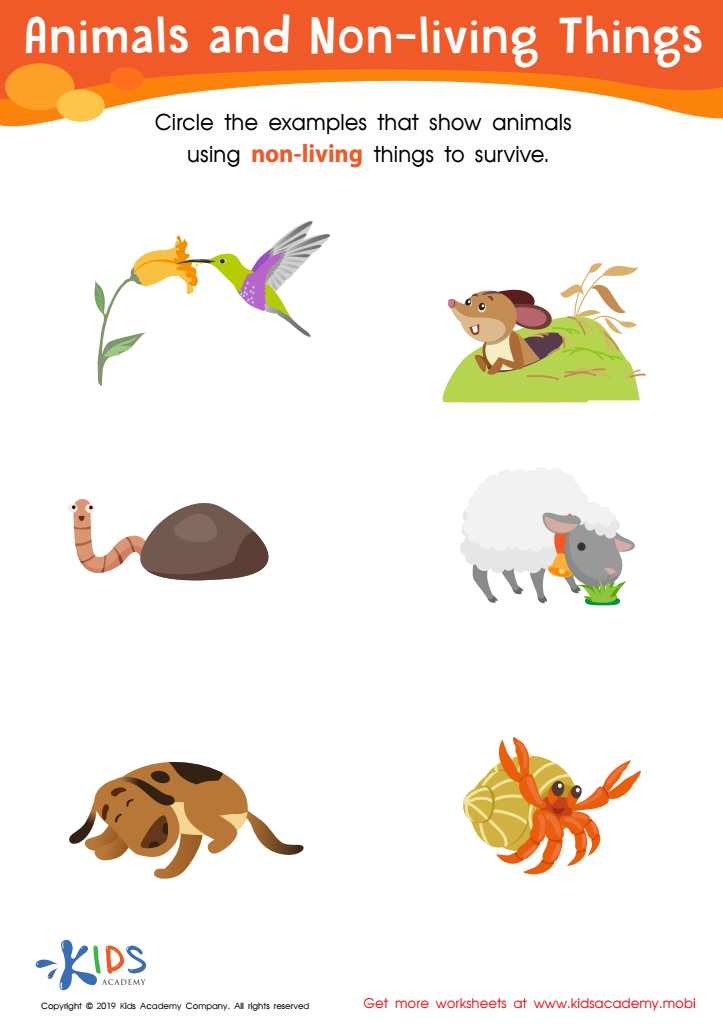
Animals and Non-Living Things Worksheet





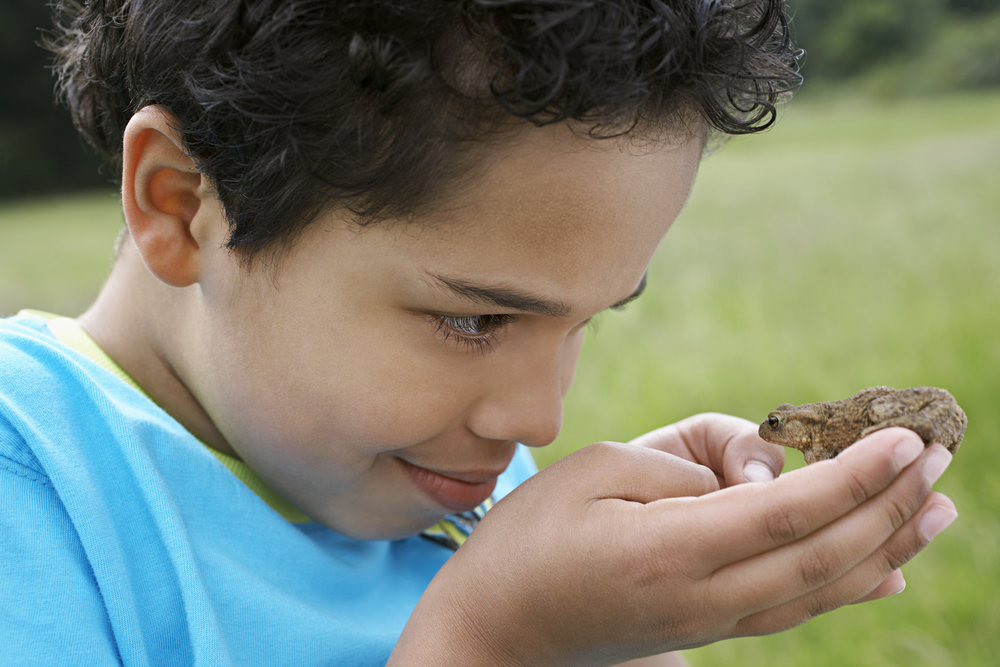


Parents and teachers should care about categorization skills, particularly related to animals, for children aged 5-9 because these skills underpin critical cognitive development. During this age, children are naturally curious and engaged in learning about their environment. Categorizing animals helps them to organize information, enhancing their ability to think logically and make connections.
Recognizing that animals can be sorted into groups (mammals, reptiles, birds, etc.) helps children understand the diversity of life on Earth. This foundational knowledge promotes scientific literacy, as they will learn to classify and consider characteristics that define each category. Furthermore, categorization fosters problem-solving abilities, as children learn to sort based on traits such as habitat, diet, or physical features.
Additionally, engaging in animal categorization activities supports language development. Children acquire vocabulary relevant to each group, which aids in communication and comprehension skills.
Beyond academics, fostering these skills can encourage empathy and a sense of responsibility towards living beings, nurturing respect for nature and wildlife. Therefore, parents and teachers play a vital role in incorporating playful and thoughtful categorization activities, making learning enjoyable and impactful for young children.








