Vocabulary Building Animals Worksheets for Ages 5-9
4 filtered results
-
From - To
Discover our engaging Vocabulary Building Animals Worksheets designed for children ages 5-9! These interactive worksheets help young learners expand their vocabulary while exploring the exciting world of animals. Packed with colorful images and fun activities, each worksheet encourages kids to associate words with animal names, habitats, and characteristics. Tailored for early grade teachers and parents, our resources promote language development, enhance reading skills, and inspire curiosity about nature. Perfect for classroom use or at-home learning, these worksheets make vocabulary building enjoyable and effective. Let your child embark on a wild adventure of words with our animal-themed worksheets today!
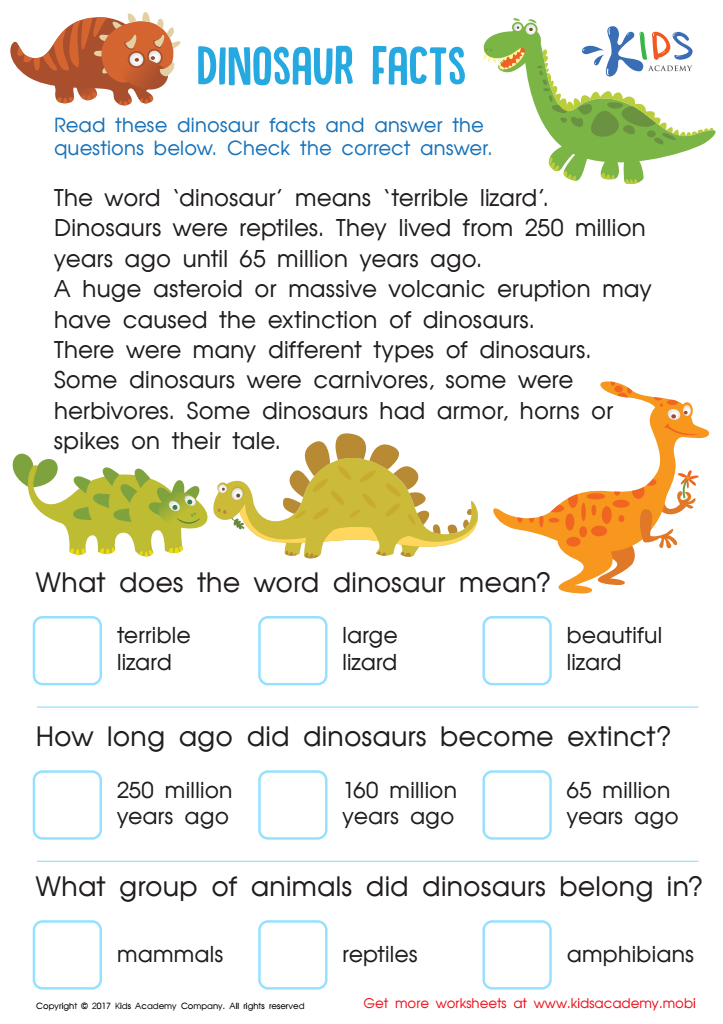
Dinosaur Facts Worksheet
 Assign to My Students
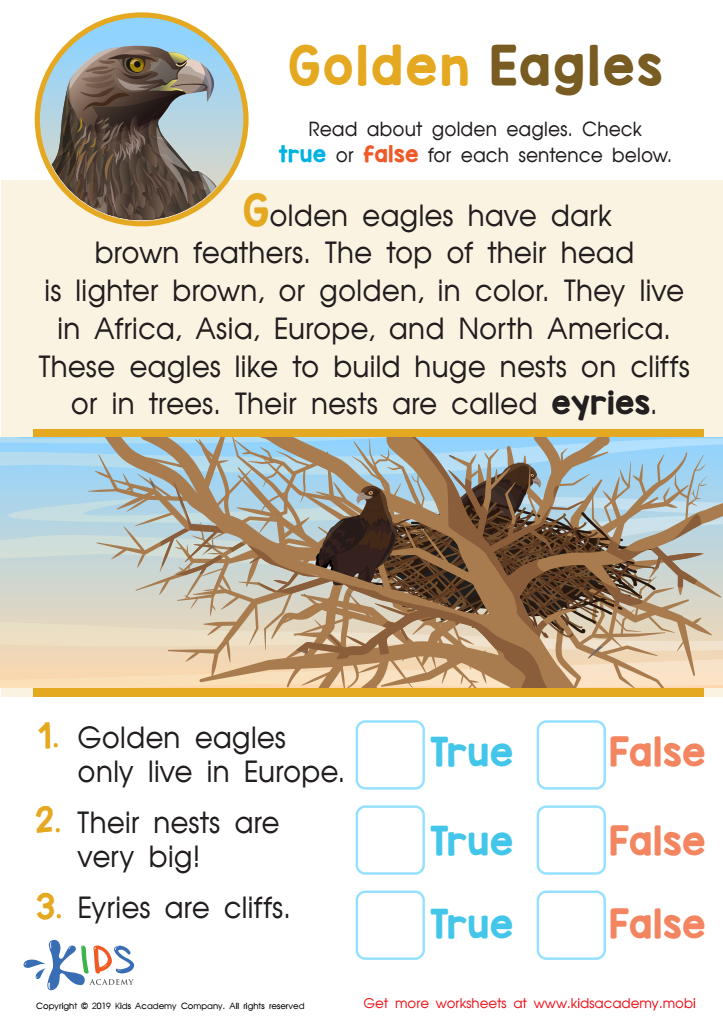
Golden Eagles Worksheet
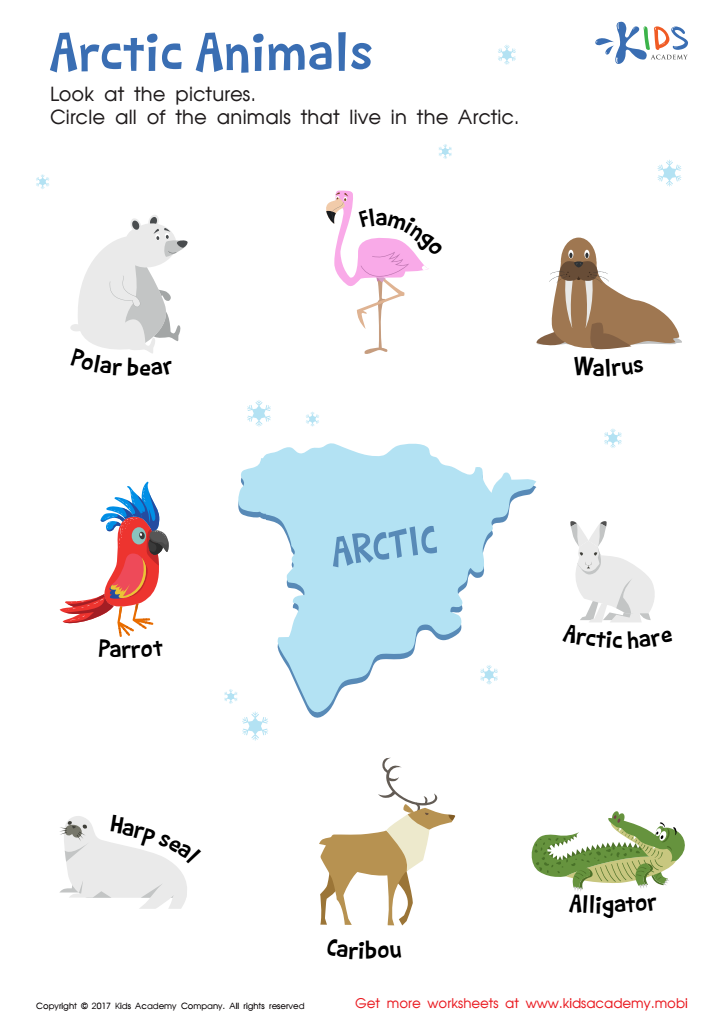
Arctic Animals Worksheet
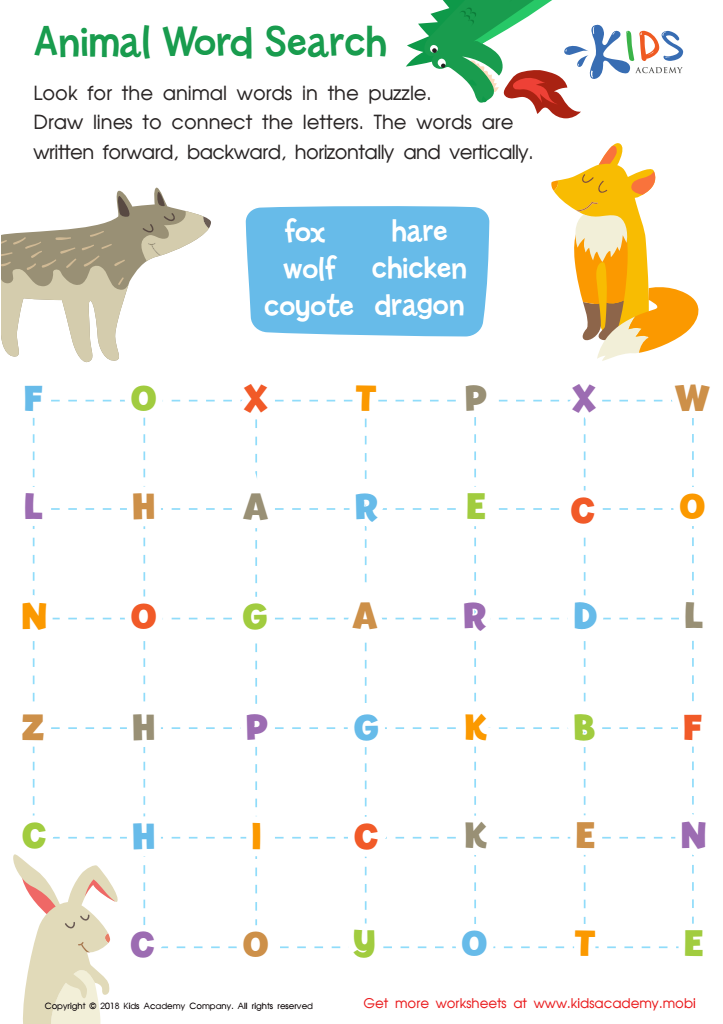
Animal Word Search Worksheet


%20(1).jpg)




Vocabulary building is crucial for children's linguistic and cognitive development, particularly for those aged 5 to 9. At this stage, children are rapidly learning to communicate and comprehend the world around them. Incorporating Vocabulary Building Animals into their learning process makes it both engaging and memorable.
Using animals as a thematic approach captures children's natural curiosity and enthusiasm. It encourages them to explore new words in meaningful contexts, helping to expand their vocabulary through association and repetition. Observing animals, reading about them, or engaging in activities that feature animals can foster discussions about their habitats, behaviors, and characteristics, linking vocabulary to real-world experiences.
Moreover, strong vocabulary skills enhance reading comprehension, which is foundational for academic success. As children advance in their education, a robust vocabulary supports better understanding of texts, improved writing skills, and effective communication.
Parents and teachers can utilize animals to create interactive games, storytelling sessions, and hands-on activities that promote language acquisition. This method not only nurtures word recognition but also ignites imagination and critical thinking. In essence, Vocabulary Building Animals provide a holistic approach to language learning that benefits children emotionally, socially, and academically. By investing time in this engaging practice, adults contribute significantly to children's future literacy and learning journeys.








