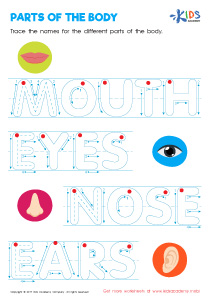
Categorization skills World Around Us Worksheets for Ages 5-9
3 filtered results
-
From - To
Discover our "Categorization Skills: World Around Us Worksheets" designed for children ages 5-9! These engaging and interactive worksheets help young learners develop essential categorization skills by sorting objects and concepts from their environment. Through fun activities, kids will learn to classify items based on various attributes, enhancing their critical thinking and observational skills. Each worksheet is crafted to align with early education standards, making learning enjoyable and effective. Perfect for classroom use or at-home practice, our worksheets foster a deeper understanding of the world around them, encouraging curiosity and discovery. Start your child’s adventure in learning today!
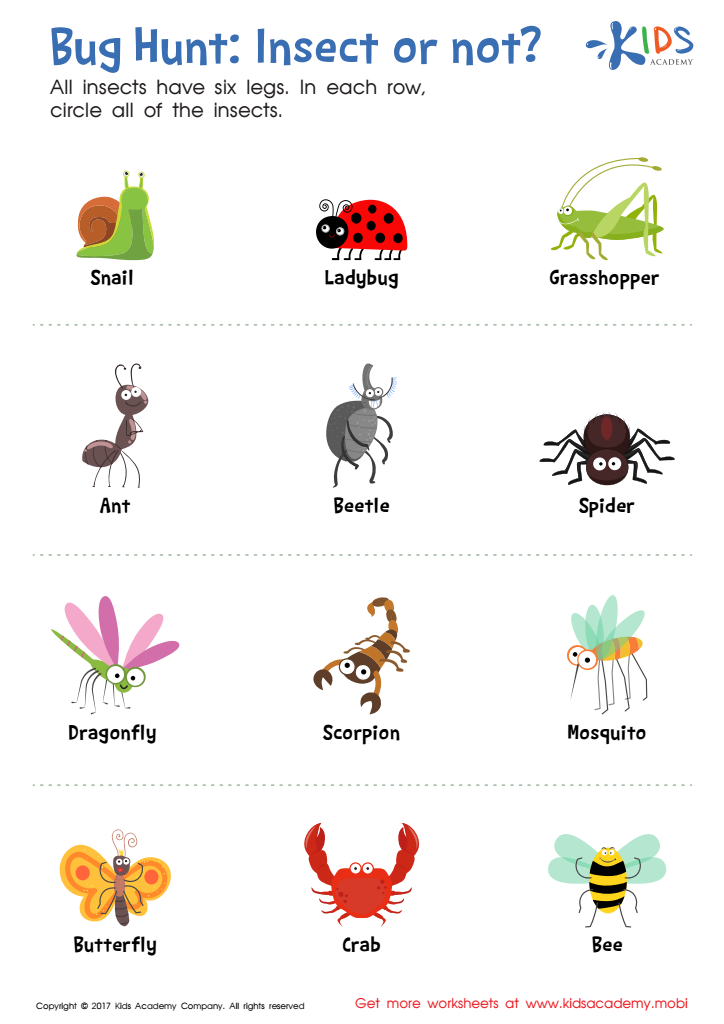
 Assign to My Students
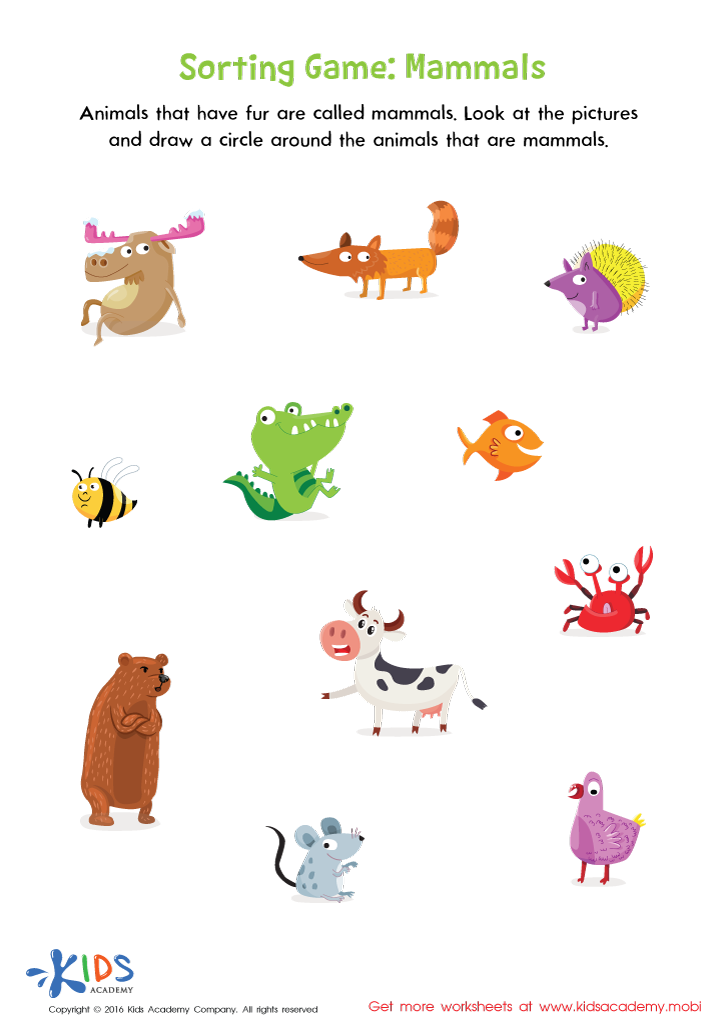
Mammals Sorting Worksheet
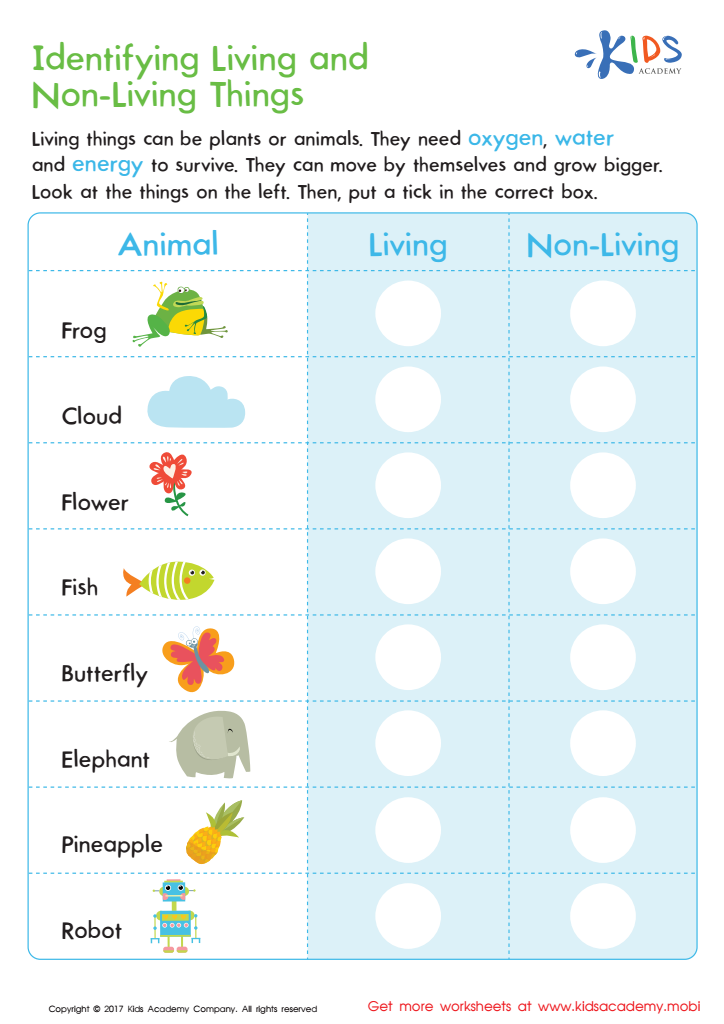
Identifying Living or Non–living Worksheet




Categorization skills are essential for children aged 5-9, as they form the foundation for critical thinking and problem-solving abilities. These skills enable children to identify similarities and differences among objects, events, or concepts, fostering an understanding of the world around them. When parents and teachers prioritize categorization skills, they support cognitive development by helping children organize their thoughts and comprehend complex information.
In practice, categorization can enhance language development, as children learn new vocabulary through categorizing items or concepts. For example, a child can categorize animals into mammals, reptiles, and birds, thereby expanding their knowledge and vocabulary in a structured way. This skill also facilitates early scientific reasoning, allowing children to form hypotheses and make observations.
Additionally, strong categorization skills contribute to social-emotional development. When children categorize social experiences or emotions, they learn to navigate relationships and understand diversity. By providing opportunities for categorization through everyday activities—like sorting toys, grouping animals in books, or engaging in science experiments—parents and teachers can cultivate essential skills that lead to lifelong learning, curiosity, and adaptability in an increasingly complex world. Prioritizing these skills ultimately equips children for academic success and personal growth.