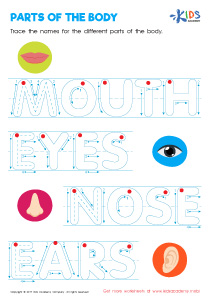
Counting practice World Around Us Worksheets for Ages 5-9
3 filtered results
-
From - To
Discover the wonders of counting with our "Counting practice World Around Us Worksheets for Ages 5-9." Perfect for young learners, these engaging, colorful worksheets integrate counting exercises with real-world themes like nature, animals, and everyday objects. Designed to align with core math standards, our worksheets combine fun illustrations and practical scenarios to enhance counting skills and number recognition. Whether at home or in the classroom, these activities support cognitive development while keeping kids entertained and focused. Empower your child's confidence in math with our unique, effective, and enjoyable learning tools. Visit our page today and start counting the fun!
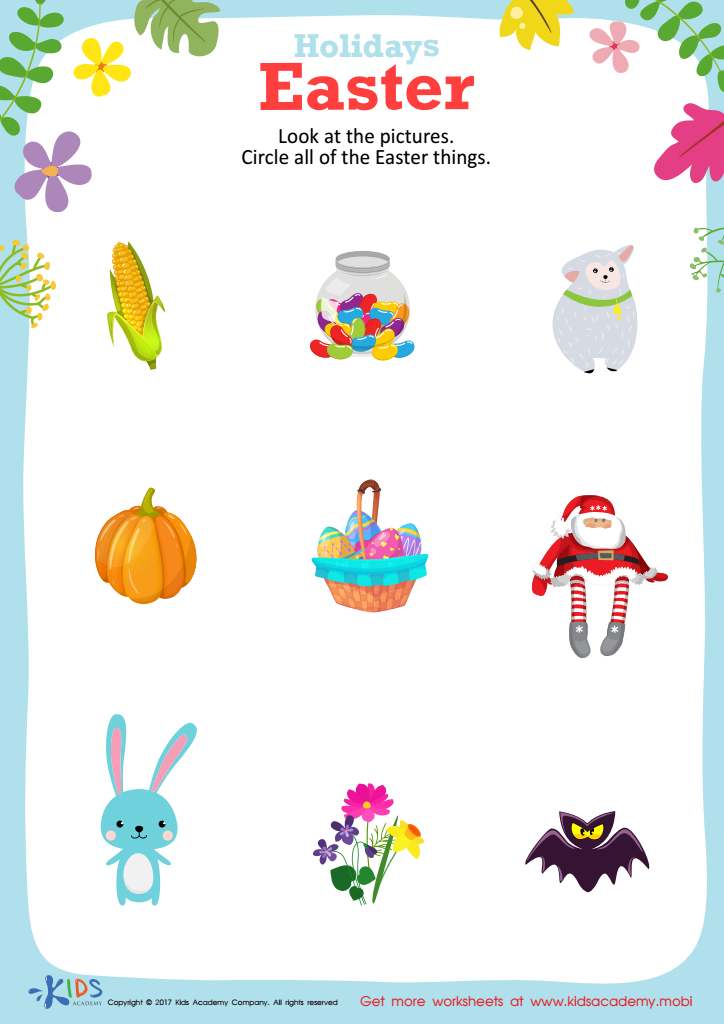
Easter Holiday Printable
 Assign to My Students
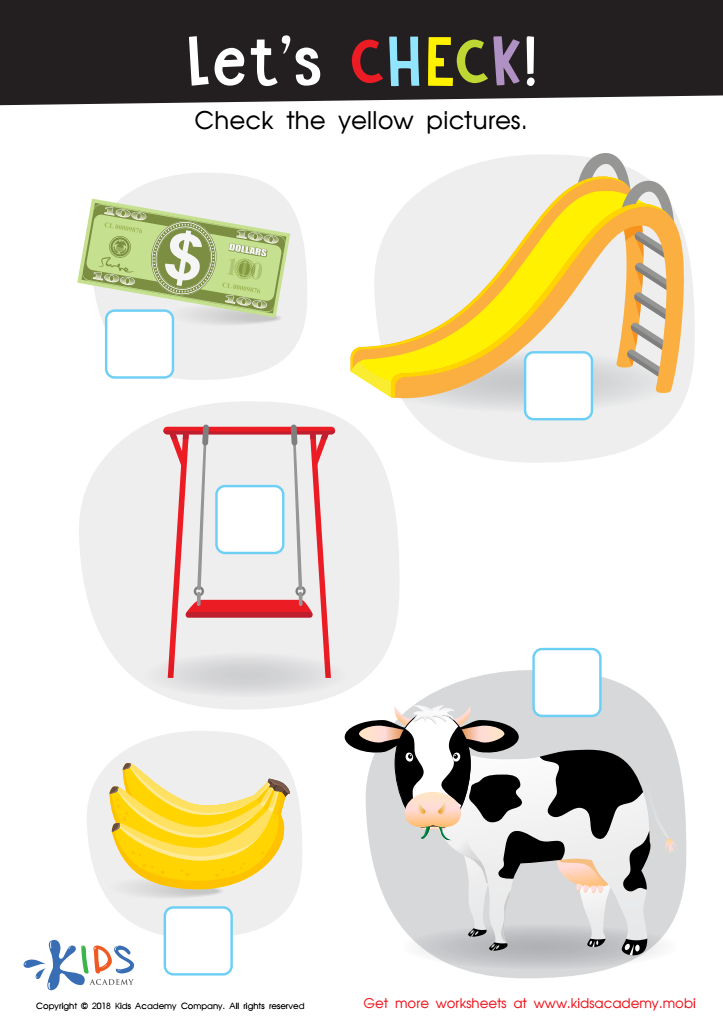
Let's Check! Worksheet






Counting practice for children aged 5-9 is crucial because it serves as the foundation for a variety of essential skills. Understanding numbers and how they relate to everyday life helps children develop number sense, which is the ability to visualize and conceptualize numbers in different forms. This is critical for later mathematical learning, including addition, subtraction, multiplication, and division.
Engaging with the world around them, such as counting objects like fruits, toys, or steps, helps kids connect abstract mathematical concepts to real-life situations. This hands-on approach to learning can increase a child's engagement and interest in numbers. Additionally, repetitive counting practice enhances their cognitive development, fine motor skills, and attention to detail.
Guests not being adept at fundamental mathematics can be challenging for students as they progress. A solid competency in counting helps ensure that this won't be the case and can positively affect other areas of academic performance, such as problem-solving and logical reasoning skills.
For teachers, incorporating counting practice into lessons can make learning fun and diverse, ensuring that children grasp fundamental concepts before moving on to more complex topics. Parents can support this learning at home, fostering a cooperative learning environment where children consider education a valuable and enjoyable aspect of their daily lives. Therefore, counting practice is more than just learning to quantify objects; it's a building block for lifelong numeracy skills and intellectual development.