Handwriting practice Letter Recognition Worksheets for 5-Year-Olds - Page 2
40 filtered results
-
From - To
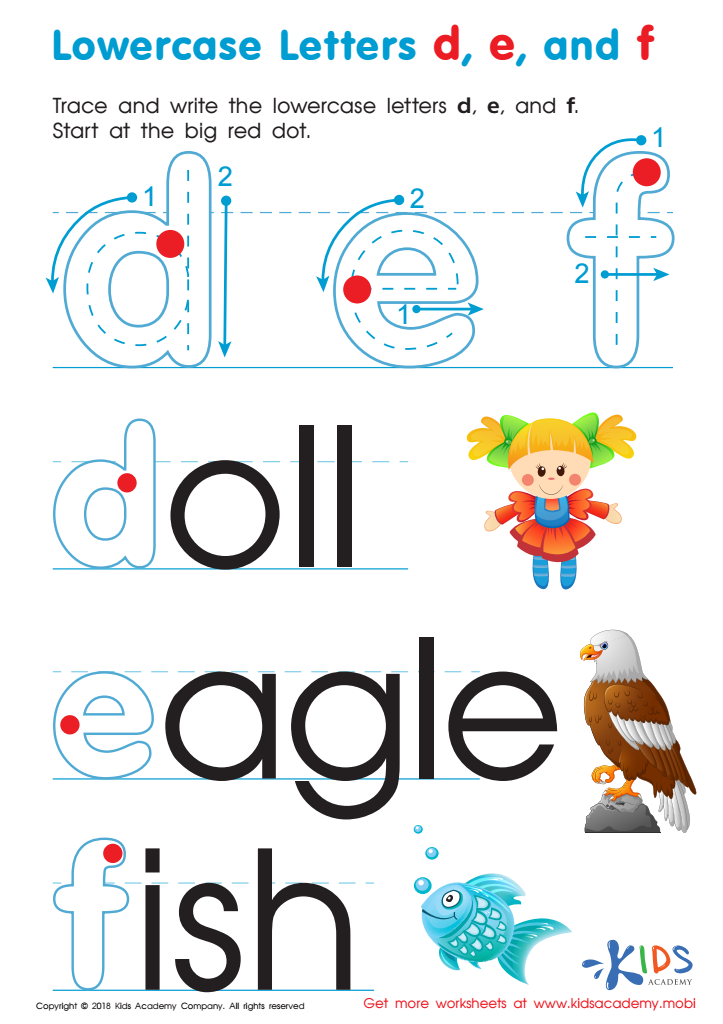
Lowercase Letters d e f Worksheet
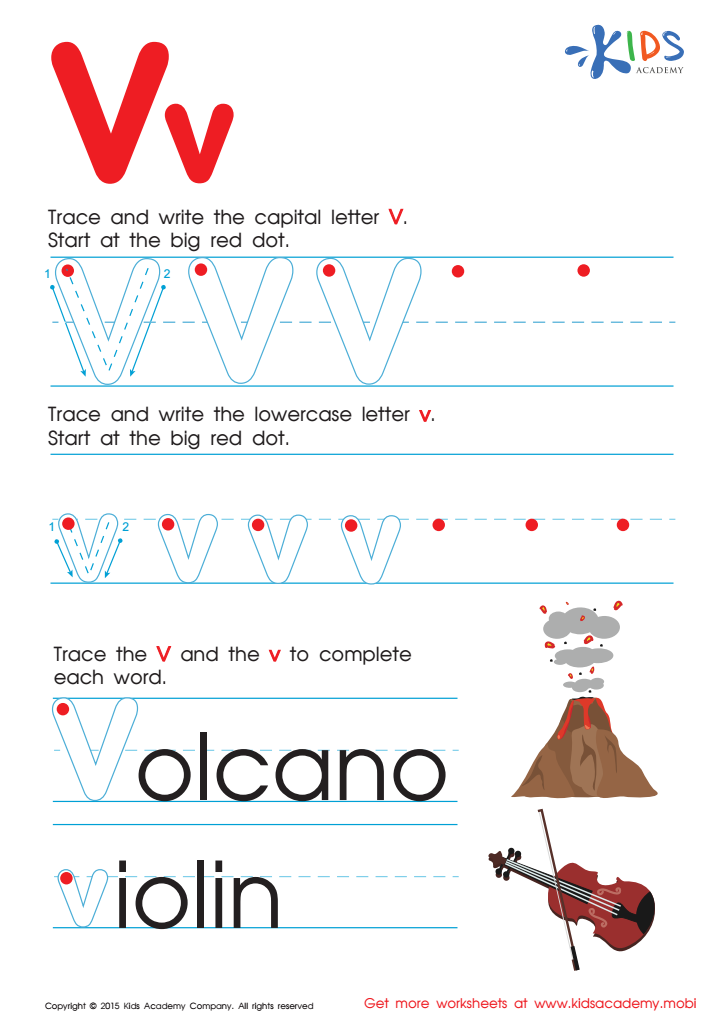
Letter V Tracing Page
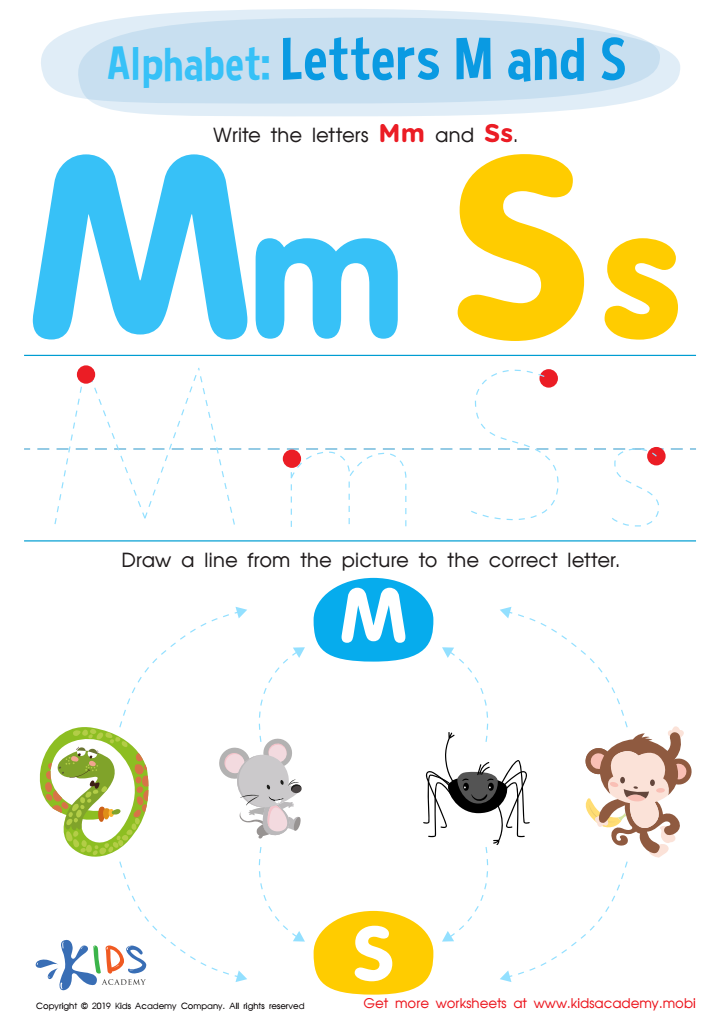
Letters M and S Tracing Worksheet
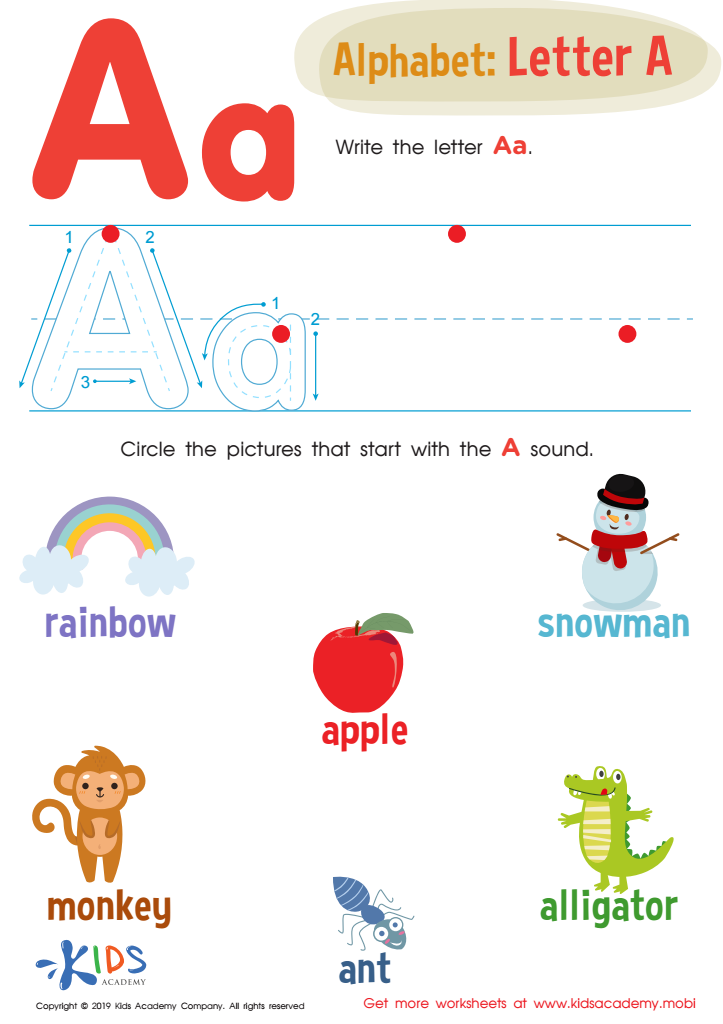
Letter A Tracing Worksheet
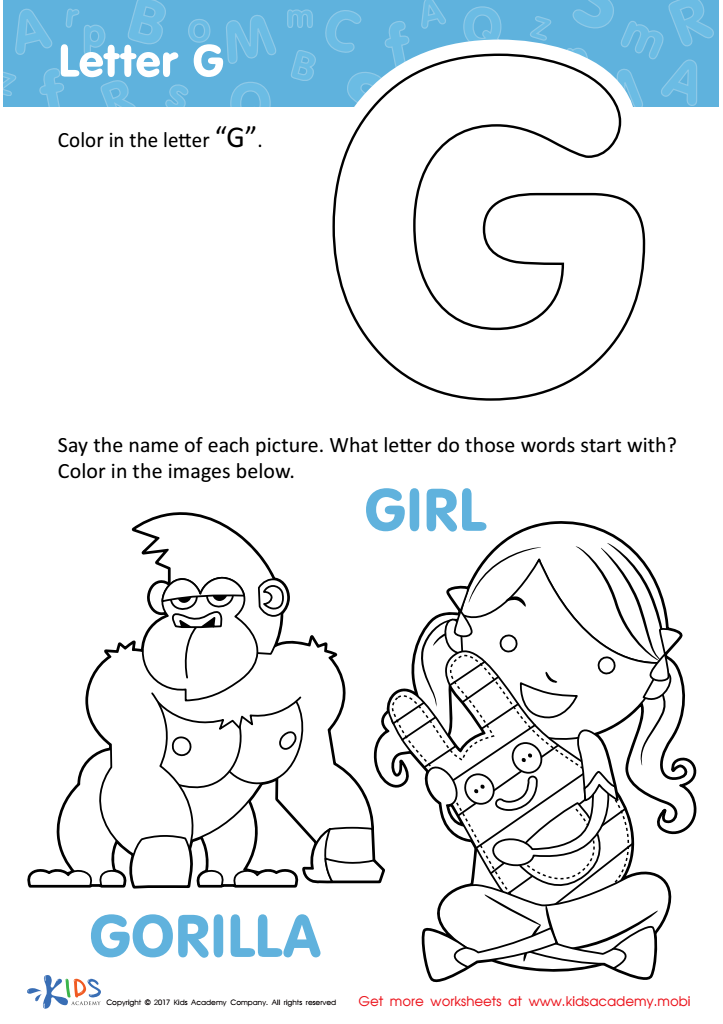
Letter G Coloring Sheet
 Assign to My Students
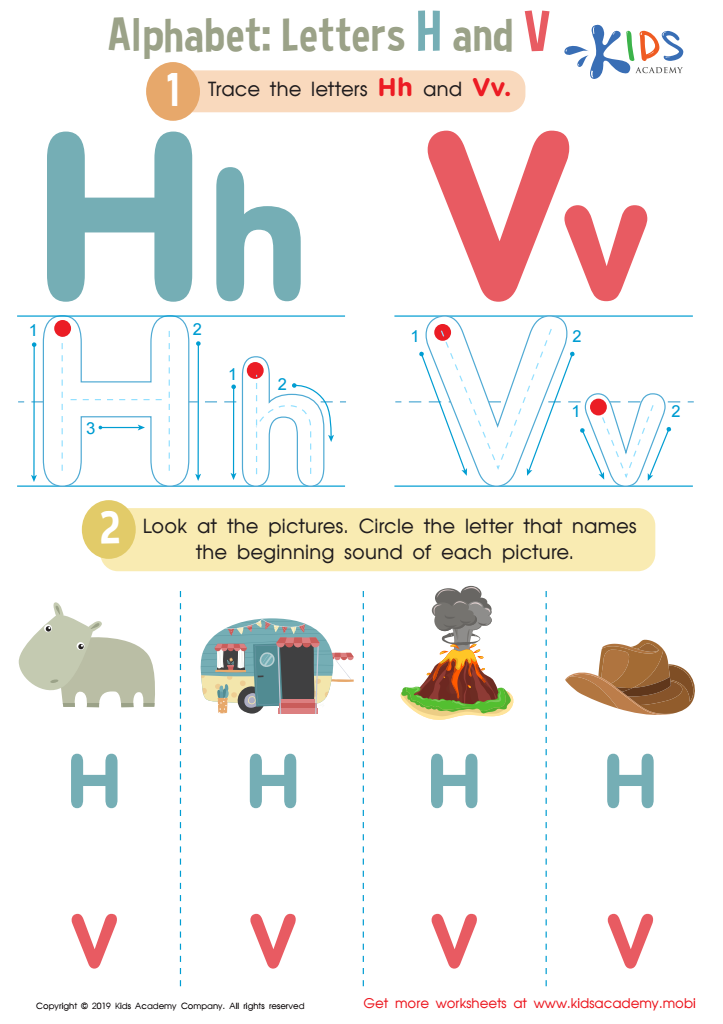
Letters H and V Tracing Worksheet
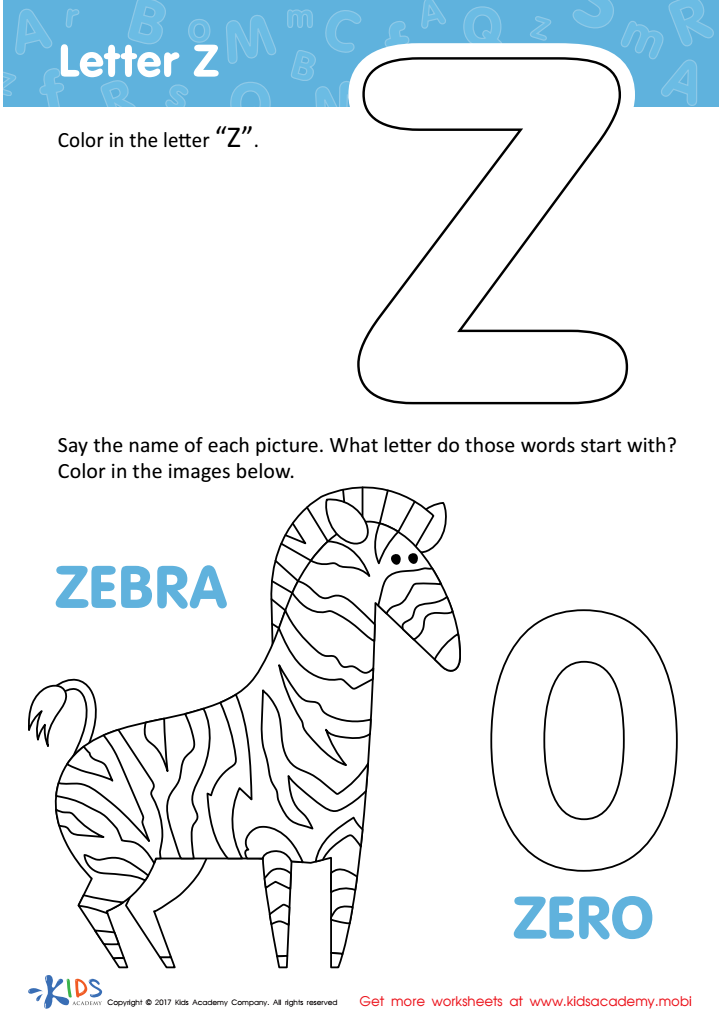
Letter Z Coloring Sheet
Assign to My Students
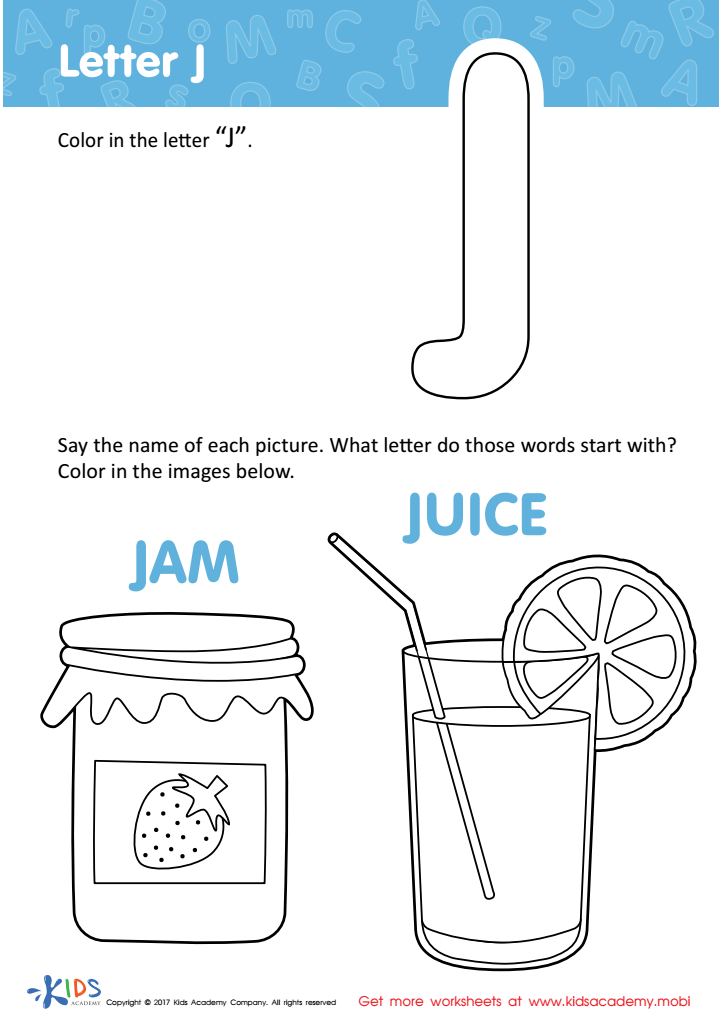
Letter J Coloring Sheet
Assign to My Students
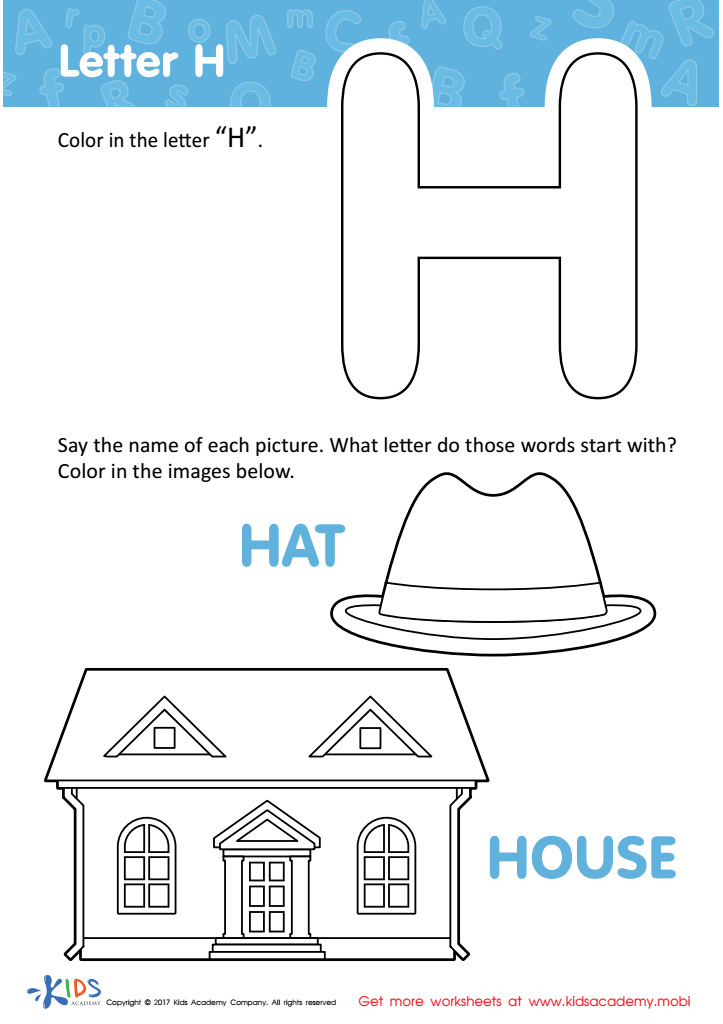
Letter H Coloring Sheet
Assign to My Students
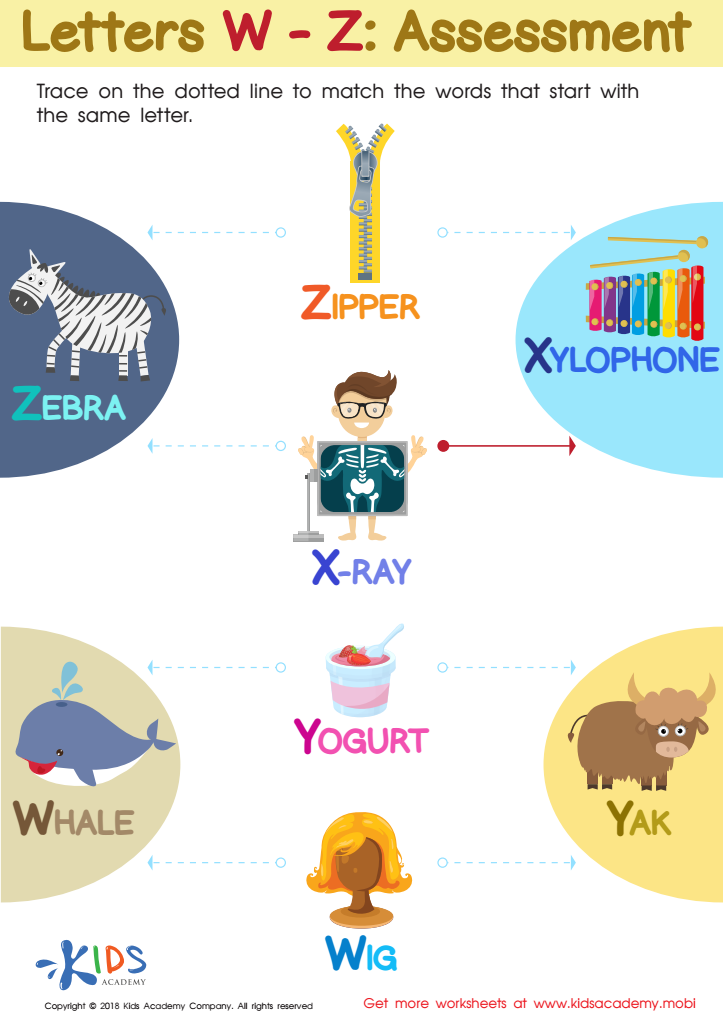
Letters W–Z Tracing Worksheet
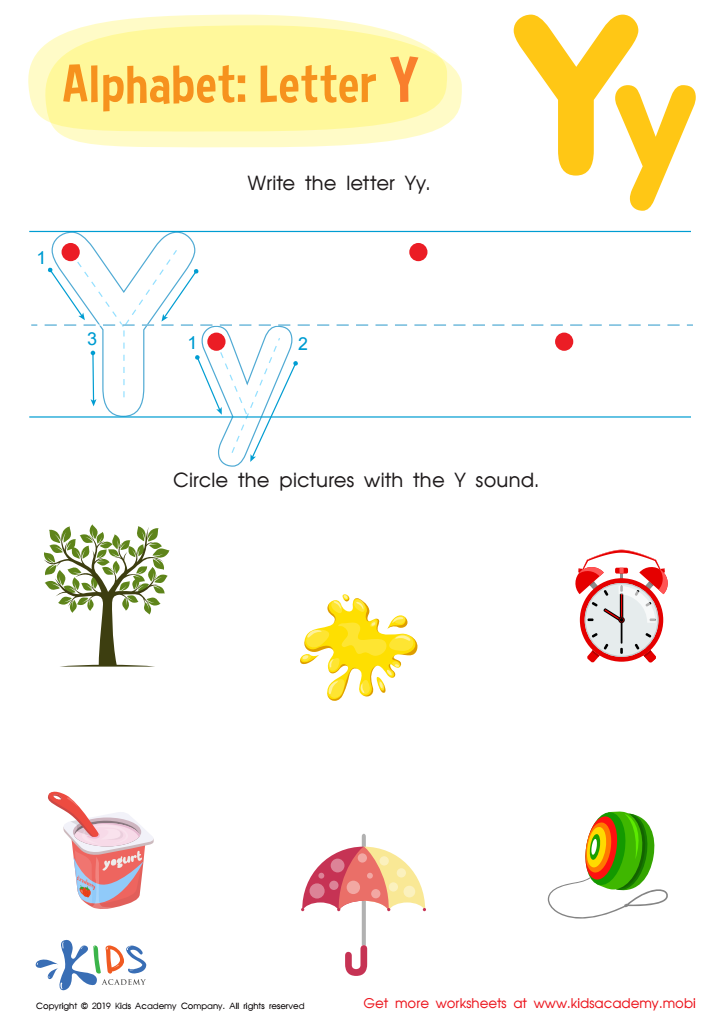
Letter Y Tracing Worksheet
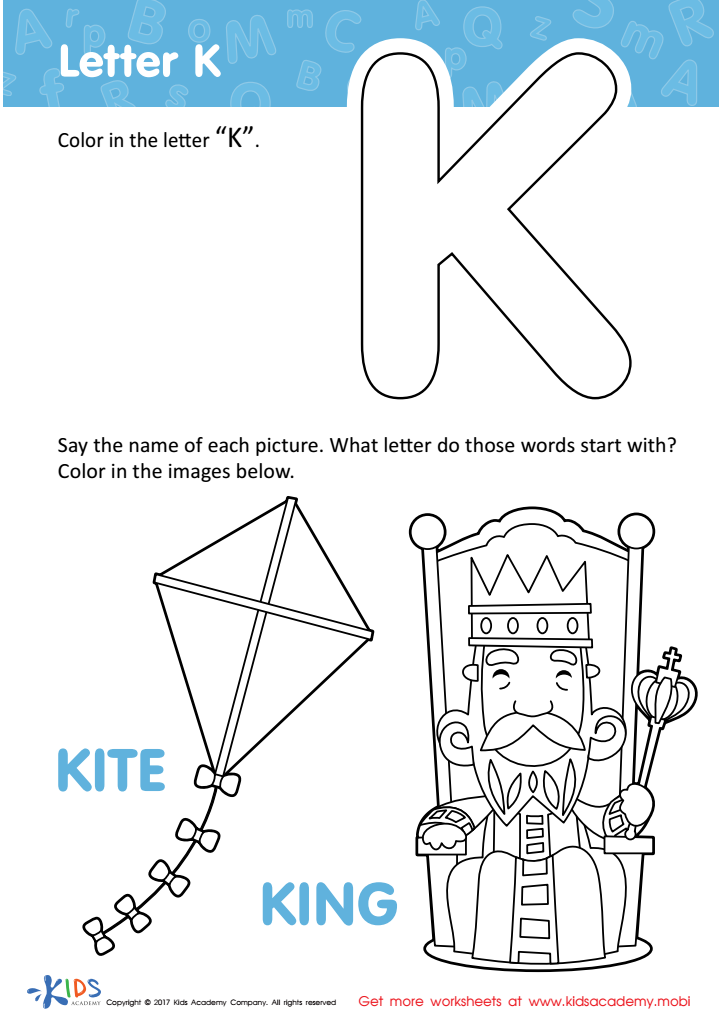
Letter K Coloring Sheet
Assign to My Students
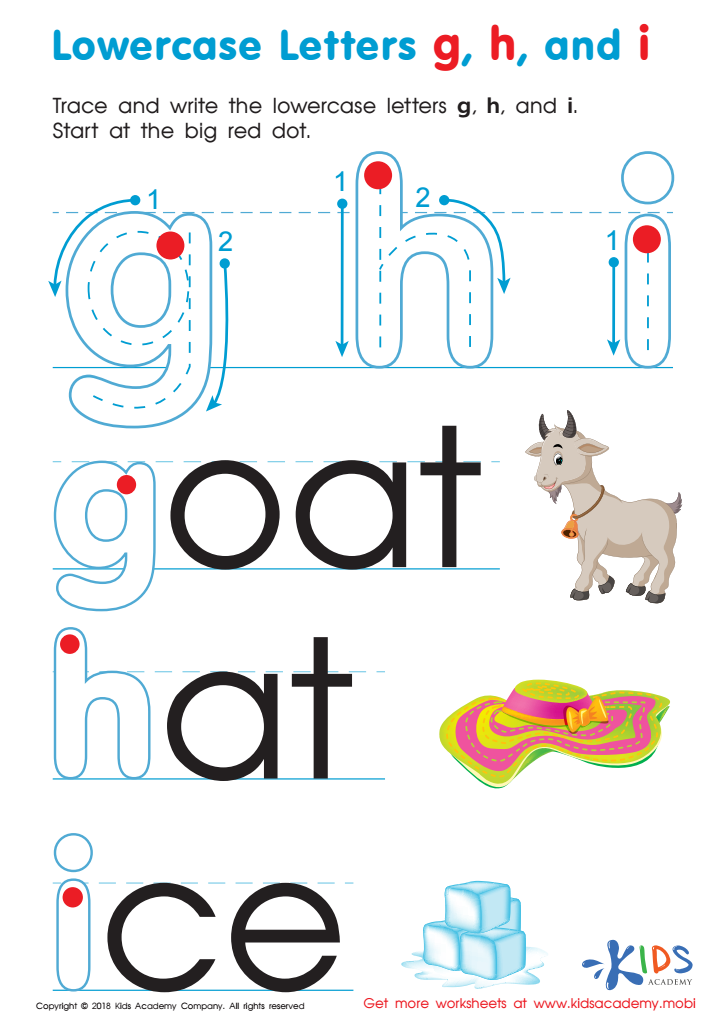
Lowercase Letters g h i Worksheet
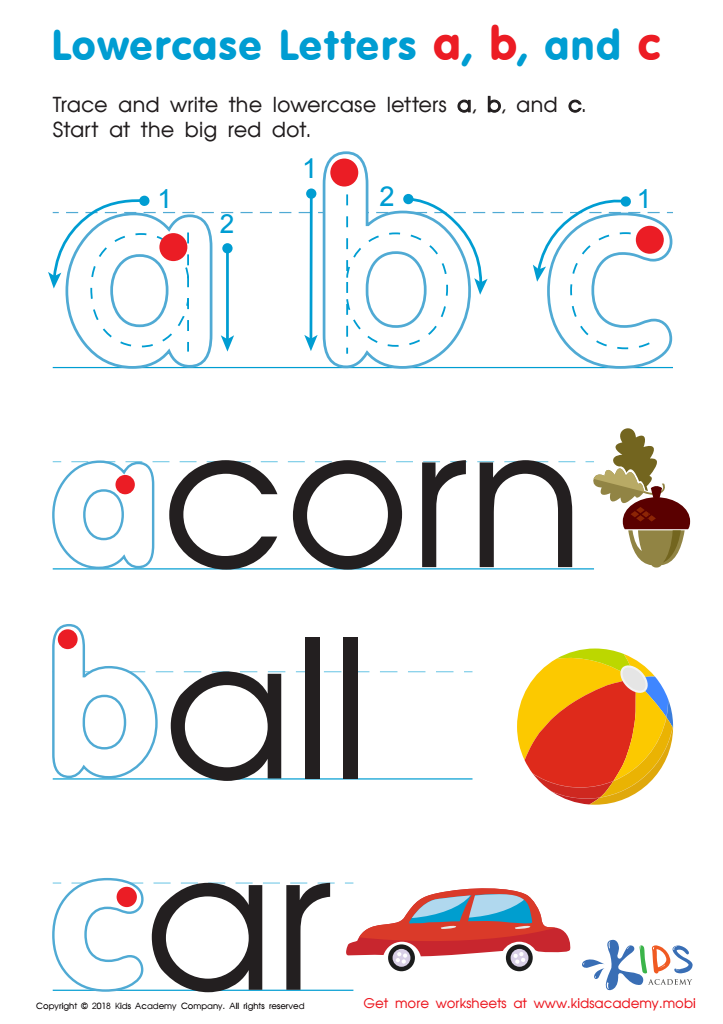
Lowercase Letters a b c Worksheet
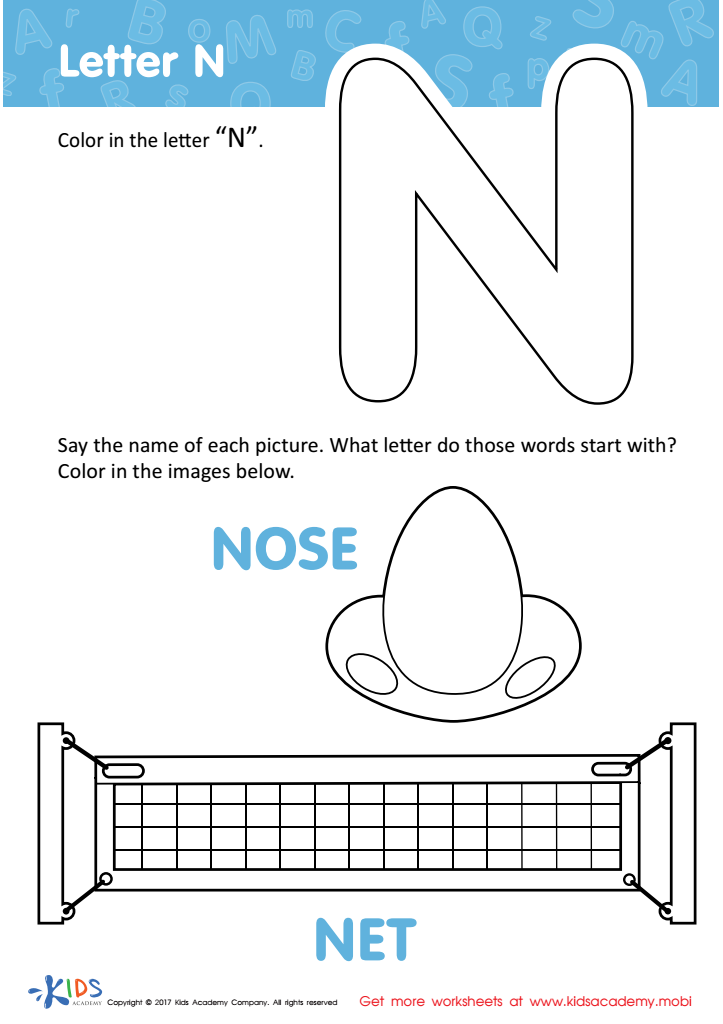
Letter N Coloring Sheet
Assign to My Students
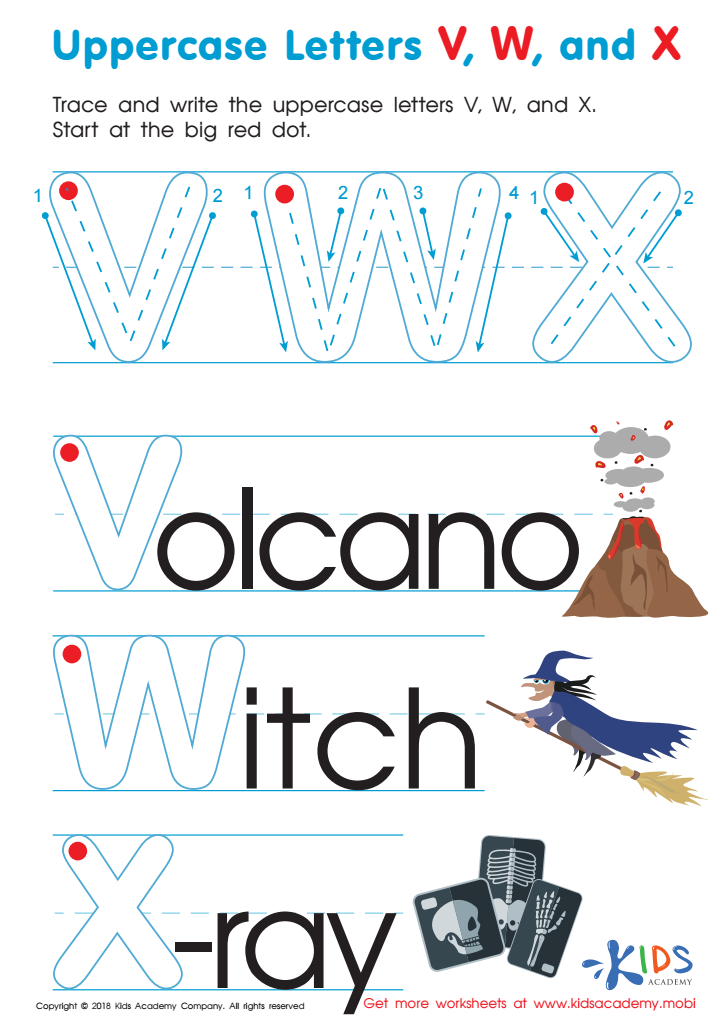
Uppercase Letters V, W, and X Worksheet








Handwriting practice and letter recognition are essential components of early childhood education, particularly for 5-year-olds embarking on their literacy journey. At this age, children are developing fine motor skills, crucial for tasks involving coordination, such as writing. Encouraging handwriting practice not only strengthens these muscles but improves hand-eye coordination, which benefits overall agility and dexterity.
Moreover, letter recognition is foundational for reading and writing. When children can identify letters, they begin to understand that each letter corresponds to sounds and forms words. Mastery of letter recognition empowers children to decode text, fostering reading confidence and comprehension skills as they progress in their education.
By focusing on handwriting and letter recognition, parents and teachers can create a solid groundwork for future literacy development. Engaging children in fun activities like tracing letters or using creative mediums such as sand or playdough cultivates enthusiasm for learning. These foundational skills not only enhance academic performance but also build the confidence that children need to express their ideas.
In summary, prioritizing handwriting practice and letter recognition lays the groundwork for success in reading and writing, ultimately nurturing a love for learning that lasts a lifetime.







