Handwriting Skills Letter Recognition Worksheets for 5-Year-Olds
10 filtered results
-
From - To
Discover our engaging Handwriting Skills and Letter Recognition Worksheets designed specifically for 5-year-olds! These interactive resources help young learners master the alphabet through fun and educational activities. Each worksheet focuses on letter recognition while promoting fine motor skills and proper handwriting techniques. Children will enjoy tracing letters, identifying both uppercase and lowercase forms, and developing essential language skills in an enjoyable way. Ideal for preschool and kindergarten settings, our worksheets boost confidence and foundational knowledge, making learning to write an exciting adventure. Download your free worksheets today and watch your child's handwriting and letter recognition abilities flourish!
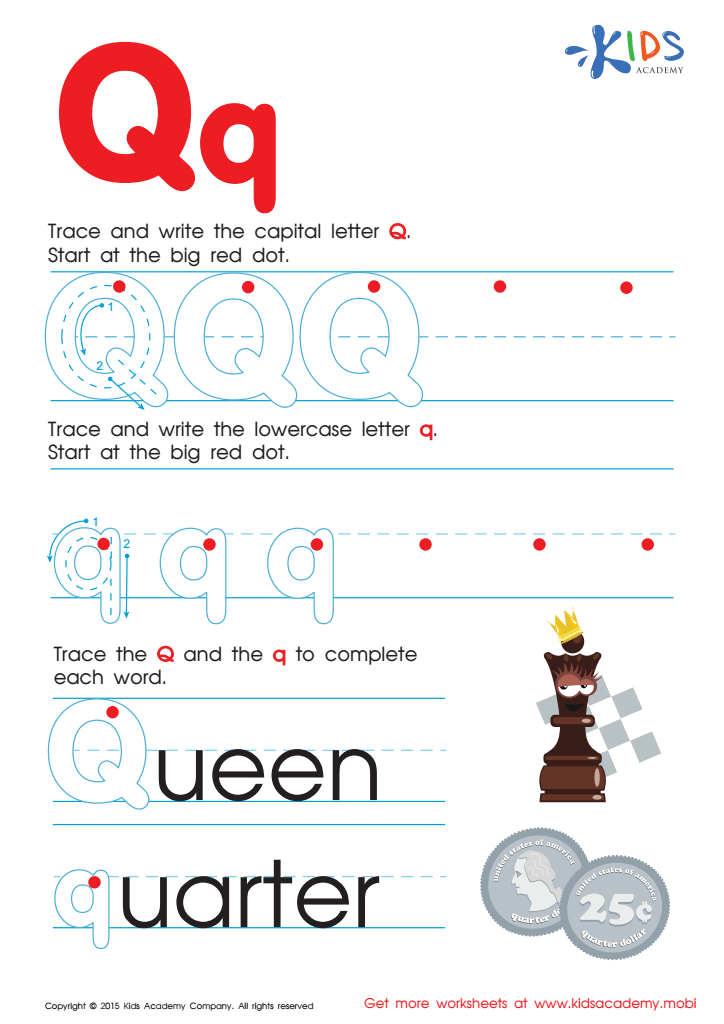
Letter Q Tracing Page
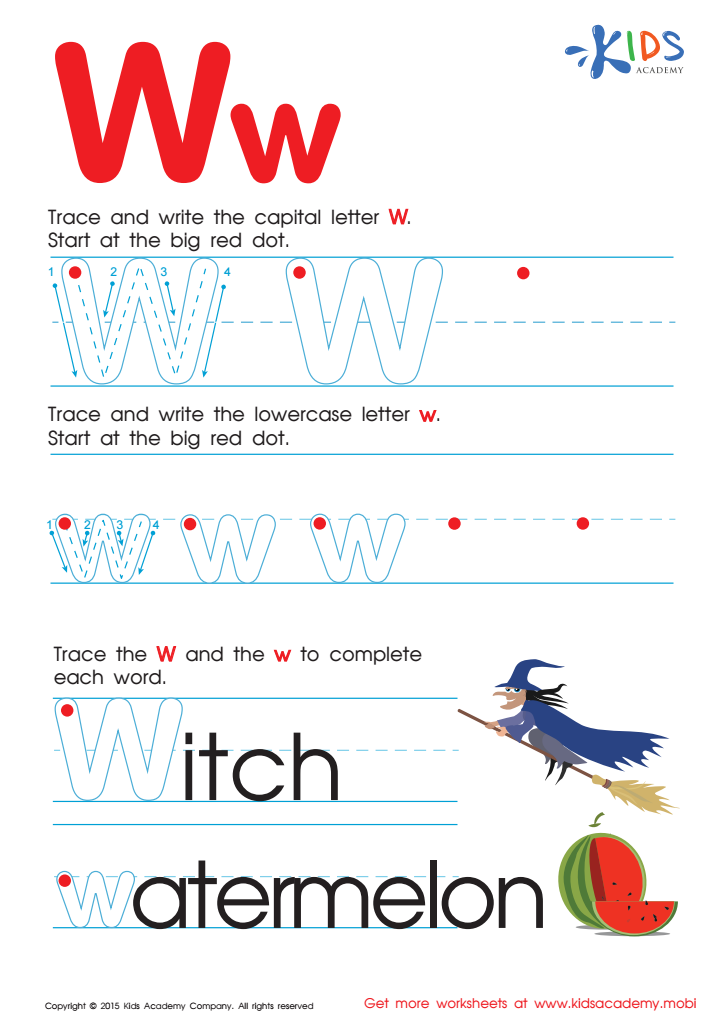
Letter W Tracing Page
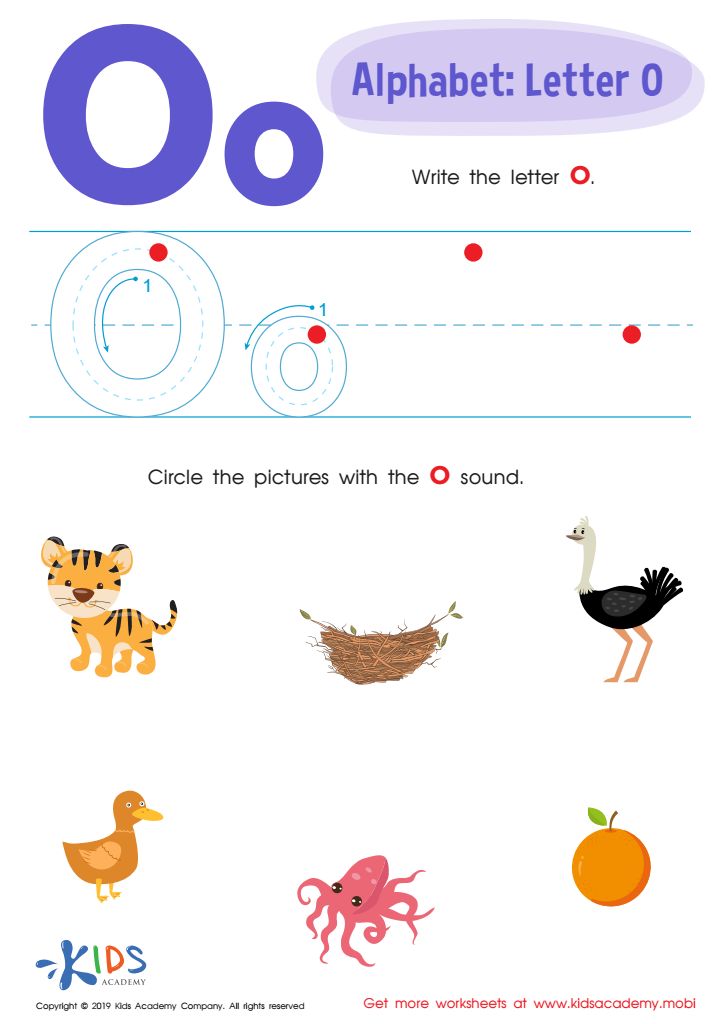
Letter O Tracing Worksheet
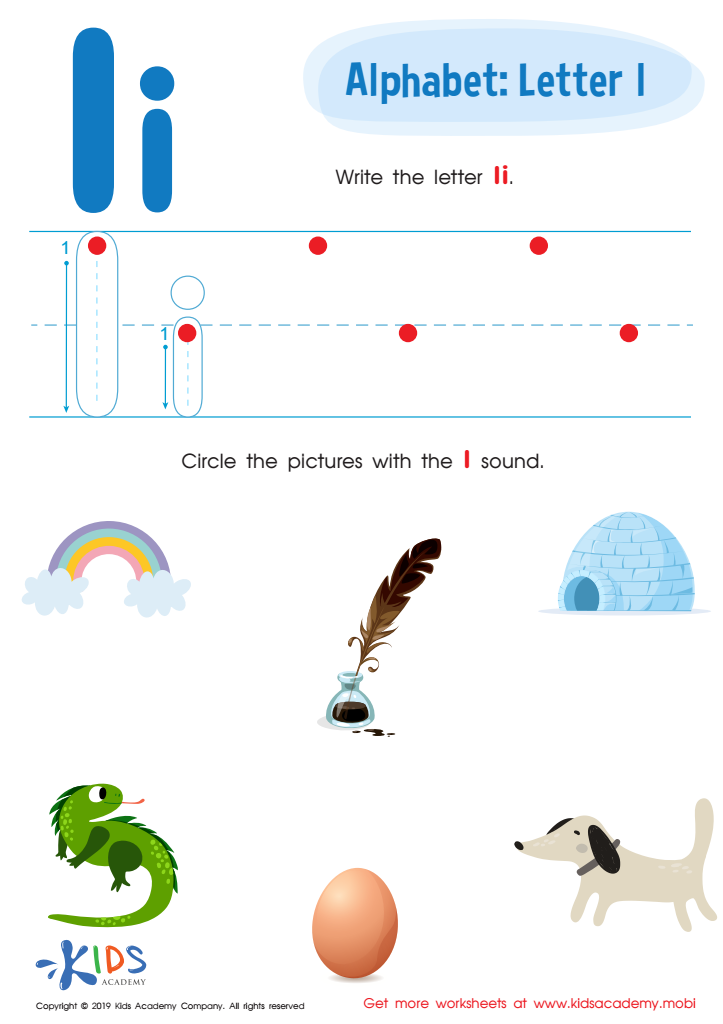
Letter I Tracing Worksheet
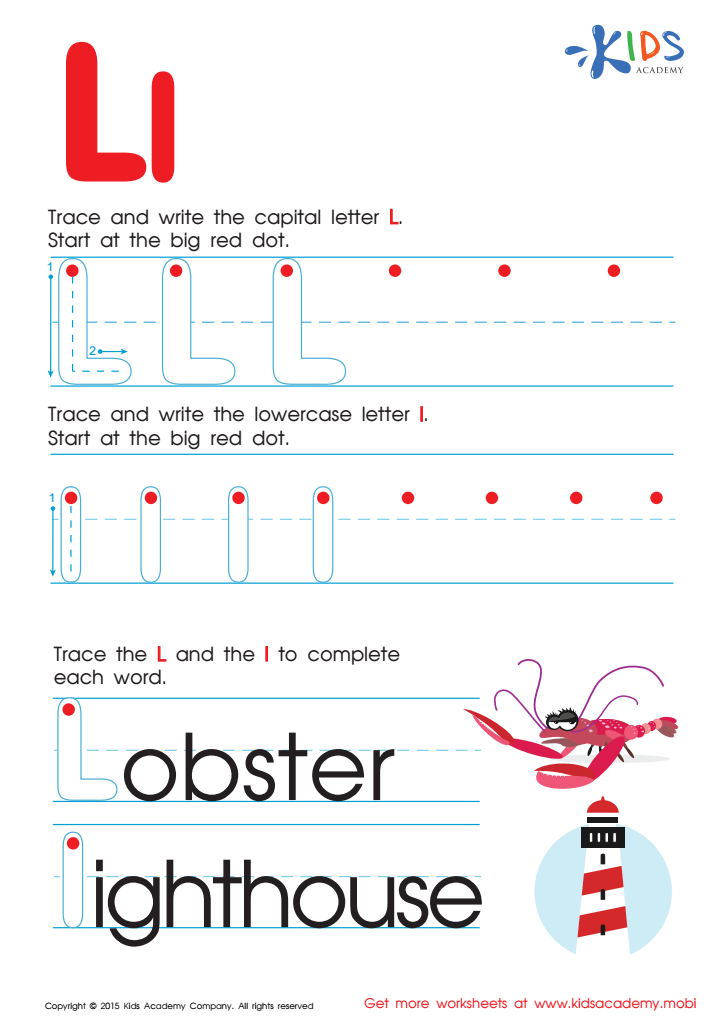
Letter L Tracing Page
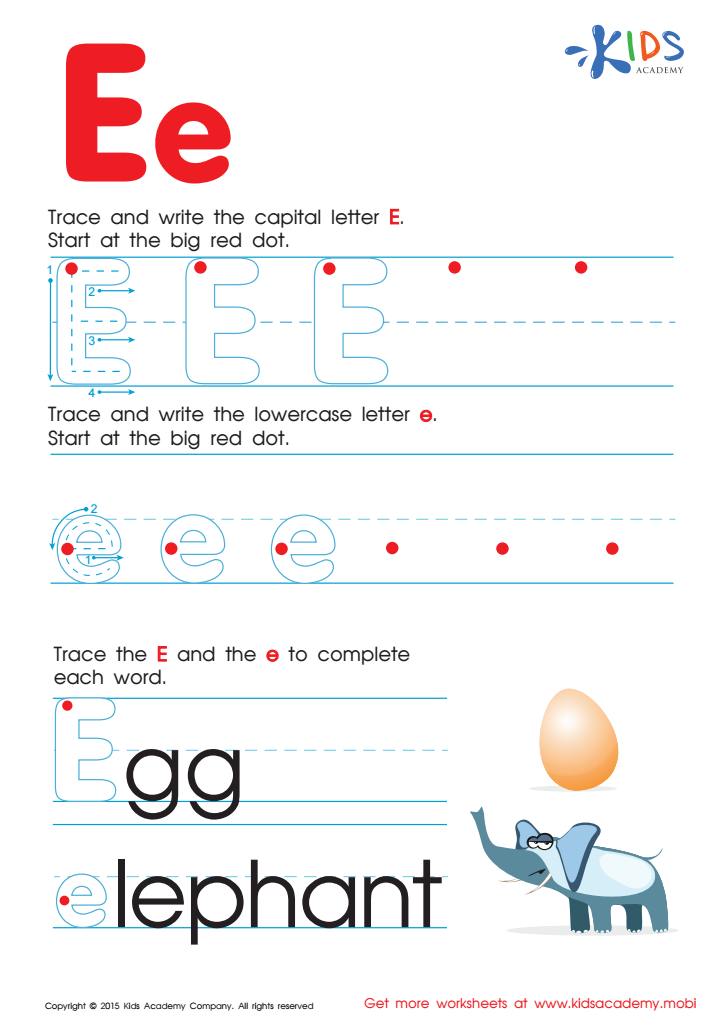
Letter E Tracing Page
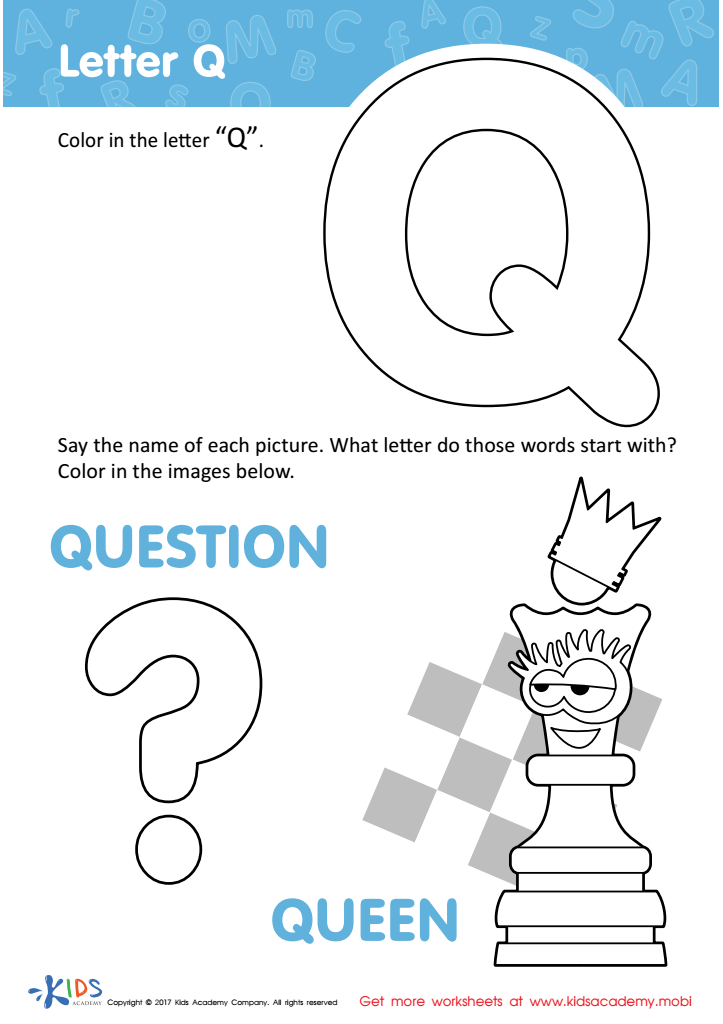
Letter Q Coloring Sheet
 Assign to My Students
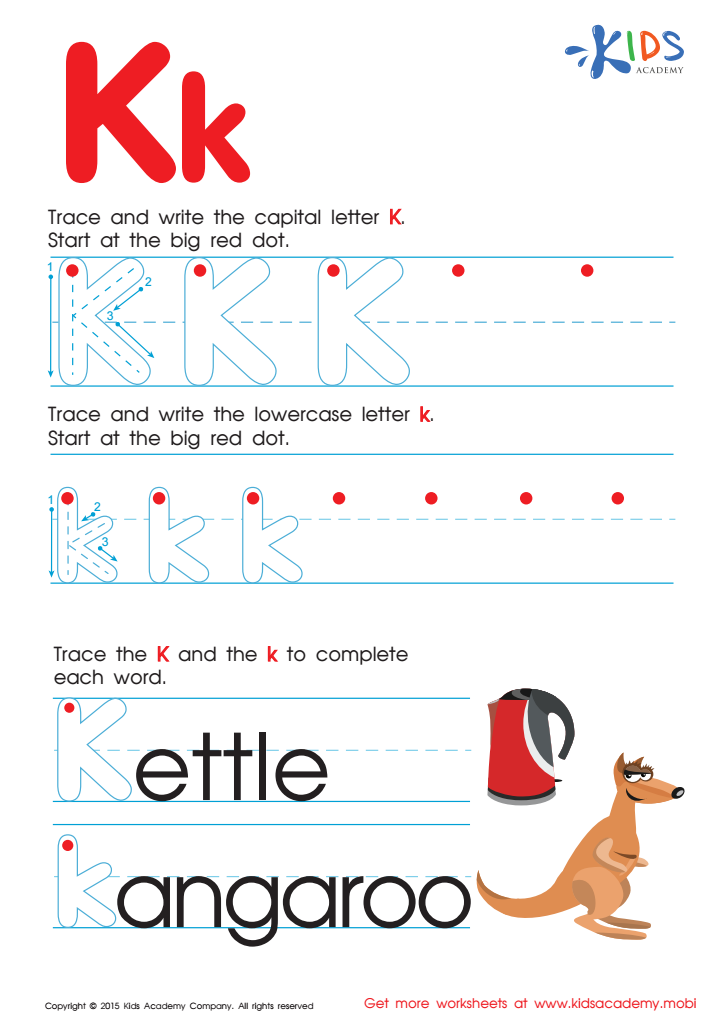
Letter K Tracing Page
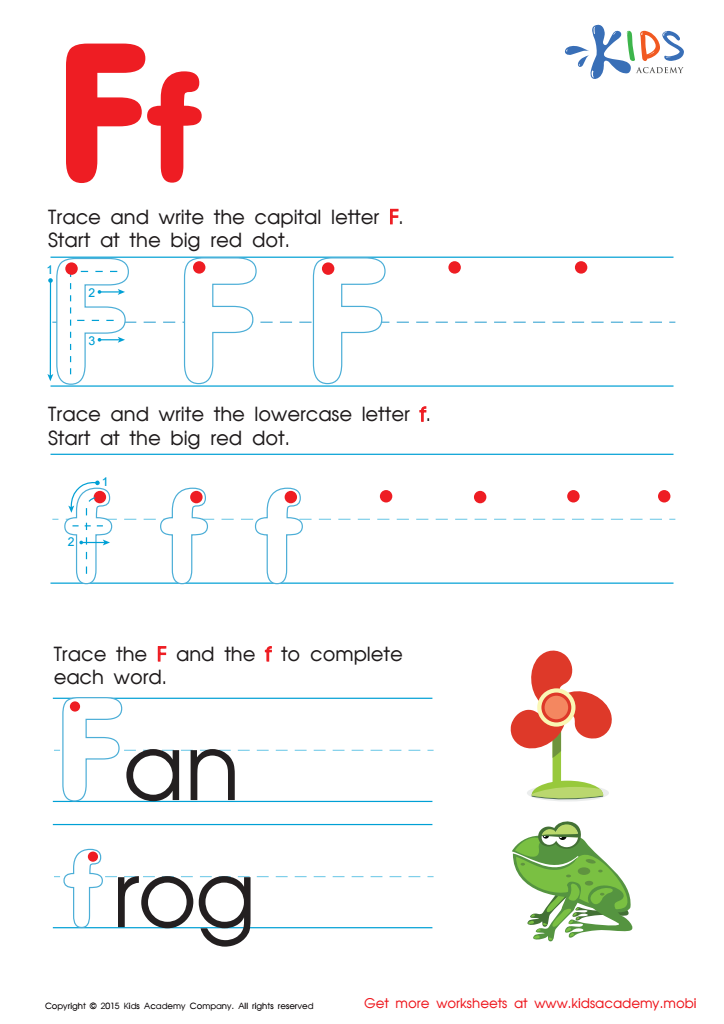
Letter F Tracing Page
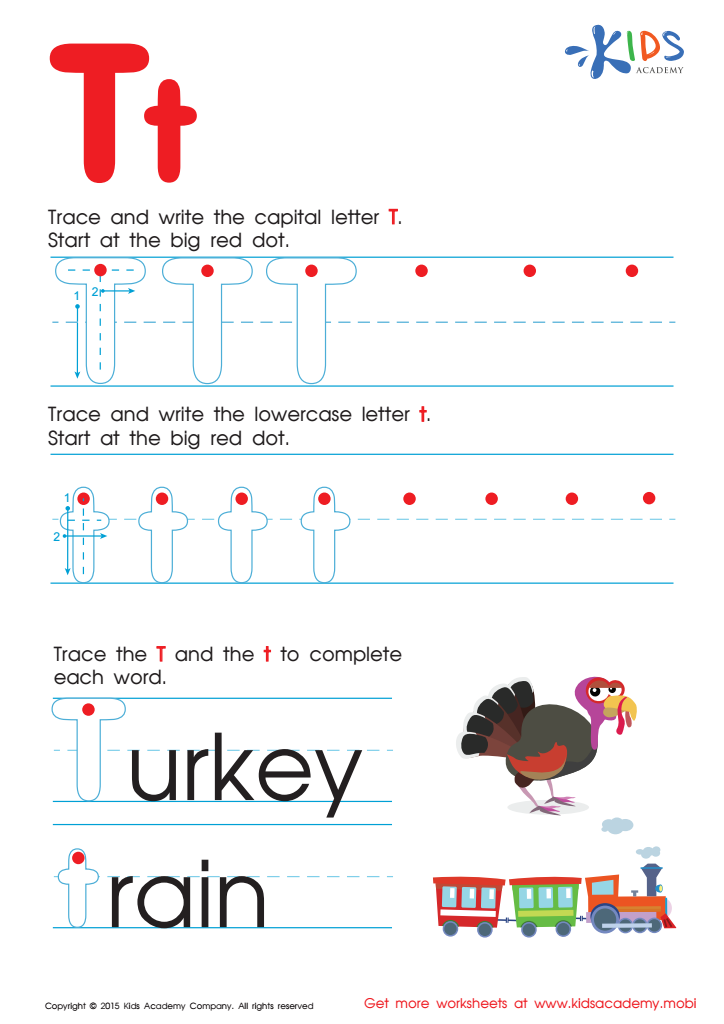
Letter T Tracing Page








Handwriting skills and letter recognition are foundational elements of early childhood education, playing a crucial role in a child's academic and cognitive development. At age 5, children are beginning to develop fine motor skills and the cognitive ability to recognize letters, which are essential for reading and writing. Handwriting helps reinforce motor memory, enabling kids to recall shapes and sounds associated with each letter, thereby strengthening their literacy skills.
Furthermore, proficiency in handwriting can boost a child's confidence in their academic abilities. It encourages self-expression; when children can write legibly, they are more likely to share their thoughts and stories. Handwriting skills also foster focus and discipline, as children learn to control their movements and organize their thoughts on paper.
Parents and teachers should prioritize these skills because early intervention can prevent future difficulties. Children who struggle with writing and letter recognition in kindergarten may fall behind in later grades, causing a ripple effect on their overall learning journey. By actively engaging in promoting nice handwriting and letter recognition, parents and teachers create a supportive environment that boosts literacy, encourages creativity, and lays a strong foundation for lifelong learning. Investing in these skills today is an investment in a child's future success.







