Sound Association Letter Sounds Worksheets for 5-Year-Olds
16 filtered results
-
From - To
Explore our engaging Sound Association Letter Sounds Worksheets designed specifically for 5-year-olds! These interactive resources help young learners develop essential phonetic skills by associating letters with corresponding sound patterns. Each worksheet features fun illustrations and activities that encourage children to identify and connect sounds with their respective letters, boosting their reading readiness. Ideal for classroom or at-home learning, our worksheets provide a colorful and stimulating way for kids to reinforce their understanding of the alphabet. Watch as your child builds confidence in their reading abilities while enjoying the process! Start their literacy journey with our easy-to-use worksheets today!
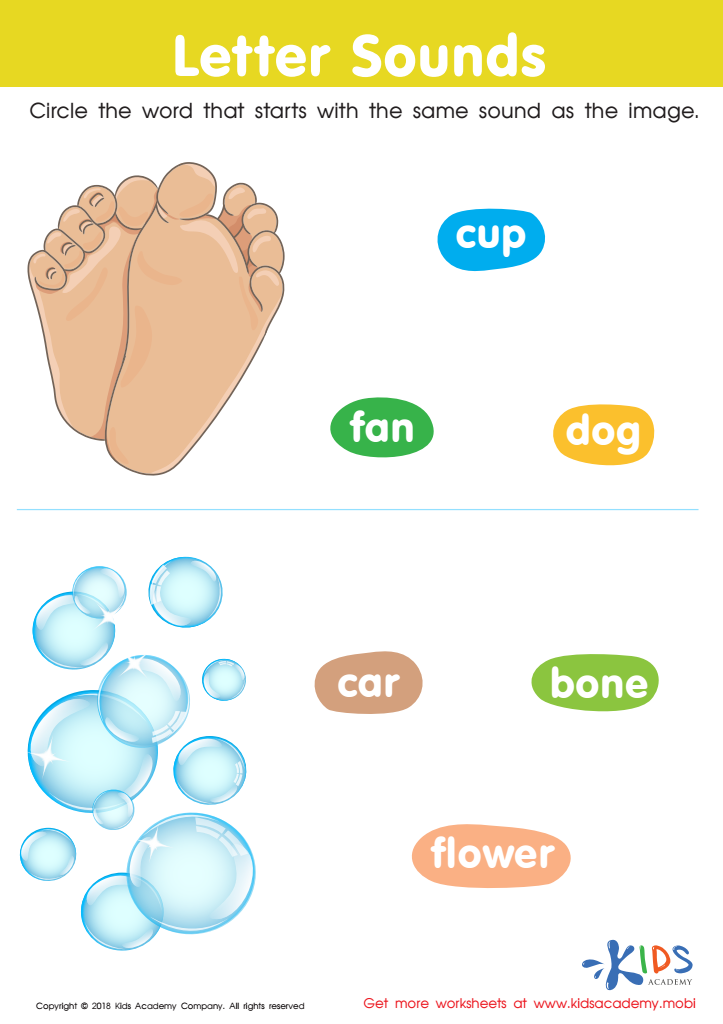
letter sounds Worksheet
 Assign to My Students
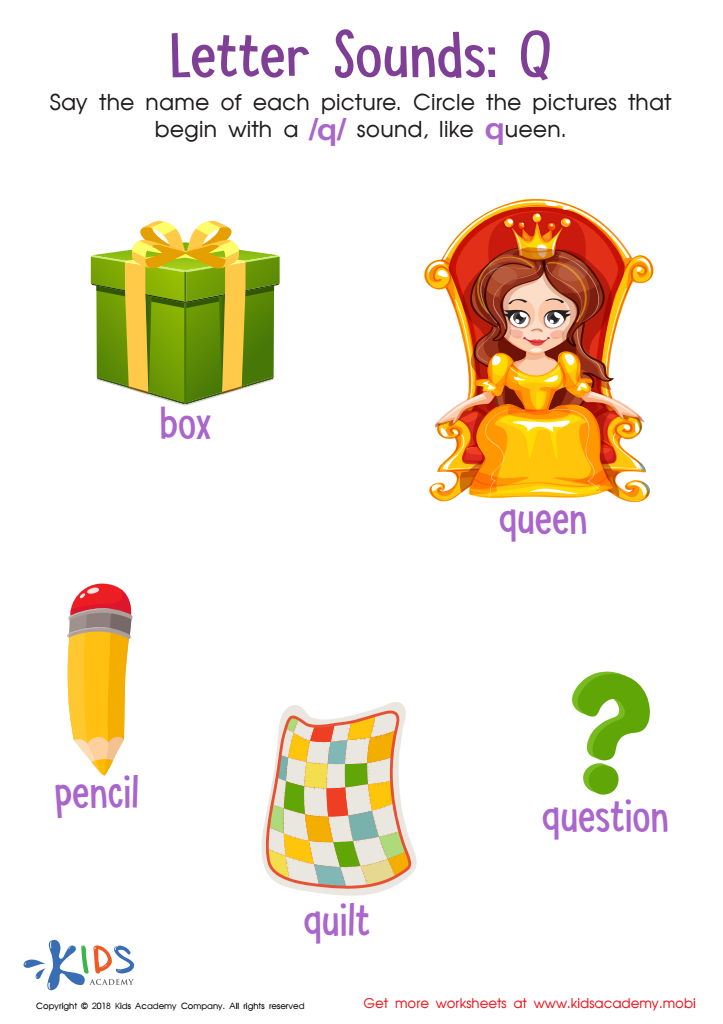
Letter Q Sounds Worksheet
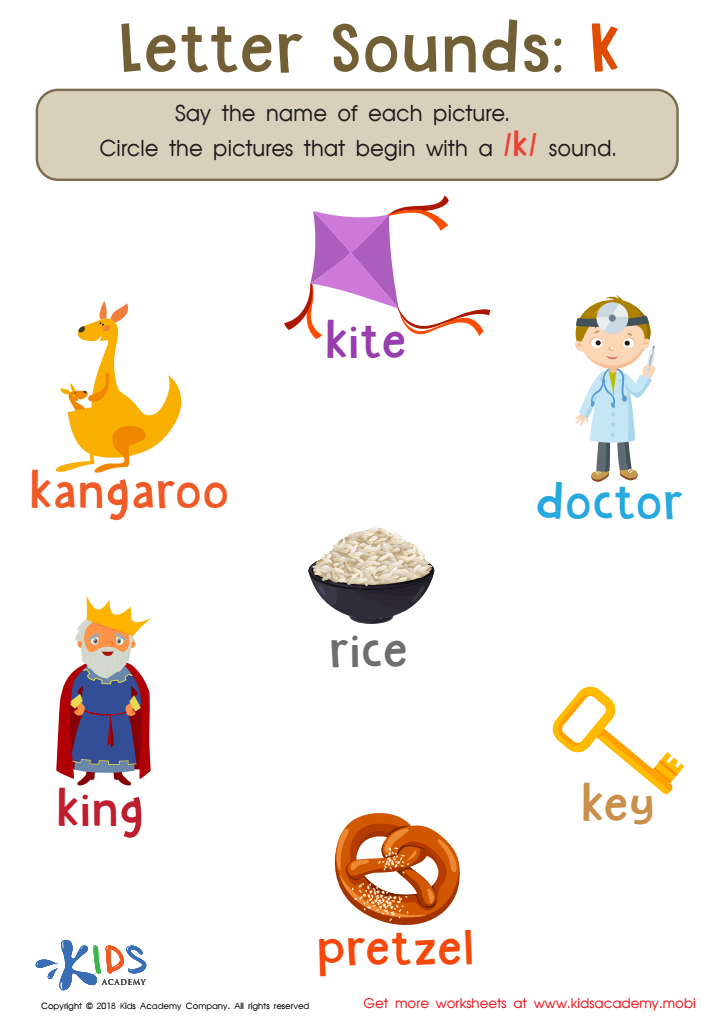
Letter K Sounds Worksheet
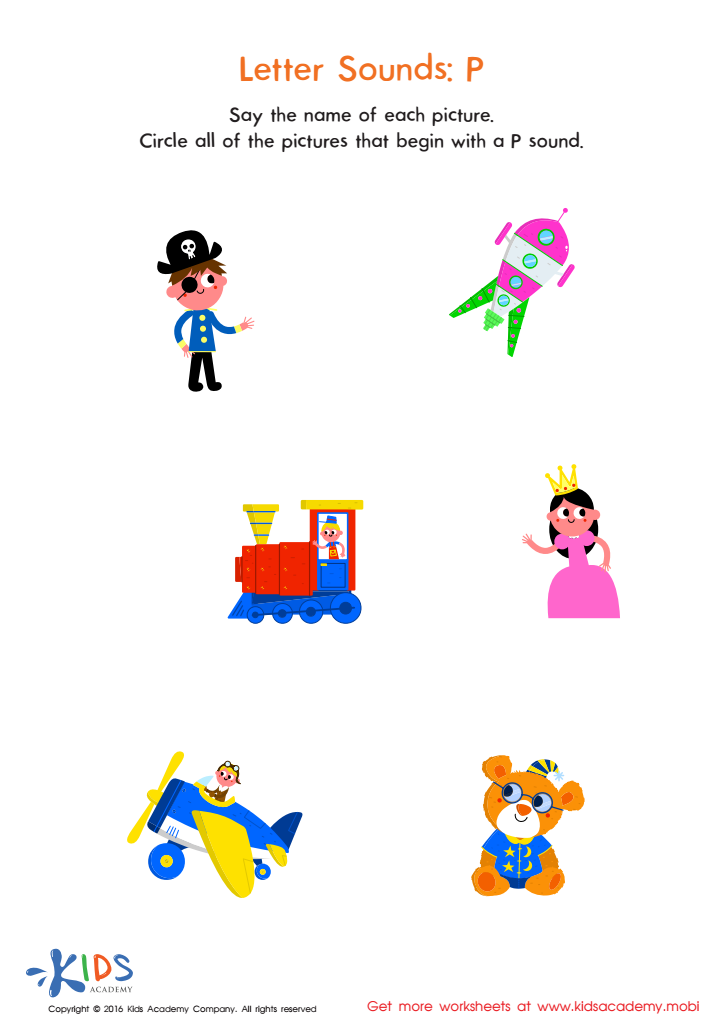
Letter P Sound Worksheet
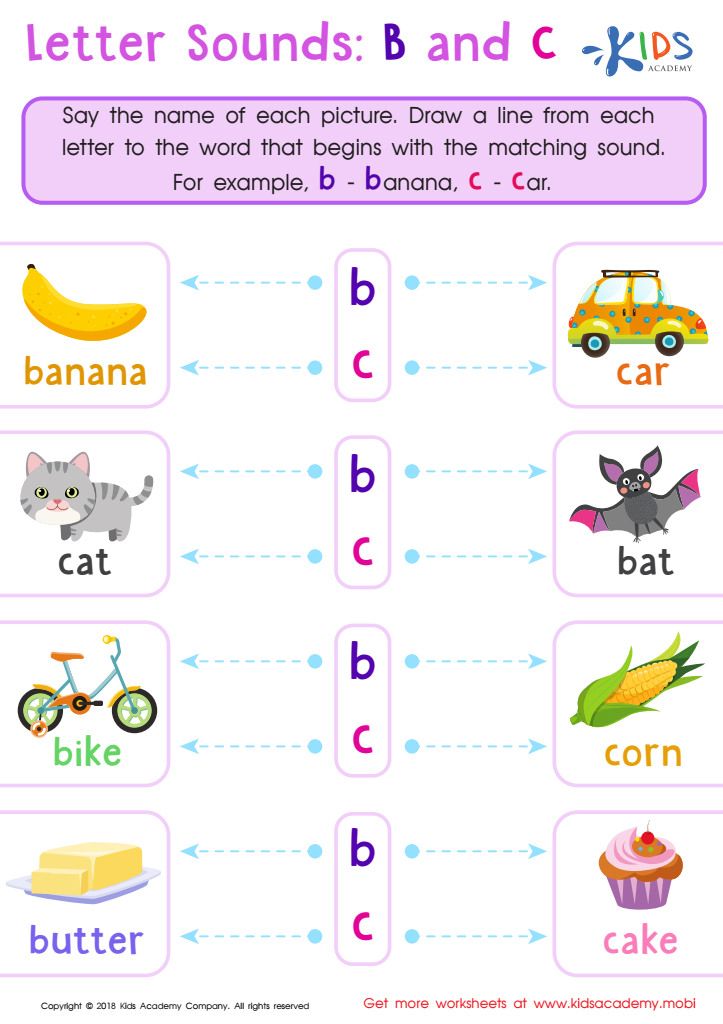
Letter B and C Sounds Worksheet
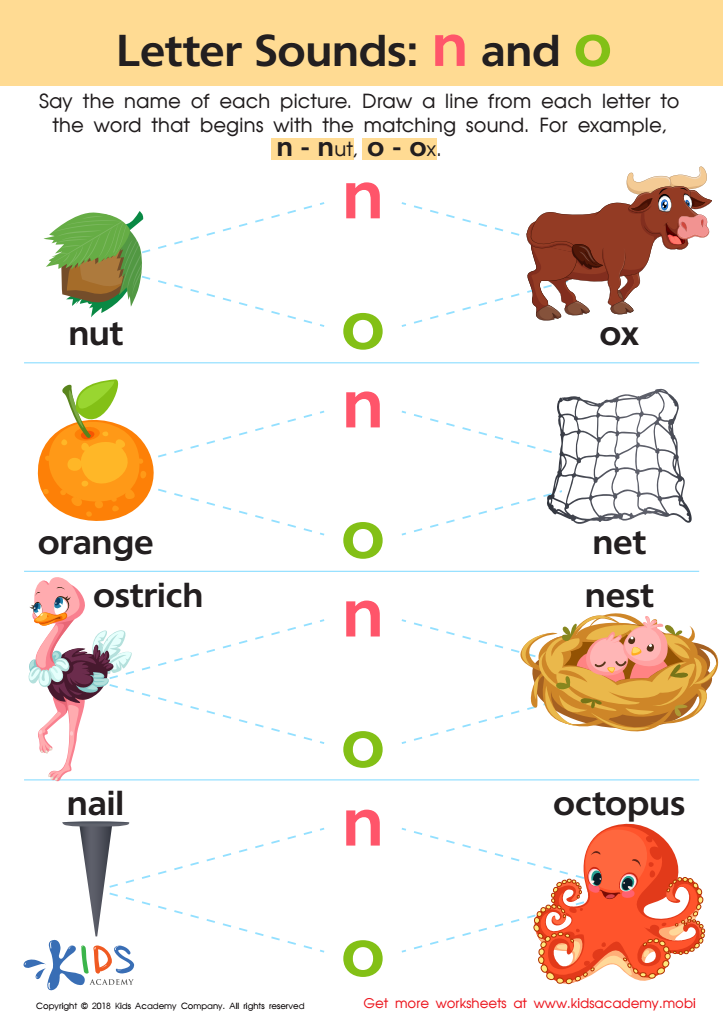
Letter N and O Sounds Worksheet
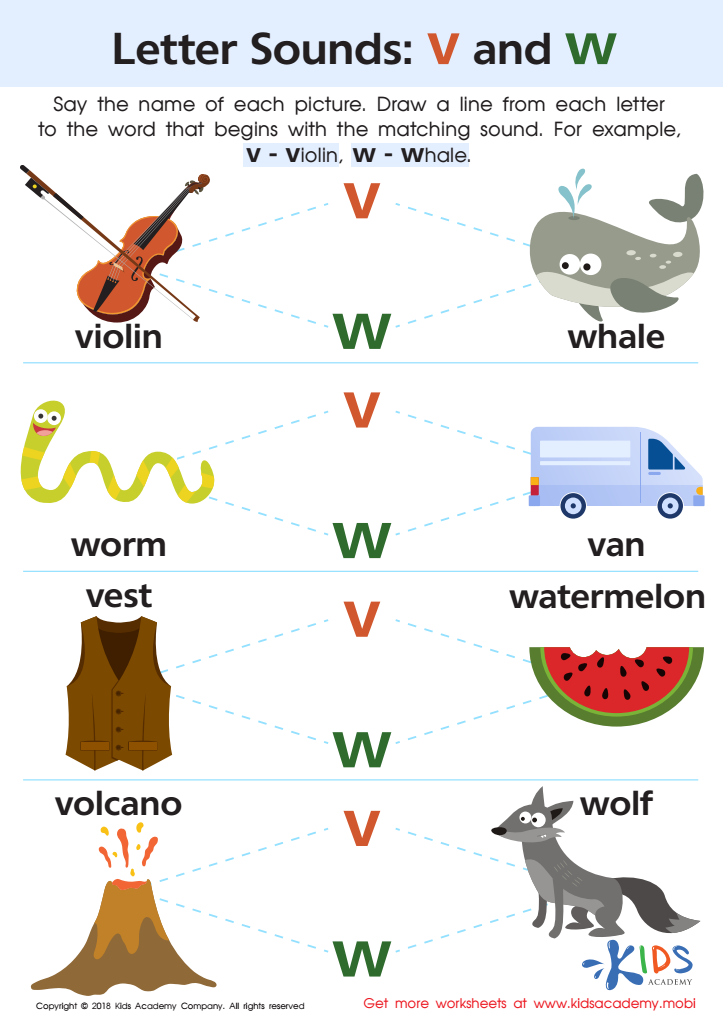
Letter V and W Sounds Worksheet
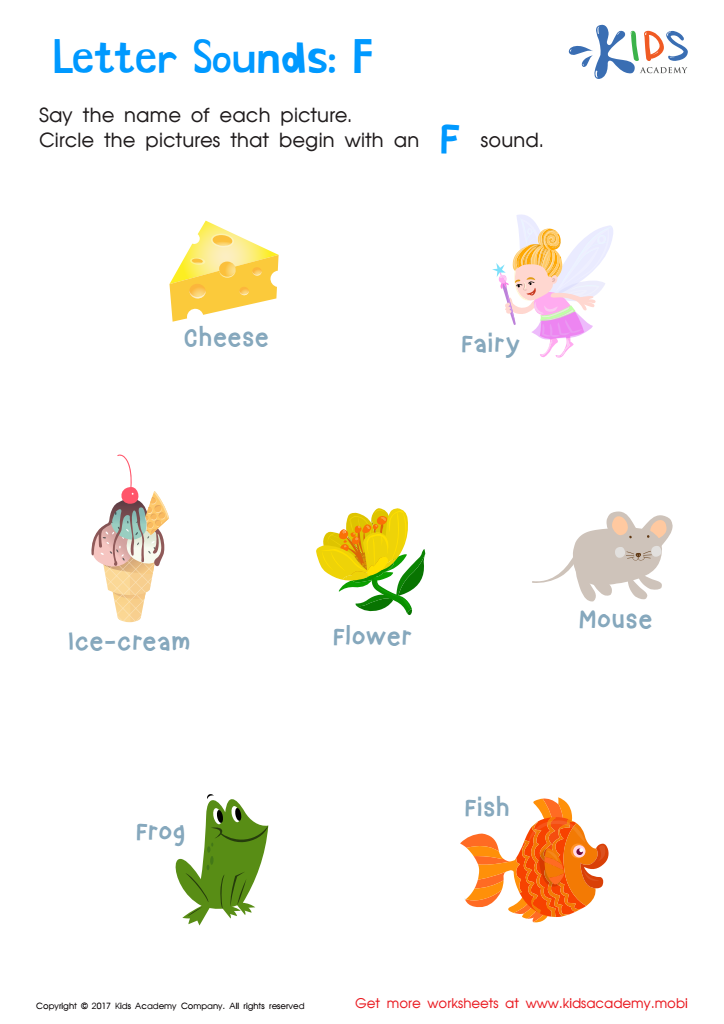
Letter F Sounds Worksheet
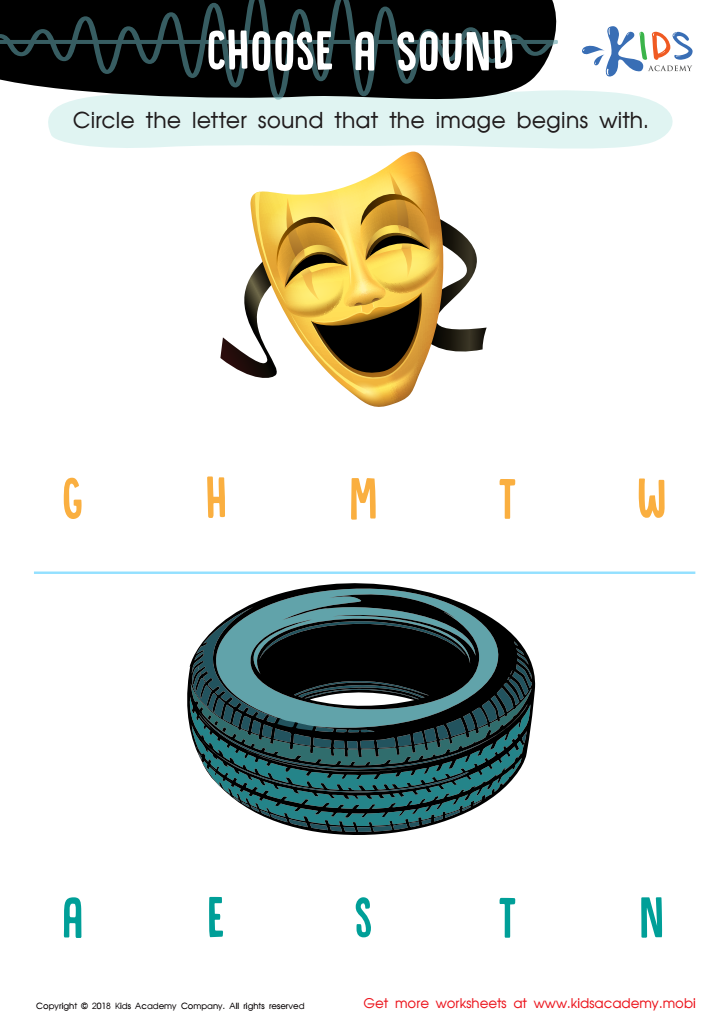
Choose a Sound Worksheet
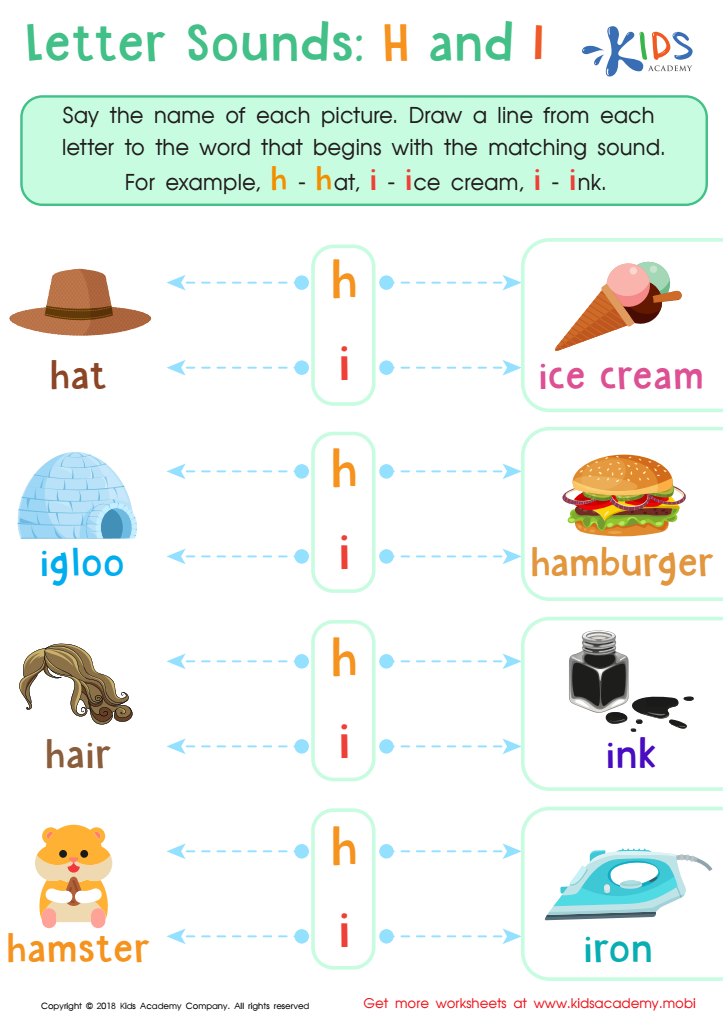
Letter H and I Sounds Worksheet
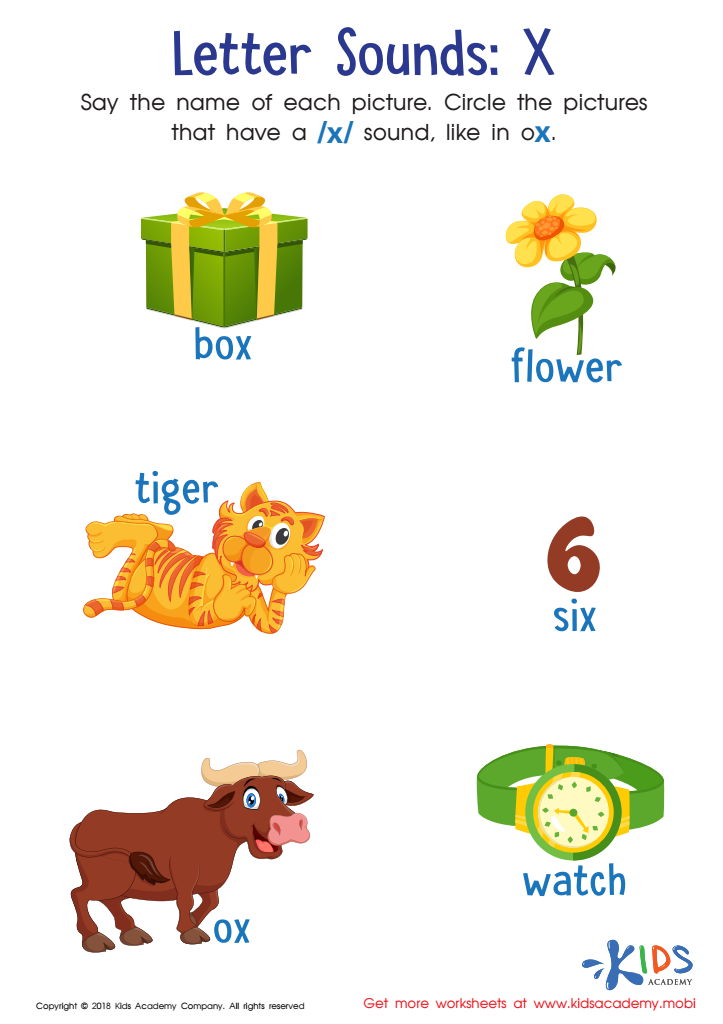
Letter X Sounds Worksheet
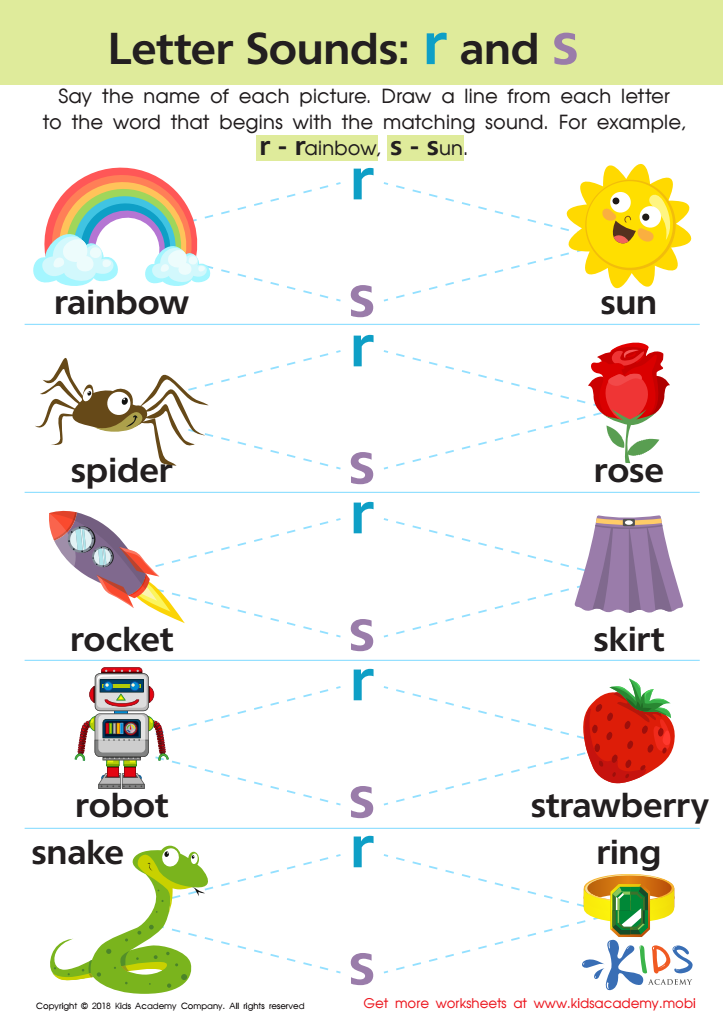
Letter R and S Sounds Worksheet
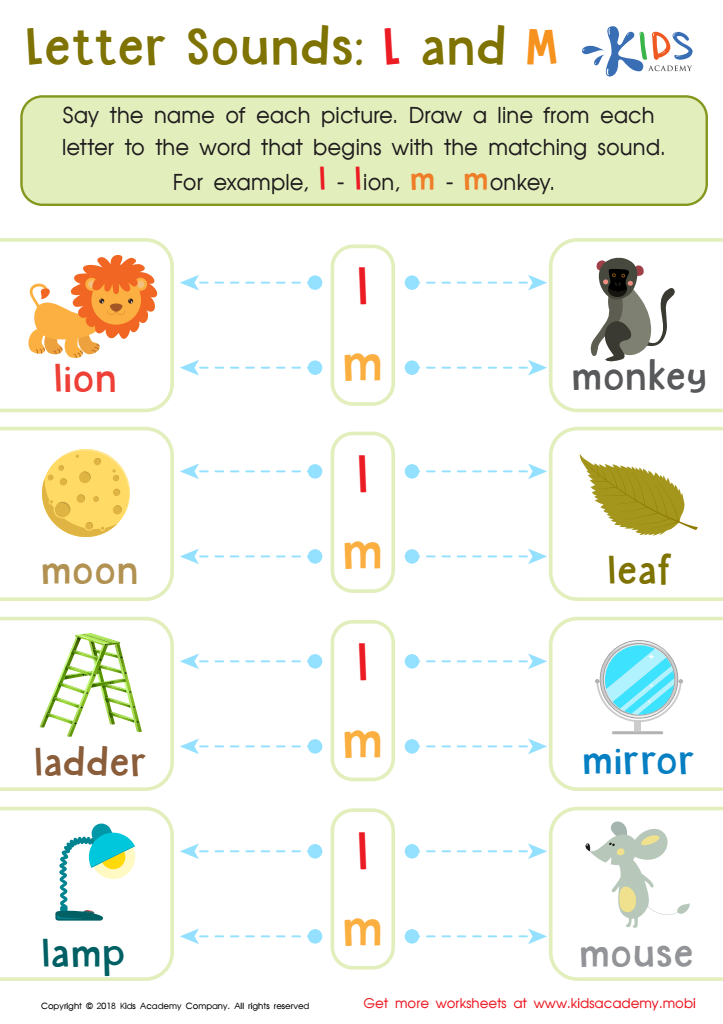
Letter l and M Sounds Worksheet
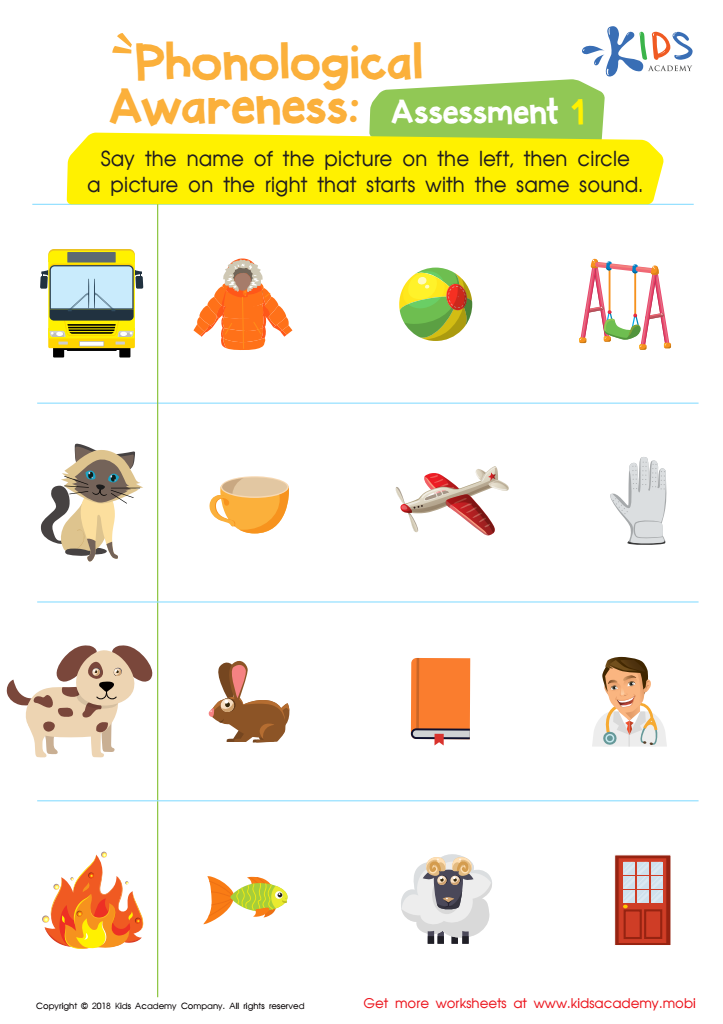
Phonological Awareness: Assessment 1 Worksheet
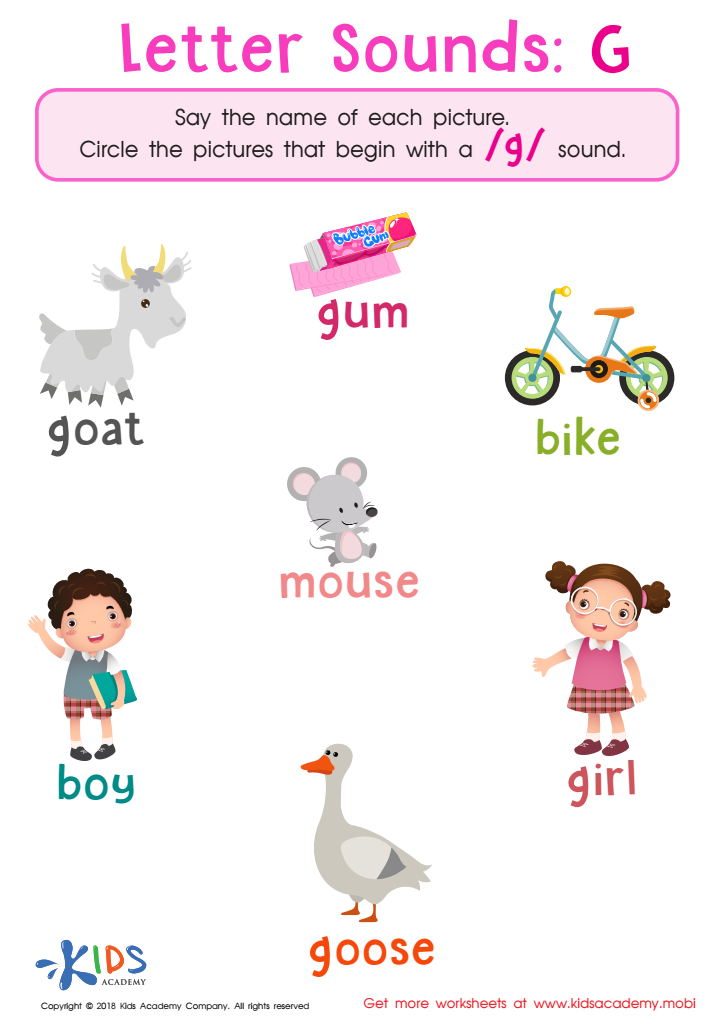
Letter G Sounds Worksheet
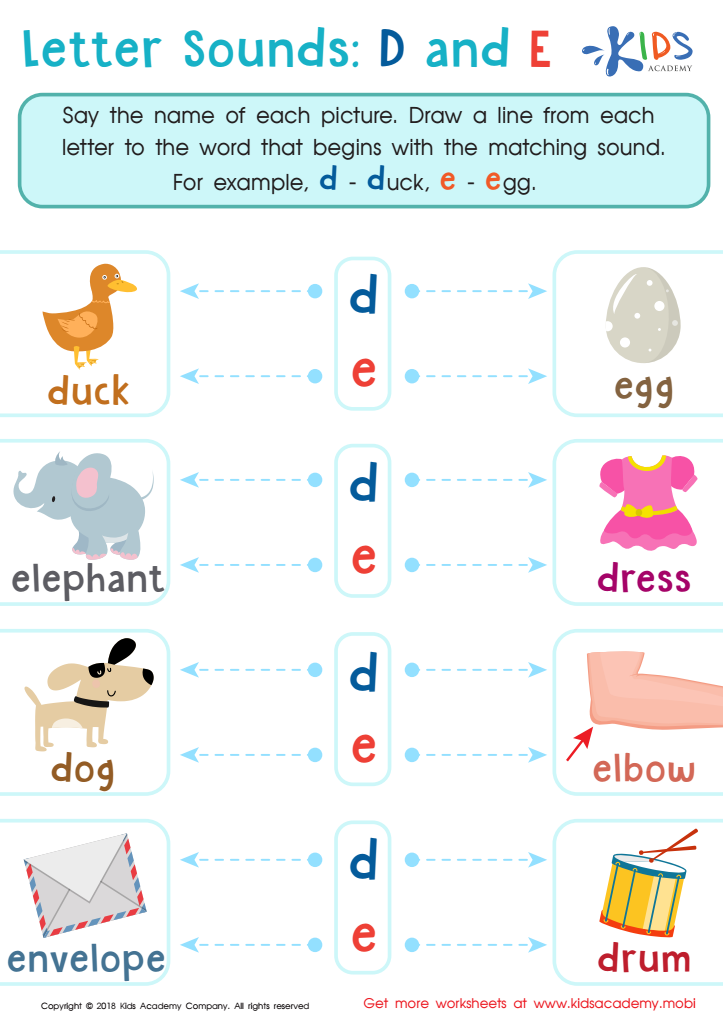
Letter D and E Sounds Worksheet








Understanding sound association and letter sounds is crucial for 5-year-olds as they lay the foundation for literacy skills. At this age, children are naturally curious and actively developing their language abilities. When parents or teachers focus on sound-letter associations, they help children recognize and connect the sounds in words to their corresponding letters. This foundational skill promotes phonemic awareness, which is essential for reading and writing.
Supporting young learners in mastering letter sounds enables them to decode words, which fosters reading fluency. The ability to sound out letters and combine them to form words equips children with the tools they need to become confident readers. Moreover, this skill enhances their vocabulary and spelling abilities, paving the way for more complex literacy skills in the future.
Furthermore, engaging children in activities that involve sound association can promote a positive attitude toward learning and literacy. It encourages problem-solving, critical thinking, and communication skills. Lastly, involving parents and teachers in this process fosters a strong home-school partnership, emphasizing literacy as a community effort, and ultimately ensures that children develop a lifelong love for reading and learning. By prioritizing sound association groups, adults set the stage for their children’s academic success.







