Phonics Skills Phonics Worksheets for 5-Year-Olds - Page 2
26 filtered results
-
From - To
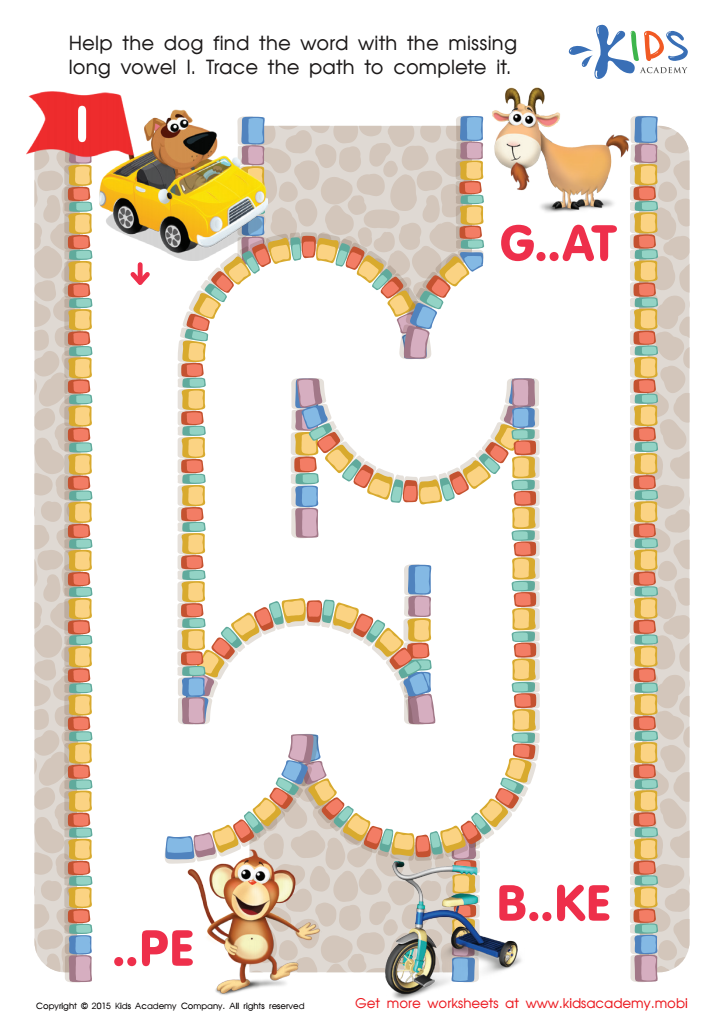
Long Vowel Sound I Worksheet
 Assign to My Students
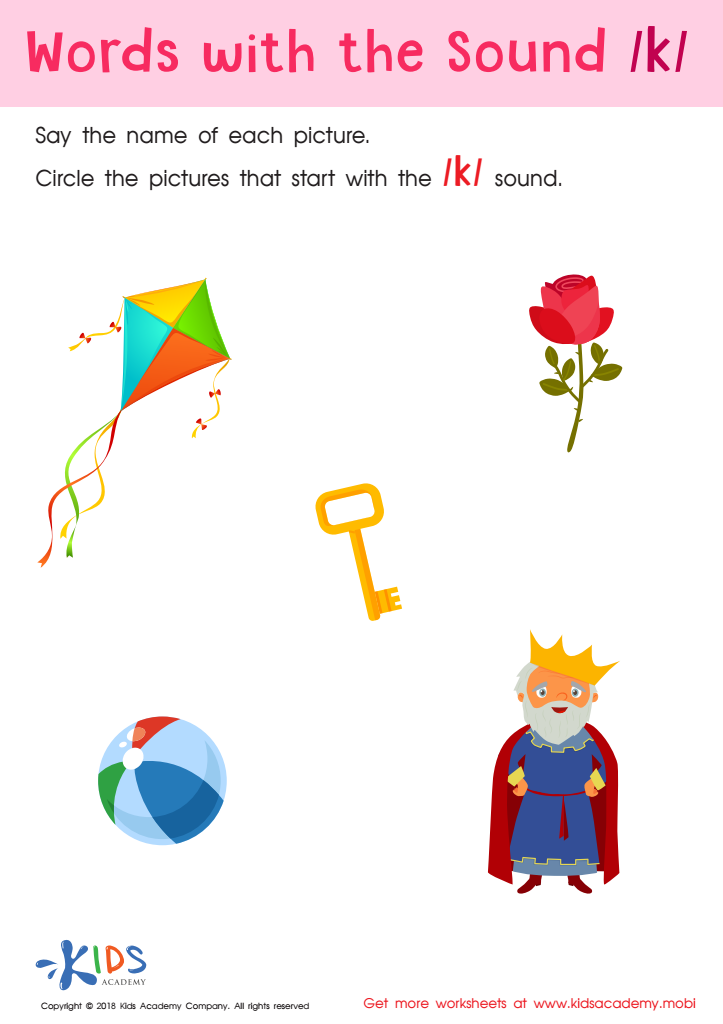
Words with sound k Reading Worksheet








Phonics skills are crucial for 5-year-olds as they lay the foundation for reading and writing. At this developmental stage, children are starting to make connections between sounds and letters, which is essential for literacy. By understanding phonics, children learn to decode words, enabling them to read independently and with confidence.
Developing phonics skills also enhances vocabulary and spelling abilities. Children who grasp phonemic awareness—recognizing and manipulating sounds—can better comprehend text, leading to improved communication skills. Importantly, strong phonics skills set the stage for academic success across subjects; reading competence is tied to performance in math, science, and beyond.
Furthermore, early exposure to phonics provides opportunities for parents and teachers to engage children in fun, effective learning activities. This can cultivate a love for reading and learning, fostering a positive attitude towards school that can last a lifetime.
Ultimately, prioritizing phonics skills is not just about teaching children to read; it’s about equipping them with the essential tools to navigate the world around them successfully. For parents and teachers, investing time and resources into phonics instruction is key to nurturing confident, literate, and engaged young learners.







