Vocabulary development Phonics Worksheets for 5-Year-Olds
13 filtered results
-
From - To
Boost your 5-year-old’s language skills with our Vocabulary Development Phonics Worksheets! Specially crafted to build a strong phonics foundation, these engaging worksheets make learning fun and effective. Each activity focuses on the essential building blocks of reading, including alphabet recognition, sound association, and word formation. Ideal for early readers, these worksheets promote confidence and literacy development through interactive exercises, colorful illustrations, and captivating themes. Give your child the tools they need for successful reading advancement by incorporating our expertly designed phonics worksheets into their daily learning routine. Start enriching their vocabulary today!
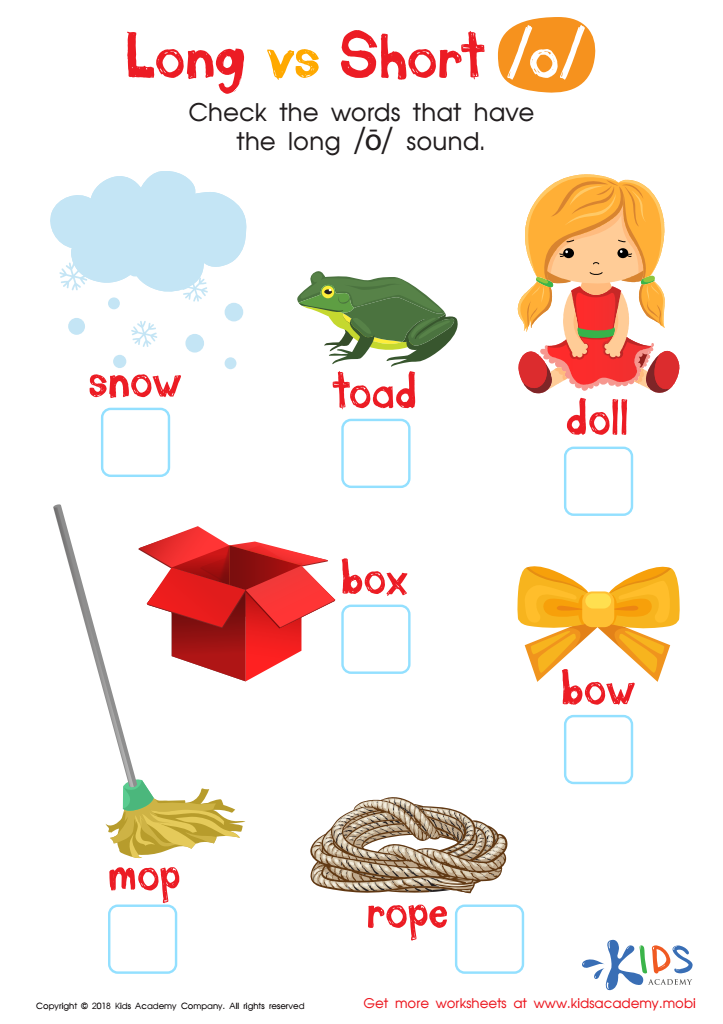
Long vs Short O Reading Worksheet
 Assign to My Students
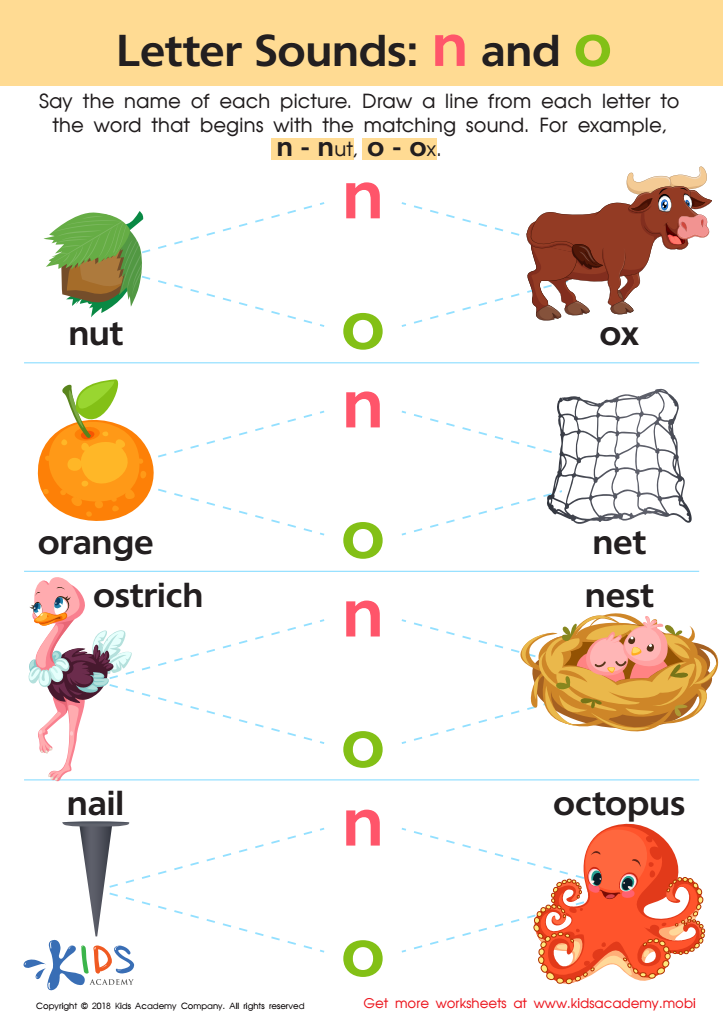
Letter N and O Sounds Worksheet
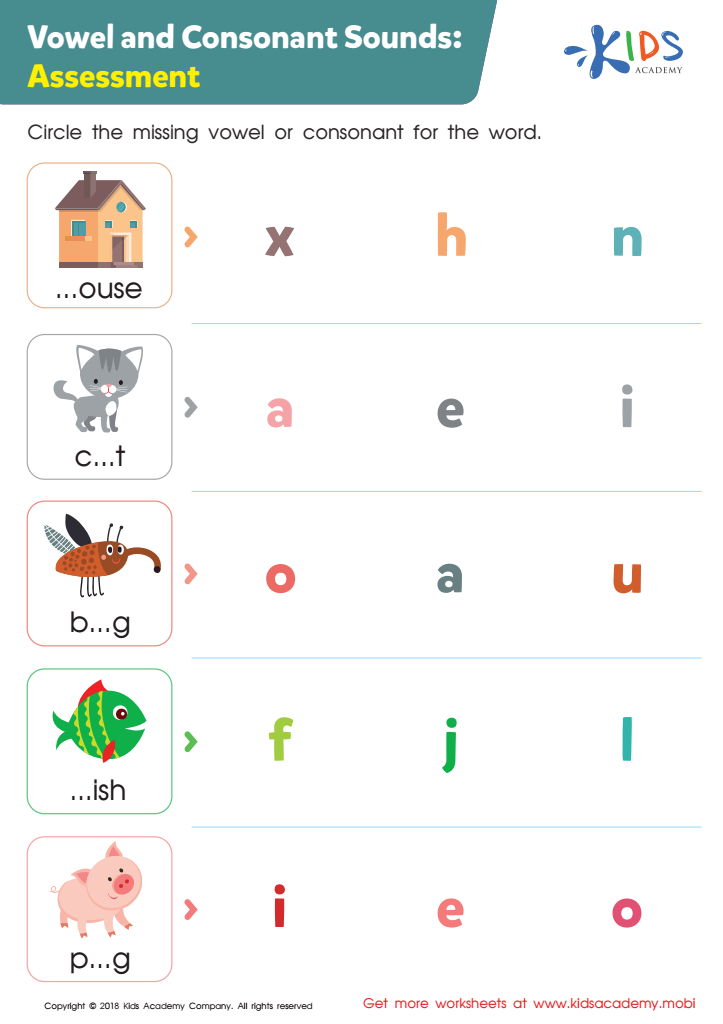
Vowel and Consonant Sounds: Assessment Worksheet
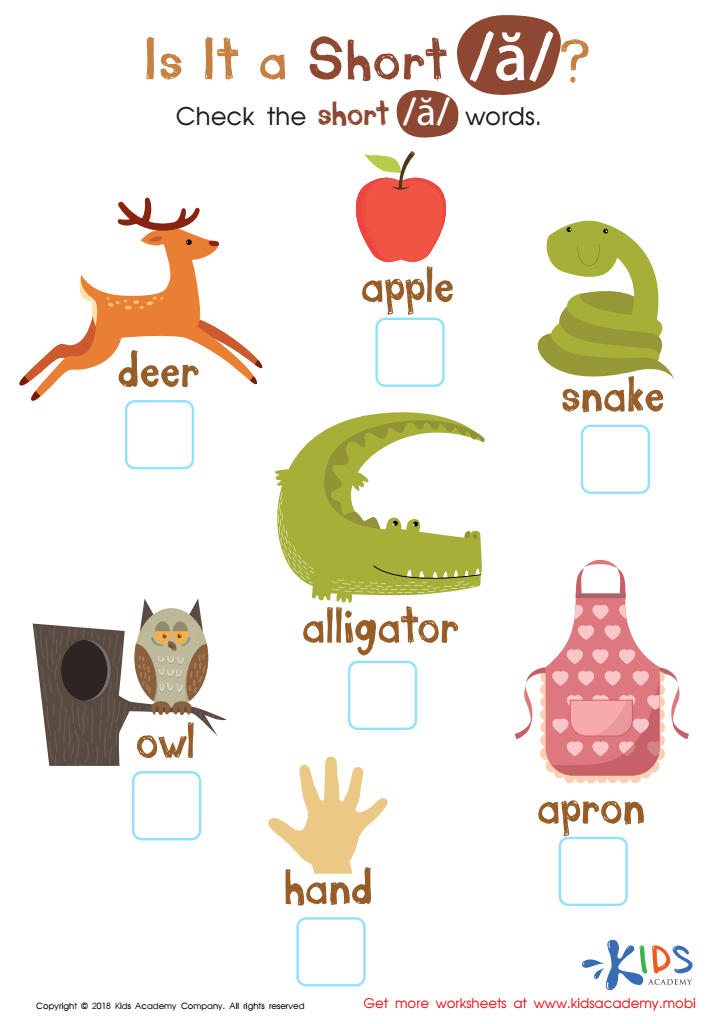
Is It Short A? Reading Worksheet
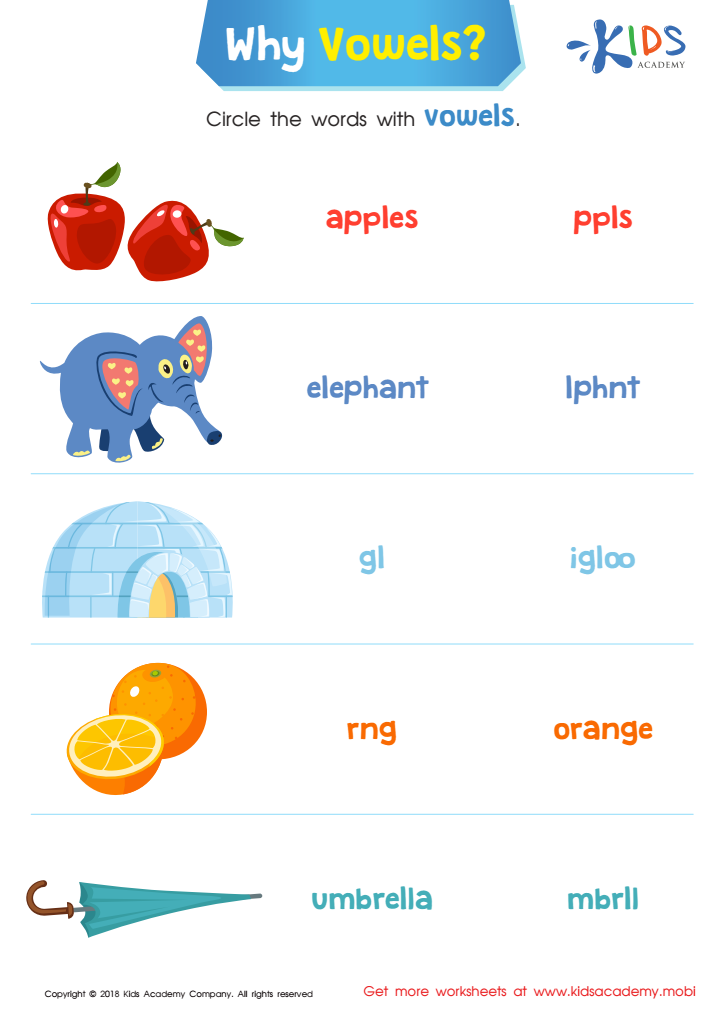
Why Vowels? Reading Worksheet
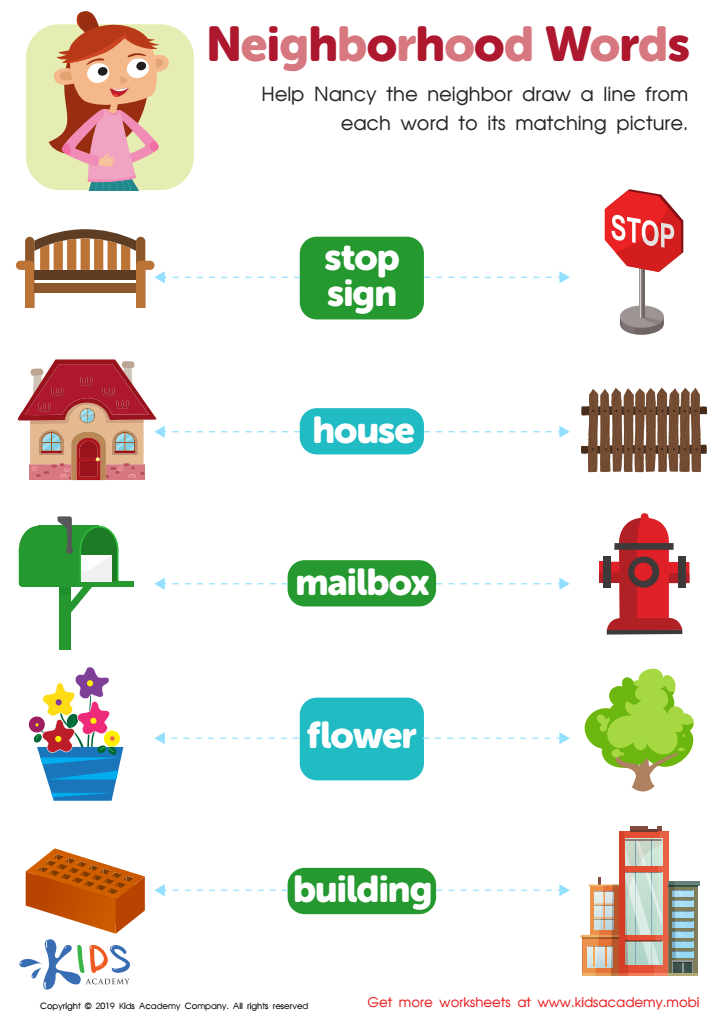
Neighborhood Words Worksheet
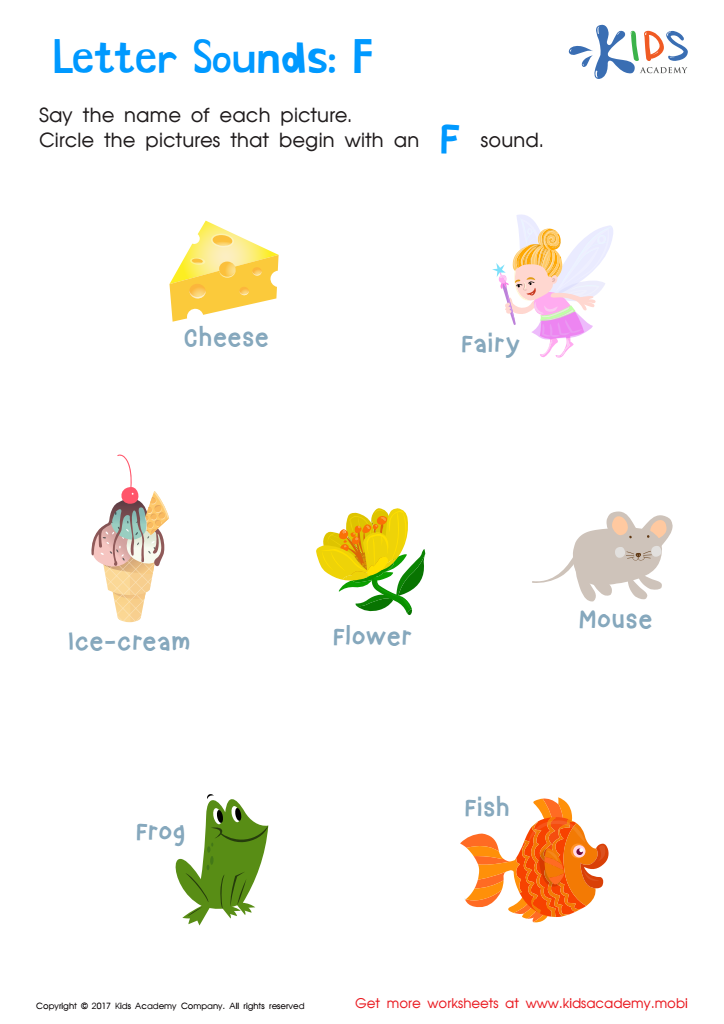
Letter F Sounds Worksheet
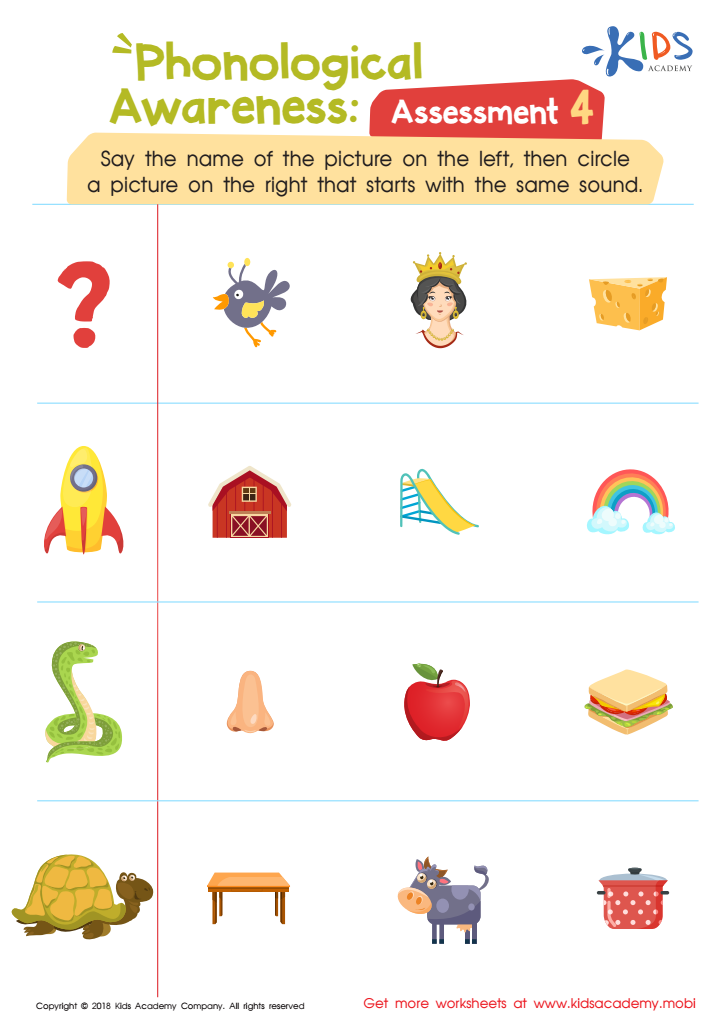
Phonological Awareness: Assessment 4 Worksheet
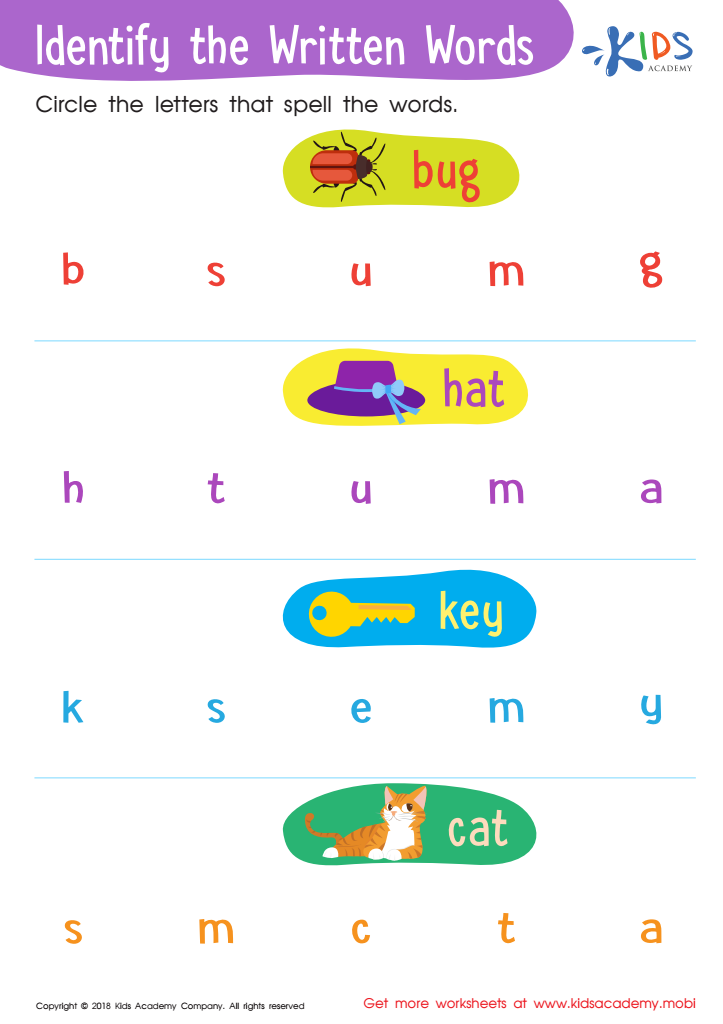
Identify the Written Words Worksheet
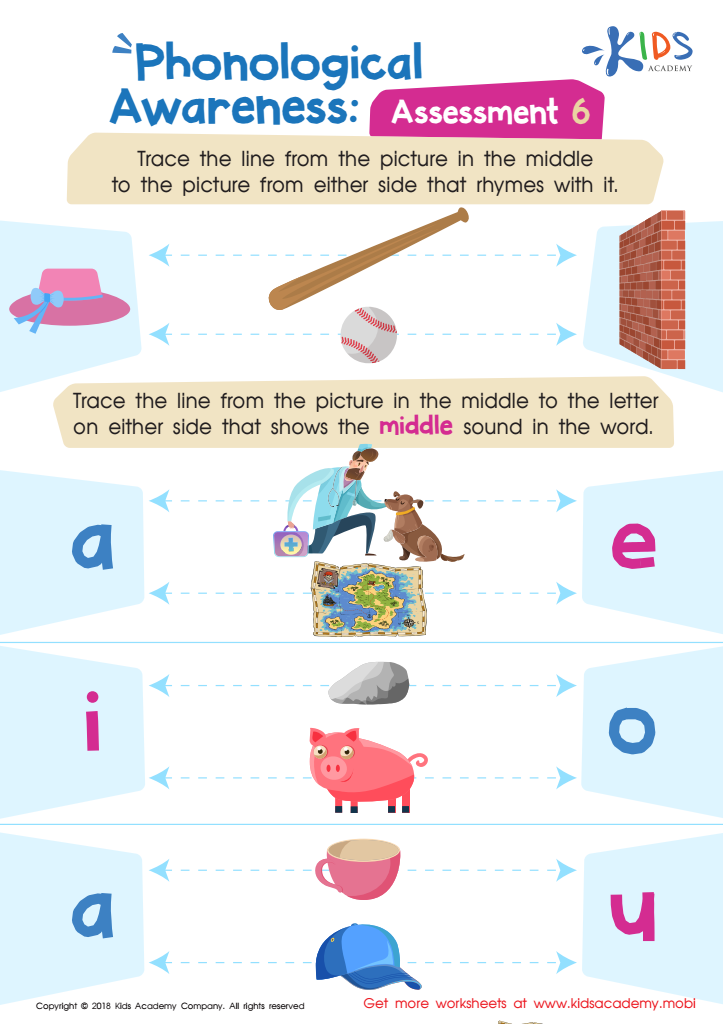
Phonological Awareness: Assessment 6 Worksheet
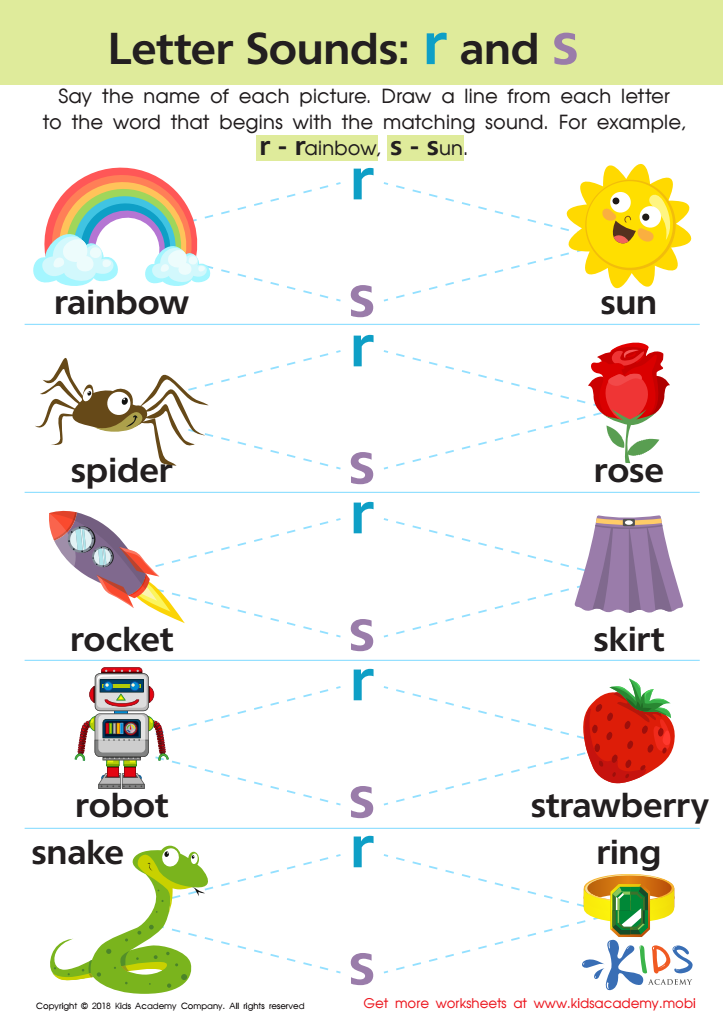
Letter R and S Sounds Worksheet
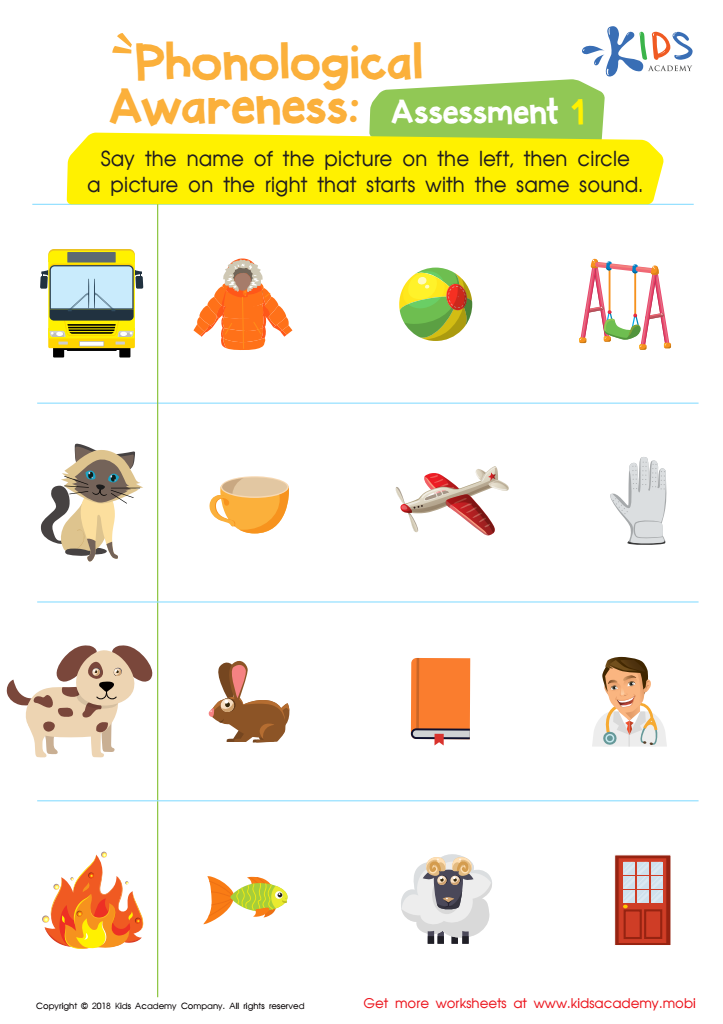
Phonological Awareness: Assessment 1 Worksheet
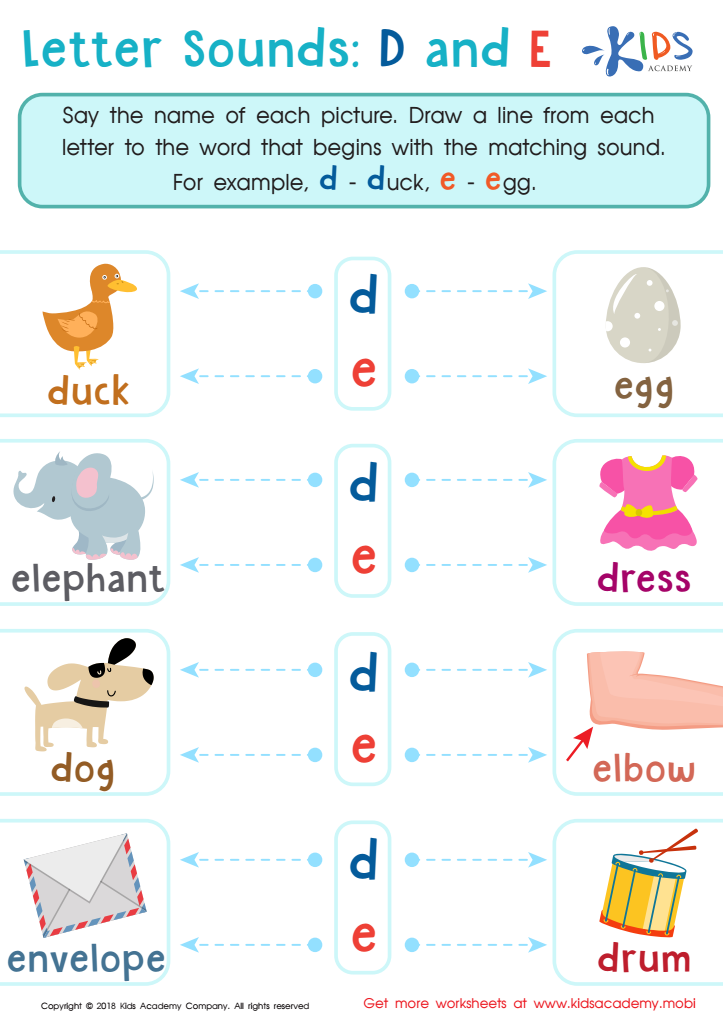
Letter D and E Sounds Worksheet








Vocabulary development and phonics are foundational elements of early childhood education that significantly impact a child's later academic success and overall communication skills. At the age of five, children's brains are rapidly developing and are particularly receptive to language acquisition. A robust vocabulary empowers children to express their thoughts and emotions precisely, follow instructions more effectively, and engage in meaningful conversations with both peers and adults. This foundational skill also fosters socializing, enriching their interactions and relationships.
Phonics, on the other hand, involves teaching the relationship between sounds and their corresponding letters. This helps children decode words, a critical step toward fluent reading. When children understand phonics, they can recognize familiar words and break down unfamiliar ones with greater ease, enabling independent reading sooner.
Moreover, a strong vocabulary and phonemic awareness are predictors of academic achievement. Children who enter school with these skills are more likely to excel in reading and writing tasks, which are integral components of the educational curriculum. An early focus on vocabulary and phonics also helps to close the gap for those who might be at a socio-economic disadvantage, thereby promoting educational equity. Parents and teachers alike should invest time and resources into these areas to set children on a path to lifelong learning and success.







