Alphabet tracing Tracing Letters Worksheets for 5-Year-Olds
7 filtered results
-
From - To
Looking for a fun and engaging way to help your 5-year-olds master their alphabet? Our Alphabet Tracing Letters Worksheets are perfect! Designed specifically for young learners, these worksheets make tracing letters enjoyable and interactive. As children practice, they build critical handwriting skills, improve fine motor coordination, and enhance letter recognition. Each worksheet features colorful designs, gentle prompts, and plenty of space for little hands to practice. Encourage creativity and learning simultaneously with our thoughtfully curated tracing activities. Ideal for homeschooling or classroom use, these worksheets will set the foundation for your child's writing journey while keeping them entertained! Start tracing today!
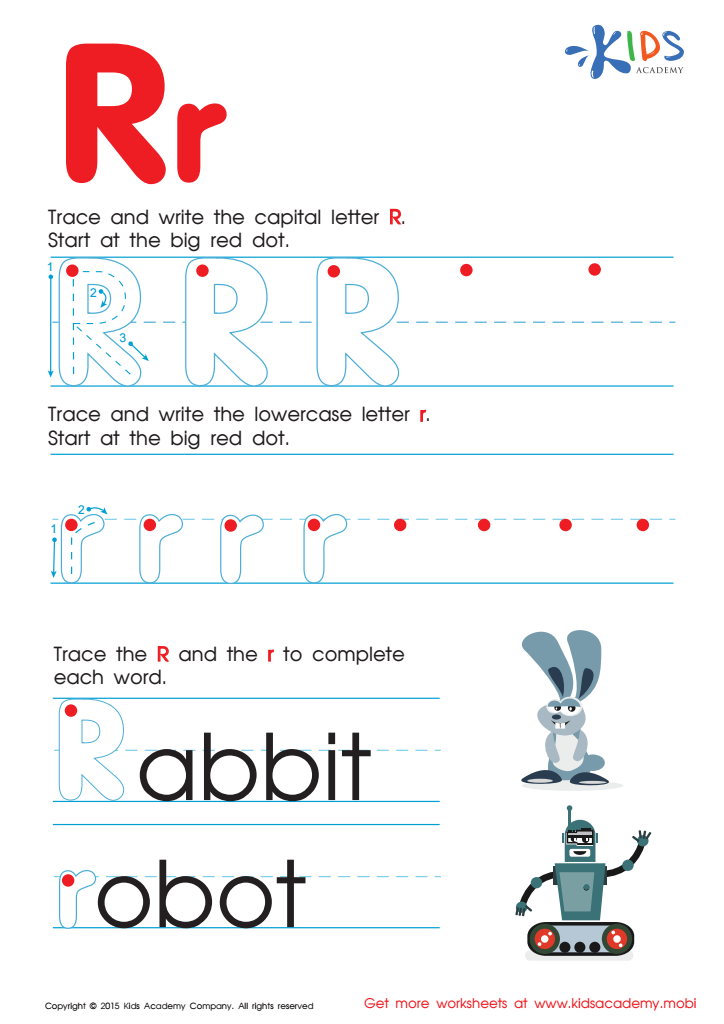
Letter R Tracing Page
 Assign to My Students
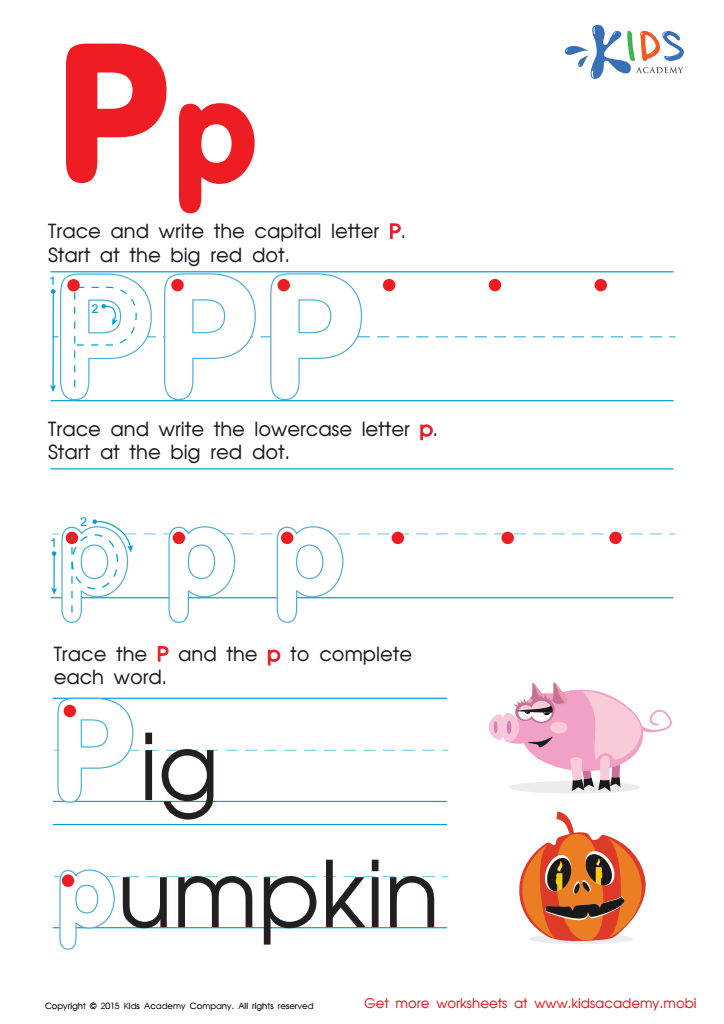
Letter P Tracing Page
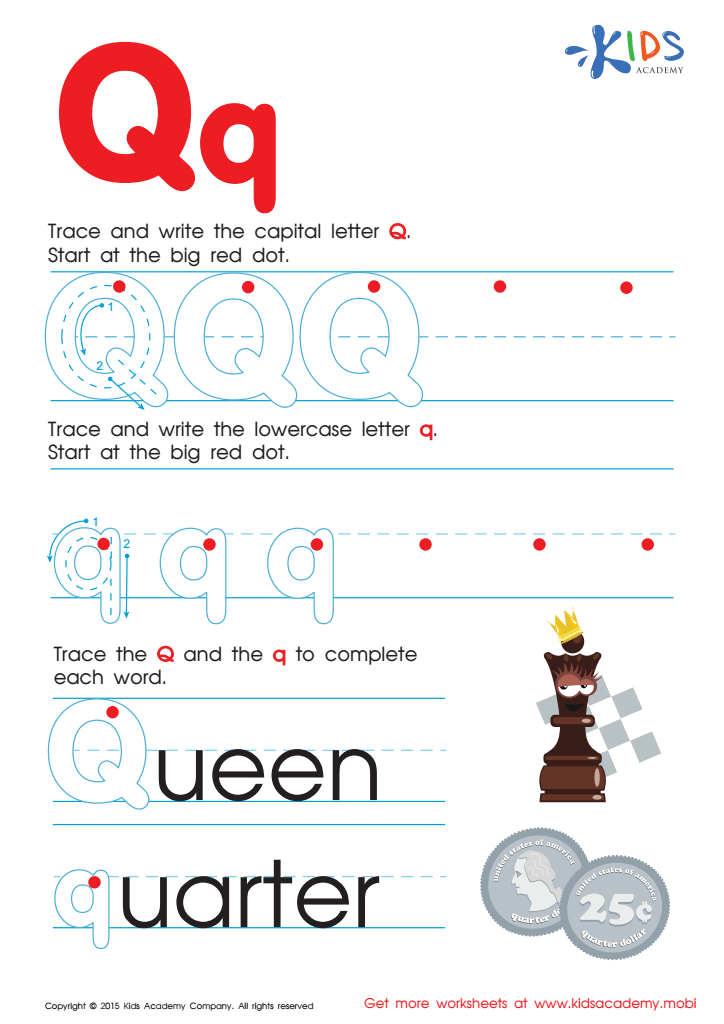
Letter Q Tracing Page
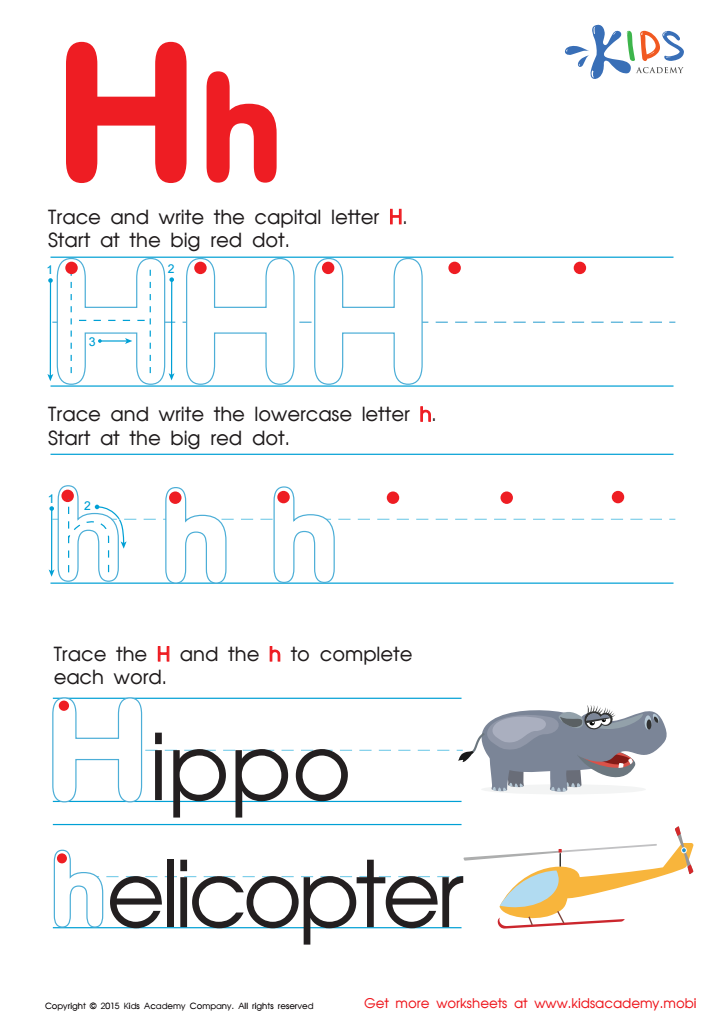
Letter H Tracing Page
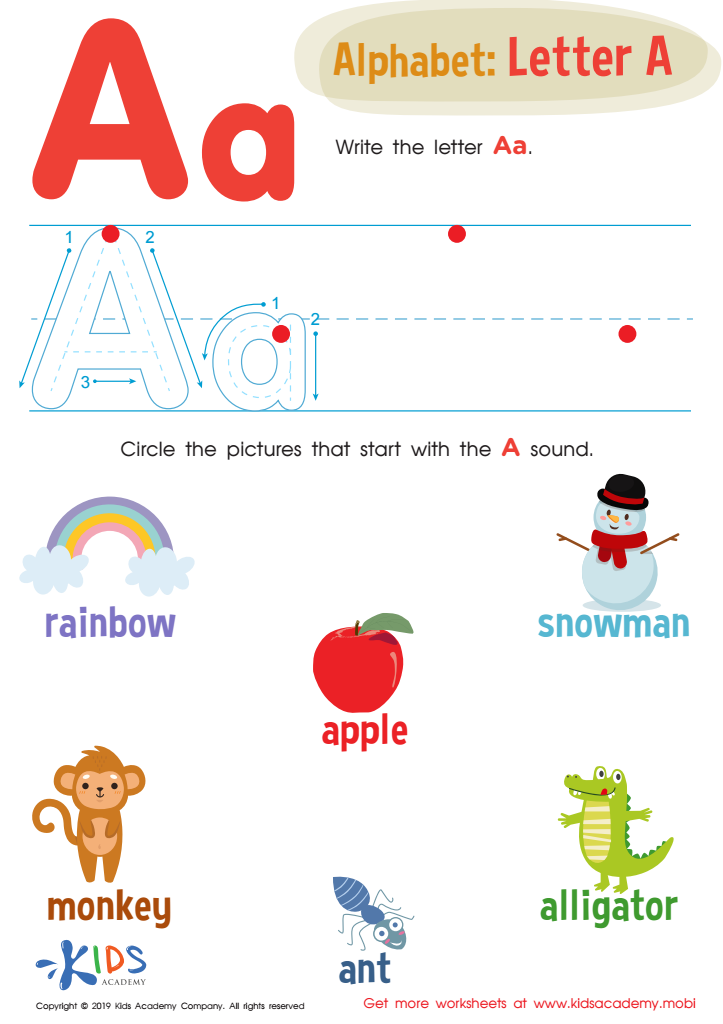
Letter A Tracing Worksheet
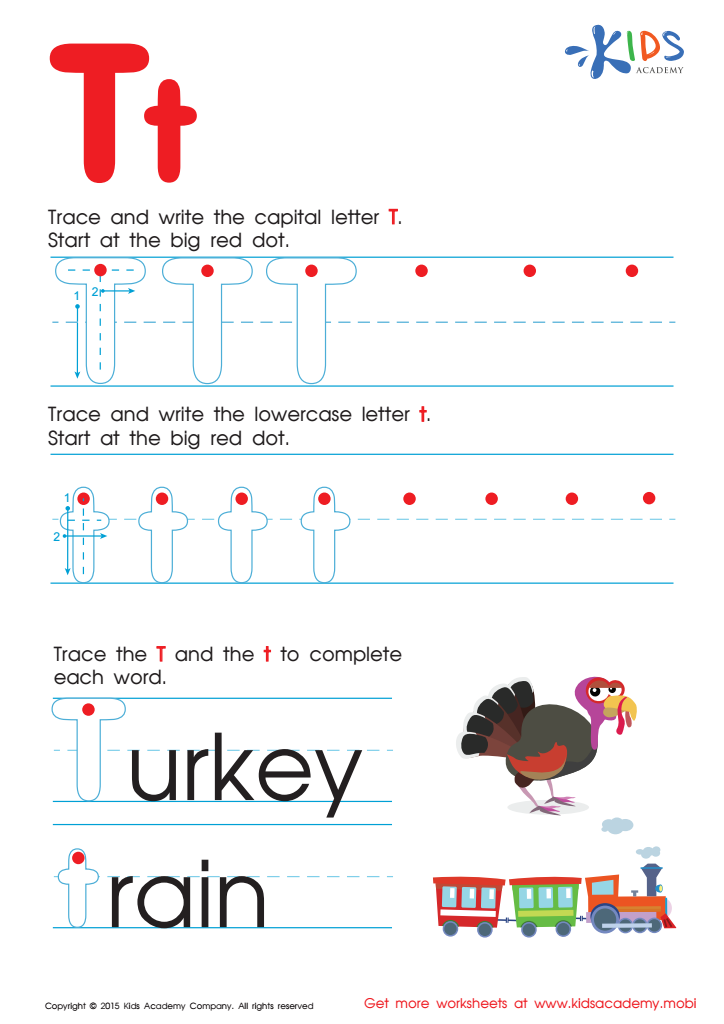
Letter T Tracing Page

Letter D Tracing Page







Alphabet tracing is a crucial activity for 5-year-olds that plays a significant role in their early literacy development. First and foremost, it helps children build fine motor skills, which are essential for writing. By practicing the shapes and strokes of each letter, children learn to control their hand movements, leading to improved handwriting as they progress in their education.
Additionally, tracing letters reinforces letter recognition. As children trace each character, they commit the shapes and sounds of the alphabet to memory, which is foundational for reading and writing. This tactile experience enhances cognitive connections between letters and their sounds, an essential aspect of phonemic awareness.
Furthermore, tracing letters encourages focus and patience. As young learners engage in this repetitive practice, they develop concentration skills, which are vital for all aspects of learning. It also fosters a sense of accomplishment; mastering production of each letter boosts confidence and motivates continued learning.
Lastly, for teachers and parents, supporting alphabet tracing provides an opportunity to engage with children in their learning process. This shared experience not only strengthens academic gains but also nurtures relationships and communication, making the journey of learning to read and write more enjoyable and meaningful.








